










Top Telehandler Manufacturers & Brands
A comprehensive directory of leading telehandler manufacturers serving construction, agriculture, and industrial markets globally.
Listed in no particular order • Independent research • Updated quarterly
Methodology & Scope
A practical reference for overseas buyers, distributors, and contractors seeking telehandler manufacturers with long-term, dedicated involvement in telescopic handler production.
Manufacturers in This Directory
Click any brand to jump directly to their profile. Listed alphabetically, not by ranking.
Brands are listed alphabetically. This is not a ranking.

Need help sourcing?
Get quotes from suitable manufacturers

JCB
United Kingdom · Founded 1945
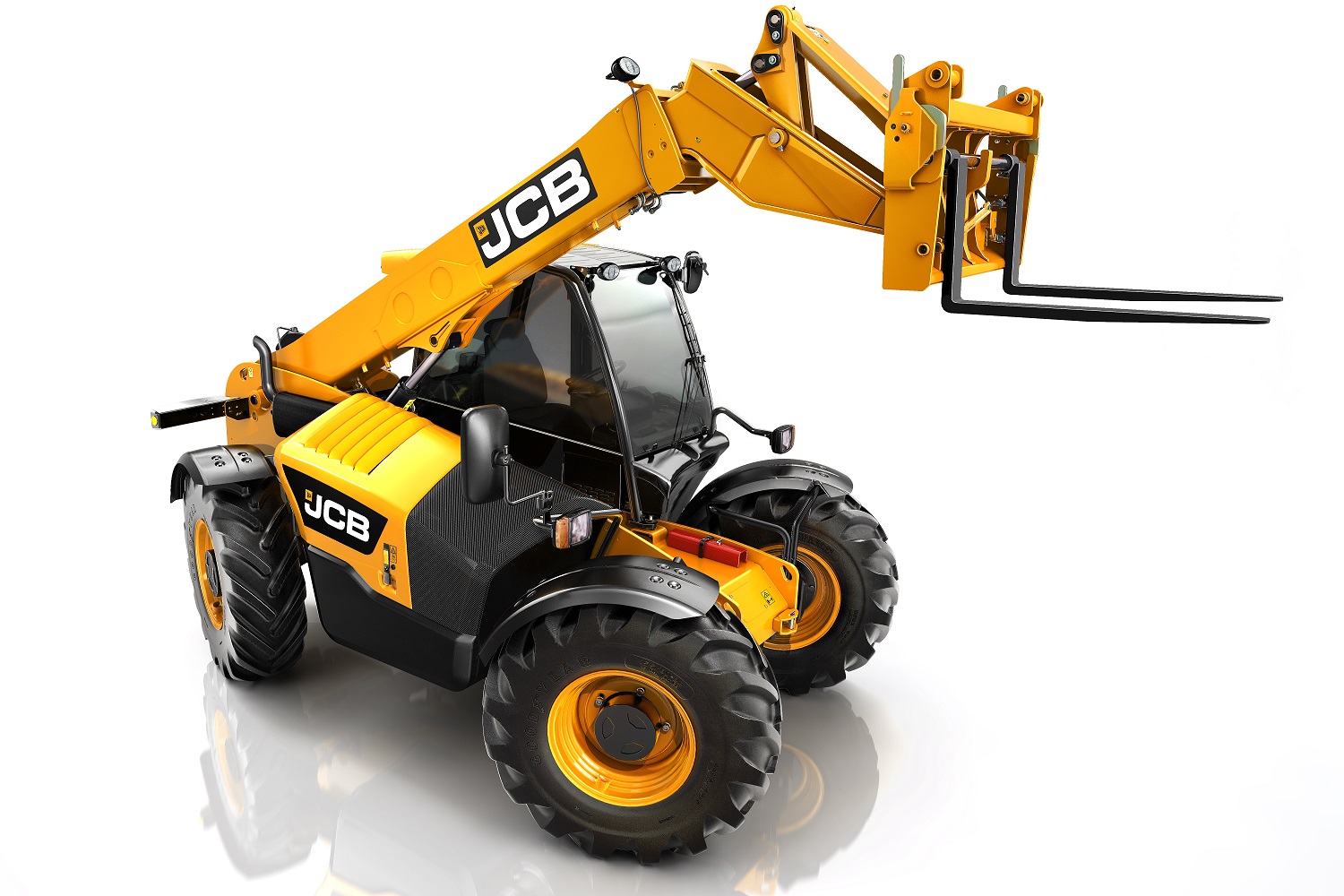
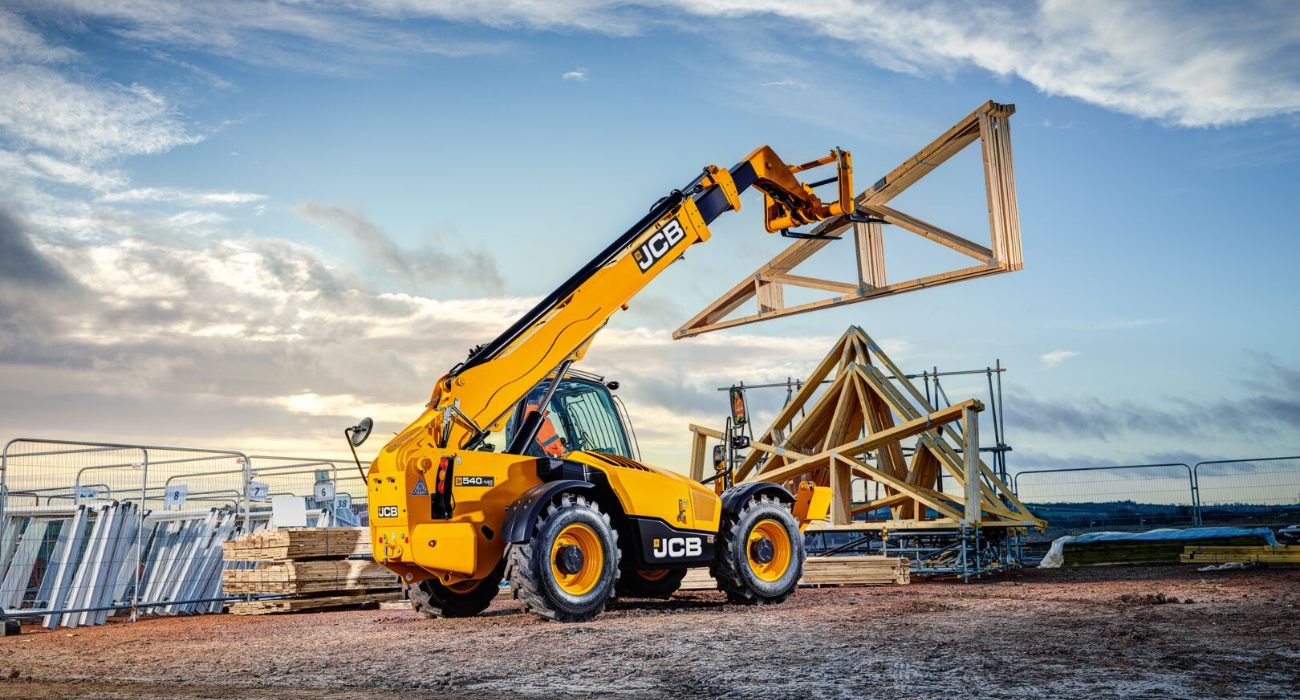

JCB is widely regarded as one of the most established telehandler brands globally. For many buyers and rental companies, the Loadall series remains a common reference point when comparing telehandlers from different manufacturers. In mature markets, JCB is typically selected for predictable performance, strong aftersales support, and long-term asset value rather than lowest upfront cost.
JCB positions its telehandlers firmly in the premium segment. This positioning aligns well with large contractors and rental fleets that prioritize reliability, uptime, and residual value over initial purchase price.
Key models: 540-170 (4.0 t / 17 m) · 531-70 (3.1 t / 7 m) · 536-95 AGRI (3.6 t / 9.5 m)
Strengths
JCB's primary strength lies in its strong brand recognition combined with a well-established global dealer and service network. In regions with mature JCB support infrastructure, buyers benefit from reliable parts availability, consistent service quality, and stable residual values throughout the equipment lifecycle.
Another notable advantage is product maturity. JCB telehandlers are based on long-established platforms that have undergone multiple generations of refinement. This reduces operational uncertainty and makes them a lower-risk choice for fleets that depend on predictable machine behavior.
- ✓ Strong global dealer and service coverage
- ✓ Reliable parts availability in mature markets
- ✓ High resale value, especially within rental fleets
- ✓ Proven product platforms refined over many years
Considerations
From a procurement perspective, JCB telehandlers require a higher initial investment. This pricing reflects the brand's market position, support infrastructure, and long-term value proposition, but may not align with projects or regions where upfront cost is the primary decision factor.
Configuration flexibility is relatively standardized. Compared with export-oriented OEM manufacturers, JCB generally offers fewer options for private labeling or deep customization, which can be a limitation for distributors serving highly price-sensitive or strongly differentiated markets.
- – Premium price segment with higher purchase cost
- – Limited flexibility for private labeling or deep customization
- – May not suit cost-driven developing markets
Best Suited For
Based on typical usage patterns and market positioning, JCB telehandlers are best suited for:
- → Large construction contractors with long-term equipment strategies
- → Rental companies focused on reliability, uptime, and resale value
- → Buyers operating in regions with strong JCB dealer and service coverage
Summary
A globally established UK brand whose Loadall telehandlers are widely chosen for reliability, service support, and long-term value rather than lowest upfront cost.

Manitou
France · Founded 1957
Manitou is a long-established French manufacturer of material handling equipment, including telehandlers, all-terrain forklifts, and aerial work platforms. The company's headquarters are in Ancenis, France, and it has developed a broad international distribution and service network over many decades. Manitou telehandlers are part of a comprehensive product range designed to support construction, industrial, agricultural, and rental markets worldwide.
Manitou telehandlers are known for offering versatile performance across a wide range of capacities and lift heights. Their product portfolio includes compact construction telehandlers for urban and site work, larger fixed-boom machines for heavy load handling, and all-terrain rough-terrain models suitable for varied jobsite conditions.

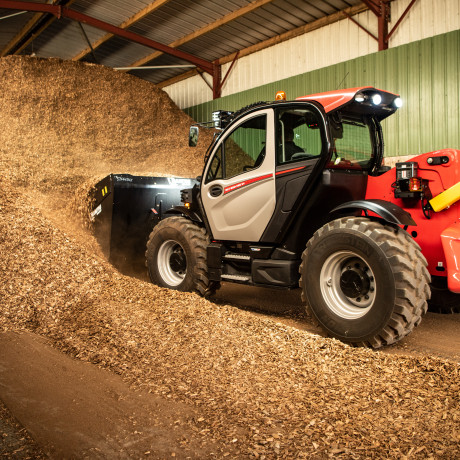
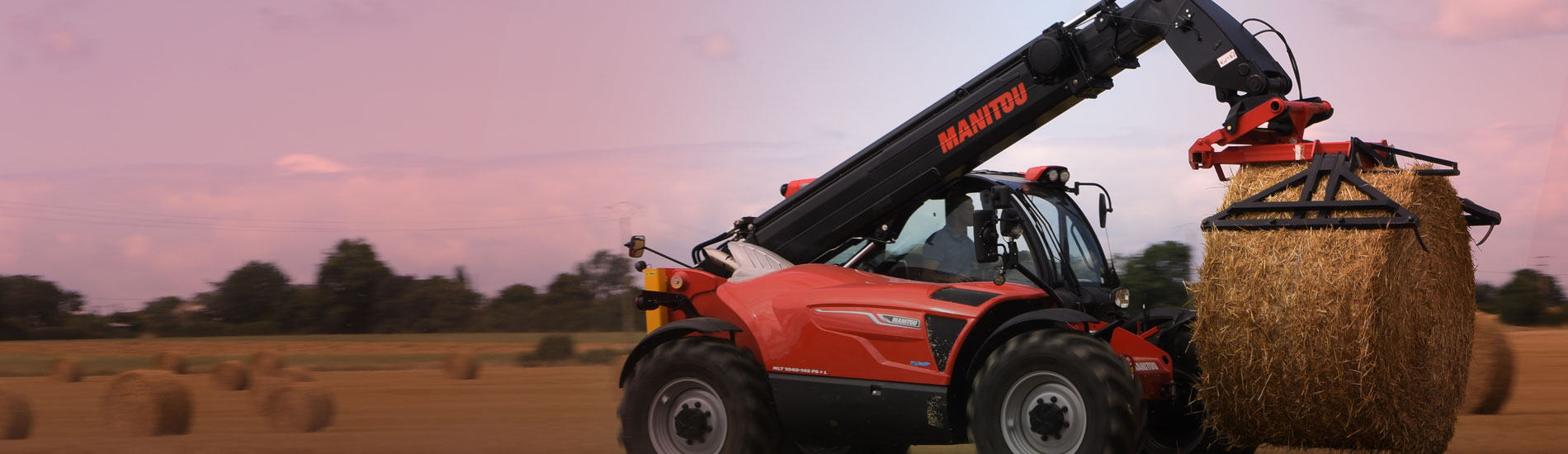
Key models: MT 625 H (2.5 t / ~5.85 m) · MT 730 H (3.0–3.2 t / ~6.9 m) · MT 1840 (4.0 t / ~17.5 m)
Strengths
Manitou has a broad product lineup that covers nearly every mainstream telehandler application, from compact site work to higher-capacity fixed boom tasks. This breadth helps buyers tailor machine choice closely to their needs, whether for construction, rental fleets, or multi-site operations.
The brand's international presence and dealer infrastructure support parts availability and service in many regions, particularly across Europe and markets with established Manitou distribution. Its machines are designed with operator comfort and versatility in mind, including ergonomic controls and multi-terrain capability that assist in productivity and maneuverability on varied job sites.
- ✓ Extensive range of models covering multiple capacity and lift height segments
- ✓ Strong dealer and service presence in many international markets
- ✓ Ergonomic and versatile machine design for diverse jobsite conditions
- ✓ Well-established brand with long history in handling equipment
Considerations
Manitou telehandlers fall into a wide spectrum of configurations, and while this breadth is a strength, it also means buyers may need to invest time to compare variants closely to find the best fit for specific applications. In some regions, market competition from other global brands or local specialists may affect parts pricing and aftersales support responsiveness.
Some of the higher-capacity models are positioned toward heavier applications and can have higher purchase and operating costs, reflecting their performance and build quality. Compared with manufacturers that focus narrowly on telehandlers for export markets, customization options and private-label support may be more constrained depending on region and dealer policy.
- – Large model portfolio can complicate comparison
- – Higher acquisition cost for high-capacity machines
- – Customization / private-label flexibility varies by region
Best Suited For
Based on product positioning and market coverage, Manitou telehandlers are especially suitable for:
- → Construction contractors needing a wide choice of telehandler capacities and lift heights
- → Rental companies seeking machines that fit multiple jobsite scenarios
- → Buyers in regions with strong Manitou dealer and service networks
Summary
A French manufacturer with a broad international telehandler portfolio, Manitou provides versatile handling solutions across construction, industrial, and rental sectors with a strong dealer presence and mature product range.

Merlo
Italy · Founded 1964
Merlo is an Italian manufacturer widely recognized for its strong focus on telehandlers as a core product category. Unlike diversified construction equipment groups, Merlo has built its reputation primarily around telescopic handlers, with continuous development in both fixed-boom and rotating models. The company is headquartered in Cuneo, Italy, and has maintained a long-standing presence in European construction, industrial, and agricultural markets.
Merlo telehandlers are commonly positioned as technically refined machines, with an emphasis on compact design, advanced hydraulics, and operator-focused engineering. In many markets, Merlo is particularly associated with rotating telehandlers, where it is often considered one of the reference brands.
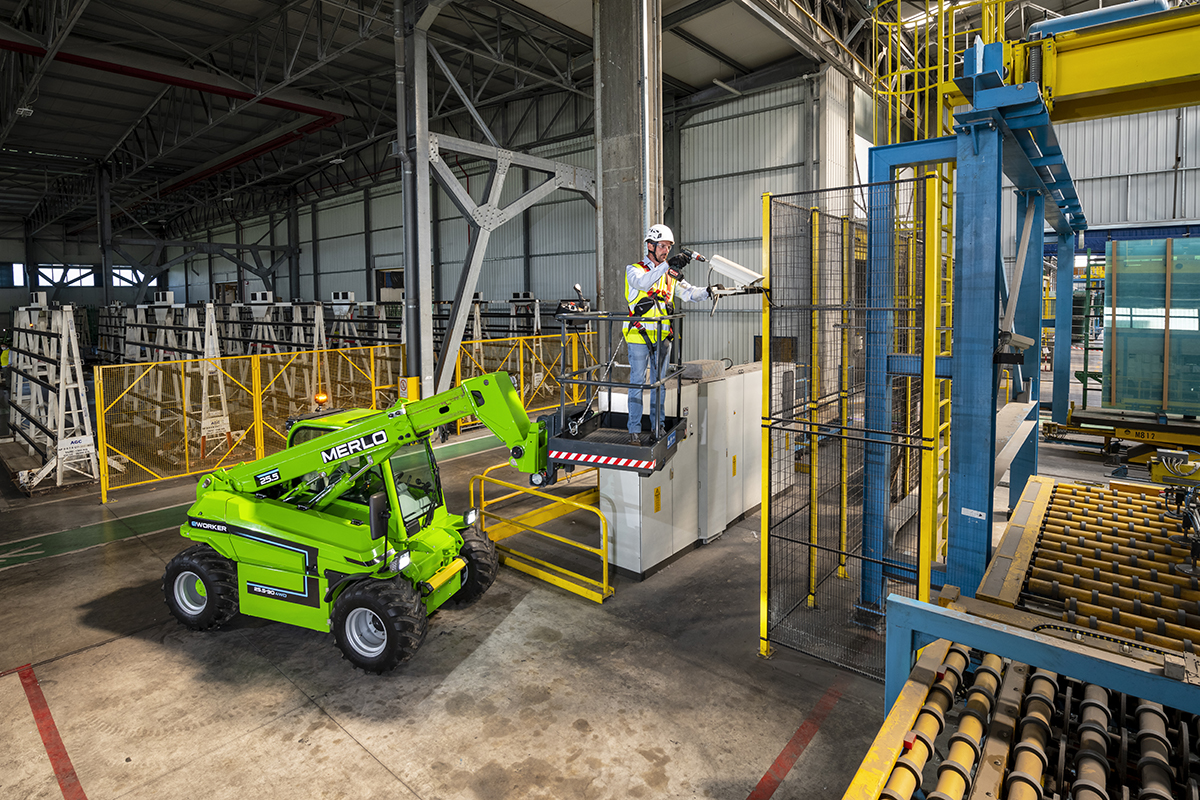
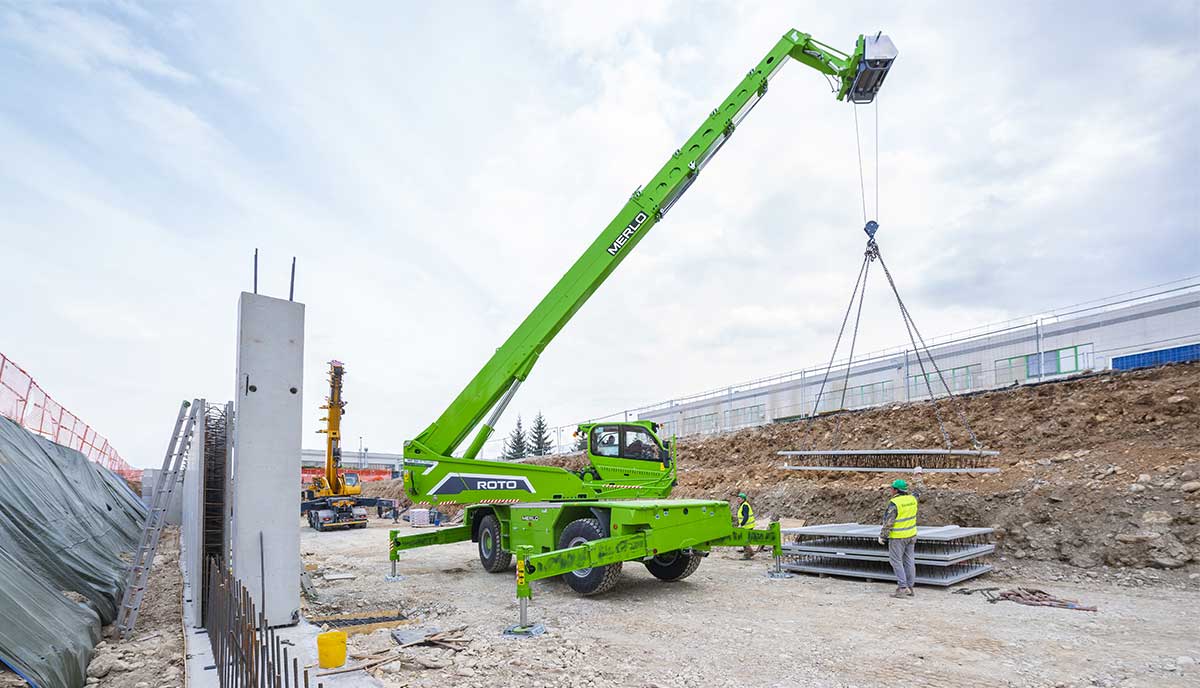

Key models: TF 35.7 (3.5 t / 6.6–7.0 m) · TF 42.7 (4.2 t / ~7.0 m) · ROTO 40.18 (4.0 t / 18 m)
Strengths
Merlo's main strength lies in its deep specialization in telehandler design. The company has consistently invested in proprietary technologies, particularly in hydrostatic transmissions, compact chassis layouts, and integrated safety systems. This focus results in machines that are often praised for smooth operation, precise control, and efficient power delivery.
In the rotating telehandler segment, Merlo holds a particularly strong position. Its ROTO series is widely used on complex construction sites where lifting versatility and 360-degree rotation are required. Merlo machines are also known for their integrated stabilizer systems and well-balanced load charts, which enhance operational flexibility in confined or uneven jobsite conditions.
- ✓ Strong specialization in telehandler engineering
- ✓ Well-established rotating telehandler (ROTO) product range
- ✓ Compact machine design with advanced hydraulics
- ✓ Integrated safety and stabilization systems
Considerations
From a procurement standpoint, Merlo telehandlers are typically positioned above mid-range manufacturers in terms of price. The higher level of engineering and proprietary systems can translate into higher initial investment, particularly for rotating models with advanced configurations.
In addition, Merlo's brand strength and service coverage are most pronounced in Europe. In regions where dealer networks are less developed, buyers may need to evaluate parts availability, service response times, and local technical support more carefully compared with globally diversified brands.
- – Higher purchase cost, especially for rotating models
- – Service and dealer coverage varies by region
- – Less suitable for buyers seeking basic, low-spec machines
Best Suited For
Based on market positioning and typical use cases, Merlo telehandlers are best suited for:
- → Contractors requiring rotating telehandlers for complex lifting tasks
- → Projects where compact design and precise control are critical
- → Buyers in regions with established Merlo dealer and service networks
Summary
A specialized Italian manufacturer known for technically advanced telehandlers, Merlo is particularly strong in rotating models and compact, high-precision machine design.

Caterpillar
United States · Founded 1925
Caterpillar, commonly known as Cat, is one of the world's largest construction and heavy equipment manufacturers. While telehandlers are not the company's primary product category, Cat has developed a dedicated telehandler lineup designed to integrate with its broader construction equipment ecosystem. Caterpillar telehandlers are produced to align with the brand's global standards for durability, safety, and lifecycle support.
Cat telehandlers are typically positioned as robust, jobsite-oriented machines, developed for construction environments where durability, serviceability, and parts support are prioritized. In many markets, Cat telehandlers are selected by buyers who already operate Caterpillar equipment and prefer a unified fleet and service structure.
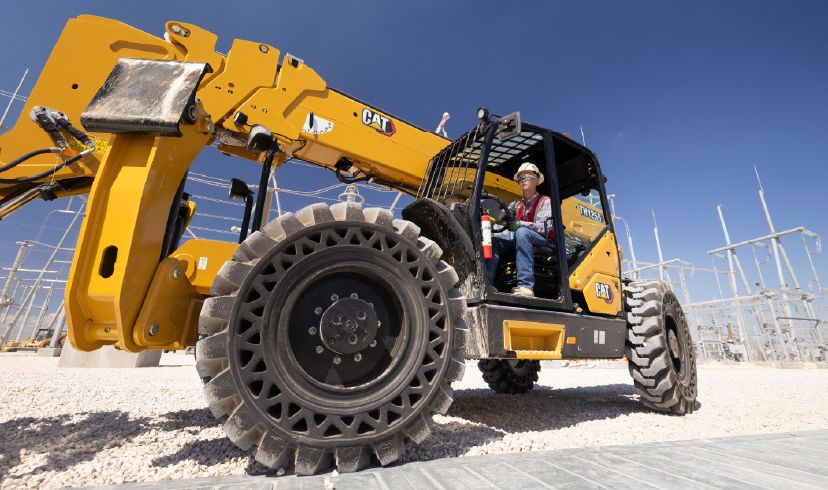
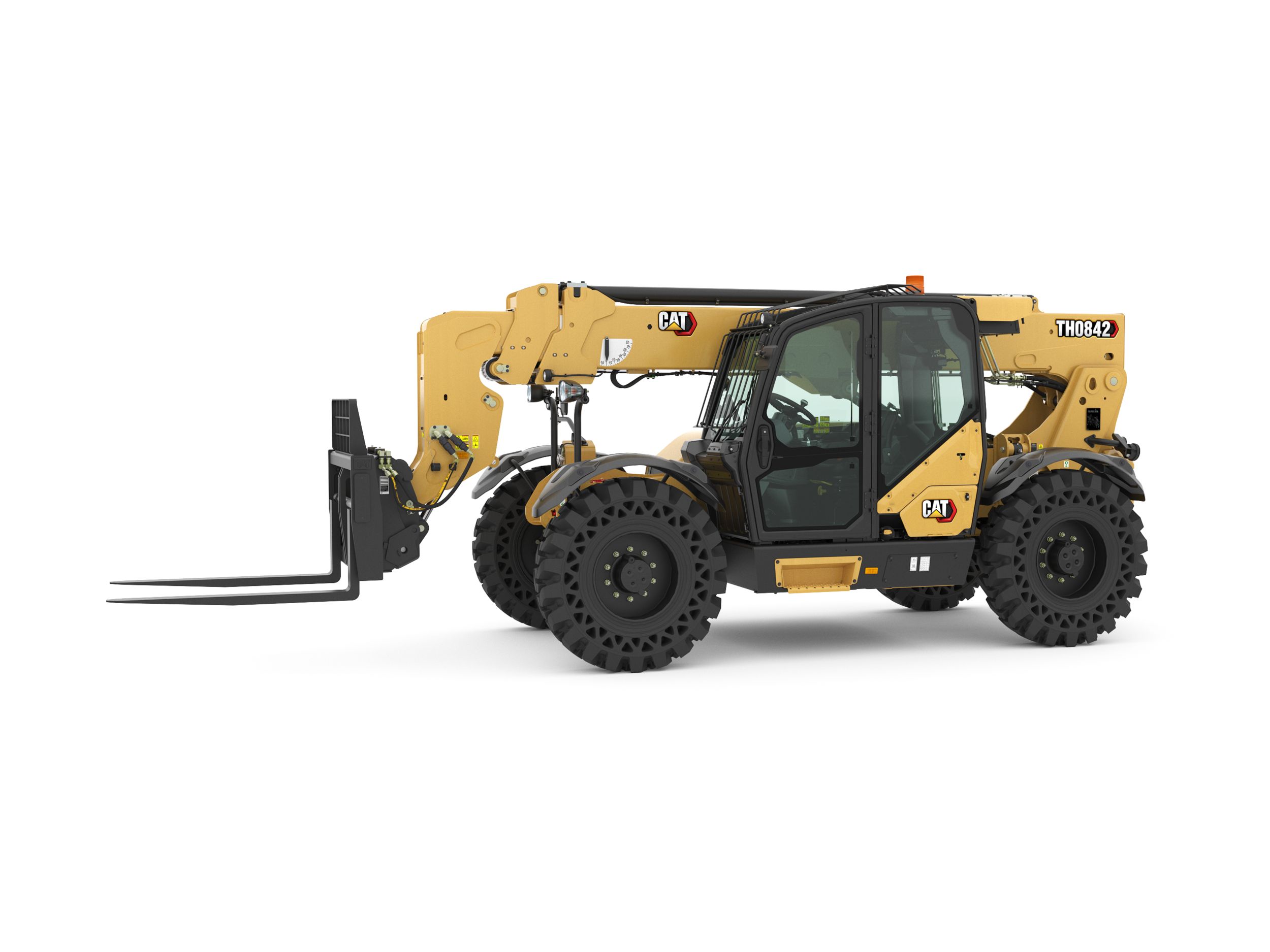
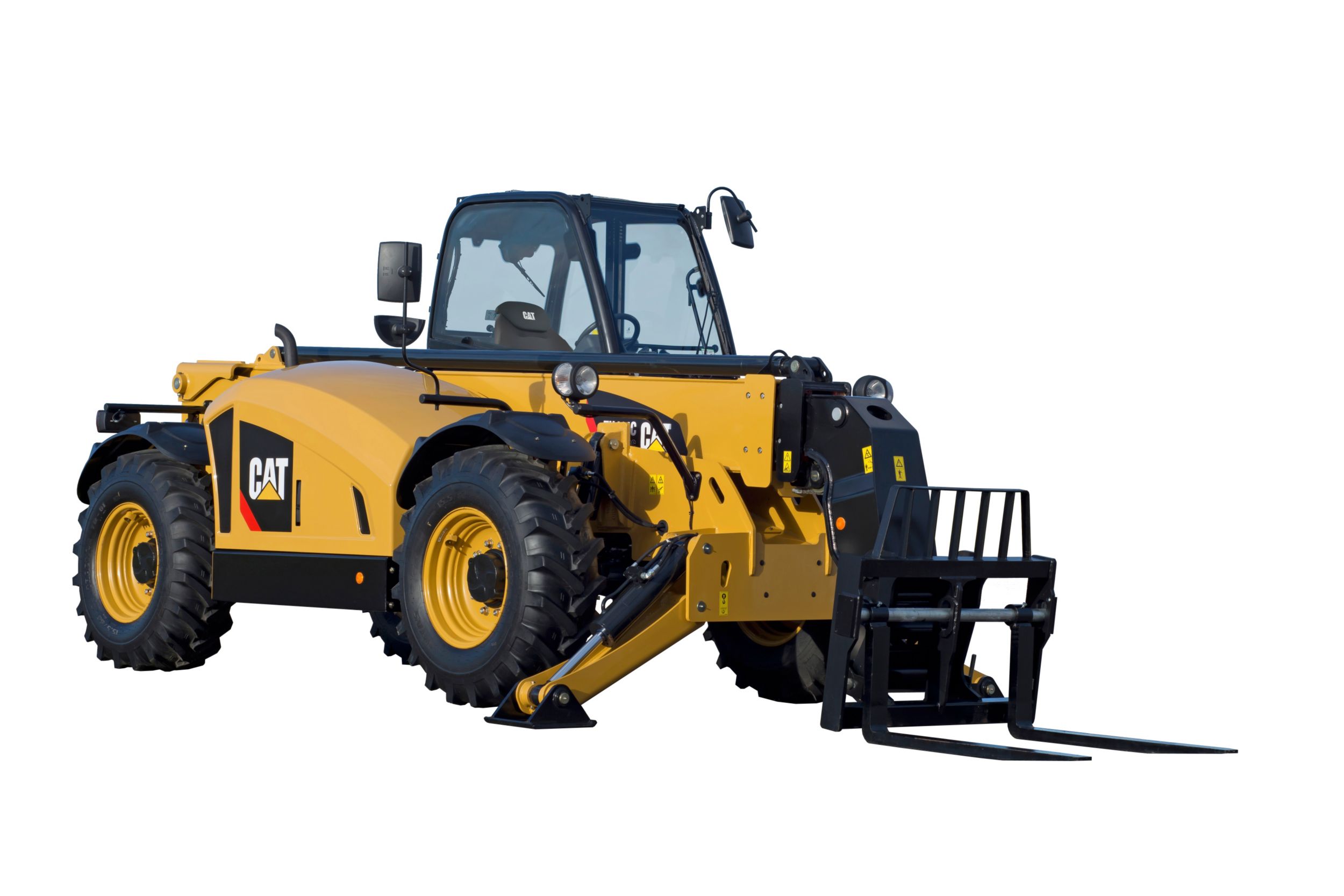
Key models: TH255C (2.5 t / ~5.7 m) · TH357D (3.5 t / ~7.0 m) · TH408D (4.0 t / ~8.0 m)
Strengths
Caterpillar's primary strength in the telehandler segment lies in machine robustness and global support infrastructure. Cat telehandlers are engineered to meet demanding construction site requirements, with a focus on structural strength, straightforward maintenance access, and long service intervals. For contractors operating in harsh environments, this emphasis on durability is a significant advantage.
Another important factor is Caterpillar's extensive global dealer network. In regions where Cat dealers are well established, buyers benefit from reliable parts availability, standardized service procedures, and integration with existing Caterpillar fleet management systems. This makes Cat telehandlers particularly attractive to customers seeking consistency across multiple equipment categories.
- ✓ Strong build quality designed for demanding construction sites
- ✓ Extensive global dealer and parts support network
- ✓ Consistent service standards across Caterpillar equipment lines
- ✓ Suitable for fleets already operating Cat machinery
Considerations
From a procurement standpoint, Caterpillar telehandlers are generally less specialized than those from manufacturers focused exclusively on telescopic handlers. The product range is comparatively narrower, with limited coverage of ultra-compact models or high-reach configurations beyond mainstream construction requirements.
Pricing typically reflects the Caterpillar brand and support infrastructure. While this delivers confidence in long-term support, it may not align with buyers seeking maximum specification flexibility, private labeling, or cost-optimized solutions for non-core applications.
- – Narrower telehandler range compared with specialized manufacturers
- – Limited availability of high-reach or rotating telehandlers
- – Premium pricing relative to specification breadth
Best Suited For
Based on market positioning and typical applications, Caterpillar telehandlers are best suited for:
- → Construction contractors operating mixed Caterpillar equipment fleets
- → Projects requiring durable, low-risk machines with strong dealer support
- → Buyers prioritizing service infrastructure and long-term lifecycle reliability
Summary
A global construction equipment leader offering durable, jobsite-focused telehandlers, Caterpillar appeals to buyers who value brand consistency, service coverage, and long-term support over specialized configurations.
Genie
United States · Founded 1966
Genie is a U.S.-based manufacturer best known globally for aerial work platforms and access equipment. Telehandlers form a smaller but established part of Genie's product portfolio, primarily under the GTH series, which is designed to serve construction and rental markets that value simplicity, reliability, and fleet compatibility.
As part of the Terex group, Genie telehandlers are developed with a strong focus on rental-friendly design, standardized components, and ease of operation. In many regions, Genie telehandlers are selected by buyers who already operate Genie lifts or Terex equipment and prefer a consistent support and parts ecosystem.
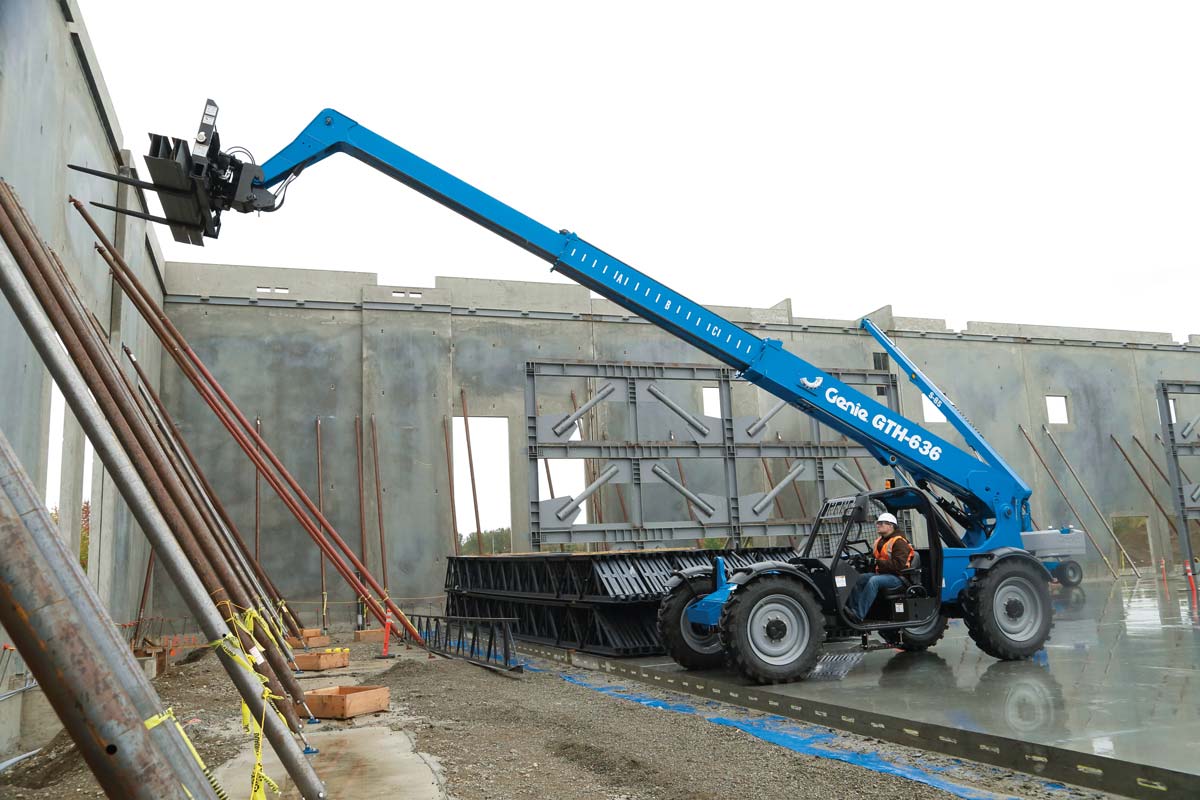
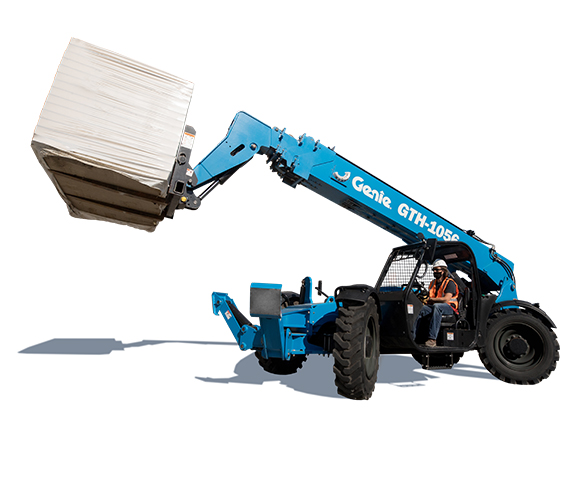
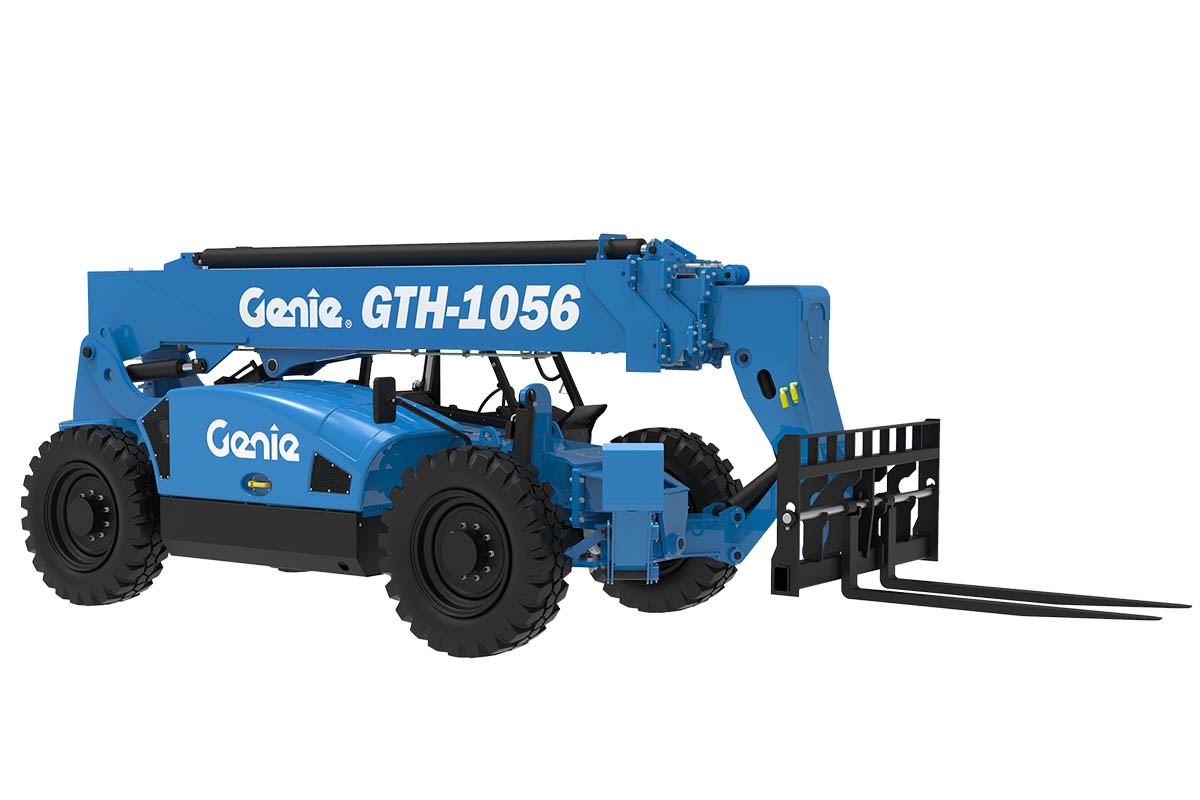
Key models: GTH-5519 (2.5 t / ~5.7 m) · GTH-636 (2.7 t / ~7.7 m) · GTH-844 (3.6 t / ~13.6 m)
Strengths
Genie's main strength in the telehandler segment lies in its rental-oriented design philosophy. GTH telehandlers are engineered for straightforward operation, clear visibility, and standardized maintenance procedures. This makes them easy to integrate into rental fleets where multiple operators with varying experience levels may use the same machine.
Another advantage is parts commonality and support through the Terex and Genie dealer network. In markets where Genie access equipment is already widely supported, telehandler owners can benefit from familiar service channels, shared logistics, and consistent aftersales processes.
- ✓ Rental-friendly machine design and simple operation
- ✓ Strong presence in rental and access equipment channels
- ✓ Integration with Terex / Genie service and parts networks
- ✓ Clear operator visibility and straightforward controls
Considerations
Compared with manufacturers that specialize exclusively in telehandlers, Genie's product range is more limited in scope. The lineup focuses mainly on mainstream construction capacities and does not cover rotating telehandlers or very high-reach configurations.
From a specification perspective, Genie telehandlers prioritize robustness and usability over advanced customization. Buyers seeking highly specialized configurations, agricultural-focused designs, or extensive private-label flexibility may find the available options more constrained.
- – Narrower telehandler range compared with specialist brands
- – No rotating telehandler models
- – Limited customization compared with export-focused OEMs
Best Suited For
Based on typical applications and market positioning, Genie telehandlers are best suited for:
- → Rental companies prioritizing ease of use and fleet consistency
- → Construction projects requiring straightforward, reliable handling solutions
- → Buyers already operating Genie or Terex equipment
Summary
A U.S. brand best known for access equipment, Genie offers rental-focused telehandlers designed for simplicity, reliability, and integration within the Terex support ecosystem.

Bobcat
United States · Founded 1947
Bobcat is a U.S.-origin manufacturer globally recognized for compact construction equipment, particularly skid-steer loaders and compact loaders. Telehandlers form an important extension of Bobcat's product portfolio, designed to complement its compact equipment offering for construction, agriculture, and rental markets.
Bobcat telehandlers are positioned around compact size, maneuverability, and multi-purpose jobsite use. Compared with brands focused on heavy or high-reach telehandlers, Bobcat emphasizes machines that can operate efficiently in confined spaces while still providing sufficient lift capacity for everyday material handling tasks.
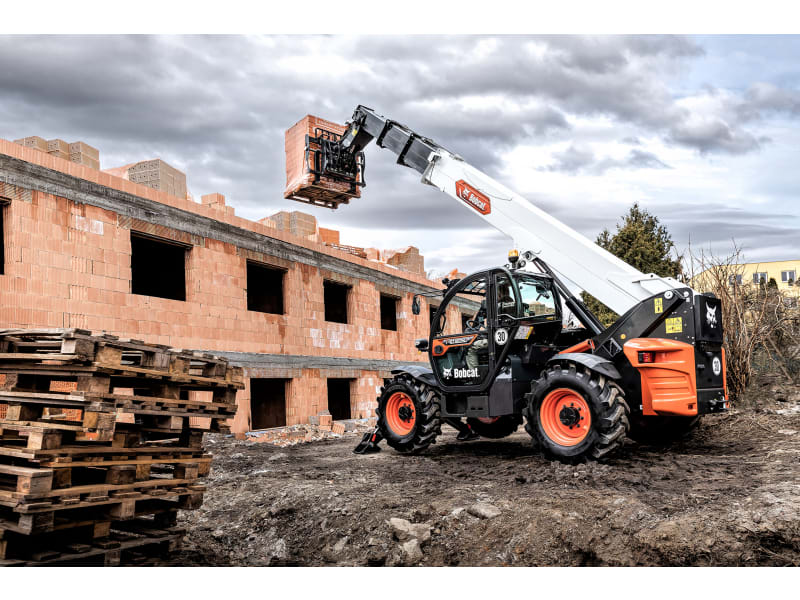
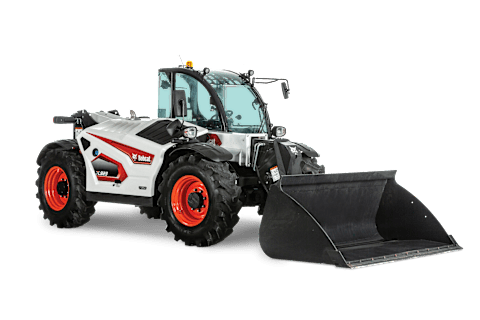
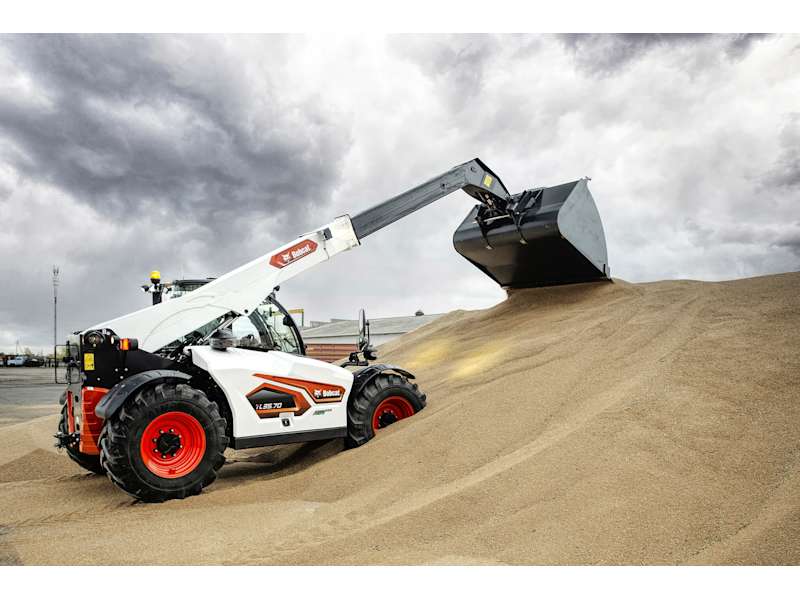
Key models: TL30.70 (3.0 t / ~7.0 m) · TL35.70 (3.5 t / ~7.0 m) · TL43.80HF (4.3 t / ~8.0 m)
Strengths
Bobcat's primary strength in the telehandler segment lies in its compact-equipment heritage. The machines are designed with a strong focus on maneuverability, visibility, and ease of operation, making them well suited for tight construction sites, mixed-use projects, and agricultural environments where space is limited.
Another advantage is Bobcat's extensive global dealer network, particularly strong in North America and Europe. Buyers who already operate Bobcat loaders or attachments benefit from familiar service channels, shared dealer relationships, and attachment compatibility that supports versatile jobsite use.
- ✓ Compact and maneuverable design for confined job sites
- ✓ Strong global dealer network, especially in North America and Europe
- ✓ Good attachment compatibility within the Bobcat ecosystem
- ✓ Easy operation suitable for multi-operator environments
Considerations
From a specification standpoint, Bobcat telehandlers are not designed for extreme reach or heavy lifting applications. The product range focuses on small to mid-capacity machines, which may not meet the requirements of large infrastructure projects or high-reach construction tasks.
In addition, while Bobcat offers solid standard configurations, customization depth and specialization are more limited compared with manufacturers that focus primarily on telehandlers or rotating models. Buyers seeking highly specialized lifting solutions may need to consider alternative brands.
- – Limited high-reach and heavy-duty telehandler options
- – No rotating telehandler models
- – Less suitable for large-scale or highly specialized lifting projects
Best Suited For
Based on typical applications and market positioning, Bobcat telehandlers are best suited for:
- → Contractors working on compact or space-restricted construction sites
- → Agricultural operations requiring versatile material handling
- → Rental fleets serving a wide range of general-purpose users
- → Buyers already invested in the Bobcat equipment ecosystem
Summary
A compact-equipment specialist offering maneuverable, versatile telehandlers, Bobcat is well suited for space-restricted jobsites, mixed-use applications, and buyers seeking integration with an established compact equipment ecosystem.

Magni
Italy · Founded 2013
Magni is an Italian manufacturer specialized in high-performance telehandlers, with a strong emphasis on rotating and high-reach models. Although the company was founded relatively recently compared with long-established brands, it has gained rapid recognition in the global market by focusing exclusively on technically advanced telescopic handlers rather than a broad construction equipment portfolio.
Magni telehandlers are positioned in the premium and high-capacity segment, often selected for demanding lifting applications where reach, load chart performance, and stability are critical. In many markets, Magni is regarded as a reference brand for rotating telehandlers used in complex construction and industrial projects.


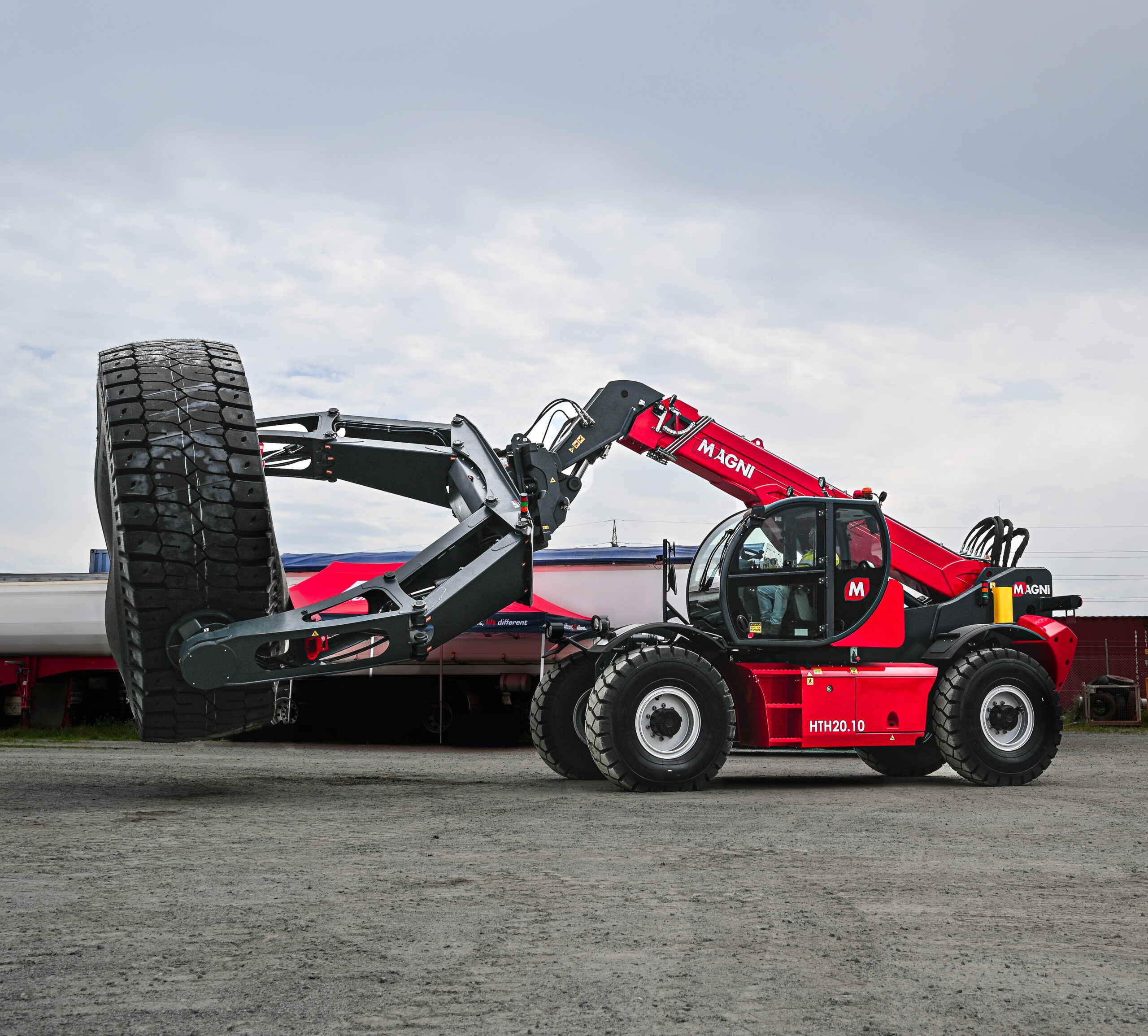
Key models: RTH 6.30 (6.0 t / 30 m) · RTH 5.25 (5.0 t / 25 m) · TH 4.5.19 (4.5 t / 18.8 m)
Strengths
Magni's core strength lies in its specialization in high-performance telehandlers, particularly rotating models with advanced load management systems. The company places strong emphasis on structural design, stability control, and precise load charts, which makes its machines well suited for applications requiring extended reach and controlled lifting at height.
Another defining advantage is Magni's focus on technology. Features such as advanced load moment indicators, automatic stabilization management, and real-time performance monitoring are integral to many Magni models. This technical focus allows operators to work safely and efficiently in scenarios where conventional fixed-boom telehandlers would be insufficient.
- ✓ Strong specialization in rotating and high-reach telehandlers
- ✓ Advanced load management and stability control systems
- ✓ High lift capacities combined with extended working heights
- ✓ Clear positioning in premium, performance-driven applications
Considerations
From a procurement perspective, Magni telehandlers represent a high initial investment, reflecting their technical complexity and performance capabilities. These machines are generally not intended for basic material handling or cost-driven rental applications.
In addition, Magni's dealer and service network, while expanding, is more limited compared with long-established global brands. Buyers should carefully evaluate local service support, operator training availability, and parts logistics when deploying Magni machines outside of core European markets.
- – Premium pricing aligned with high technical specification
- – Over-specified for basic or general material handling tasks
- – Dealer and service coverage varies by region
Best Suited For
Based on market positioning and typical applications, Magni telehandlers are best suited for:
- → Contractors requiring rotating telehandlers for complex lifting operations
- → High-rise construction, industrial installation, and infrastructure projects
- → Buyers prioritizing performance, reach, and load chart capability over cost
Summary
A high-performance Italian specialist focused on rotating and high-reach telehandlers, Magni serves demanding applications where advanced load control, stability, and lifting capability are essential.

Haulotte
France · Founded 1881
Haulotte is a France-based manufacturer best known globally for aerial work platforms and access equipment. Telehandlers represent a complementary part of Haulotte's product portfolio, developed to support construction and industrial material handling applications alongside its core lifting solutions.
Haulotte telehandlers are positioned as robust, site-oriented machines, primarily serving construction projects where reliability, safety, and compatibility with access equipment workflows are important. The company leverages its long-standing experience in working-at-height equipment to emphasize operator safety, machine stability, and standardized operation across job sites.
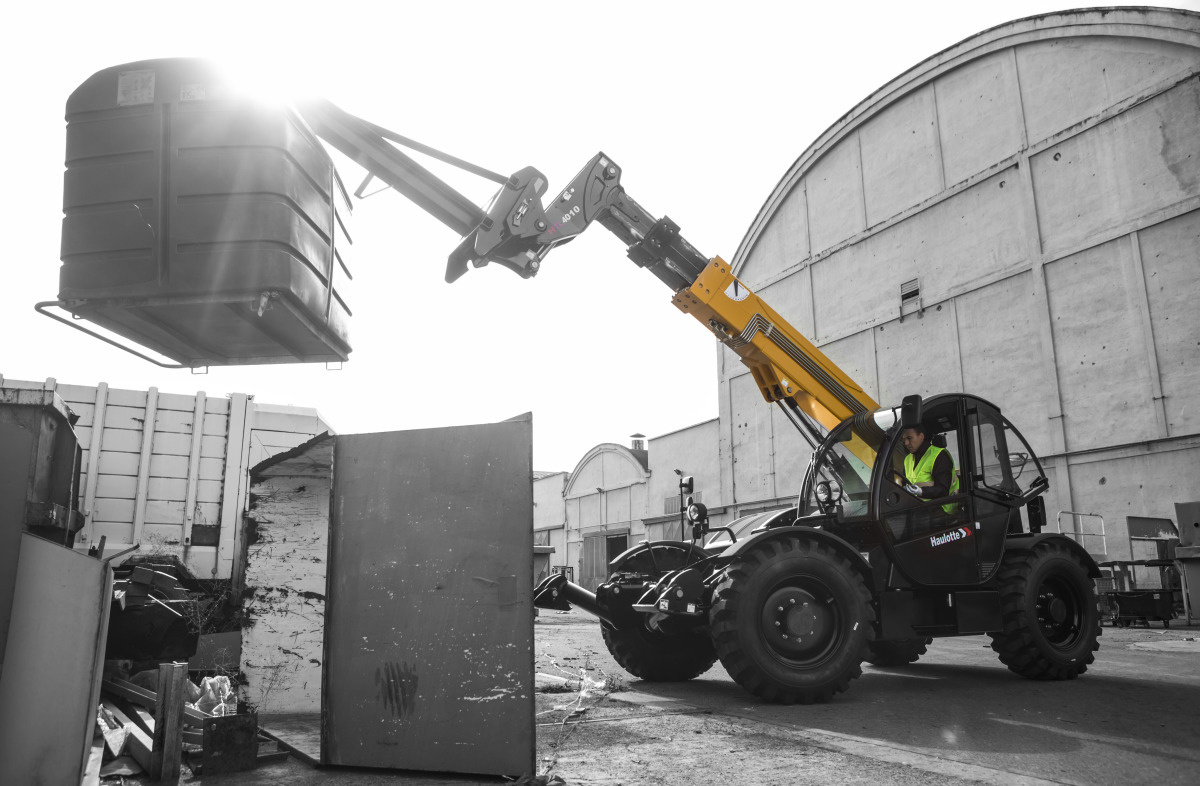
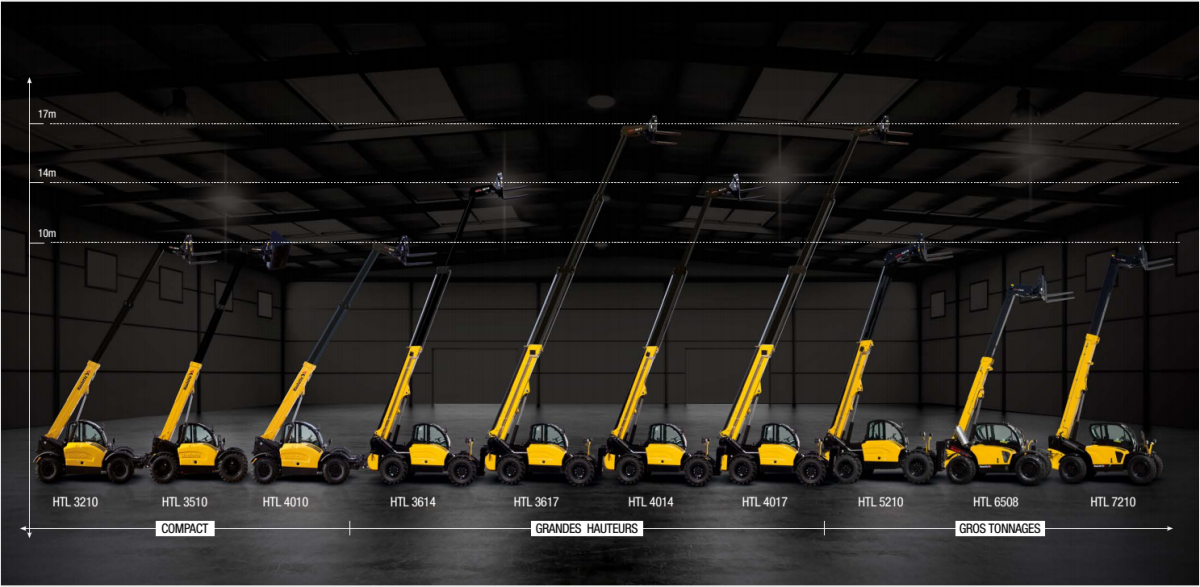
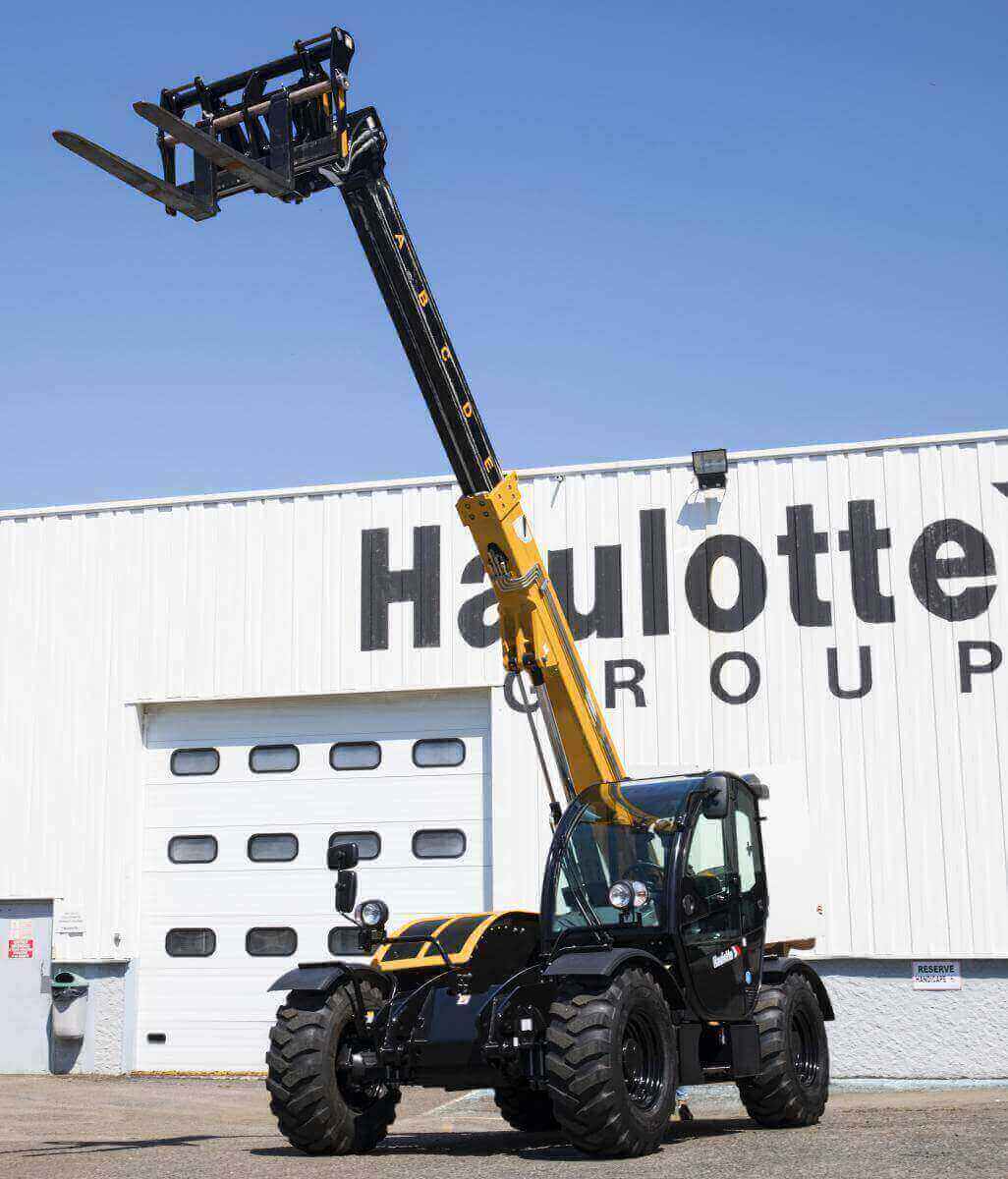
Key models: HTL 4017 (4.0 t / ~17 m) · HTL 3614 (3.6 t / ~14 m) · HTL 3207 (3.2 t / ~7 m)
Strengths
Haulotte's primary strength in the telehandler segment lies in its construction-focused design philosophy. The machines are engineered to perform reliably in typical jobsite conditions, with attention to structural durability, stable load handling, and clear operator visibility. This makes them suitable for daily material handling tasks on medium to large construction sites.
Another advantage is Haulotte's established international dealer network, particularly strong in Europe and regions where Haulotte access equipment is already widely deployed. Buyers operating mixed fleets of aerial platforms and telehandlers benefit from unified service channels, familiar safety standards, and consistent aftersales processes.
- ✓ Solid, construction-oriented machine design
- ✓ Strong safety and stability focus derived from access equipment expertise
- ✓ Established dealer and service presence in many markets
- ✓ Suitable for mixed fleets using Haulotte access platforms
Considerations
From a procurement perspective, Haulotte telehandlers are not positioned as highly specialized machines. The product range focuses on mainstream fixed-boom configurations and does not extend into rotating telehandlers or ultra-high-reach segments.
In addition, compared with manufacturers dedicated primarily to telehandlers, Haulotte offers a more limited range of configurations and attachments. Buyers seeking advanced customization, agricultural-specific designs, or high-performance rotating models may find the available options restrictive.
- – Limited telehandler range compared with specialist manufacturers
- – No rotating telehandler models
- – Less suitable for highly specialized or high-reach lifting applications
Best Suited For
Based on product positioning and typical applications, Haulotte telehandlers are best suited for:
- → Construction contractors requiring reliable, fixed-boom telehandlers
- → Projects already using Haulotte access equipment
- → Buyers prioritizing safety, standardization, and ease of fleet integration
Summary
A French access-equipment specialist offering construction-focused telehandlers, Haulotte provides reliable fixed-boom machines that integrate well into mixed jobsite fleets emphasizing safety and standardization.

TELESCRO
China · Brand established 2025 (factory operation since 2021)
TELESCRO is a China-based telehandler manufacturer established as a brand in 2025, with a production facility that has been in operation for over four years. While the brand itself is relatively new to the international market, the manufacturing operation behind TELESCRO has accumulated practical experience supplying telehandlers for export-oriented applications.
TELESCRO positions itself as a value-focused manufacturer with strong customization capability, serving distributors, contractors, and rental companies seeking cost-effective machines directly from a Chinese factory. The company emphasizes flexible configuration, in-house engineering support, and compliance with international regulatory requirements for global markets.
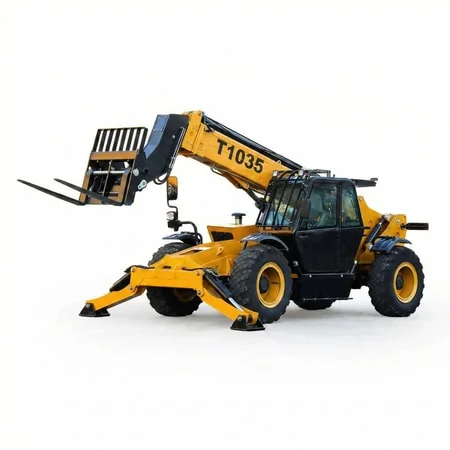
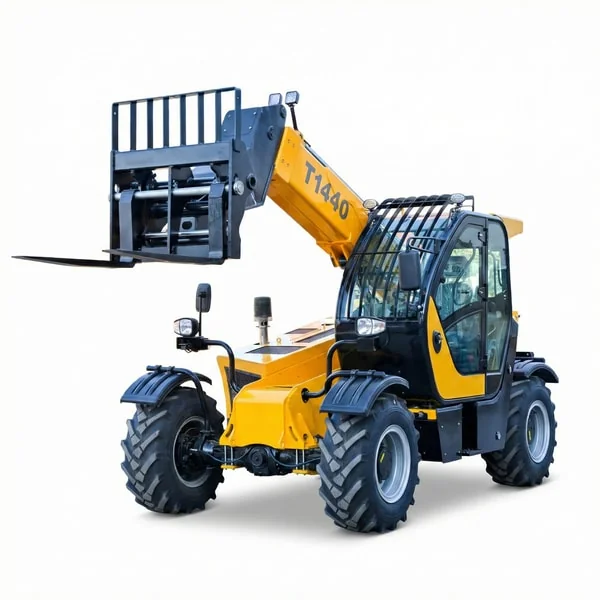
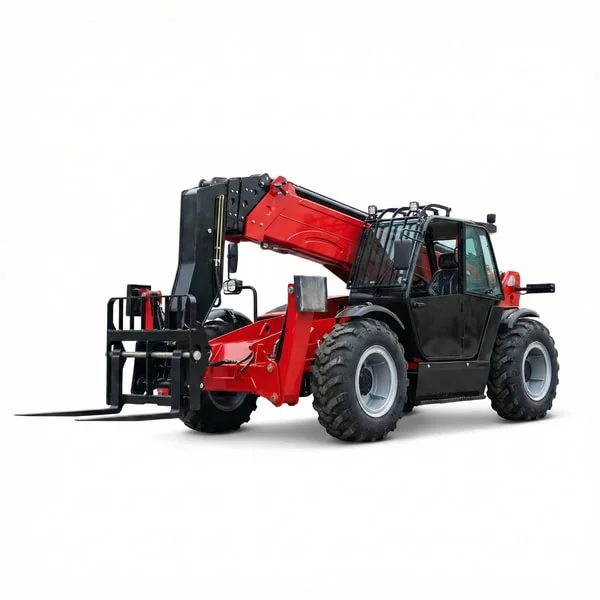
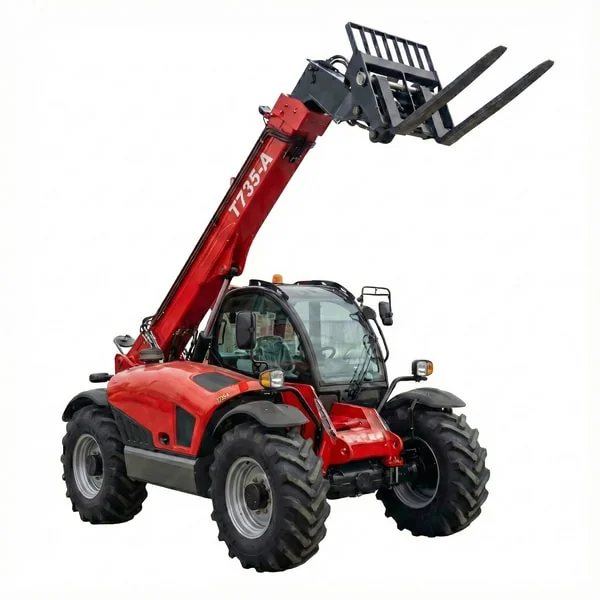
Key models: T1035 · T1440 · T1850 · T3507 · T625-A · T735-A
Product Overview

T3507
T1035
T1440
T1850

T625-A
T735-A
Model Comparison
| Model | Max Capacity | Max Lift Height | Application Focus | Positioning |
|---|---|---|---|---|
| T1035 | ~3.5 t | ~10 m | General construction, material handling | Entry-level, cost-effective fixed-boom model |
| T1440 | ~4.0 t | ~14 m | Construction sites, industrial handling | Mid-range construction telehandler |
| T1850 | ~5.0 t | ~18 m | Heavy construction, large job sites | High-reach, high-capacity construction model |
| T3507 | ~3.5 t | ~7 m | Compact sites, warehouses, mixed use | Compact and maneuverable fixed-boom model |
| T625-A | ~2.5–3.0 t | ~6 m | Agriculture (feed, bale, farm logistics) | Premium agricultural telehandler |
| T735-A | ~3.5 t | ~7 m | Large farms, intensive agricultural operations | High-spec agricultural telehandler |
Strengths
TELESCRO's main strength lies in its high level of customization and cost-performance balance. Unlike established global brands with standardized configurations, TELESCRO offers flexibility in machine specifications, attachments, color schemes, and functional options, making it well suited for distributors and buyers targeting specific regional or application-driven requirements.
Another key advantage is TELESCRO's in-house engineering and R&D capability. The company maintains its own technical team to support product adaptation, regulatory compliance, and continuous design optimization. TELESCRO telehandlers are manufactured to meet CE requirements and are available with EPA-compliant power configurations for applicable markets. Direct factory supply from China allows TELESCRO to maintain competitive pricing while retaining control over production quality, lead times, and configuration management.
- ✓ Strong customization capability for specifications, attachments, and appearance
- ✓ Competitive pricing with direct factory supply
- ✓ In-house R&D and engineering support
- ✓ CE-certified machines with EPA-compliant options
- ✓ Suitable for export-focused distributors and private-label projects
Considerations
As a newly established international brand, TELESCRO currently has limited brand recognition outside its core export markets. The company has not yet built visibility through major international exhibitions, and its global dealer network is still in the early stages of development.
In terms of product scope, TELESCRO focuses on fixed-boom telehandlers within mainstream capacity and reach ranges. Highly specialized segments, such as rotating telehandlers (ROTO-type machines) or ultra-high-end configurations, are not currently part of the product lineup.
- – Limited international brand awareness compared with established global brands
- – No rotating telehandler models available
- – Global dealer and service network still under development
Best Suited For
Based on current positioning and capabilities, TELESCRO telehandlers are best suited for:
- → Distributors seeking customizable telehandlers with strong cost-performance ratios
- → Contractors and rental companies operating in price-sensitive markets
- → Buyers looking for direct factory supply from China with engineering support
- → Projects where regulatory compliance (CE / EPA) is required without premium-brand pricing
Summary
A China-based telehandler manufacturer offering flexible customization, competitive pricing, and direct factory supply, TELESCRO serves buyers who prioritize value, adaptability, and export-ready compliance over established brand recognition.
Dieci
Italy · Founded 1966
Dieci is an Italian manufacturer with a long-standing focus on telehandlers and related material handling equipment. Founded in the mid-1960s and headquartered in Italy, the company has developed a broad telehandler portfolio serving construction, agriculture, industrial handling, and rental markets, with particularly strong recognition in Europe.
Dieci telehandlers are positioned as practical, application-driven machines, balancing solid mechanical design with competitive specification levels. Compared with premium rotating specialists, Dieci emphasizes reliability, versatility, and clear product segmentation rather than extreme technical complexity.
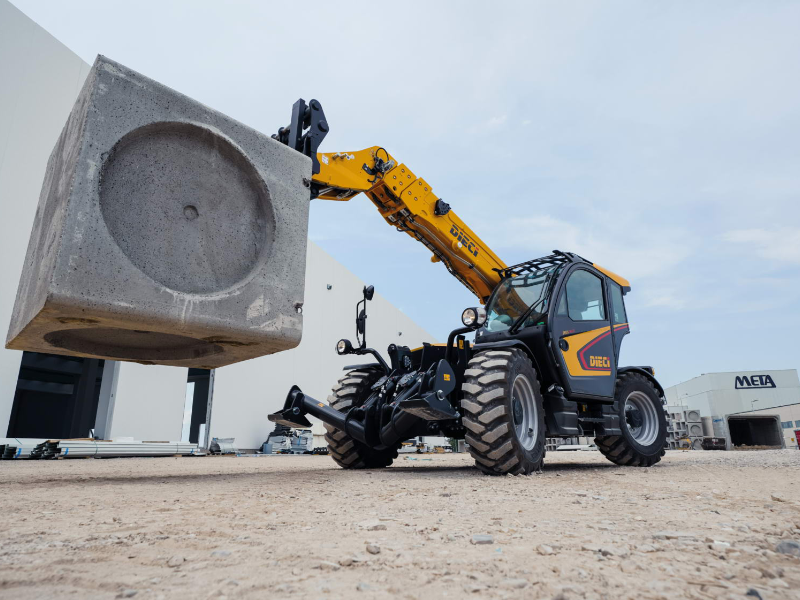
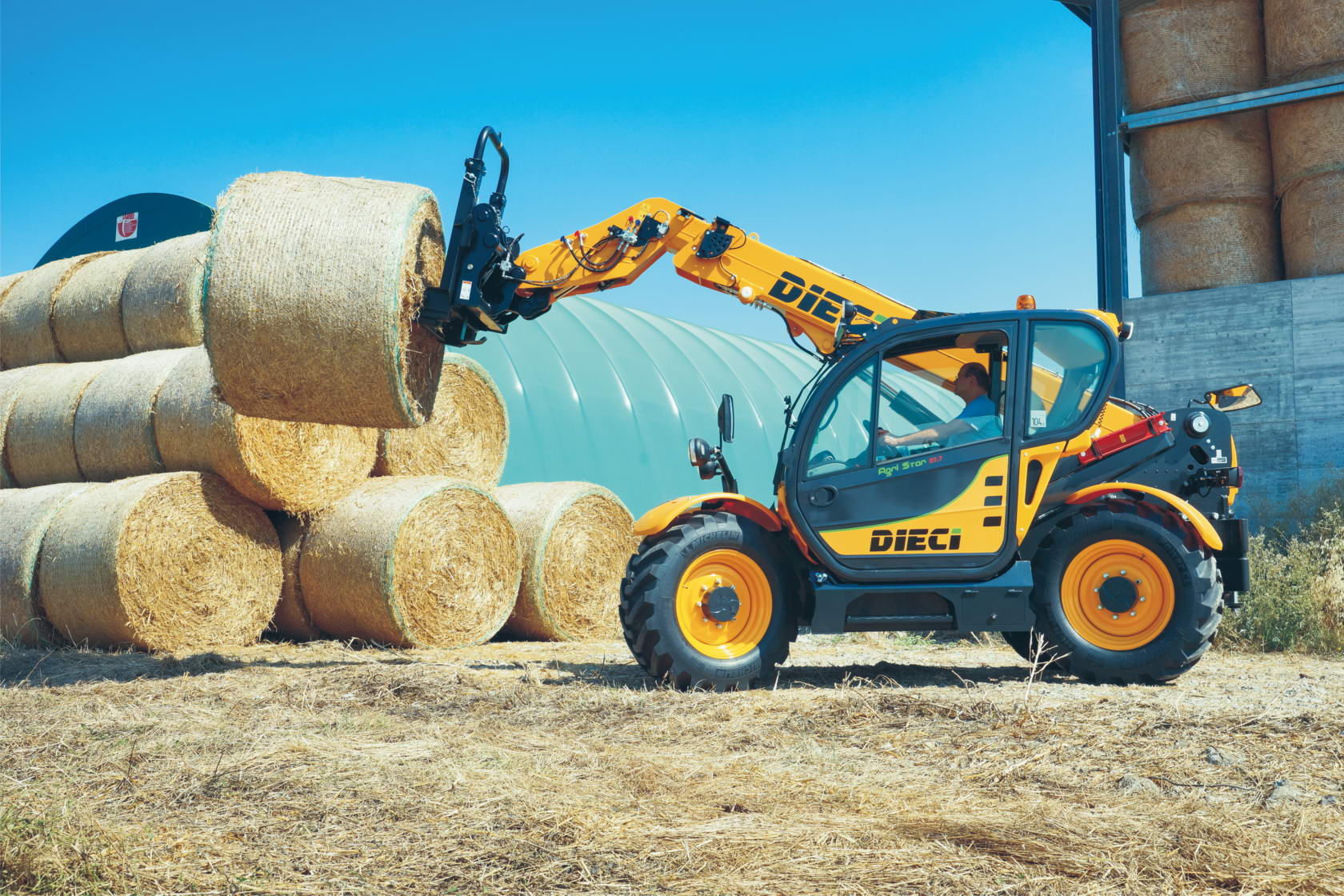
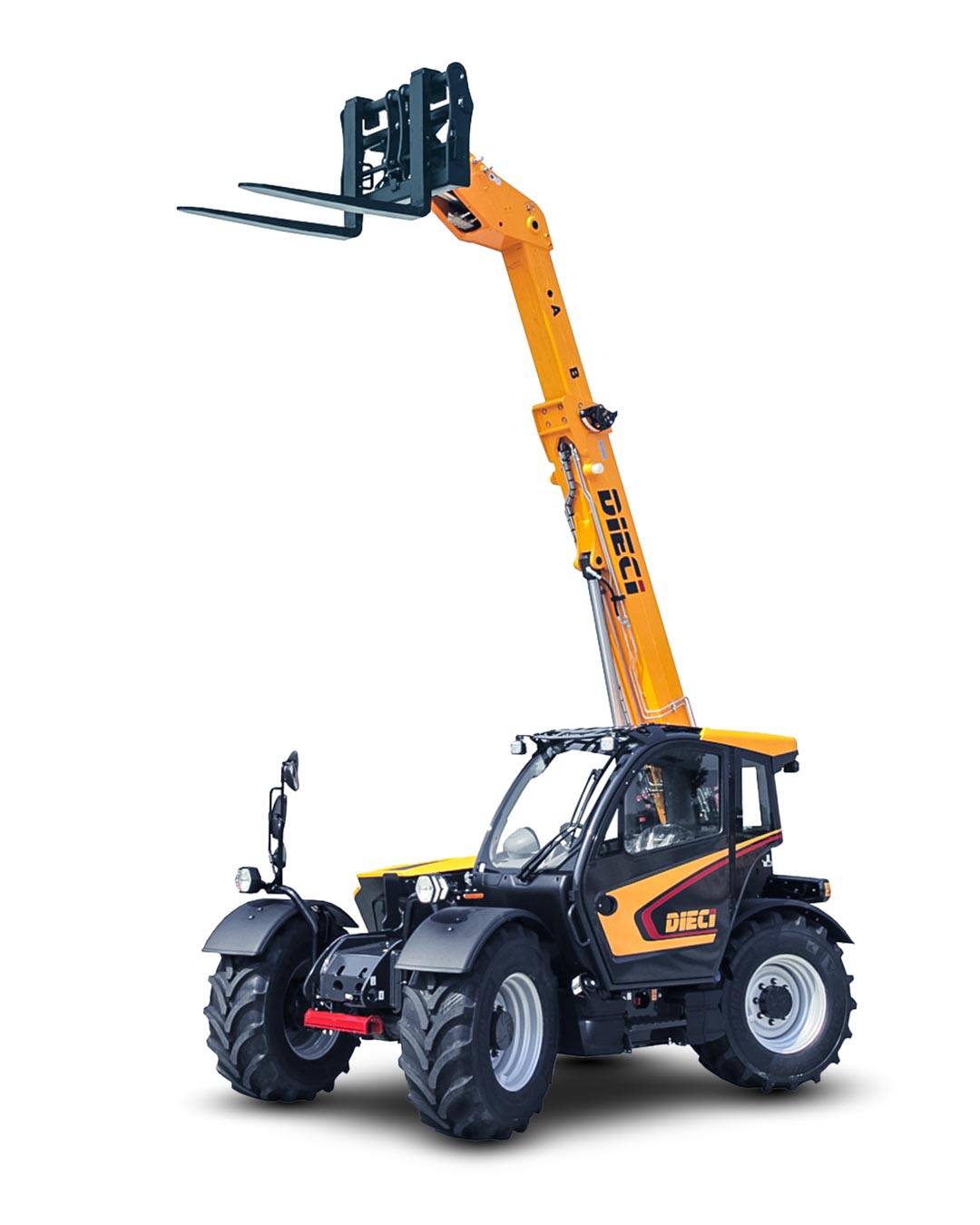
Key models: Agri Star 37.7 (3.7 t / ~7 m) · Zeus 40.13 (4.0 t / ~13 m) · Pegasus 40.18 (4.0 t / 18 m)
Strengths
Dieci's primary strength lies in its clear application-oriented product structure. The brand maintains distinct telehandler lines for agriculture, construction, and rotating applications, which makes machine selection more straightforward for buyers comparing specifications across similar use cases.
In the agricultural segment, Dieci is particularly well regarded for machines optimized for daily farm operations, offering good visibility, maneuverability, and attachment compatibility. In addition, Dieci telehandlers are generally perceived as mechanically robust and relatively easy to maintain, which supports their use in mixed fleets and rental environments.
- ✓ Clear product segmentation for agriculture, construction, and rotating use
- ✓ Strong presence in agricultural telehandler applications
- ✓ Mechanically robust design with practical feature sets
- ✓ Competitive balance between specification and cost
Considerations
From a procurement perspective, Dieci telehandlers are not positioned at the extreme high end of the rotating or high-reach market. While the Pegasus rotating range addresses many professional needs, it does not aim to compete directly with the most specialized high-performance rotating brands.
Dealer and service coverage is strongest in Europe and selected international markets. Buyers operating in regions with limited Dieci representation should assess local parts availability and service support during the evaluation process.
- – Rotating range less specialized than premium high-end competitors
- – Dealer and service coverage varies by region
- – Fewer advanced automation features compared with top-tier rotating specialists
Best Suited For
Based on market positioning and typical usage patterns, Dieci telehandlers are best suited for:
- → Agricultural operations requiring purpose-built farm telehandlers
- → Construction projects needing reliable fixed-boom machines
- → Buyers seeking rotating telehandlers without premium-brand pricing
- → Rental fleets valuing mechanical simplicity and versatility
Summary
An established Italian manufacturer offering application-focused telehandlers, Dieci provides practical solutions across agriculture, construction, and rotating segments with a balanced approach to performance, reliability, and cost.

SkyTrak
United States · Founded 1970s (brand heritage)
SkyTrak is a U.S.-origin telehandler brand widely recognized in the North American construction and rental market. The brand is historically associated with rough-terrain telehandlers designed for straightforward jobsite material handling, and it has become a familiar name within rental fleets and contractor-owned equipment in the United States and Canada.
SkyTrak telehandlers are positioned as simple, rugged, and rental-oriented machines. Rather than offering a broad or highly specialized product range, SkyTrak focuses on core fixed-boom telehandlers optimized for reliability, ease of operation, and low complexity on busy construction sites.
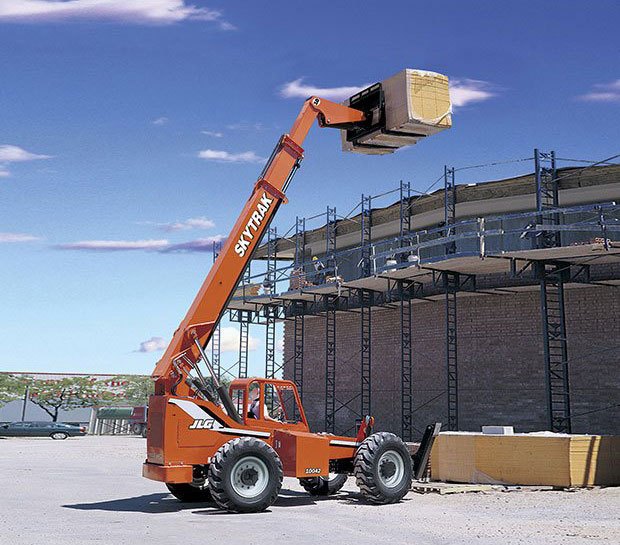
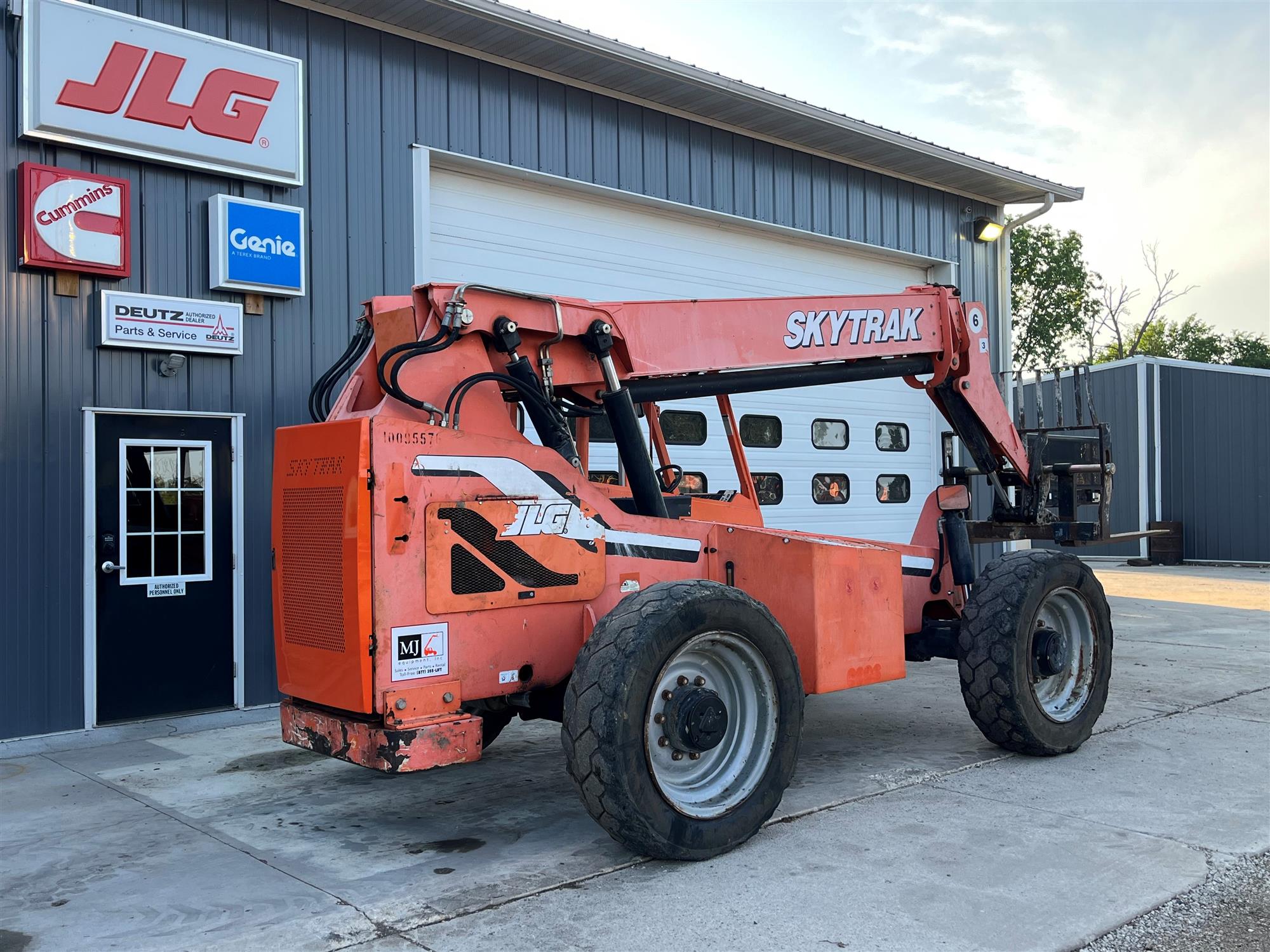
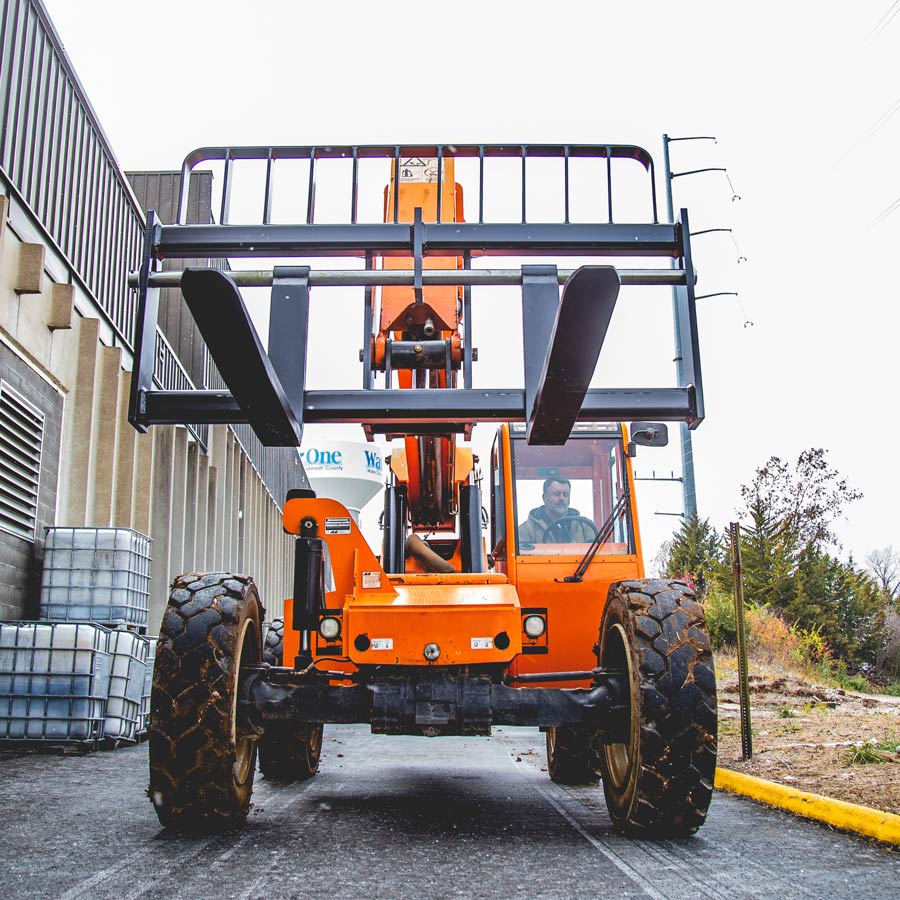
Key models: 6036 (2.7 t / ~11 m) · 8042 (3.6 t / ~12.8 m) · 10054 (4.5 t / ~16.5 m)
Strengths
SkyTrak's main strength lies in its focus on practical, no-nonsense telehandlers for construction environments. The machines are designed with straightforward controls, robust chassis construction, and clear sightlines, making them easy to operate for a wide range of users with varying experience levels.
In the rental market, SkyTrak telehandlers are valued for their mechanical simplicity and predictable behavior. Fewer complex electronic systems and standardized configurations help reduce downtime and simplify fleet maintenance. In regions where SkyTrak is well established, parts availability and service familiarity further reinforce its position as a dependable rental workhorse.
- ✓ Simple, rugged design suited to construction sites
- ✓ Strong recognition in North American rental fleets
- ✓ Easy operation with minimal operator learning curve
- ✓ Proven reliability for general material handling tasks
Considerations
From a procurement standpoint, SkyTrak telehandlers are not designed for specialized or high-end applications. The product range is limited to fixed-boom configurations and does not include rotating telehandlers, agricultural-specific models, or highly customized variants.
Outside North America, SkyTrak's brand presence and dealer network are more limited compared with global manufacturers. Buyers in other regions should carefully assess local service support and parts logistics before committing to the brand.
- – Limited product range focused on fixed-boom models
- – No rotating or agricultural-specialized telehandlers
- – Brand recognition and support strongest in North America
Best Suited For
Based on market positioning and typical usage, SkyTrak telehandlers are best suited for:
- → Rental companies serving general construction markets
- → Contractors requiring simple, reliable material handling machines
- → Projects where ease of operation and durability are prioritized over specialization
- → Buyers operating primarily in North America
Summary
A North American telehandler brand known for rugged, rental-friendly machines, SkyTrak focuses on simple, reliable fixed-boom telehandlers for everyday construction site material handling.

Liebherr
Germany/Switzerland · Founded 1949
Liebherr is a German-Swiss multinational equipment manufacturer founded in 1949 by Hans Liebherr. The group is headquartered in Bulle, Switzerland, and operates globally across multiple heavy equipment divisions.
Within telehandlers, Liebherr positions its machines as industrial and material-handling focused telescopic handlers, commonly associated with applications such as waste management, timber, and yard/stockpile handling where high hydraulic performance and efficient space utilization are valued.
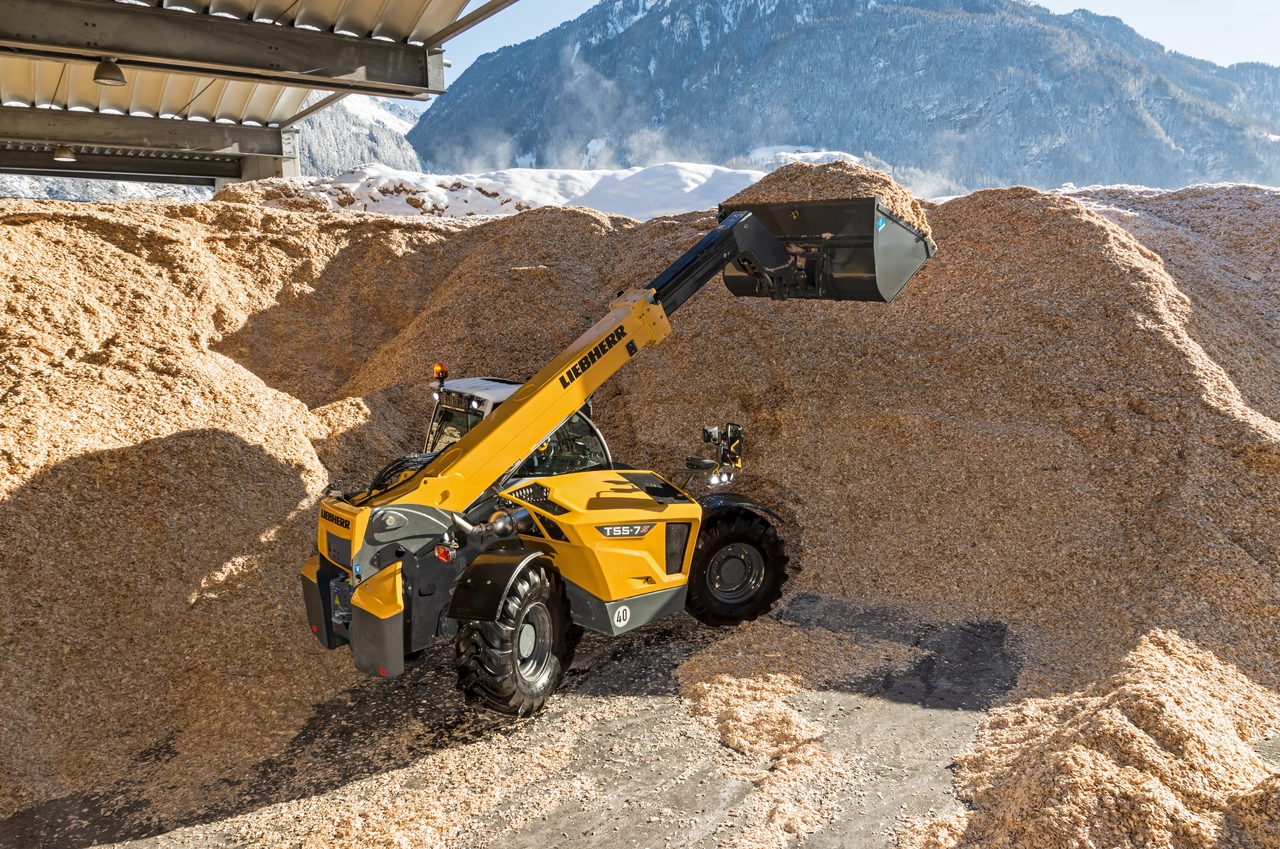
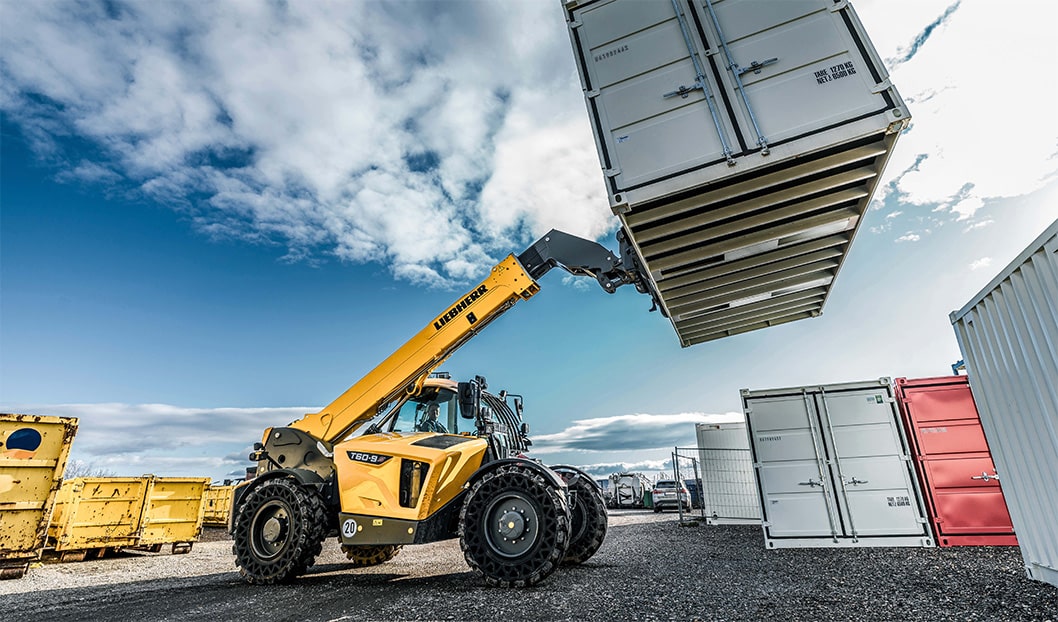

Key models: T 46-7s · T 55-7s · T 60-9s
Strengths
Liebherr's primary strength in the telehandler segment is its material-handling oriented design approach. The official Liebherr telehandler range highlights strong operating hydraulics and efficient handling in storage and stockpile environments, which aligns with industrial yards and high-throughput handling tasks.
The current telescopic handler lineup is clearly defined and specification-driven. For example, the T 60-9s is rated at 6,000 kg maximum lift capacity with 8,780 mm maximum lift height, and features a high hydraulic pump flow specification on the product page—figures that reflect a focus on productivity in material handling workflows.
- ✓ Strong positioning for industrial/material-handling applications
- ✓ High-capacity machines designed for intensive stockpile and yard work
- ✓ Clear, tightly scoped product lineup with published technical data
- ✓ Backed by a large global equipment group with established infrastructure
Considerations
From a procurement perspective, Liebherr's telescopic handler range is more concentrated than brands that cover a wide spectrum of construction telehandlers (compact site machines through to multiple high-reach variants). The official product listing for telescopic handlers shows a limited number of models in this category, reflecting a focused approach rather than broad coverage.
Liebherr telehandlers are also frequently associated with industrial material handling use cases rather than being positioned primarily as general-purpose construction telehandlers. For buyers whose priority is compact maneuvering on dense construction sites or broad rental-fleet standardization, other brands may offer wider construction-oriented model families.
- – Narrower telehandler lineup than broad-spectrum telehandler specialists
- – Stronger fit for industrial/material handling workflows than "one-size-fits-all" construction fleets
- – Model availability and dealer coverage may vary by country/region
Best Suited For
Based on product positioning and published application focus, Liebherr telehandlers are best suited for:
- → Waste management, recycling, and compost operations
- → Timber, biomass, and yard handling environments
- → Industrial material handling where high hydraulic performance and efficient stacking/stockpiling are priorities
Summary
A global equipment group offering a focused telescopic handler lineup with strong material-handling positioning, Liebherr is most aligned with high-throughput industrial yard and stockpile applications rather than broad construction telehandler coverage.

SANY
China · Founded 1989
SANY is a Chinese multinational construction equipment manufacturer with a broad global footprint across concrete machinery, cranes, earthmoving equipment, and port machinery. Telehandlers form a relatively new but growing product segment within SANY's overall portfolio, developed primarily to complement its construction equipment offering in both domestic and export markets.
SANY telehandlers are positioned as modern, specification-driven machines, targeting buyers who seek contemporary design, competitive pricing, and compliance with international standards. The brand leverages its large-scale manufacturing capability and global supply chain to support telehandler production alongside its core equipment lines.
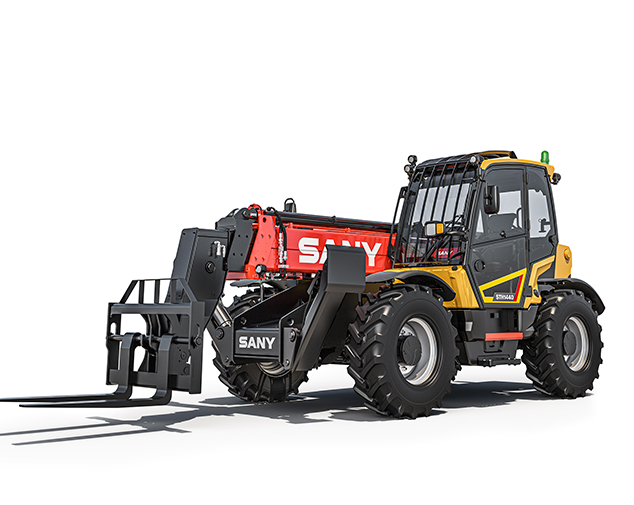

Key models: STH742 · STH844 · STH1056 (model availability varies by market)
Strengths
SANY's primary strength in the telehandler segment lies in its manufacturing scale and cost-performance balance. As a large global equipment group, SANY applies standardized production processes, modern assembly lines, and centralized sourcing to deliver telehandlers with competitive specifications at accessible price points.
Another notable advantage is the brand's international compliance and export readiness. SANY telehandlers are developed to meet CE and other regional regulatory requirements, making them suitable for a wide range of international markets. In addition, SANY's expanding global dealer network—already well established for other equipment categories—supports aftersales service and parts availability in many regions.
- ✓ Competitive pricing supported by large-scale manufacturing
- ✓ Modern machine design with contemporary operator cabs
- ✓ Compliance with international standards for export markets
- ✓ Access to an expanding global dealer and service network
Considerations
From a procurement perspective, SANY telehandlers are not as mature as those from manufacturers with decades of dedicated telehandler specialization. The product range is still developing, and long-term field data for certain models may be more limited compared with long-established telehandler brands.
In addition, while SANY's dealer coverage is strong for cranes and earthmoving equipment, telehandler-specific service experience can vary by region. Buyers may need to evaluate local technical familiarity and spare parts stocking for telehandlers separately from other SANY equipment lines.
- – Telehandler range still developing compared with specialist brands
- – Shorter market track record in telehandlers than established competitors
- – Telehandler-specific service experience varies by region
Best Suited For
Based on current positioning and market adoption, SANY telehandlers are best suited for:
- → Construction contractors seeking cost-effective telehandlers from a global brand
- → Buyers operating in markets where SANY already has strong dealer presence
- → Projects requiring modern specifications without premium-brand pricing
- → Fleets standardizing across multiple SANY equipment categories
Summary
A global Chinese construction equipment manufacturer extending into telehandlers, SANY offers competitively positioned machines with modern design and export-ready compliance, suited to buyers prioritizing value and brand scale over long telehandler specialization.

New Holland
Italy / Netherlands · Founded 1895 (brand heritage)
New Holland is a globally recognized agricultural machinery brand with more than a century of history. As part of CNH Industrial, the brand has a strong presence across tractors, harvesters, and agricultural handling equipment. Telehandlers are a well-established part of New Holland's agricultural product portfolio, developed primarily to serve farming and agri-logistics applications.
New Holland telehandlers are positioned as agriculture-focused machines, emphasizing daily farm usability, visibility, and attachment versatility. Compared with construction-oriented telehandler brands, New Holland places greater emphasis on operator comfort, continuous duty cycles, and integration with agricultural workflows.
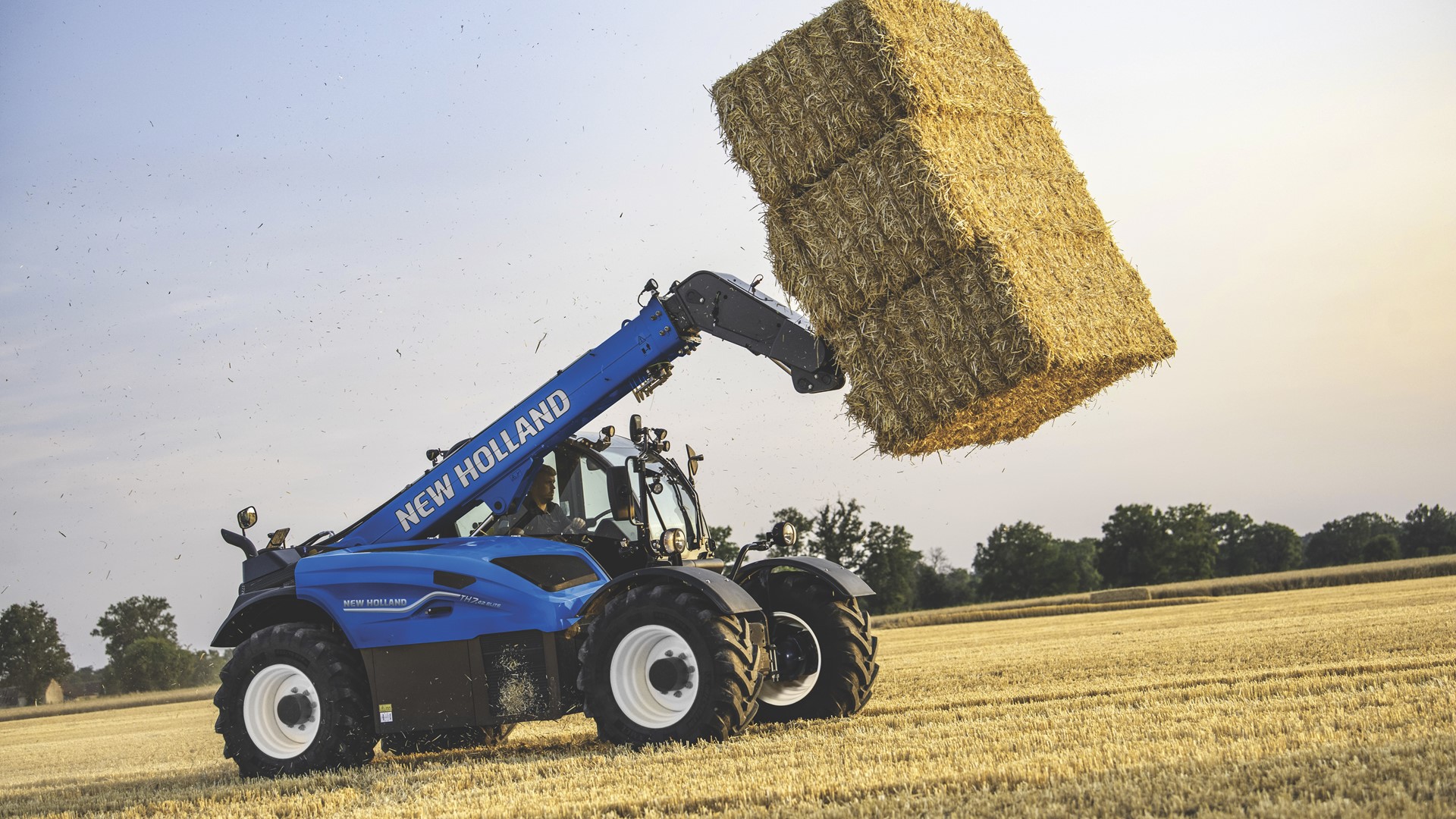
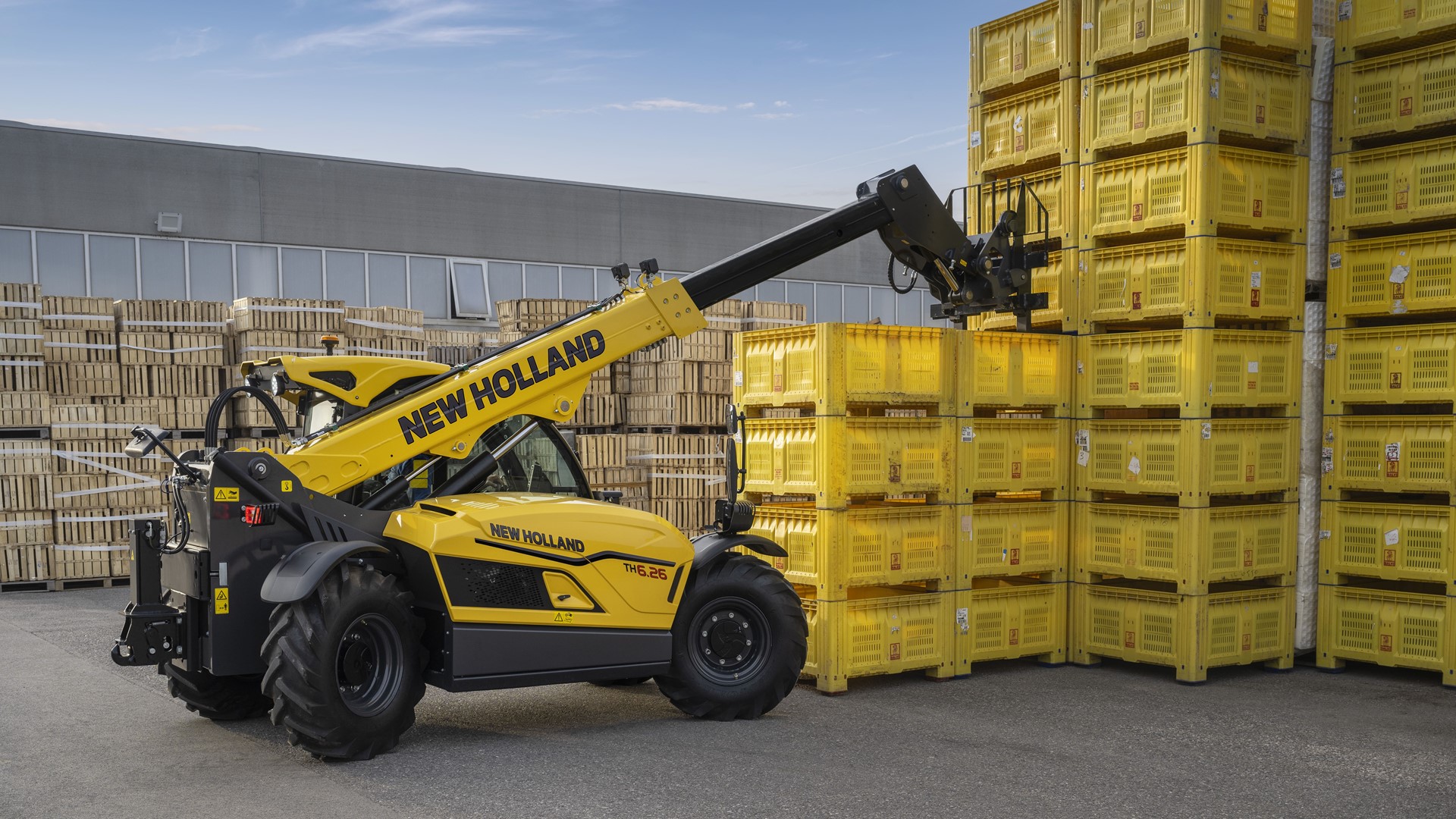
Key models: TH6.26 (2.6 t / ~6 m) · TH7.32 (3.2 t / ~7 m) · TH9.35 (3.5 t / ~9 m)
Strengths
New Holland's primary strength in the telehandler segment lies in its deep agricultural specialization. The machines are designed around typical farm tasks such as bale handling, feed loading, pallet movement, and general yard logistics. Features such as good all-round visibility, smooth transmission behavior, and attachment compatibility support long working hours in agricultural environments.
Another advantage is New Holland's extensive agricultural dealer network, which is well established in Europe and many global farming regions. For buyers already operating New Holland tractors or harvesters, telehandlers can be integrated into existing service relationships and parts supply channels, simplifying fleet management.
- ✓ Strong focus on agricultural applications and farm workflows
- ✓ Comfortable operator environment for long operating hours
- ✓ Broad agricultural attachment compatibility
- ✓ Well-developed dealer and service network in farming regions
Considerations
From a procurement perspective, New Holland telehandlers are not designed as general-purpose construction machines. While they are capable of handling typical construction tasks, their design priorities favor agricultural use rather than heavy construction or industrial material handling.
The product range does not extend into rotating telehandlers or very high-reach, high-capacity segments. Buyers requiring specialized lifting solutions for complex construction or industrial projects may need to consider brands with a broader telehandler focus.
- – Primarily agriculture-oriented design
- – No rotating telehandler models
- – Limited coverage of heavy construction or high-reach segments
Best Suited For
Based on product positioning and typical use cases, New Holland telehandlers are best suited for:
- → Farms and agricultural cooperatives
- → Agri-logistics and feed handling operations
- → Buyers already operating New Holland agricultural equipment
- → Applications requiring reliable daily material handling rather than specialized lifting
Summary
A long-established agricultural machinery brand offering farm-focused telehandlers, New Holland provides practical, comfortable machines optimized for agricultural handling rather than heavy construction or specialized lifting.

XCMG
China · Founded 1943
XCMG is one of China's largest construction machinery manufacturers, with a broad global presence across cranes, earthmoving equipment, road machinery, and industrial equipment. Telehandlers are part of XCMG's expanding product portfolio, developed to support construction, industrial handling, and export-oriented applications.
XCMG telehandlers are positioned as value-driven machines from a large-scale manufacturer, targeting buyers who prioritize competitive pricing, standardized specifications, and availability from a globally recognized Chinese brand. The telehandler range is designed to complement XCMG's broader construction equipment ecosystem rather than operate as a standalone specialist line.

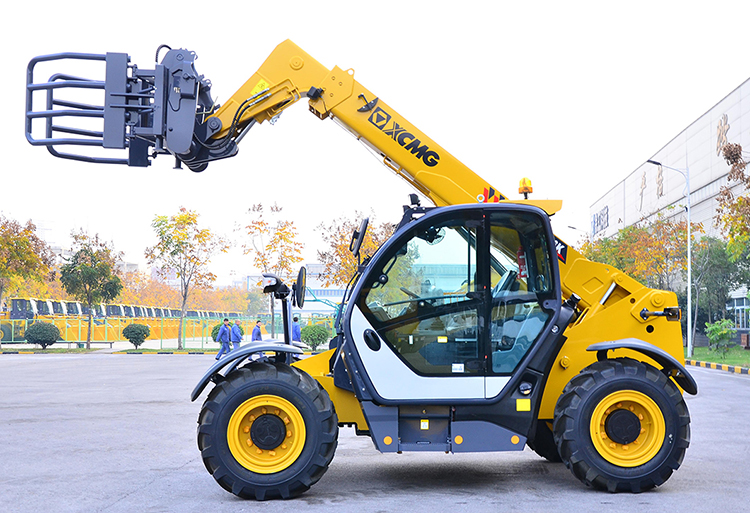

Key models: XC6-3007 · XC6-3514 · XC6-4517 (model availability varies by market)
Strengths
XCMG's primary strength in the telehandler segment lies in its manufacturing scale and cost-performance balance. As a high-volume equipment producer, XCMG leverages centralized sourcing, standardized components, and mature production systems to deliver telehandlers with competitive specifications at accessible price points.
Another notable advantage is the brand's export capability and compliance readiness. XCMG telehandlers are developed with international markets in mind and are available in configurations aligned with CE and other regional requirements. In markets where XCMG already has established dealer networks for cranes or earthmoving equipment, telehandler buyers can benefit from existing parts logistics and service infrastructure.
- ✓ Competitive pricing supported by large-scale manufacturing
- ✓ Standardized, export-oriented machine specifications
- ✓ Broad international market presence as a global Chinese brand
- ✓ Access to existing XCMG dealer and service networks
Considerations
From a procurement perspective, XCMG telehandlers are less specialized than products from manufacturers focused exclusively on telescopic handlers. The range concentrates on mainstream fixed-boom models and does not extend into rotating telehandlers or highly specialized application niches.
In addition, while XCMG's global footprint is extensive, telehandler-specific service experience can vary by region. Buyers may need to confirm local technical familiarity, parts stocking, and aftersales support specific to telehandlers rather than relying solely on the brand's overall equipment presence.
- – Limited specialization compared with dedicated telehandler brands
- – No rotating telehandler models
- – Telehandler service experience varies by market
Best Suited For
Based on current positioning and typical use cases, XCMG telehandlers are best suited for:
- → Construction contractors seeking cost-effective telehandlers from a major manufacturer
- → Buyers operating in markets where XCMG already has strong dealer coverage
- → Projects requiring standardized specifications and export-ready compliance
- → Fleets aligning telehandlers with other XCMG construction equipment
Summary
A large global construction machinery manufacturer offering competitively positioned telehandlers, XCMG serves buyers who prioritize value, standardization, and brand scale over specialized telehandler-focused design.
Case IH
United States · Founded 1842 (brand heritage)
Case IH is a globally recognized agricultural machinery brand with a long-standing history in farm equipment manufacturing. As part of CNH Industrial, Case IH has a strong presence across tractors, harvesters, and agricultural implements. Telehandlers are an established component of the brand's agricultural offering, marketed primarily under the Farmlift series.
Case IH telehandlers are positioned as agriculture-first machines, developed to support daily farm operations such as material handling, bale stacking, feed loading, and general yard logistics. Compared with construction-oriented telehandler brands, Case IH emphasizes operator comfort, continuous-duty usability, and compatibility with agricultural workflows.
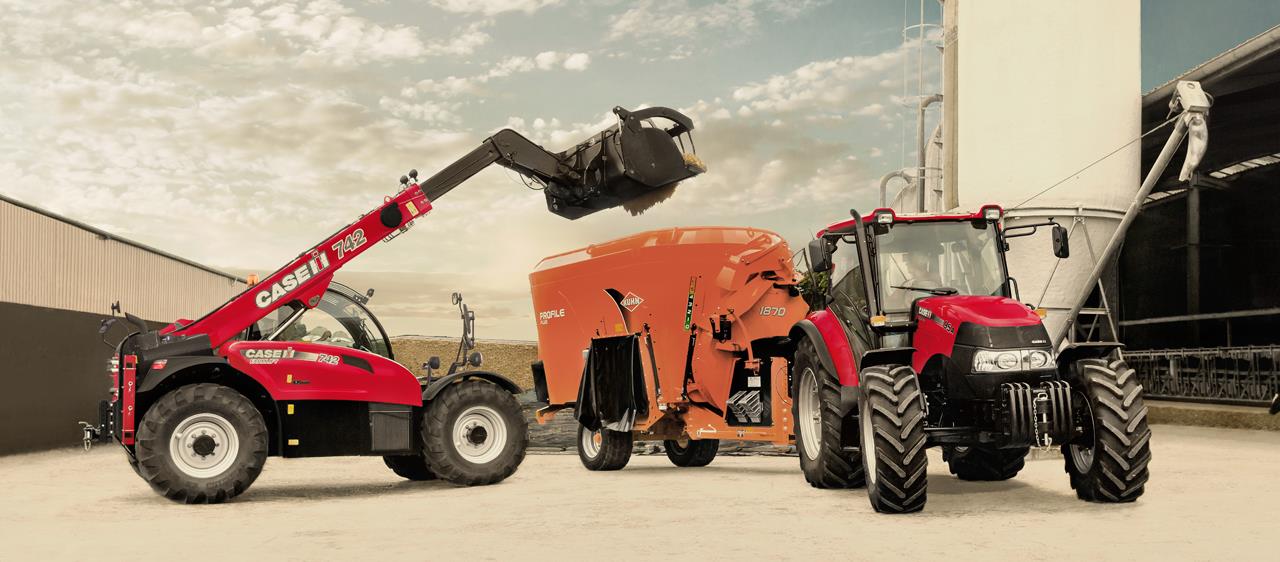
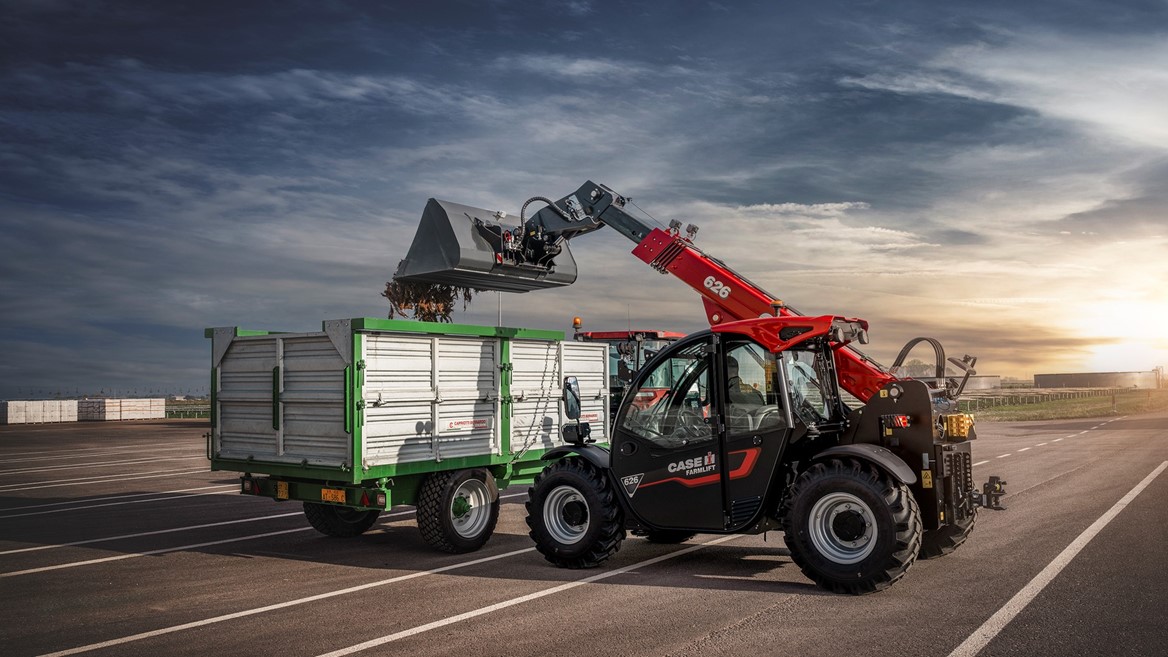
Key models: Farmlift 526 (2.6 t / ~6 m) · Farmlift 633 (3.3 t / ~6.9 m) · Farmlift 742 (4.2 t / ~7 m)
Strengths
Case IH's primary strength in the telehandler segment lies in its deep agricultural specialization. Farmlift telehandlers are designed around typical farm workflows, with features that support long operating hours, frequent attachment changes, and repetitive handling tasks common in agricultural environments.
Another advantage is Case IH's extensive global agricultural dealer network, particularly strong in Europe, North America, and major farming regions worldwide. For buyers already operating Case IH tractors or harvesters, telehandlers can be integrated into existing service, parts, and support structures, simplifying fleet management.
- ✓ Strong focus on agricultural applications and farm logistics
- ✓ Comfortable operator environment for extended daily use
- ✓ Broad compatibility with agricultural attachments
- ✓ Well-established dealer and service network in farming markets
Considerations
From a procurement perspective, Case IH telehandlers are not positioned as multi-purpose construction machines. While capable of handling light construction tasks, their design priorities clearly favor agricultural use rather than heavy-duty construction or industrial material handling.
The product range does not include rotating telehandlers or high-reach construction-focused models. Buyers requiring specialized lifting solutions or complex construction applications may need to consider brands with broader telehandler specialization.
- – Agriculture-oriented design limits construction versatility
- – No rotating telehandler models
- – Limited coverage of high-reach or heavy construction segments
Best Suited For
Based on product positioning and typical use cases, Case IH telehandlers are best suited for:
- → Farms and agricultural cooperatives
- → Livestock operations and feed handling facilities
- → Buyers already operating Case IH agricultural equipment
- → Applications requiring reliable daily material handling rather than specialized lifting
Summary
A long-established agricultural machinery brand offering farm-focused telehandlers, Case IH provides practical, comfortable machines optimized for agricultural handling rather than heavy construction or specialized lifting applications.

Kramer
Germany · Founded 1925
Kramer is a German equipment manufacturer known for compact loaders and telehandlers, operating as part of the Wacker Neuson Group. The brand has a long-standing presence in European construction and agricultural equipment markets, with a strong reputation for build quality, compact design, and mechanical reliability.
Kramer telehandlers are positioned as compact, precision-oriented machines, with a clear focus on agricultural, municipal, and light construction applications. Compared with high-reach or heavy-duty telehandler specialists, Kramer emphasizes maneuverability, stability, and efficiency in confined working environments.


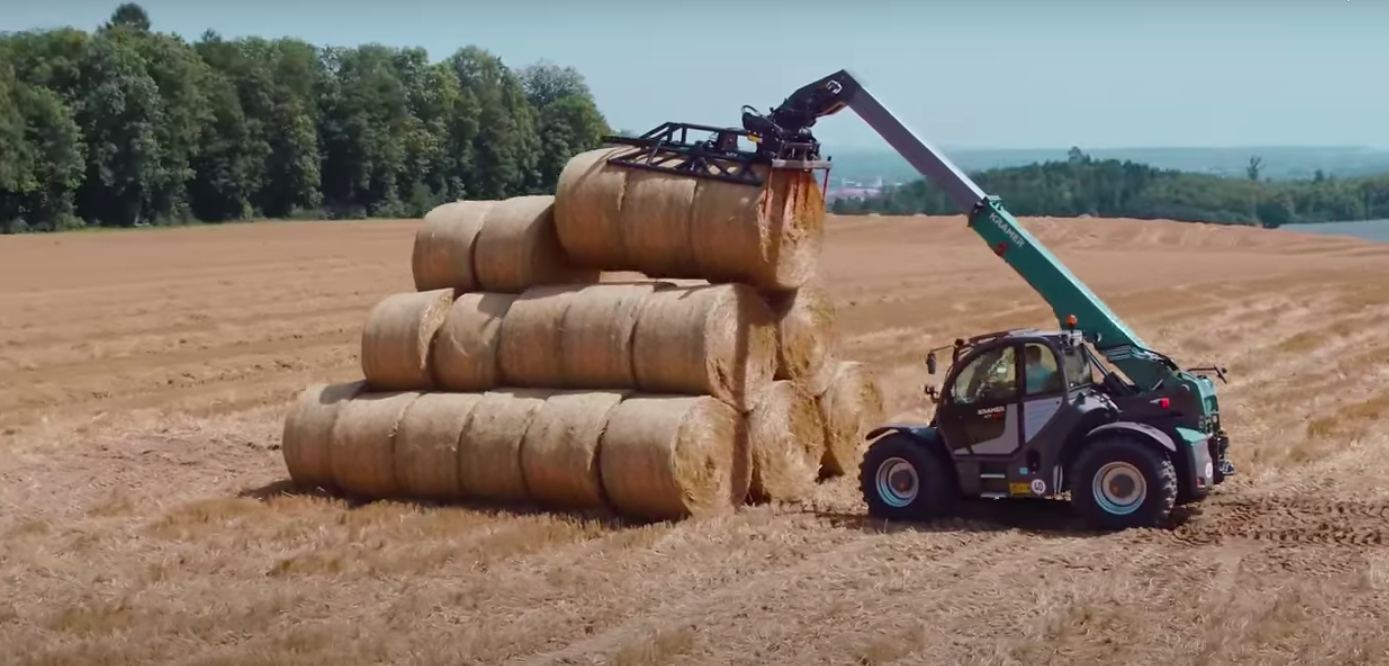
Key models: KT 276 (2.7 t / ~6 m) · KT 356 (3.5 t / ~6 m) · KT 407 (4.0 t / ~7 m)
Strengths
Kramer's primary strength in the telehandler segment lies in its compact engineering approach and precise machine control. The telehandlers are designed to operate efficiently in tight farmyards, livestock facilities, and urban job sites, where space constraints and maneuverability are critical factors.
Another notable advantage is Kramer's mechanical simplicity and build quality, consistent with German manufacturing standards. The machines are generally perceived as durable, easy to maintain, and well suited for daily use in agricultural operations that require reliable handling rather than extreme reach or lifting capacity.
- ✓ Compact design ideal for confined agricultural and municipal environments
- ✓ Strong build quality and mechanical reliability
- ✓ Good operator visibility and precise control
- ✓ Well integrated within the Wacker Neuson Group support structure
Considerations
From a procurement perspective, Kramer telehandlers are not designed for heavy-duty or high-reach applications. The product range focuses on compact to mid-range fixed-boom models and does not include rotating telehandlers or large construction-oriented configurations.
In addition, Kramer's brand presence and dealer network are strongest in Europe. Buyers outside core European markets should evaluate local availability, parts support, and service capability when considering Kramer telehandlers.
- – Limited lift height and capacity compared with larger telehandler brands
- – No rotating telehandler models
- – Strongest market presence in Europe
Best Suited For
Based on product positioning and typical use cases, Kramer telehandlers are best suited for:
- → Agricultural operations with space-restricted farmyards
- → Municipal and light construction projects
- → Buyers prioritizing compact size, maneuverability, and build quality
- → Fleets already supported by Wacker Neuson Group dealers
Summary
A German manufacturer specializing in compact, high-quality telehandlers, Kramer serves agricultural and light construction users who prioritize maneuverability, precision, and durability over extreme reach or lifting capacity.

JLG
United States · Founded 1969
JLG is a U.S.-based manufacturer globally recognized for access equipment such as boom lifts and scissor lifts. Telehandlers are an established part of JLG's product portfolio, developed primarily to serve construction and rental markets alongside its core lifting solutions. JLG is part of Oshkosh Corporation, which provides industrial backing and global operational support.
JLG telehandlers are positioned as construction-focused, fleet-oriented machines, designed for reliability, standardized operation, and compatibility with rental and contractor environments. The product range emphasizes fixed-boom telehandlers suited to general construction material handling rather than highly specialized lifting applications.
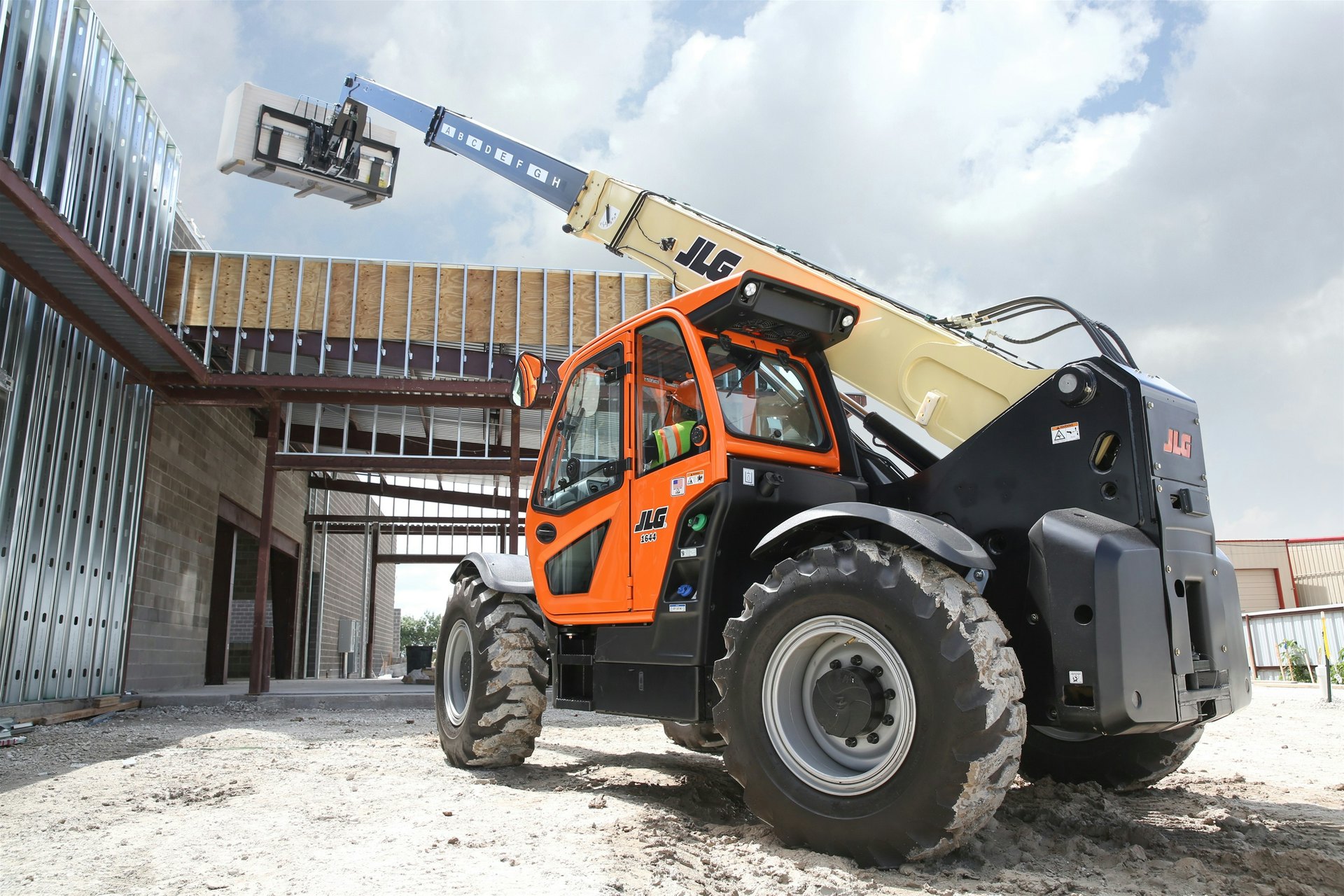
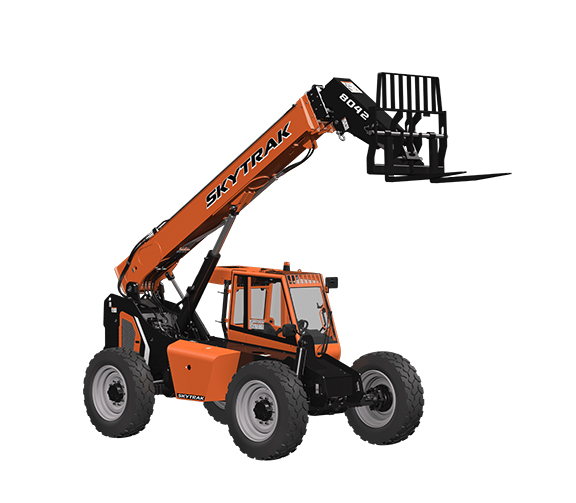
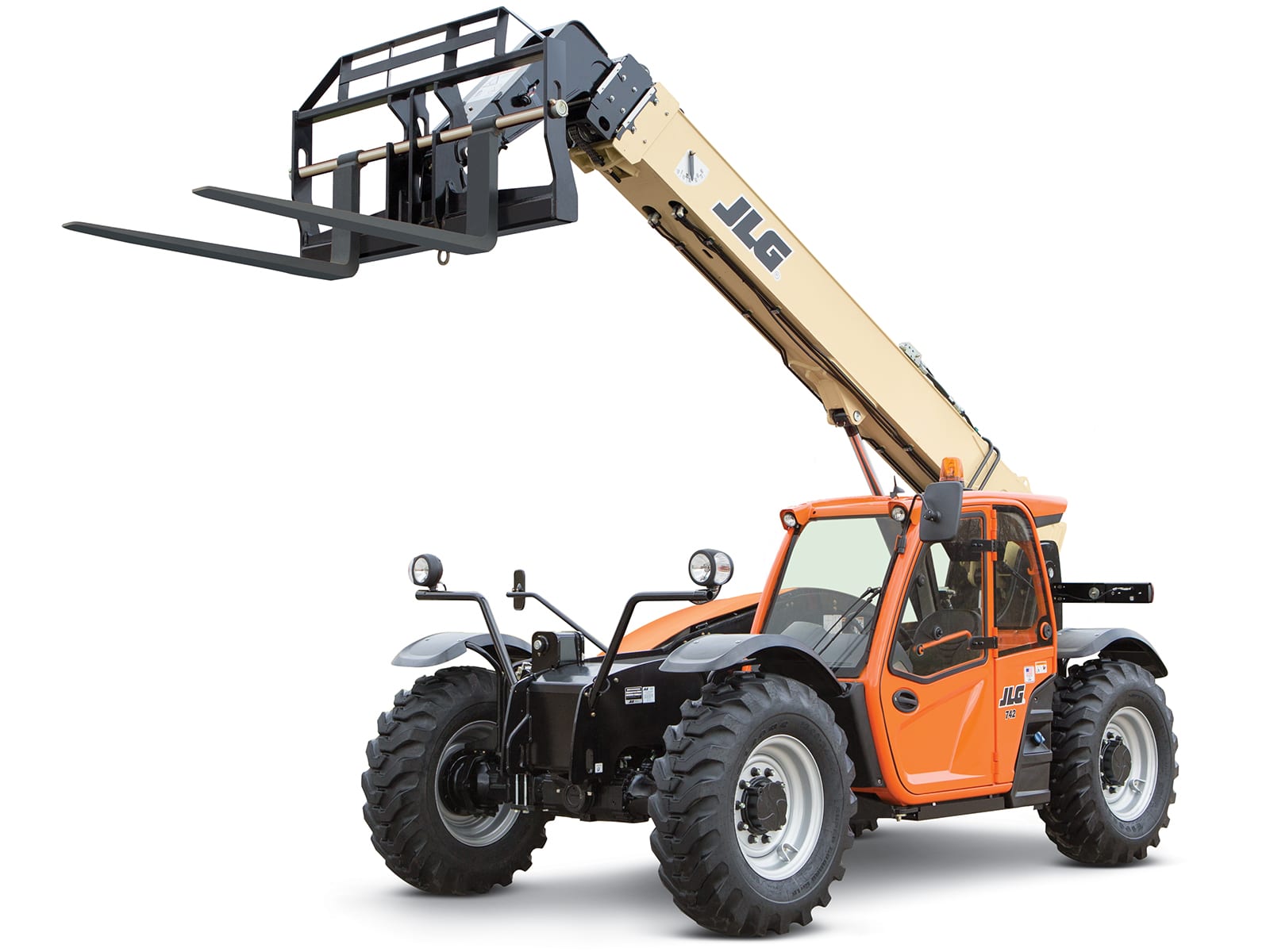
Key models: 3614RS (3.6 t / ~14 m) · 4017RS (4.0 t / ~17 m) · 1055 (4.5 t / ~16.8 m)
Strengths
JLG's primary strength in the telehandler segment lies in its strong alignment with construction and rental fleet requirements. The machines are designed for straightforward operation, consistent control layouts, and durability under typical jobsite conditions. This makes them easy to deploy across fleets with multiple operators and varying skill levels.
Another key advantage is JLG's established global dealer and service network, built on decades of access equipment distribution. In markets where JLG aerial platforms are widely supported, telehandler buyers benefit from familiar service processes, parts logistics, and standardized aftersales systems.
- ✓ Well suited for construction and rental fleet applications
- ✓ Straightforward operation and consistent control layouts
- ✓ Strong global dealer and service infrastructure
- ✓ Backed by Oshkosh Corporation's industrial platform
Considerations
From a procurement perspective, JLG telehandlers are not positioned as highly specialized machines. The product range focuses on mainstream fixed-boom configurations and does not include rotating telehandlers or agriculture-specific designs.
Compared with brands that concentrate exclusively on telehandlers, JLG offers a narrower model selection. Buyers requiring extensive customization, high-reach specialty models, or application-specific configurations may need to consider telehandler-focused manufacturers.
- – Limited product range compared with telehandler specialists
- – No rotating telehandler models
- – Less focus on agricultural or highly specialized applications
Best Suited For
Based on market positioning and typical usage patterns, JLG telehandlers are best suited for:
- → Construction contractors requiring reliable, standardized machines
- → Rental companies serving general construction markets
- → Fleets already operating JLG access equipment
- → Projects prioritizing ease of operation and service support
Summary
A U.S. access-equipment leader offering construction-oriented telehandlers, JLG provides reliable fixed-boom machines well suited to rental fleets and general jobsite material handling rather than specialized lifting tasks.

LGMG
China · Founded 2012
LGMG (Lingong Machinery Group) is a Chinese equipment manufacturer best known for access equipment such as boom lifts and scissor lifts, with a growing presence in telehandlers. The company operates as part of the Lingong industrial group and has developed its telehandler lineup primarily for export-oriented construction and rental markets.
LGMG telehandlers are positioned as cost-competitive, standardized machines, designed to meet the needs of buyers seeking reliable handling equipment without the price premium associated with long-established global brands. The telehandler range complements LGMG's broader access equipment portfolio and reflects a focus on practical specifications and international market compliance.
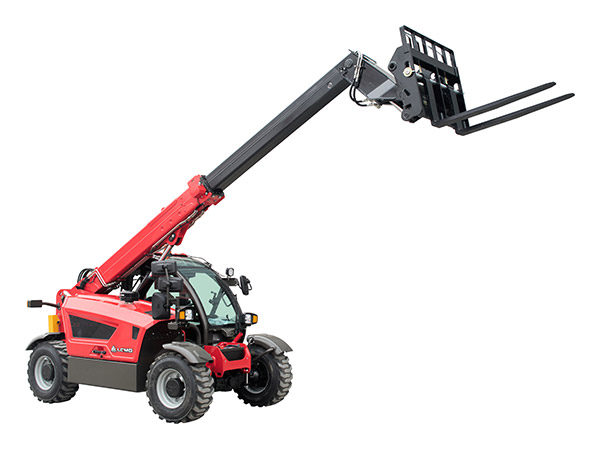
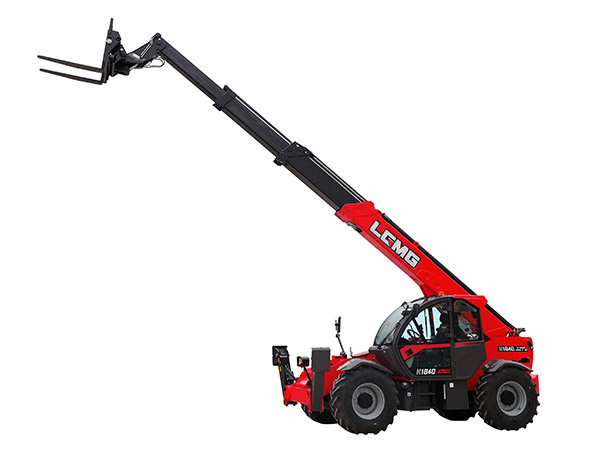
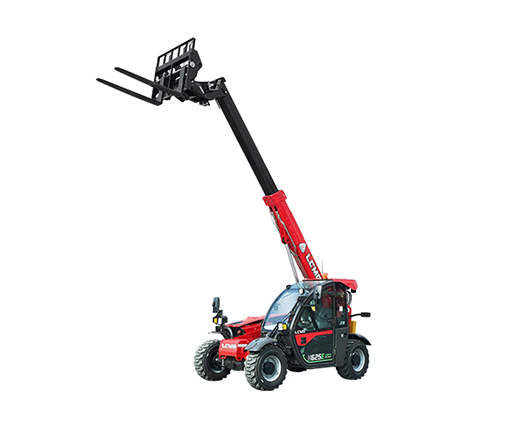
Key models: H1840 · H1845 · H2540 (model availability varies by market)
Strengths
LGMG's primary strength in the telehandler segment lies in its cost-performance balance and export focus. The machines are designed with standardized configurations that simplify manufacturing, logistics, and aftersales support, which helps maintain competitive pricing for international buyers.
Another advantage is LGMG's experience in global equipment distribution through its access equipment business. In markets where LGMG aerial work platforms are already established, telehandler buyers may benefit from existing dealer relationships, service infrastructure, and parts channels, reducing barriers to adoption.
- ✓ Competitive pricing aimed at export and rental markets
- ✓ Standardized machine configurations for simplified support
- ✓ Experience supplying equipment to international markets
- ✓ Synergy with existing LGMG access equipment dealer networks
Considerations
From a procurement perspective, LGMG telehandlers are not positioned as highly specialized machines. The product range focuses on mainstream fixed-boom models and does not include rotating telehandlers or application-specific variants for agriculture or heavy industrial use.
As a relatively young brand compared with long-established global manufacturers, LGMG's telehandler range has a shorter track record in the field. Dealer coverage and telehandler-specific service capability can vary significantly by region, and buyers should evaluate local support carefully.
- – Limited product range focused on fixed-boom telehandlers
- – No rotating or agriculture-specialized models
- – Brand recognition and service coverage vary by market
Best Suited For
Based on current positioning and typical use cases, LGMG telehandlers are best suited for:
- → Rental companies seeking cost-effective, standardized telehandlers
- → Construction projects with general material handling requirements
- → Buyers operating in price-sensitive or emerging markets
- → Fleets already using LGMG access equipment
Summary
A Chinese manufacturer expanding from access equipment into telehandlers, LGMG offers competitively priced, export-oriented machines suited to general construction and rental applications rather than specialized lifting tasks.

Pettibone
United States · Founded 1881
Pettibone is a U.S.-based manufacturer with a long industrial history, best known today for its Traverse Lift series of material handling machines. Unlike conventional telehandler brands, Pettibone focuses on a niche category of telescopic handlers designed primarily for industrial, steel, pipe, and heavy material handling applications.
Pettibone machines are often grouped with telehandlers due to their telescopic lifting capability, but they follow a distinct design philosophy. Rather than emphasizing reach height or multi-purpose construction use, Pettibone prioritizes forward load stability, precise load placement, and handling of long or heavy materials in controlled industrial environments.

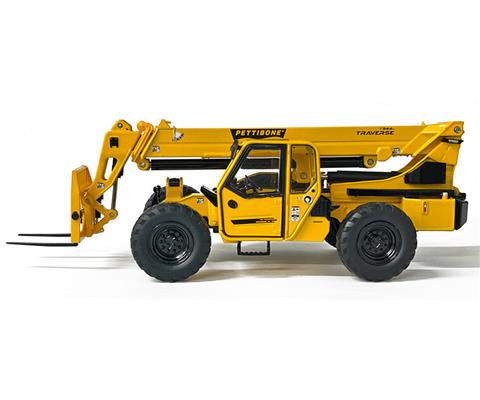

Key models: Traverse T125 · Traverse T105 · Traverse T944X
Strengths
Pettibone's primary strength lies in its highly specialized material handling design. Traverse Lift machines are engineered to carry heavy loads close to the ground with excellent forward visibility and stability, making them particularly effective for handling steel beams, pipes, precast components, and similar materials.
Another distinguishing advantage is Pettibone's focus on industrial durability rather than versatility. The machines are built for repetitive, high-load cycles in demanding environments such as steel yards, manufacturing plants, and infrastructure projects. This specialization results in equipment that performs extremely well within its intended niche.
- ✓ Specialized design for long, heavy, and awkward loads
- ✓ Strong forward stability and precise load placement
- ✓ Excellent visibility for industrial handling tasks
- ✓ Proven performance in steel, pipe, and infrastructure applications
Considerations
From a procurement perspective, Pettibone machines are not general-purpose telehandlers. They are not intended to replace standard construction telehandlers used for pallet handling, site logistics, or agricultural work.
The product range is narrow and highly application-specific. Buyers seeking multi-role machines, rotating telehandlers, or high-reach construction solutions will find Pettibone unsuitable for those use cases. In addition, Pettibone's market presence and dealer network are primarily concentrated in North America.
- – Not a conventional telehandler design
- – Limited versatility outside industrial material handling
- – Narrow product range focused on niche applications
- – Strongest support presence in North America
Best Suited For
Based on design intent and typical applications, Pettibone machines are best suited for:
- → Steel fabrication and distribution yards
- → Pipe, lumber, and precast material handling
- → Industrial plants and infrastructure projects
- → Buyers requiring specialized load handling rather than reach height
Summary
A U.S. manufacturer specializing in niche industrial material handling machines, Pettibone offers Traverse Lift equipment optimized for heavy, long-load handling rather than general construction or agricultural telehandler use.

Gehl
United States · Founded 1859
Gehl is a U.S.-origin equipment brand with a long history in compact and agricultural machinery. Telehandlers have been a core part of Gehl's product offering for decades, particularly in North America. Today, Gehl operates as part of the Manitou Group, while maintaining its own brand identity and product positioning.
Gehl telehandlers are positioned as practical, compact-oriented machines, developed primarily for agriculture, light construction, and rental applications. Compared with full-line telehandler specialists, Gehl focuses on straightforward fixed-boom models designed for daily handling tasks rather than high-reach or highly specialized lifting operations.
Key models: RS5-19 (2.3 t / ~5.8 m) · RS6-34 (3.4 t / ~10.4 m) · RS8-44 (3.6 t / ~13.4 m)
Strengths
Gehl's primary strength in the telehandler segment lies in its long-term focus on practical, mid-range telehandlers. The machines are designed with simple layouts, clear visibility, and predictable operation, making them suitable for farms, mixed-use job sites, and rental fleets where multiple operators may use the same equipment.
Another advantage is Gehl's integration within the Manitou Group. This provides access to shared engineering resources, component sourcing, and global support infrastructure, while allowing Gehl to retain a product strategy tailored to North American and agriculture-oriented users.
- ✓ Long-standing telehandler product line with proven market presence
- ✓ Practical, easy-to-operate machines for daily handling tasks
- ✓ Strong suitability for agriculture and rental applications
- ✓ Backed by Manitou Group engineering and support structure
Considerations
From a procurement perspective, Gehl telehandlers are not positioned for high-end or specialized lifting applications. The product range does not include rotating telehandlers, ultra-high-reach models, or heavy industrial configurations.
In addition, while Gehl has strong recognition in North America, brand visibility and dealer coverage can be more limited in some international markets compared with Manitou-branded telehandlers.
- – No rotating telehandler models
- – Limited coverage of high-reach and heavy-duty segments
- – Brand recognition strongest in North America
Best Suited For
Based on product positioning and typical applications, Gehl telehandlers are best suited for:
- → Agricultural operations and farm logistics
- → Rental fleets serving general construction and agricultural users
- → Buyers seeking straightforward, cost-effective telehandlers
- → Projects where ease of use and reliability matter more than specialization
Summary
A long-established U.S. brand offering practical, compact-oriented telehandlers, Gehl focuses on agriculture and rental applications, delivering reliable fixed-boom machines rather than specialized or high-reach solutions.

Wacker Neuson
Germany · Founded 1848
Wacker Neuson is a German construction equipment manufacturer with a long industrial history and a strong focus on compact and mid-size machinery for construction sites. Telehandlers are part of Wacker Neuson's product portfolio, developed to support material handling tasks within the brand's broader compact equipment ecosystem.
Wacker Neuson telehandlers are positioned as construction-oriented, compact machines, designed for use on space-restricted job sites where maneuverability, stability, and predictable operation are priorities. Compared with telehandler specialists, the brand emphasizes integration with other compact construction equipment rather than broad telehandler specialization.

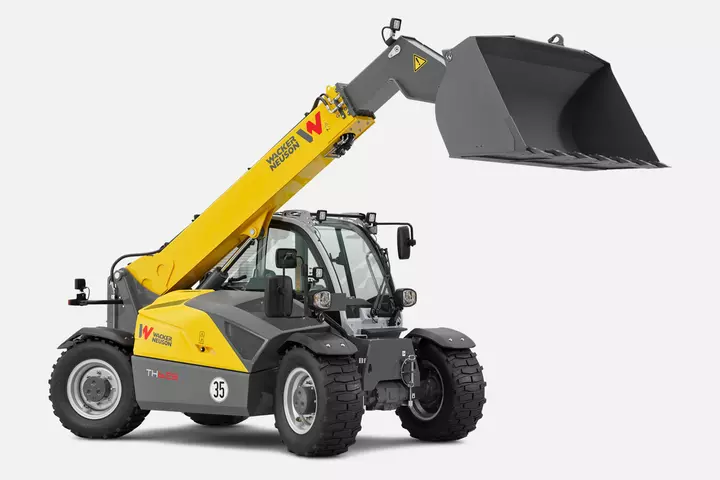
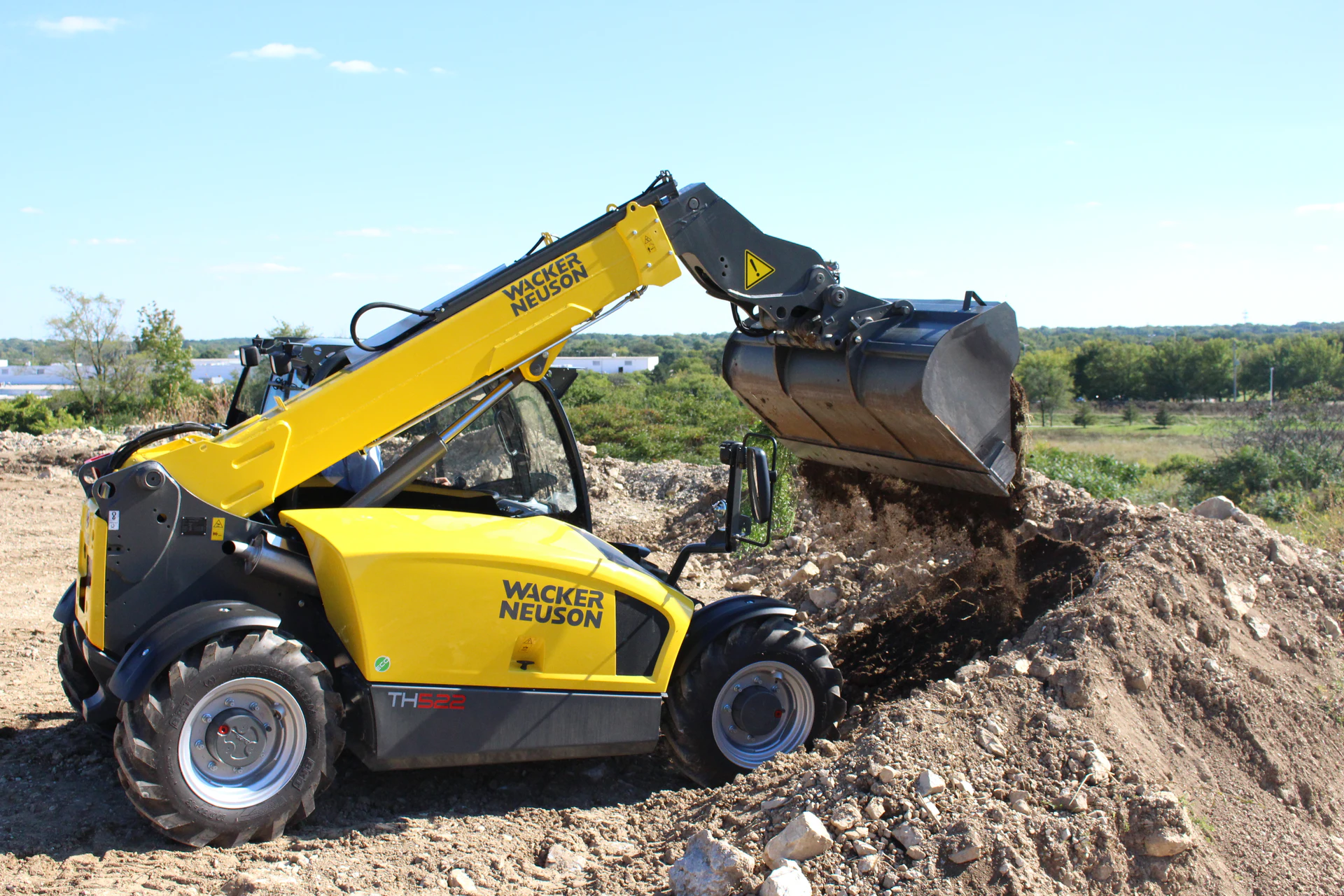
Key models: TH412 · TH522 · TH627
Strengths
Wacker Neuson's primary strength in the telehandler segment lies in its compact construction expertise. The machines are engineered to operate efficiently on dense construction sites, offering good maneuverability, stable load handling, and clear operator visibility.
Another advantage is the brand's focus on mechanical reliability and straightforward machine architecture. Telehandlers are designed to align with Wacker Neuson's wider equipment philosophy, favoring durability and ease of maintenance over complex or highly specialized systems.
- ✓ Compact design well suited to urban and space-limited job sites
- ✓ Strong build quality aligned with German engineering standards
- ✓ Stable and predictable operation for construction use
- ✓ Integrated within Wacker Neuson's compact equipment portfolio
Considerations
From a procurement perspective, Wacker Neuson telehandlers are not designed for high-reach or specialized lifting applications. The product range focuses on small to mid-capacity fixed-boom models and does not include rotating telehandlers or heavy-duty agricultural variants.
In addition, compared with brands dedicated primarily to telehandlers, the available model range is narrower. Buyers seeking extensive customization or application-specific telehandler solutions may need to evaluate specialist manufacturers.
- – Limited range focused on compact and mid-size telehandlers
- – No rotating telehandler models
- – Less suitable for agriculture or heavy industrial lifting
Best Suited For
Based on positioning and typical applications, Wacker Neuson telehandlers are best suited for:
- → Construction contractors operating on space-restricted job sites
- → Urban and infrastructure projects requiring compact handling equipment
- → Fleets already using Wacker Neuson compact machinery
- → Buyers prioritizing maneuverability and reliability over reach height
Summary
A German construction equipment manufacturer offering compact, construction-focused telehandlers, Wacker Neuson serves job sites where maneuverability, durability, and integration with compact equipment fleets are more important than high reach or specialization.

Weidemann
Germany · Founded 1960
Weidemann is a German manufacturer specializing in agricultural handling equipment, with a long-standing focus on machines designed for farm and livestock operations. The company is part of the Wacker Neuson Group and has built its reputation around compact loaders and telescopic loaders tailored specifically for agricultural environments.
Weidemann telehandlers—often referred to by the brand as telescopic loaders—are positioned as compact, agriculture-focused machines. Rather than targeting construction lifting or high-reach applications, Weidemann designs its telehandlers for daily farm logistics, including feed handling, manure management, and material movement in confined agricultural spaces.
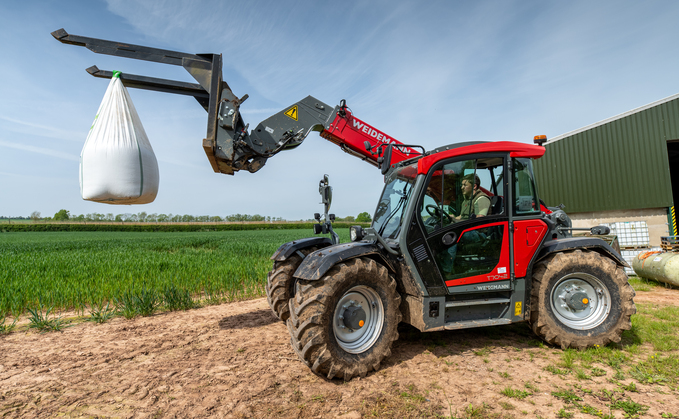
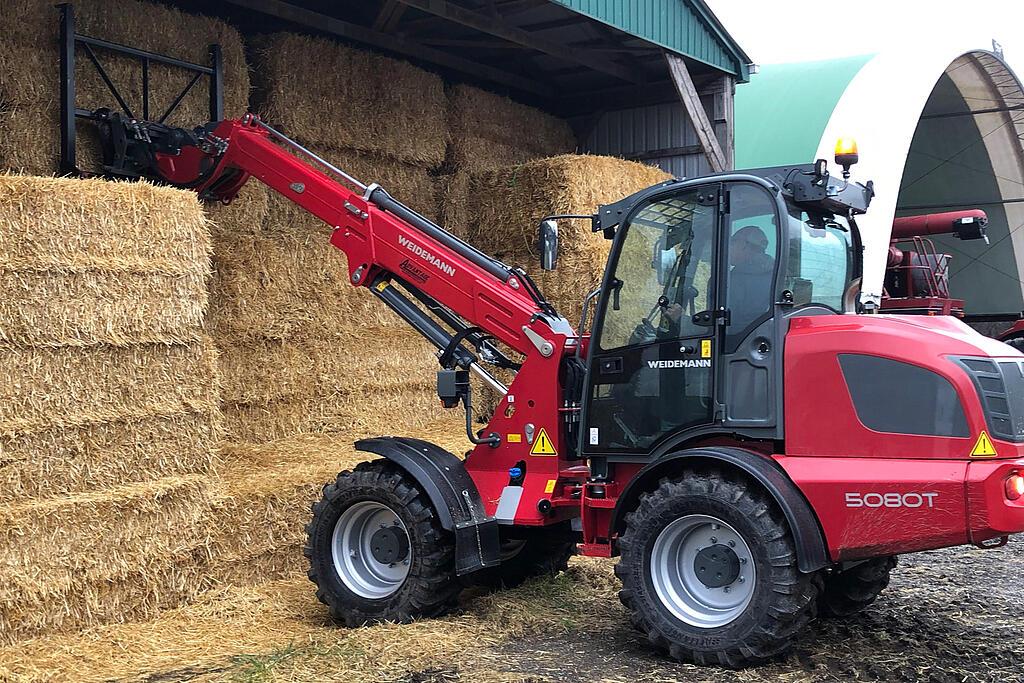
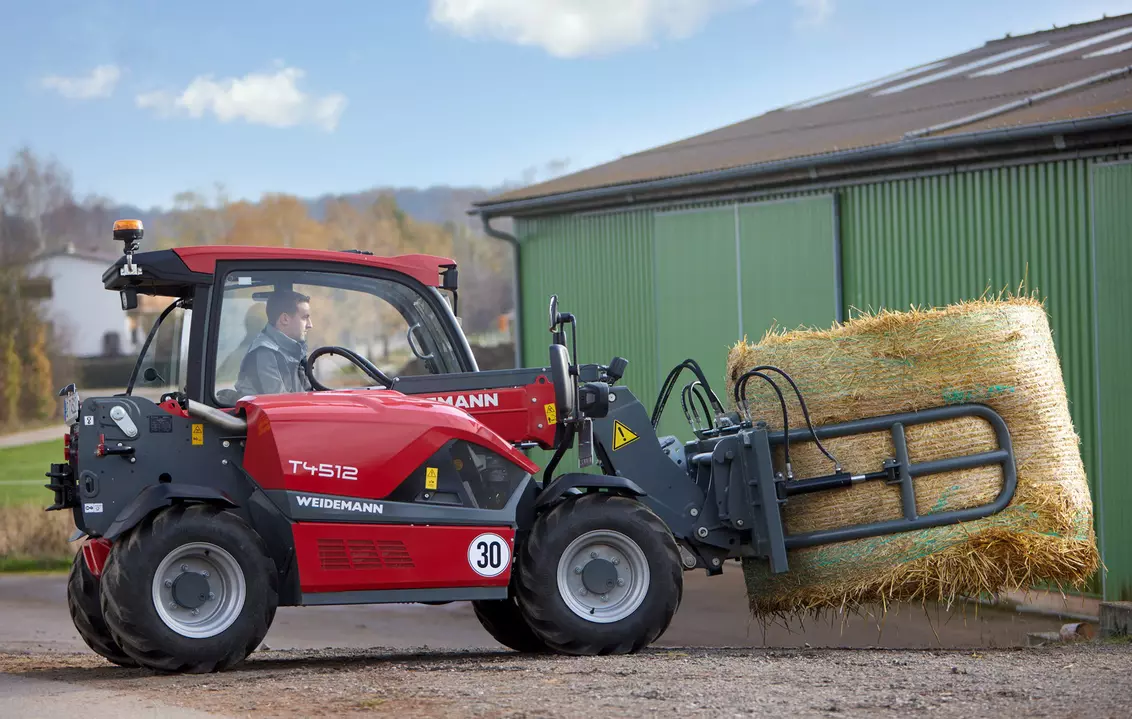
Key models: T4512 · T5522 · T6025 (model range varies by market)
Strengths
Weidemann's primary strength in the telehandler segment lies in its deep specialization in agricultural applications. The machines are engineered for frequent, repetitive handling tasks within farms, where maneuverability, low machine height, and precise control are more important than maximum lift height.
Another key advantage is Weidemann's compact design philosophy. Telehandlers are optimized for operation in livestock barns, feed alleys, and narrow farmyards, where space constraints would limit the use of larger construction-oriented machines. This focus makes Weidemann telehandlers particularly effective for mixed livestock and dairy operations.
- ✓ Strong focus on agricultural and livestock applications
- ✓ Compact dimensions for confined farm environments
- ✓ Reliable build quality aligned with German manufacturing standards
- ✓ Integrated within the Wacker Neuson Group service and parts network
Considerations
From a procurement perspective, Weidemann telehandlers are not designed for construction or industrial lifting. The product range emphasizes low to mid lift heights and does not extend into high-reach construction telehandlers or rotating models.
Buyers seeking multi-purpose machines capable of replacing construction telehandlers on job sites will likely find Weidemann machines over-specialized for agricultural use. Clear application alignment is essential when evaluating the brand.
- – Limited lift height compared with construction telehandlers
- – No rotating telehandler models
- – Not suitable for heavy construction or industrial lifting tasks
Best Suited For
Based on product positioning and typical use cases, Weidemann telehandlers are best suited for:
- → Livestock farms and dairy operations
- → Agricultural feed handling and daily farm logistics
- → Operations requiring compact machines for confined spaces
- → Buyers prioritizing agricultural usability over reach height
Summary
A German agricultural equipment specialist offering compact telehandlers designed for farm and livestock operations, Weidemann focuses on maneuverability, reliability, and daily handling efficiency rather than construction or high-reach lifting.

Xtreme Manufacturing
United States · Founded 2012
Xtreme Manufacturing is a U.S.-based equipment manufacturer dedicated primarily to the production of rough terrain telehandlers. Founded in 2012 and headquartered in Texas, the company was established with a clear focus on supplying telehandlers for the North American construction and rental markets.
Unlike diversified equipment groups, Xtreme positions telehandlers as its core product category. The brand concentrates on fixed-boom construction telehandlers designed for demanding jobsite conditions, emphasizing structural durability, straightforward operation, and rental-friendly configurations.
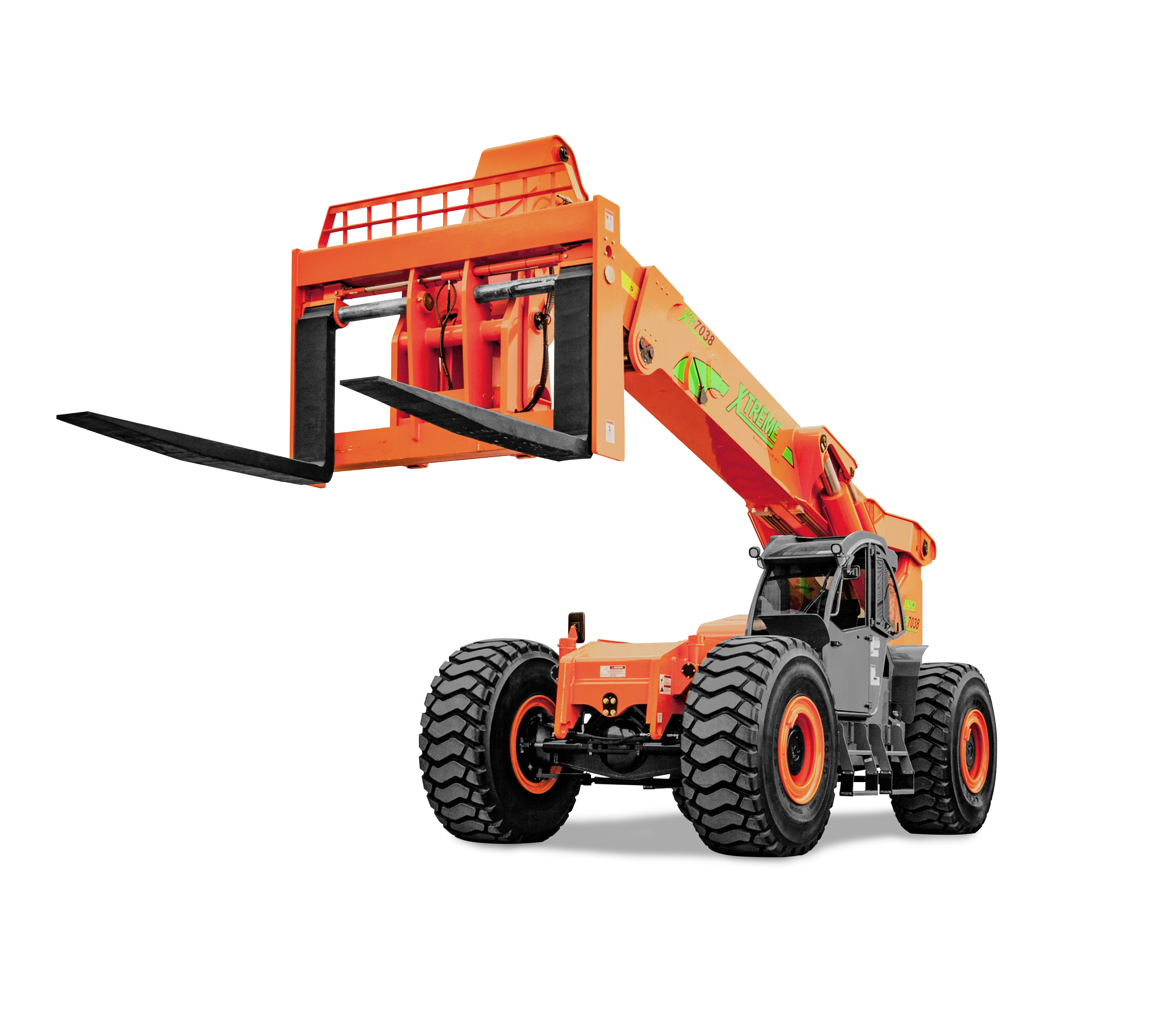

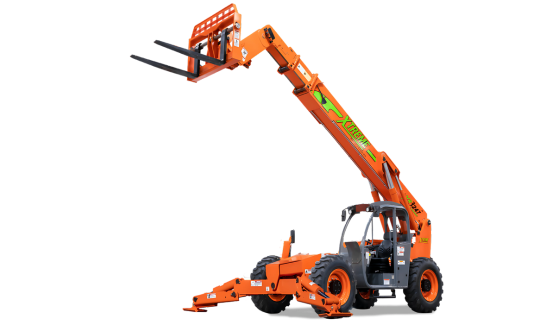
Key models: XR1055 · XR1255 · XR1445 · XR1645
Strengths
Xtreme's primary strength lies in its single-minded focus on construction telehandlers. The machines are engineered specifically for rough terrain job sites, with robust chassis design, strong boom structures, and lifting capacities aligned with typical construction material handling requirements.
Another key advantage is Xtreme's rental-oriented product philosophy. Model ranges are clearly structured, controls are intuitive, and configurations are standardized to simplify fleet management. This makes Xtreme telehandlers well suited for rental companies and contractors operating in environments where reliability and ease of use take priority over advanced specialization.
- ✓ Dedicated focus on rough terrain construction telehandlers
- ✓ Robust structural design for demanding jobsite conditions
- ✓ Rental-friendly configurations and standardized controls
- ✓ Strong alignment with North American construction practices
Considerations
From a procurement perspective, Xtreme telehandlers are not designed for agricultural or compact applications. The product range focuses on mid- to high-reach construction models and does not include small farm telehandlers, rotating telehandlers, or application-specific variants outside construction use.
In addition, Xtreme's market presence is heavily concentrated in North America. Buyers in other regions should carefully assess local dealer coverage, parts availability, and service support before selecting the brand.
- – No agricultural or compact telehandler models
- – No rotating telehandler (ROTO) offerings
- – Market presence and support strongest in North America
Best Suited For
Based on product positioning and typical use cases, Xtreme telehandlers are best suited for:
- → Construction contractors operating on rough terrain job sites
- → Rental fleets serving general construction markets
- → Steel erection, material staging, and site logistics applications
- → Buyers seeking construction-focused telehandlers without unnecessary complexity
Summary
A U.S. telehandler specialist focused on rough terrain construction applications, Xtreme Manufacturing delivers robust, rental-friendly fixed-boom telehandlers designed primarily for North American job sites.