











Rotating Telehandlers

What's Inside This Guide
Jump to the section most relevant to your needs — from specifications and pricing to brand comparisons and buying decisions.
Table of Contents
10 sections · 12 min read
What Is a Rotating Telehandler?
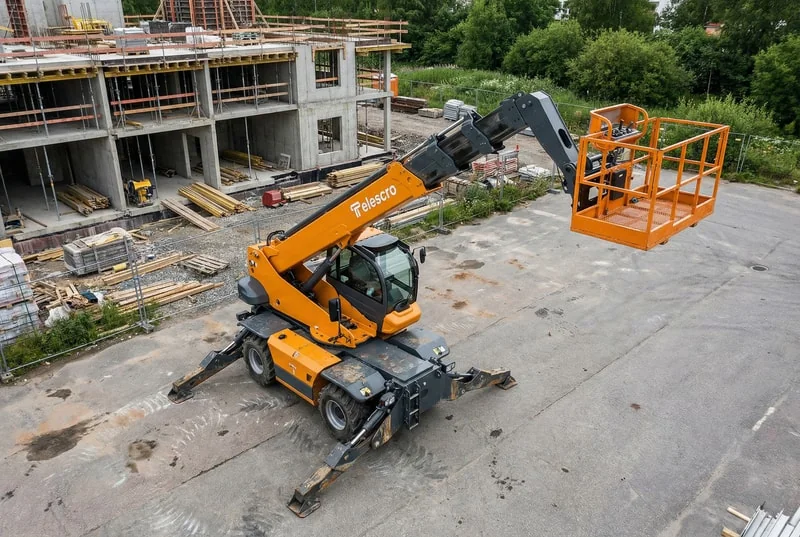
A rotating telehandler is a telescopic handler built with a 360-degree rotating turret, allowing operators to lift, place, and position materials in multiple directions without moving the machine base.
Unlike standard (fixed) telehandlers, the upper structure rotates continuously, enabling efficient operation in confined or complex job sites where repositioning is difficult or time-consuming.

Key features include
Because of these capabilities, a rotating telehandler can perform the functions of three machines:
A Crane
Lifting and placing heavy loads
A Telehandler
General material handling
An Aerial Work Platform
Personnel lifting with a basket
This multi-function capability makes rotating telehandlers a preferred solution for projects requiring flexibility, precision, and reduced equipment footprint.
Rotating vs Fixed Telehandler: What's the Difference?
The primary difference lies in how the boom is positioned and how the machine operates on site. Here's a detailed comparison.
| Feature | Rotating Telehandler | Fixed Telehandler |
|---|---|---|
| Upper structure | Rotating turret (360° continuous) | Fixed frame |
| Machine movement | Minimal repositioning needed | Frequent repositioning required |
| Working radius | Full 360° coverage from one position | Limited to forward reach |
| Setup time | Faster in complex environments | Slower due to repositioning |
| Stability system | Outriggers required for full capacity | Typically no outriggers |
| Lift height | Generally higher (up to 100+ ft) | Typically lower range |
| Load chart | More complex (rotation + outrigger dependent) | Simpler and more straightforward |
| Cost | Higher initial investment | Lower upfront cost |
When to Choose a Rotating Telehandler
Congested or space-restricted job sites, materials placed in multiple directions, complex lifting sequences required, or when you need to replace multiple machines with one unit.
When a Fixed Telehandler Fits Better
Open, accessible job sites with repetitive linear tasks, budget is the primary concern, or maximum flexibility is not required.
Bottom Line
Fixed telehandlers remain cost-effective for straightforward lifting. Rotating telehandlers offer significant advantages in flexibility, efficiency, and multi-function capability — making them increasingly preferred for modern construction.
Rotating Telehandler Price Guide
Rotating telehandlers sit at the higher end of the lifting equipment market due to their advanced design, multi-function capability, and extended reach. Understanding typical price ranges and cost drivers helps when evaluating whether to purchase or rent.

Purchase Price (New Equipment)
| Category | Lift Height Range | Estimated Price (USD) |
|---|---|---|
| Entry-level | 60 – 80 ft | $180,000 – $250,000 |
| Mid-range | 80 – 100 ft | $250,000 – $350,000 |
| High-reach / Heavy-duty | 100+ ft | $350,000 – $450,000+ |
Note: High-end models with extended reach, higher capacity, or advanced controls can exceed these ranges.
Rental Cost (US Market)
| Duration | Typical Cost |
|---|---|
| Weekly | $1,500 – $4,000 |
| Monthly | $5,000 – $12,000+ |
Note: Rates vary by location, availability, and included attachments.
Key Cost Drivers
- Lift height and outreach — Higher reach needs more complex engineering
- Load capacity — Higher capacity increases chassis weight and stability requirements
- Brand and origin — European manufacturers typically carry premium pricing
- Attachment configuration — Work platforms, winches, and jibs add to total cost
- Control and safety systems — Advanced load management and telematics add value
- Emission standards — Tier 4 Final or electric models may cost more upfront
New vs Used
New machines offer full warranty and latest technology. Used machines cost less but require careful evaluation of condition and maintenance history. Used rotating telehandlers stay in high demand due to limited supply and long service life.Total Cost of Ownership
Beyond purchase price, factor in maintenance, spare parts, operator training, transport, insurance, and compliance costs. A lower purchase price doesn't always mean lower overall cost.Practical Insight
For continuous or long-term usage, purchasing delivers better value over time. For short-term or project-based needs, rental provides flexibility with lower upfront investment.Need Help Estimating the Right Budget?
Tell us your required lift height, capacity, and application — we'll provide a tailored recommendation and competitive pricing.
Most quotes are delivered within 24 hours.
Where Rotating Telehandlers Are Used
From high-rise construction to confined urban sites, rotating telehandlers handle a wide range of lifting and positioning tasks across industries.
Construction & Building Projects
Delivering materials to upper floors, positioning structural components, and supporting facade work. The 360° rotation reduces repositioning and improves workflow on complex sites.
Roofing & Cladding
Handling panels, insulation materials, and roofing components with controlled precision. Operators can work along building perimeters without constant machine movement.
Infrastructure & Civil Engineering
Material placement in bridge construction, equipment handling in tunneling operations, and support for elevated work areas in environments with limited access or uneven terrain.
Urban & Confined Job Sites
City-center construction, renovation, and redevelopment projects with restricted footprints and limited staging areas. Rotating telehandlers handle materials without frequent repositioning.
Industrial Maintenance & Facility Work
Equipment installation at height, maintenance of industrial structures, and material handling within plant environments. With a work platform, these machines also support access-related tasks.
Multi-Function Use with Attachments
Across all applications, rotating telehandlers adapt with different attachments — forks for material handling, winches or hooks for lifting, and work platforms for personnel access. One machine supports a full range of operational needs.
Attachments & Functional Capabilities
Rotating telehandlers support a wide range of attachments, allowing them to switch between lifting, handling, and access tasks depending on project requirements.
 01
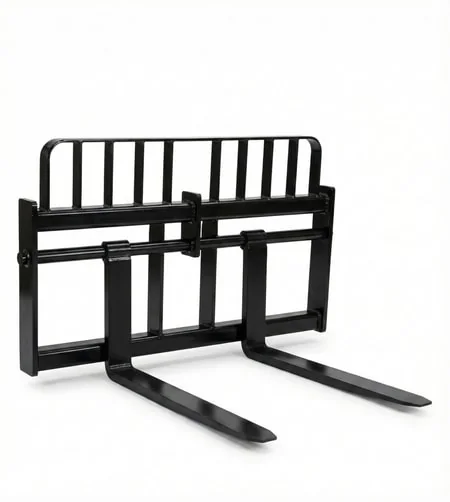
01 Pallet Forks
The standard attachment for general material handling — pallets, construction materials, and equipment. Quick-change systems allow fast swaps between forks and other tools.
 02
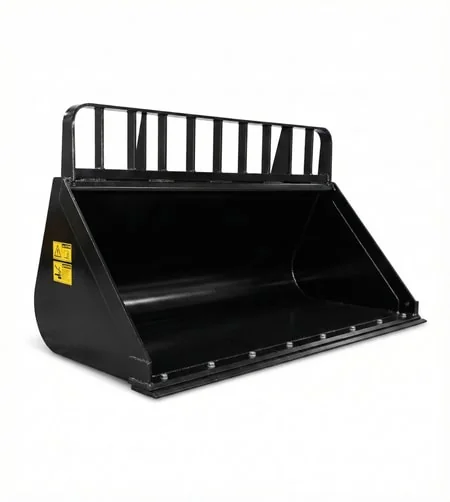
02 Bucket
Suitable for handling sand, gravel, debris, and other bulk materials on construction sites. Available in various widths to match different loading requirements.
 03
03 Winch
Enables crane-like vertical lifting operations with precise load control. Essential for placing heavy components at height where standard forks can't reach.
04 Jib / Truss Boom
Extends reach beyond the main boom to access tight or offset positions. Ideal for placing loads in locations that standard forks or direct boom placement cannot reach.
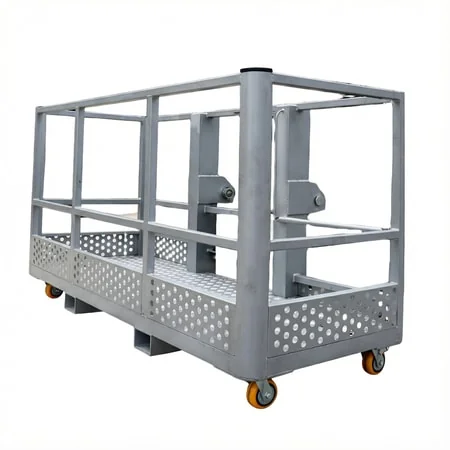 05
05 Work Platform (Man Basket)
Converts the machine into an aerial work platform for personnel access at height. Supports installation, maintenance, and inspection tasks with integrated safety systems.
 06
06 Quick Coupling System
Enables fast, efficient attachment changes on site — allowing the same machine to adapt between forks, buckets, winches, and platforms throughout a single project day.
Need help selecting the right attachment configuration for your project?
Not Sure Which Attachment Setup You Need?
Different projects call for different configurations. Tell us your application requirements and we'll recommend the right attachment package for your rotating telehandler.
We help match attachments to your specific lifting, handling, and access tasks
Get advice on compatibility, availability, and total package pricing
Our team has configured rotating telehandlers for projects across 40+ countries
Action Plan
Get Expert Recommendation
Share your project details and we'll respond with a tailored configuration within 24 hours.
Need written confirmation or follow-up files? Email sally@telescro.com.
Top Rotating Telehandler Brands
Several established manufacturers produce rotating telehandlers, mostly from Europe. While core functionality is similar, differences exist in product range, engineering focus, and market positioning.
| Brand | Typical Strengths | Product Focus | Market Position |
|---|---|---|---|
| Manitou | Broad range, including electric models | Versatility and innovation | Global leader |
| JLG | Advanced controls and operator interface | Technology and usability | Strong in North America |
| Merlo | High load capacity, precision engineering | Performance and stability | Premium engineering |
| Magni | Extended lift height, high-end configs | High-reach applications | Premium segment |
| JCB | Global network and service support | Reliability and support | Widely recognized brand |
Available Model Range
Not all brands offer the same lift heights or capacity ranges. Match the range to your project specs.
Control System & Interface
Joystick layout, display, and automation differ. Some systems are more intuitive for operators.
Attachment Compatibility
Some brands offer more integrated attachment ecosystems than others. Check before committing.
Local Support & Service
Dealer network, spare parts access, and service response times are critical for long-term operation.
Compliance & Certification
Emission standards, safety systems, and regional certifications vary between manufacturers.
No Single 'Best' Brand
The right choice depends on project requirements, site conditions, budget, and local support availability.
Need help comparing specific models from different manufacturers?
Buying vs Renting: Key Considerations
The right approach depends on usage frequency, project duration, and overall cost structure. Here's how to evaluate both options.
When Purchasing Makes Sense
Equipment needed on a regular or long-term basis, consistent lifting needs, dedicated on-site availability required, or custom configurations and specific attachments are essential. Ownership gives full control over availability and configuration.
When Renting Is the Better Fit
Short-term or project-based needs, infrequent or unpredictable utilization, need to minimize upfront investment, or different specs required across projects. Rental also lets you evaluate equipment before committing to purchase.
Cost Comparison
Purchasing involves higher upfront investment but lower cost over time with sufficient utilization. Renting requires less capital but becomes expensive for extended or repeated use. The break-even depends on utilization rate and local rental pricing.
Operational Factors
Beyond cost, consider equipment availability and scheduling, maintenance responsibility, transport and mobilization logistics, and operator training. These factors directly impact efficiency and project timelines.
Practical Approach
Many contractors start with rental to assess actual usage and requirements, then transition to purchase when demand becomes consistent. This phased approach reduces risk while supporting informed equipment decisions.
Evaluating whether buying or renting fits your project better?
How to Choose the Right Rotating Telehandler
Selecting the right machine means matching specifications to your project requirements. Follow these steps for a systematic evaluation.
Define Required Lift Height
Identify the maximum working height needed on site. Typical range is 60–110+ ft. Always include a safety margin beyond actual working height.
Determine Load Capacity
Estimate the maximum weight to be lifted. Consider peak loads, not averages. Account for capacity reduction at extended reach and with different attachments.
Evaluate Outreach Requirements
Assess how far materials need to be placed horizontally. This is critical for working over obstacles and directly affects machine stability and load chart limits.
Analyze Job Site Conditions
Understand space constraints, ground conditions, and access limitations. These factors influence machine size, outrigger setup requirements, and overall suitability.
Identify Required Attachments
Define the functions needed — forks for handling, winch or hook for lifting, work platform for access. Attachment requirements impact both capability and total cost.
Consider Transport & Logistics
Review machine weight and dimensions, transport regulations, and site access for delivery. Larger machines may require special permits or escort vehicles.
Evaluate Budget & Cost Structure
Balance technical requirements with budget realities. Compare purchase vs rental costs, factor in attachments, and consider ongoing operating and maintenance expenses.
Compare Available Models
Shortlist models meeting your requirements. Check lift charts and specifications, compare features across brands, and verify availability in your region before making a final decision.
Need help selecting the right model for your project?
Ready to Find the Right Rotating Telehandler?
Whether you're comparing models, evaluating costs, or ready to request a quote — our team can help you make the right decision.
We typically respond within 24 hours with a detailed recommendation.
Safety and Operating Considerations
Modern rotating telehandlers are engineered with advanced safety systems. Proper setup, trained operators, and regular maintenance are essential for safe performance.
Load Monitoring Systems
Load Moment Indicators (LMI) and Load Stability Indicators (LSI) monitor load limits in real time, preventing overload conditions and providing continuous feedback on machine stability.
Stability & Outrigger Setup
Outriggers must be properly deployed for full-capacity lifting. Ground conditions should be assessed before every operation, and load charts must be followed based on the current configuration.
Operator Qualification
Safe operation depends on trained, certified operators familiar with machine controls, load charts, and proper communication protocols during lifting operations.
Compliance & Regulations
Rotating telehandlers are designed to meet OSHA requirements, ANSI lifting equipment standards, and regional safety and emission regulations. Compliance ensures safe operation and project alignment.
Inspection & Maintenance
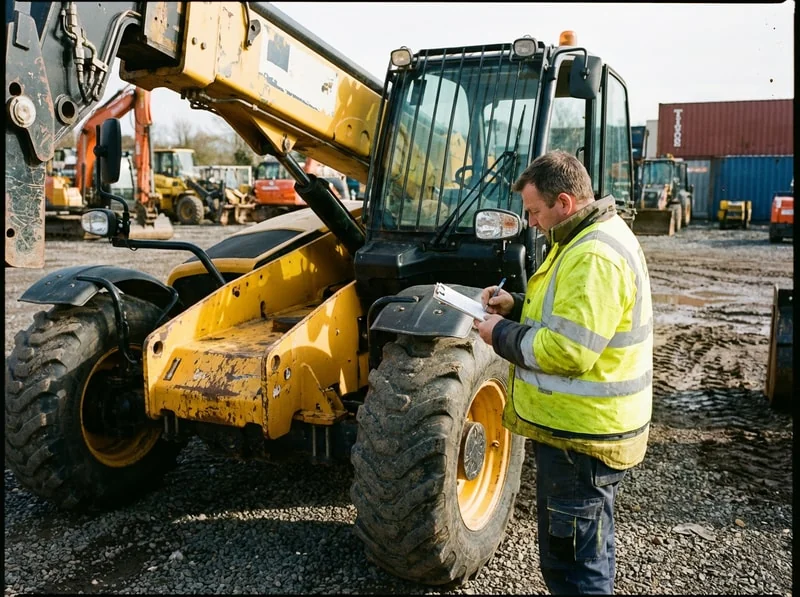
Routine pre-use checks, scheduled servicing per manufacturer guidelines, and regular inspection of attachments and lifting components help reduce downtime and support long-term performance.
Frequently Asked Questions
Answers to the most common questions about rotating telehandlers — from pricing and capabilities to brand comparisons and safety.
1 What is the main advantage of a rotating telehandler compared to a standard telehandler? +
The main advantage is 360-degree boom rotation, allowing materials to be placed in multiple directions without repositioning the machine. This significantly improves efficiency on confined or complex job sites.
2 How much does a rotating telehandler typically cost? +
New machines typically range from $180,000 to over $450,000 depending on lift height, capacity, and configuration. Rental costs generally run $1,500–$4,000 per week in the U.S. market.
3 Can a rotating telehandler replace a crane? +
In many applications, yes — particularly for medium loads and precise placement. However, cranes remain more suitable for very heavy lifts and specialized lifting operations beyond the telehandler's rated capacity.
4 What is the typical lift height and capacity range? +
Most models offer lift heights between 60 ft and 110+ ft, with load capacities up to approximately 15,000 lbs. Actual performance depends on the specific model and operating configuration.
5 What attachments are commonly used? +
Common attachments include pallet forks, buckets, winches, jibs, and work platforms. These allow the machine to handle materials, perform crane-like lifting, and support personnel access at height.
6 Is a rotating telehandler suitable for confined job sites? +
Yes, they are often preferred for confined or urban sites because they operate effectively without frequent repositioning — reducing space requirements and site congestion.
7 How do I choose the right model for my project? +
Base your selection on required lift height, load capacity, outreach, job site conditions, and attachment needs. Review load charts and compare available models before making a decision.
8 Are rotating telehandlers safe to operate? +
Yes, when properly set up and operated by trained personnel. Modern machines include load moment indicators, stability monitoring, automatic attachment recognition, and outrigger control systems.
9 Should I buy or rent a rotating telehandler? +
Renting suits short-term or project-based needs. Purchasing is better for long-term or frequent use where high utilization justifies the investment. Many contractors start with rental, then transition to ownership.
10 Which brands manufacture rotating telehandlers? +
Major manufacturers include Manitou, JLG, Merlo, Magni, and JCB. Each offers different model ranges, specifications, and support networks depending on the market.
11 What factors most affect performance on site? +
Key factors include lift height, load capacity, outreach, ground conditions, correct outrigger setup, and attachment type. Operator experience and adherence to load charts also play a critical role.
Still have questions? Our team is ready to help.
Ready to Source Your Rotating Telehandler?
Tell us your lift height, capacity, and destination market. We will recommend the right configuration and send a factory-direct quote within 48 hours.

Hi, I'm Sally
Sales Manager · Telescro
Our team responds within 24 hours. If your specs are clear, we deliver a formal quotation within 48 hours.
I can help with
- Capacity, lift height, and reach config
- Factory-direct pricing
- Attachment selection
- Shipping, customs, and delivery
- Spare parts & technical support
No pressure. No obligation. Just honest recommendations.
Request a Quotation
All fields marked * are required. We respond within 24 hours.