











6K Telehandler Specs, Capacity Range & Jobsite Fit
Compare typical 6,000 lb telehandler specs, understand the 36ft vs 42ft reach split, and decide whether the 6K class or a larger capacity band is the better fit for your project.

On This Page
Navigate to any section
Typical 6K Telehandler Specifications
The 6K class splits into two distinct reach configurations. Same rated capacity, different lift height and forward reach — the right choice depends entirely on your highest lift point requirement.
| Specification | 36ft Model Standard reach |
Extended
42ft Model Extended reach |
|---|---|---|
| Rated Capacity | 6,000–6,600 lb (2,722–2,994 kg) | 6,000–7,000 lb (2,722–3,175 kg) |
| Max Lift Height | 34–36 ft (10.4–11 m) | 42–44 ft (12.8–13.4 m) |
| Max Forward Reach | 22–24 ft (6.7–7.3 m) | 28–30 ft (8.5–9.1 m) |
| Operating Weight | 14,000–17,000 lb (6,350–7,711 kg) | 14,000–17,000 lb (6,350–7,711 kg) |
| Power | 74–100 hp diesel | 74–100 hp diesel |
| Common Attachments | Forks, bucket, work platform | Forks, work platform, jib / truss boom |
| Best Use Case | General construction, compact maneuverability | Rooftop mechanical, taller facade work |
If your working parameters fall near the boundary between 36ft and 42ft — or your load regularly approaches 6,000 lb at actual working height and reach — that's a signal worth reviewing before committing to a class.
What a 6K Telehandler Is Best For
Material staging, framing support, and pallet movement on commercial jobs where a 5K machine is underpowered but an 8K may be oversized for the site footprint. Four use cases define where the 6K class earns its keep.
 01
01
Mid-Rise Construction & Framing
Material staging, framing support, and pallet movement on commercial jobs where a 5K machine is underpowered but an 8K may be oversized for the site footprint. The 6K class offers the lifting margin that mid-rise framing typically demands without the transport and access footprint of a larger machine.
 02
02
HVAC & Mechanical Installation
The 42ft reach variant handles rooftop HVAC placement where a 5K can't reach the working height but an 8K's size and transport cost are not justified by the load weight. The decision hinges on actual rooftop height and equipment weight — verify both against the load chart before selecting class.
 03
03
Masonry & Tilt-Wall Work
Handling block, brick pallets, and dense materials where the 5K capacity margin is too thin but an 8K's larger footprint creates unnecessary site access problems. Load density matters here: a full pallet of masonry block can exceed 3,000 lb, leaving less working margin than the class label suggests.
 04
04
Roofing & Cladding
Staging roofing materials and facade panels at mid-rise heights where a 5K's lift falls short but an 8K delivers more capacity than the load actually requires. The 6K sits in the gap — but only if your actual lift height stays within the 34–44 ft range.
Not sure these match your actual working conditions? The next section walks through a direct capacity fit check.
Is a 6K Telehandler Enough for Your Project?
Many buyers who "fit" 6K on paper actually require a higher class once real operating conditions are factored in. Here is why the headline 6,000 lb rating is rarely the full picture.
Load Chart Reality
A 6K rating applies at minimum reach with the load close to the machine. At maximum lift height or extended forward reach, available capacity can drop sharply depending on model, attachment setup, load center, and site conditions.
That is why buyers should check the load chart at the actual working position instead of relying on the headline 6,000 lb rating. Many buyers who "fit" 6K on paper actually require a higher class once real operating conditions are factored in.
Not Sure 6K Is Enough at Your Working Position?
Share your working load, lift height, and forward reach. We will map it against the 6K load chart and tell you honestly whether this class fits — or whether 8K gives you real working margin.
5K vs 6K vs 8K vs 10K+: Which Class Fits Your Project?
The 6K sits between the compact 5K and the heavier 8K+ band. The right choice is not about which number looks right — it is about what your actual load, height, and reach requirements demand at the specific conditions of your job. Buyers whose loads regularly push the top of the 6K range often discover, after reviewing real load charts, that the 8K class is the correct starting point.
| Class | Best For | Typical Lift Height | Load Range |
|---|---|---|---|
| 5K | Light-duty, compact sites | 18–20 ft | Up to 5,500 lb |
| 6K | Mid-duty, framing / HVAC / masonry | 34–44 ft | 6,000–6,600 lb |
| 8K | Heavier commercial lifting | 44–55 ft | 8,000 lb |
| 10K+ | Higher-capacity structural / industrial | 50–56 ft+ | 10,000+ lb |
If your working load sits near the top of the 6K range after reviewing the load chart, compare the next class up before committing. The right decision usually depends on productivity needs, safety margin, and site constraints — not on headline capacity alone.
Key Buying Considerations for a 6K Telehandler
Six factors determine whether the 6K class is the right choice for your project — or whether a step-up class fits better. Work through them before committing to a configuration.
36ft or 42ft Reach
Start here. Identify the highest lift point you need to reach regularly, not just occasionally. If that number stays below 36 ft, the standard model is likely sufficient. If you regularly work at 40 ft+ or need the forward reach for rooftop placement, the 42ft variant is the correct starting spec.
Actual Load vs Rated Capacity
The 6,000 lb rating is not your working limit — it is the machine maximum at best-case conditions. Calculate your real working load at actual lift height and reach. If that number regularly approaches the chart limit at your working position, you are operating at the margin of the class.
Site Access and Machine Footprint
A 6K machine is larger than a 5K unit. Check the site width, ground bearing capacity, and overhead or structural clearance before assuming the machine fits. This matters especially for confined urban sites and multi-level structures with limited access points.
Attachment Requirements
Every attachment — forks, work platform, jib, concrete bucket — reduces usable load capacity. If your primary use involves a work platform or jib, factor in attachment weight and the residual capacity that remains. An attachment-heavy 6K application may actually require an 8K machine.
HVAC & Rooftop: Load Chart at Working Conditions
For any rooftop mechanical or elevated placement task, look up the load chart at the actual height and forward reach of the job — not the headline lift height. Rooftop HVAC units often weigh 500–2,000 lb, but the height and reach combination reduces available capacity more than buyers expect.
Commercial Path and Regional Support
If your utilization rate is low or the project is short-duration, local rental may still be the more economical option. For longer-term ownership decisions, factor in regional compliance requirements, local service network availability, and delivery or import logistics for your destination market.
6K Telehandler Price Factors
Pricing for 6K telehandlers varies based on reach configuration, condition, engine spec, and regional availability. The five factors below drive most of the variation across new and used machines in the 6K class.
1. 36ft vs 42ft Reach Configuration
The 42ft extended-reach model typically carries a higher price than the 36ft standard.
If you do not have aregular need for 40 ft+ lift height, the 36ft variant is the more cost-efficient starting point.
2. New vs Used Condition and Machine Hours
Used 6K machines span a wide price range based on hours, condition, and service history.
Low- hour used machines from established rentalfleets can offer procurement value, but machine condition and attachment compatibility should be verified before purchase.
3. Engine Brand and Cab Configuration
Engine brand (common names in this class: Perkins, Deutz, Kubota) and cab specification — climate control, ROPS/FOPS rating, visibility package — affect both purchase price and long-term operating costs.
4. Attachment Package
Machines sold with a full attachment package cost more upfront but may reduce total cost when the attachments are needed for your primary applications.
Verify compatibility between the attachment andthe machine's load chart before purchase.
5. Dealer Location, Freight, and Delivery Conditions
Regional availability, shipping distance, import duty in your destination market, and delivery complexity all affect the landed cost.
For export buyers, freight and compliance documentation add to the base machine price.
Need Help?
Stretching a 6K machine to its limit often reduces productivity and increases risk. If your loads, attachments, or site conditions push you toward the edge of the 6K class, the cost difference between capacity classes is typically smaller than the cost of underperformance or downtime.
Common Attachments for 6K Class
Pallet and material handling — the default configuration for most commercial jobsite use. Verify fork rating against your heaviest pallet weight, and confirm the rated capacity at the height and reach you will be working.
 01
01
Standard Forks
 02
02
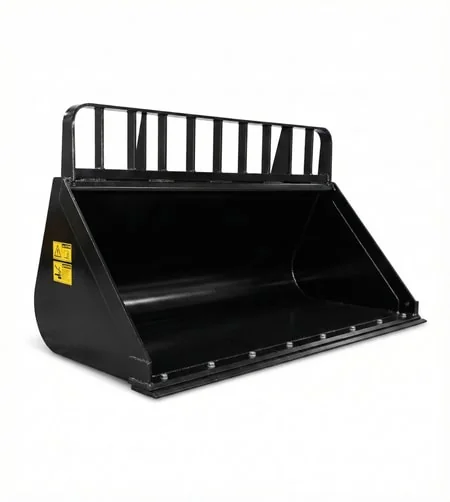
Bucket
 03
03
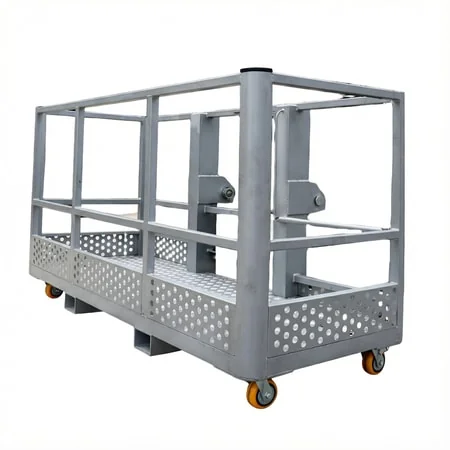
Work Platform
 04
04
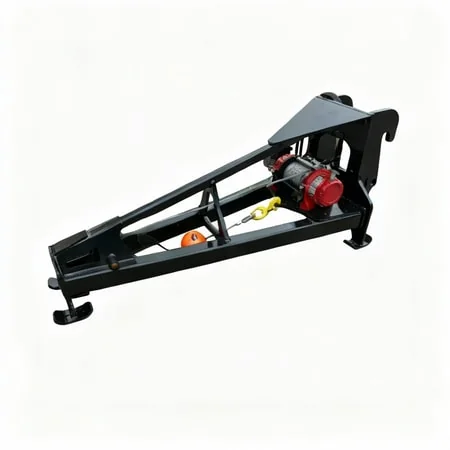
Jib / Truss Boom
 05
05
Concrete Bucket
Need Attachment Advice?
Attachment weight reduces usable capacity. Include your planned setup in any requirement review.
Attachment choice changes residual capacity and may change whether 6K is the right class. Include your planned attachments in any requirement review — a machine that fits on headline capacity can fall short once real attachment loads are factored in.
Why Discuss Your Requirements with Telescro?
We match your working load, lift height, reach, and site conditions to the right class. If 6K genuinely fits, we confirm it. If it does not, you know before committing.
Reduce Specification Risk Before Purchase
Catch the wrong class before the order, not after.
We match your working load, lift height, reach, and site conditions to the right class — so you avoid buying into 6K when your real operating conditions demand a higher capacity band. If 6K genuinely fits, we will confirm it. If it does not, you will know before committing.
Keep Class-Up Decisions Grounded
Step up to 8K without restarting from zero.
When 6K is not enough, buyers should not restart the requirement review from zero. We carry the working data forward — load, height, reach, attachments, site constraints — so the class-up discussion builds on what you already confirmed, not a blank sheet.
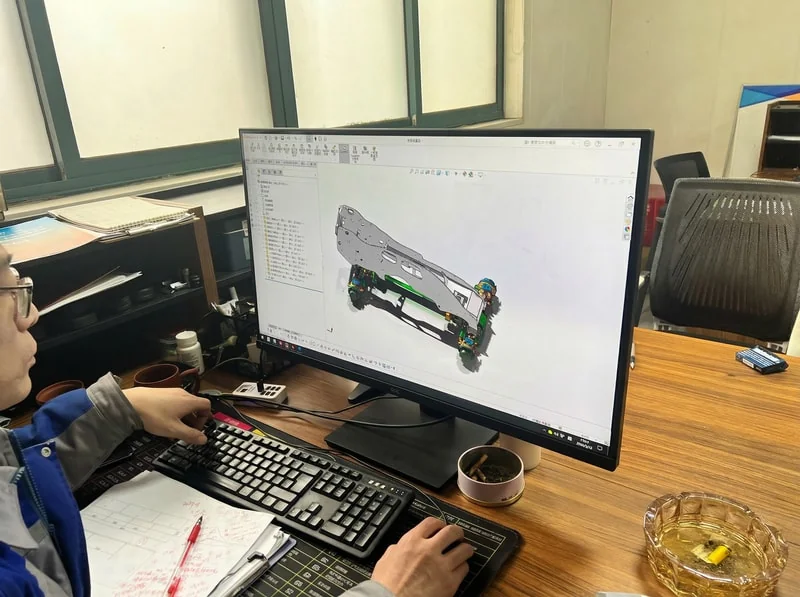
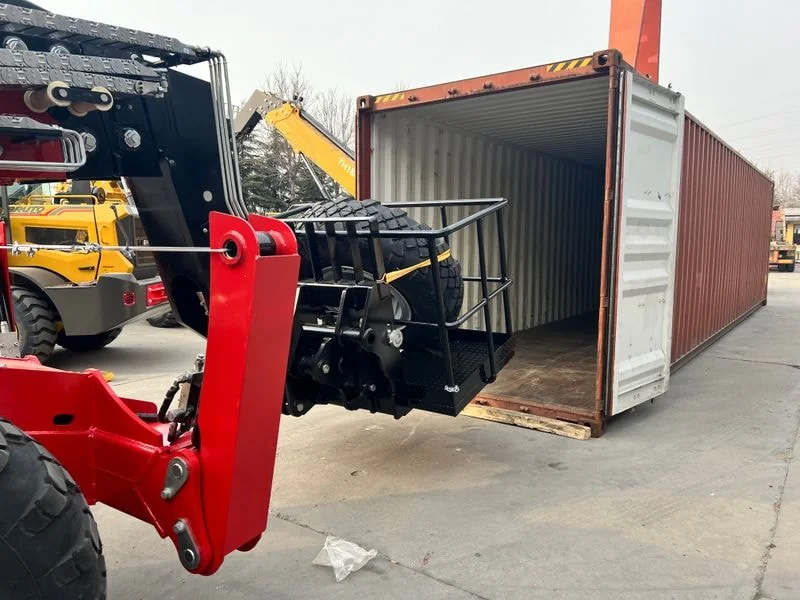
Documentation Tied to Your Configuration
CE, ROPS/FOPS, EPA Tier 4 Final, EU Stage V — documented, not assumed.
Compliance, certification, and destination-market documentation are tied to the actual machine configuration — not assumed from a class label. Certifications are documented across the product line, so the paperwork you receive matches the machine you buy.
Not Sure Whether 6K Is the Right Class?
Share your working load, lift height, forward reach, application type, and destination market. We will tell you whether you should stay in 6K, move up to a larger class, or discuss the closest Telescro fit for your project requirements.
Get Your Capacity Recommendation
Tell us your working load, required lift height, forward reach, application type, and destination market. Our team will confirm whether the 6K class is the right fit or recommend the closest Telescro configuration for your project.

Hi! I'm Sally
Telescro Sales Manager
To help us assess your application:
- Working load (lb or kg)
- Required lift height (ft or m)
- Required forward reach (ft or m)
- Main application (framing, HVAC, masonry, roofing, other)
- Destination market / country
- Attachment needs, if any
No pressure, no obligation
Send Your Requirements
We typically respond within one business day
6K Telehandler — Frequently Asked Questions
Common questions about 6K-class weight, reach configurations, HVAC suitability, class comparisons, attachment impact, and application fit.
01 How much does a 6K telehandler weigh?
A typical 6K telehandler weighs between 14,000 and 17,000 lb (6,350–7,700 kg), depending on the model, boom length, and cab configuration. Extended-reach versions (such as 42ft models) tend to sit at the higher end of that range.
For transport planning — including trailer selection, route permits, and site ground-bearing requirements — always confirm the exact machine weight plus attachment weight, rather than relying on class averages.
02 What is the difference between a 6K 36ft and 6K 42ft telehandler?
Both machines are rated at 6,000 lb capacity, but they differ in reach capability.
A 36ft model typically offers around 34–36 ft lift height and 22–24 ft forward reach, making it suitable for general construction and material handling. A 42ft model extends to 42–44 ft lift height and 28–30 ft forward reach, which is commonly required for rooftop HVAC installation, facade work, and multi-story construction.
The decision should be based on your actual lift height and reach requirements, not just capacity.
03 What is a "lull" in construction?
"Lull" is a job-site term originally derived from the Lull brand, and it is now commonly used by contractors to refer to any telehandler.
For example, a "6K lull" typically means a telehandler with 6,000 lb capacity, regardless of brand. The terminology varies, but the selection process remains the same: match the machine to your load, reach, and jobsite conditions.
04 Is a 6K telehandler enough for HVAC installation?
In many cases, yes — especially when using a 42ft-reach model for rooftop placement on mid-rise buildings.
However, the key factor is not rated capacity alone, but capacity at working height and reach. As the boom extends, usable capacity decreases significantly. If your equipment weight plus attachment approaches the chart limit at rooftop height, stepping up to an 8K class provides a more reliable safety margin.
05 What is the difference between a 6K and 8K telehandler?
An 8K telehandler provides higher lifting capacity and often greater reach capability, but it also comes with increased machine size, transport requirements, and cost.
The decision should not be based on headline capacity alone. If your working load is close to the limit of a 6K machine — especially at height or with heavy attachments — upgrading to an 8K class improves stability, safety margin, and productivity.
06 Can a 6K telehandler lift my load at full reach?
Not necessarily. A 6K telehandler can lift 6,000 lb only at its most favorable position, typically with the boom retracted and the load close to the chassis.
At maximum forward reach or near full lift height, usable capacity drops significantly. In many cases, the machine may only handle a fraction of its rated load at full extension.
To determine feasibility, you must check the load chart at your exact lift height, forward reach, and attachment setup. If your operation regularly approaches these limits, a higher-capacity class may be required.
07 What jobs is a 6K telehandler best suited for?
A 6K telehandler is commonly used in general construction, framing, material staging, and mid-rise building work.
It provides a balance between reach, capacity, and maneuverability, making it one of the most versatile classes on job sites. The 42ft configuration is especially suited for rooftop work, facade installation, and multi-floor material placement.
For lighter agricultural tasks, smaller machines may be more efficient. For heavier structural loads or repeated high-reach lifts, larger classes may be more appropriate.
08 Does attachment weight affect a 6K telehandler's capacity?
Yes. Attachments such as buckets, truss booms, or work platforms reduce the usable lifting capacity, because their weight is included in the load chart calculation.
In addition, many attachments shift the load center forward, which further reduces effective capacity at reach. This means a lift that is acceptable with forks may exceed limits when using a heavier attachment.
Always verify capacity using the attachment-specific load chart when available.
Still have a question about 6K-class fit, reach configuration, or whether 8K is the right step up?