











China 5K Telehandler

Typical 5K Telehandler Specifications
| Specification | Typical Range |
|---|---|
| Rated Capacity | 5,000–5,500 lb (2,270–2,500 kg) |
| Max Lift Height | 18–20 ft (5.5–6 m) |
| Forward Reach | 10–12 ft (3–3.7 m) |
| Operating Weight | 7,000–9,500 lb (3,200–4,300 kg) |
| Engine Power | 49–74 hp (36–55 kW) |
| Common Attachments | Forks, bucket, platform, jib |
Note: "5K" refers to 5,000 lb capacity, not 5 metric tons. For a full breakdown of spec variations, see our telehandler specifications guide.
What a 5K Telehandler Is Best For
A 5K telehandler is designed for lighter-duty material handling where compact size and maneuverability matter more than maximum lifting power.
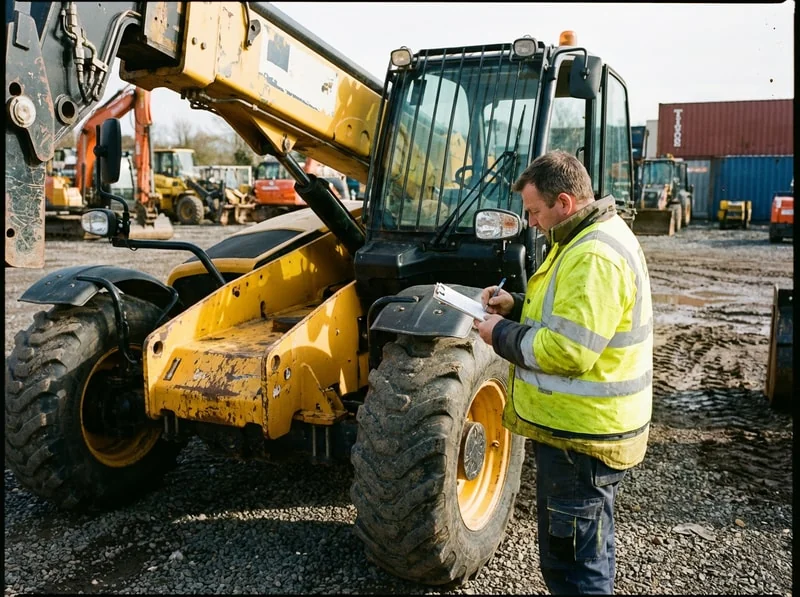
Residential Construction
Ideal for moving roofing materials, pallets of bricks, and framing supplies on small to mid-sized housing projects with limited space.
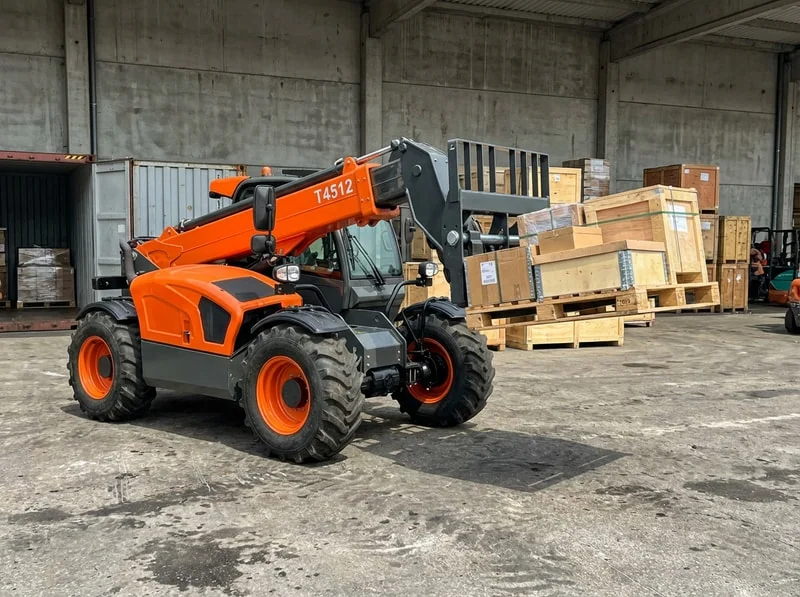
Landscaping & Property Development
Commonly used for transporting soil, stone, and palletized materials across uneven terrain in landscaping and site preparation work.
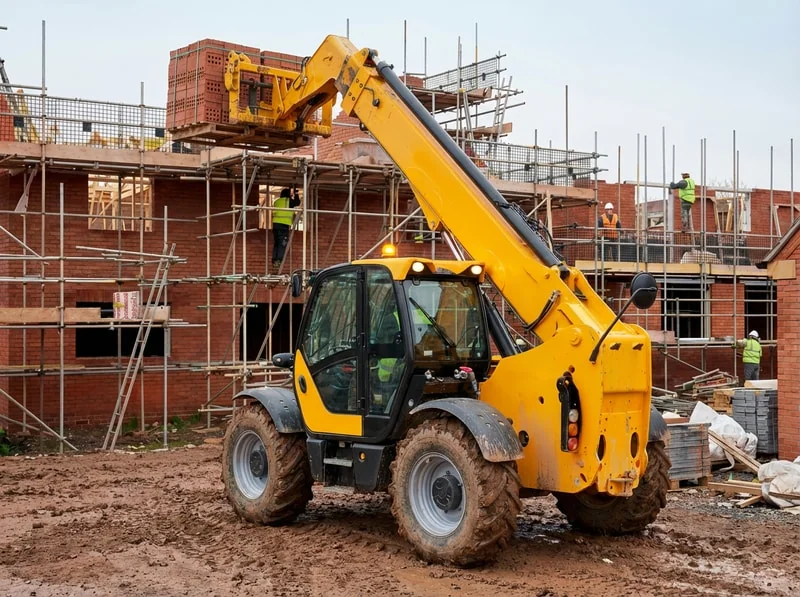
Light Commercial Projects
Suitable for low-rise construction sites where lift height requirements stay below 20 ft and load weights remain moderate.
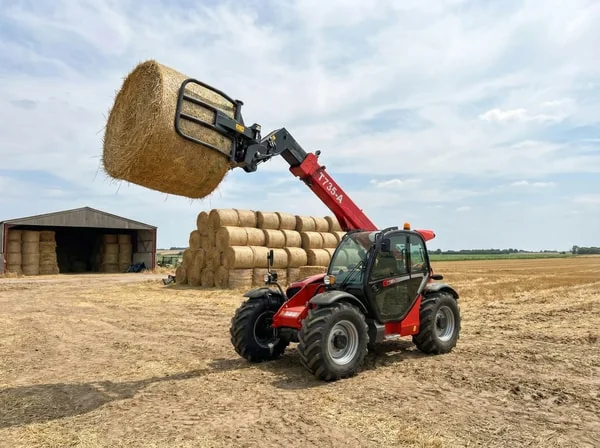
Agriculture & Farming
Used for handling hay bales, feed pallets, and general farm materials where versatility and attachment compatibility are key.
Is a 5K Telehandler Enough for Your Project?
Choosing the right capacity is critical. Undersizing can limit productivity or create safety risks, while oversizing may increase costs unnecessarily.
A 5K Telehandler Is a Good Fit If:
- Your loads are consistently under 4,000–4,500 lb
- Required lift height is below 20 ft
- You are working in tight or compact jobsites
- You mainly use standard forks or light attachments
You May Need a Larger Telehandler If:
- Your loads approach or exceed 5,000 lb
- You need more than 20 ft lift height
- You use attachments (buckets, jibs, platforms) that reduce effective capacity
- You want a safety margin to avoid operating at max load
Many buyers find that moving to a higher capacity class improves jobsite efficiency and reduces long-term operational risk.
Get Capacity Recommendation for Your Jobsite
Not sure if a 5K class machine covers your lifting requirements? Share your project details and our team will recommend the right capacity.
Tell us your load weight, lift height, and jobsite conditions
We compare your requirements against our full product range
You receive a capacity recommendation with factory-direct pricing
Action Plan
Get Capacity Recommendation
Tell us your load weight, lift height, and application scenario. We will match you to the right telehandler class.
Need written confirmation or follow-up files? Email sales@telescro.com.
5K vs 6K vs 8K vs 10K+: Which Class Fits Your Project?
Compare capacity classes to find the right balance of lifting power, reach, and jobsite flexibility for your application.
Not sure which capacity class is right for your project?
Key Buying Considerations for a 5K Telehandler
Selecting a telehandler is not just about rated capacity — it's about how the machine performs in your real working conditions.
Lift Height vs Real Reach
Maximum lift height doesn't always reflect usable working range. Consider forward reach under load.
Safety Margin
Operating near maximum capacity increases wear and safety risks. A margin of 15–25% is typically recommended.
Terrain Conditions
Rough terrain, slopes, and soft ground can reduce lifting performance and stability.
Attachments Impact
Attachments like buckets or jibs reduce effective lifting capacity and must be factored into selection.
Transport & Mobility
Machine weight and size affect transport logistics between jobsites.
Service & Parts Availability
Downtime risk is a major concern — ensure parts availability and service support before purchase.
For a deeper breakdown, see our telehandler specifications guide.
5K Telehandler Price Factors
Instead of focusing on a fixed price range, it's more important to understand what drives telehandler cost.
New vs Used Equipment
Used machines may reduce upfront cost but come with higher maintenance risk.
Engine Hours
Higher usage typically lowers price but increases potential downtime.
Attachments Included
Forks, buckets, and specialty attachments can significantly affect total cost.
Dealer vs Factory Source
Pricing varies depending on distribution channels, location, and logistics.
In many cases, moving up to a 6K–8K class provides better long-term value with minimal additional investment. Learn more: what affects telehandler price.
Common Attachments for 5K Class Telehandlers
Attachments expand the versatility of a 5K telehandler across different jobsite tasks.
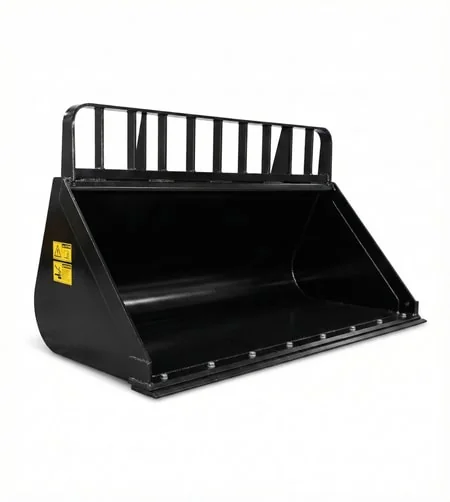
Standard Bucket
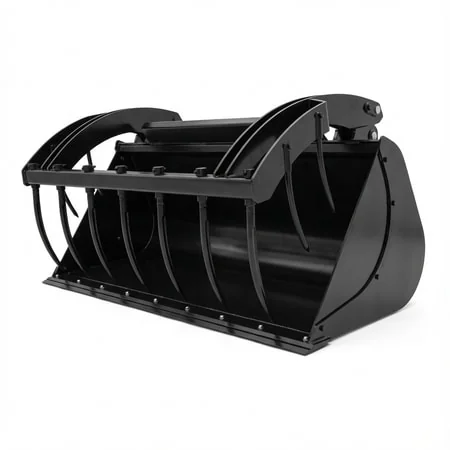
Agricultural Bucket
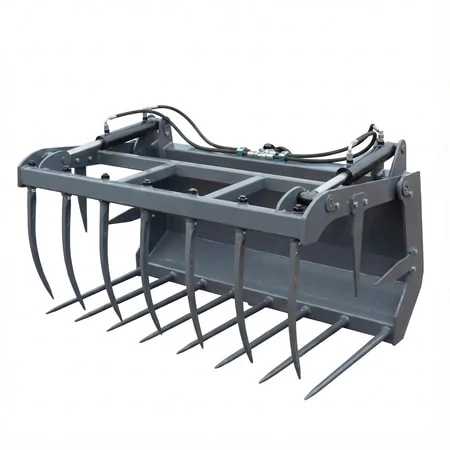
Manure Fork
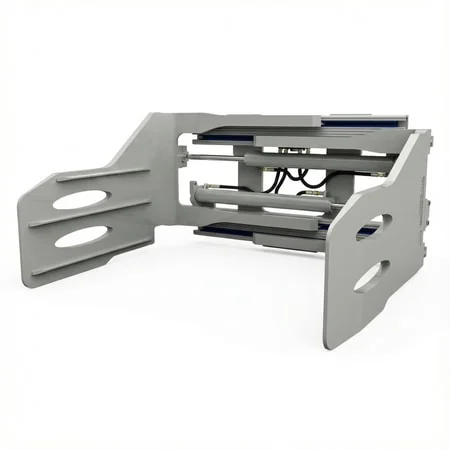
Brick Clamp
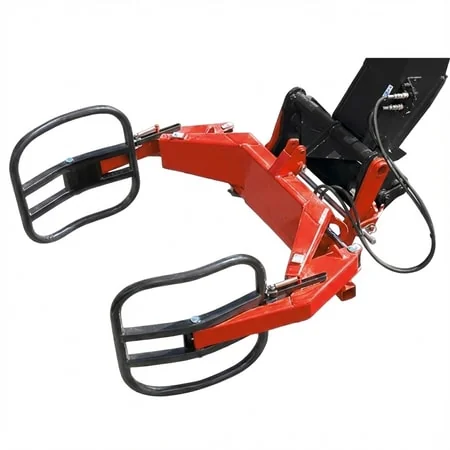
Bale Clamp
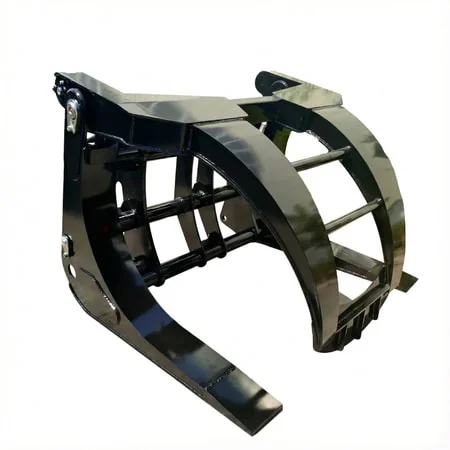
Log Clamp
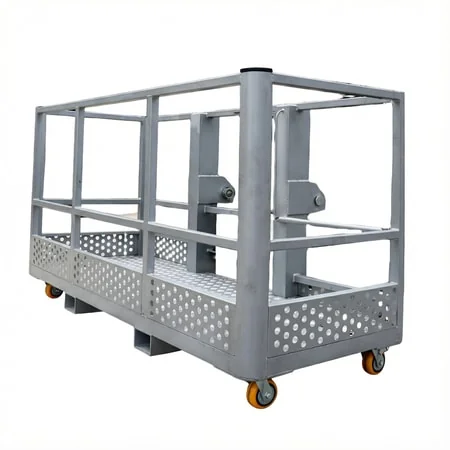
Man Basket
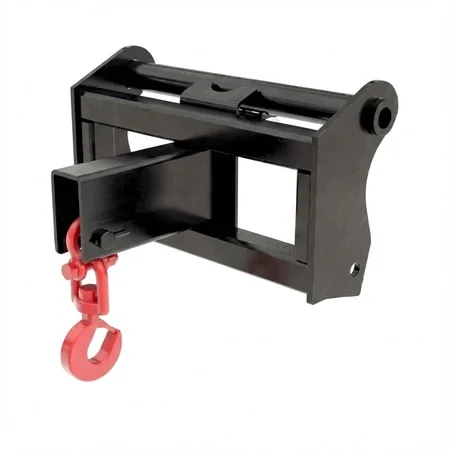
Jib Hook
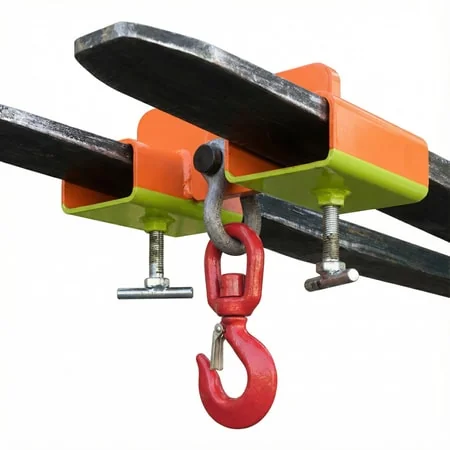
Lift Hook
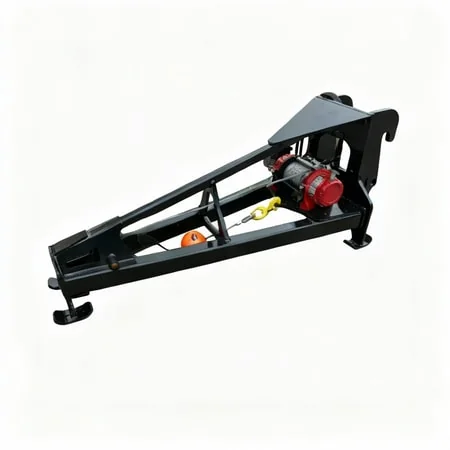
Hydraulic Winch
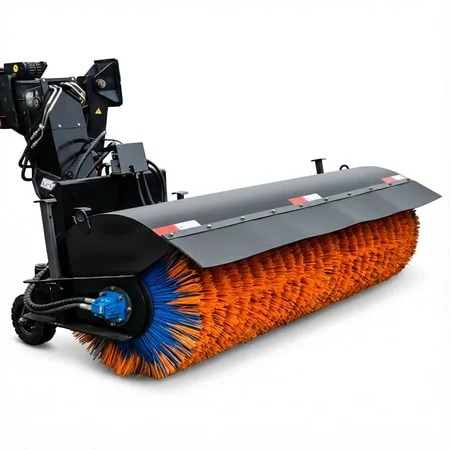
Angled Sweeper
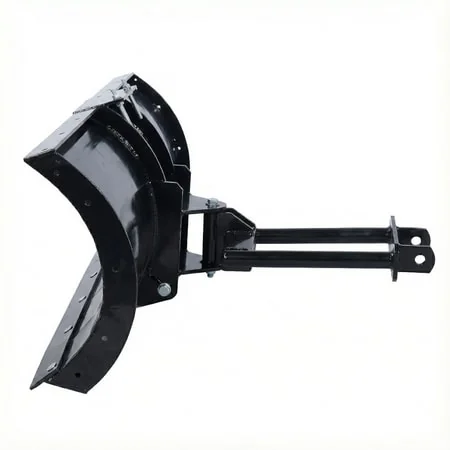
Snow Plow Blade
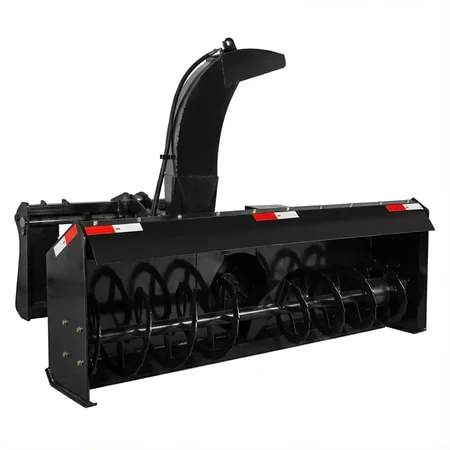
Snow Blower
Custom Attachments
Available upon request
← Swipe to view more →
Note: Attachment compatibility depends on the specific model's hydraulic capacity and mounting system. Heavier attachments reduce effective lifting capacity.
Standard Bucket
Agricultural Bucket
Manure Fork
Brick Clamp
Bale Clamp
Log Clamp
Man Basket
Jib Hook
Lift Hook
Hydraulic Winch
Angled Sweeper
Snow Plow Blade
Snow Blower
Custom Attachments
Tailored solutions available upon request
Compatibility Note
Compatibility depends on hydraulic capacity. Heavier attachments reduce effective lifting capacity.
Ready to Get Pricing on a 5K Telehandler?
Tell us your jobsite needs, attachment requirements, and target market. We'll send you a detailed quote within 24 hours, factory-direct pricing, no middleman markup.
Why Equipment Buyers Work With Telescro
Telescro is a direct telehandler manufacturer, not a dealer.
Factory-Direct Pricing
No middleman markup
20+ Years Experience
10,000+ machines delivered
CE & EPA Certified
Compliant equipment worldwide
Not Sure Whether a 5K Telehandler Is Enough?
Tell us your load weight, lift height, and application scenario. Our team will recommend the right capacity — helping you avoid costly mistakes.
Whether you need a 5K, 8K, or something larger — we will match you to the right machine at factory-direct pricing.
Next Step
Get Capacity Recommendation
You can also reach us by email at sales@telescro.com.
Frequently Asked Questions
Common questions about 5K telehandlers — capacity, specifications, jobsite fit, and how they compare to larger classes.
Still have questions about choosing the right telehandler?
Useful Telehandler Resources
Reference materials to support your telehandler buying decision, equipment selection, pricing research, and long-term maintenance planning.
Equipment Selection
Comparison & buying decision guides
Choose the Right Lift Height
NEWLift height selection guide
New vs Used Telehandler
NEWInvestment comparison guide
Telehandler or Wheel Loader?
Side-by-side equipment comparison
Telehandler or Forklift?
Equipment selection comparison
Application & Sourcing
Industry-specific sourcing guides
2026 Sourcing Guide
Step-by-step evaluation reference
China Telehandler for Agriculture
Farm-specific sourcing from China
Telehandler for Construction
Building & infrastructure applications
China Telehandler for Rental
Rental fleet sourcing from China
Pricing, Logistics & Maintenance
Costs, shipping & aftercare planning
Maintenance Checklist
NEWDaily, weekly, monthly & annual guide
What Affects Telehandler Price?
Cost factors & pricing transparency
Import & Customs Guide
Documentation for overseas purchases
Shipping Time Reference
Production and transit timelines
Container Loading Cases
Real shipping examples
Wear Parts & Consumables
Maintenance planning reference
Request a Capacity Recommendation
Share your project requirements and our team will recommend the right telehandler capacity for your application.

Hi, I'm Sally.
Sales Manager at Telescro
You can reach out if you'd like help with:
- Confirming whether a 5K class is enough for your application
- Comparing 5K vs 6K, 8K, or larger capacity classes
- Choosing the right attachments for your jobsite tasks
- Reviewing shipping routes, timeframes, and total landed cost
- Understanding what a first order typically looks like
There's no pressure to place an order. Share your situation and questions, and we'll take it from there.
Send a Message
Share your questions or requirements — Sally will respond within 24 hours.