










Why Buy a Telehandler Directly
from a China Factory?
A Practical, Cost-Effective Choice for Professional Equipment Buyers

Not just lower cost — but a clear, proven way to buy reliably from China, with pilot orders, spare parts planning, and direct factory support.
-
Factory Direct Supply
In-house R&D and manufacturing, export-focused production
-
Risk-Controlled Purchasing
Sample machines, small batch testing, no forced MOQ
-
Practical After-Sales Support
Standard spare parts list, express delivery, online diagnostics
What You'll Learn
Why Factory Direct
Buying directly from a China factory is not about taking risks — it's about controlling them.
When overseas buyers consider sourcing telehandlers from China, the real question is not "Is it cheaper?" It's "Can I manage quality, communication, and long-term support?" Choosing a factory-direct supplier gives you clearer answers at every stage of the decision.
Who It Fits
This factory-direct approach works best for buyers who know what they need — and want control over how they buy it.
Not every telehandler buyer is a good fit for factory-direct sourcing. This model is designed for professional buyers who value clarity, flexibility, and long-term cost control.
This Is a Good Fit If You Are:
- Construction contractors expanding fleets for ongoing or multi-project use
- Rental companies focused on utilization, serviceability, and return on investment
- Industrial or agricultural users with in-house maintenance capability
- Buyers who prefer direct technical communication instead of layered intermediaries
- Teams comfortable managing equipment with clear documentation and remote support
These buyers typically evaluate equipment based on performance in real working conditions, not brand labels alone.

Professional Buyers
Who value clarity, flexibility & control
This May Not Be the Right Fit If You:
- Require walk-in local dealer service for every maintenance or repair task
- Plan to purchase a single unit and rely entirely on third-party support
- Expect a factory to manage on-site service operations in your local market
- Are looking for a short-term solution without planning for parts or maintenance
In these cases, a traditional dealer-based purchasing model may be more suitable.
Popular Models
Explore our most requested telehandler models — from compact agricultural units to high-reach construction machines.
Each model can be customized based on your application requirements. Select a model below to view specifications or request a quotation.

T4512
1.2 t Mini Telehandler
Compact 4.5 m telehandler for confined spaces, light-duty material handling, and urban job sites.

T625-A
2.5 t Agricultural Telehandler
Upgraded 6 m agricultural model with imported components, designed for daily farm operations and confined areas.
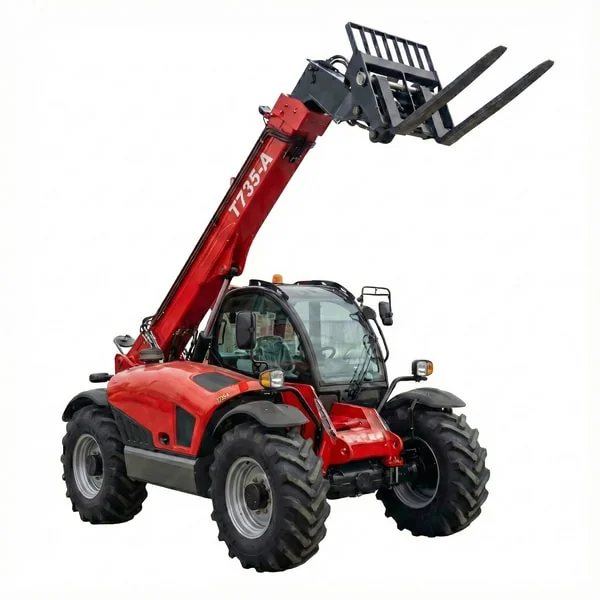
T735-A
3.5 t Agricultural Telehandler
Upgraded 7 m agricultural telehandler with imported configuration, ideal for intensive material handling on farms.
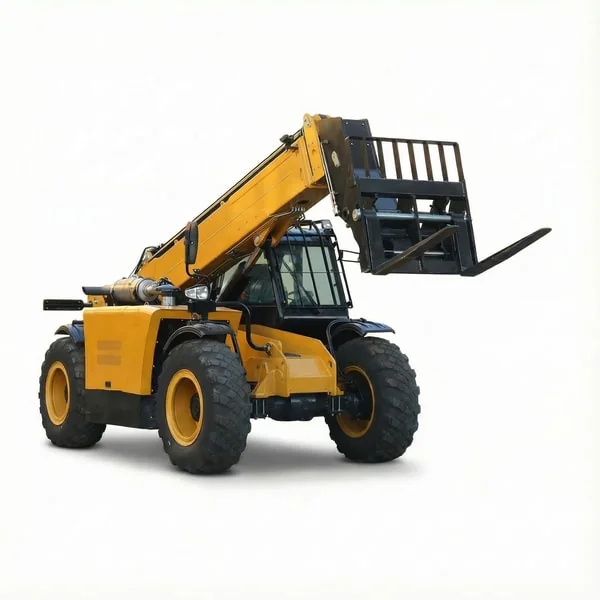
T3507
3.5 t Telehandler
Compact 7 m telehandler for construction and industrial handling, offering a practical balance between size and lifting capacity.
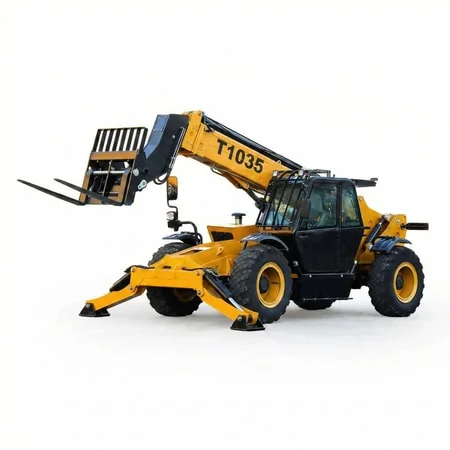
T1035
3.5 t Telehandler
Versatile 10 m telehandler designed for construction sites, warehouses, and general material handling applications.
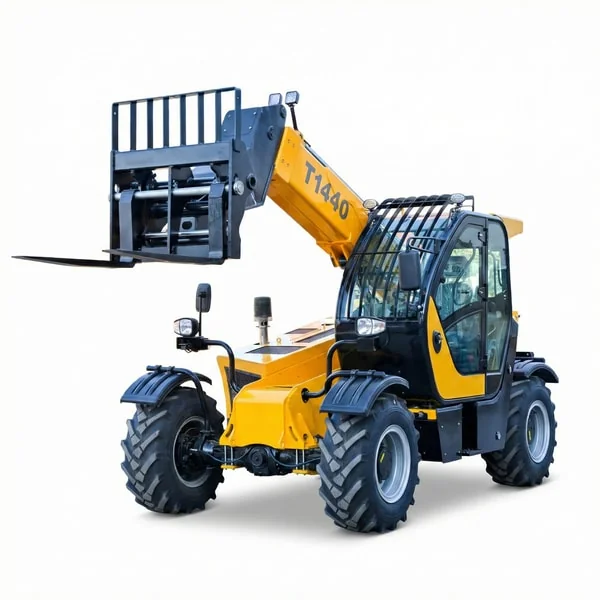
T1440
4.0 t Telehandler
Heavy-duty 14 m telehandler providing increased reach and lifting performance for demanding construction and industrial use.
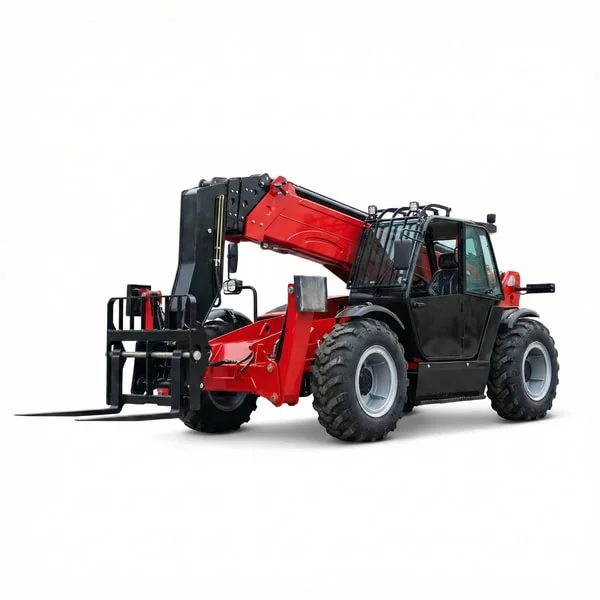
T1850
5.0 t Telehandler
High-reach 18 m telehandler built for large construction projects and rental fleets requiring maximum lifting capacity.

TH1840
4.0 t Telehandler · EPA Compliant
17.5 m telehandler designed for North American market with EPA-compliant powertrain for construction and rental applications.
Don't see the right model? and we'll recommend the best fit.
Equipment Reliability
What matters most is not how the machine performs on day one — but how it performs after months of real work.
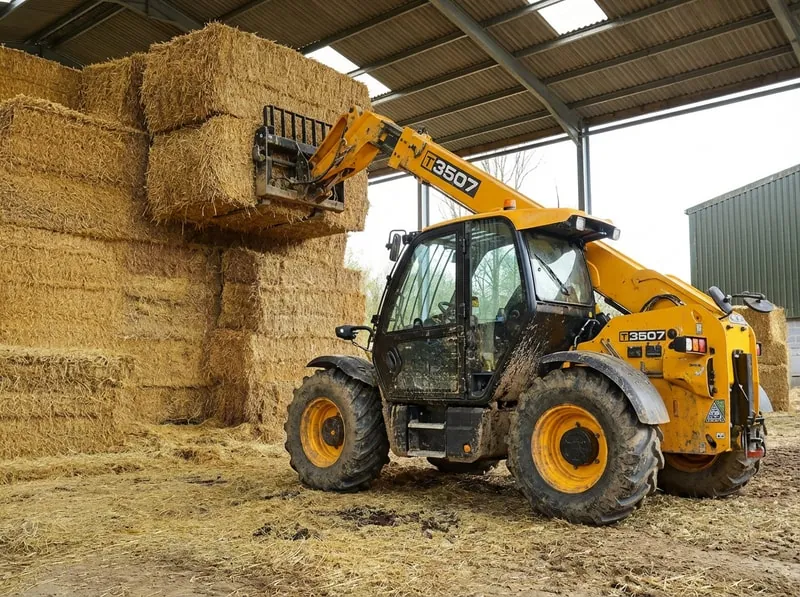
Built for Continuous Use
You need a machine that keeps working, not one that only looks good on day one.
Our telehandlers are designed around stable structures and proven components, so daily operation stays predictable over time.
You get equipment built for ongoing work cycles — not short-term performance tests.
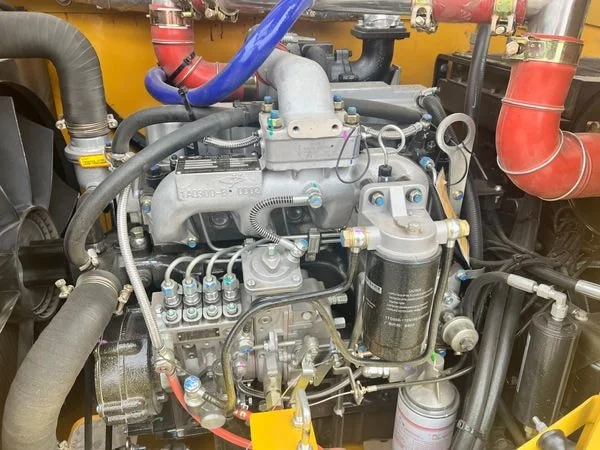
Simple Systems, Easier Maintenance
When something needs attention, you don't want complex systems slowing you down.
The machine layout focuses on accessibility and serviceability, making routine checks and repairs easier for your maintenance team.
That means less downtime and fewer surprises during operation.
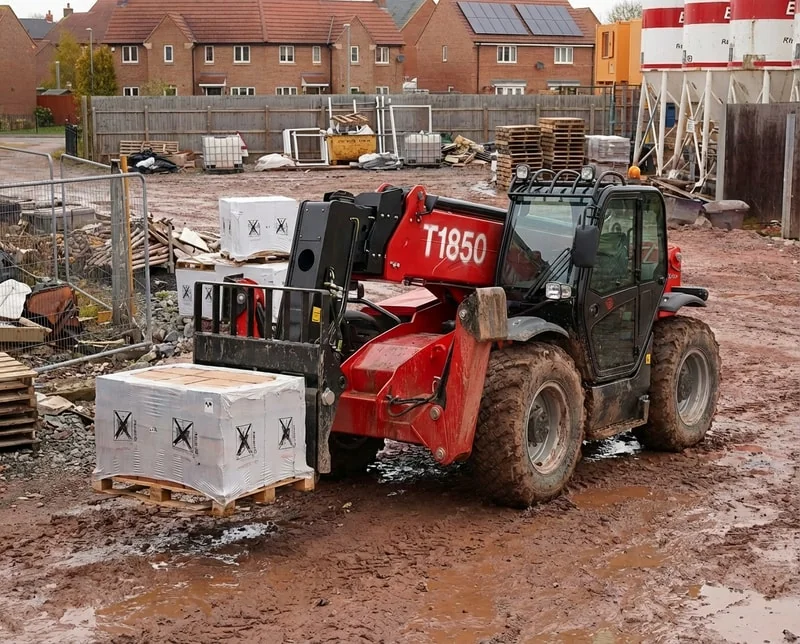
Reliability You Can Verify, Not Assume
You shouldn't have to "hope" a machine is reliable — you should be able to check it.
Before scaling up, you can validate performance through pilot orders or small batch testing.
You see how the machine performs in your own working conditions, not just in specifications.
Reliability is only one part of the picture.
The next concern for most buyers is what happens when parts or support are needed.
Spare Parts & Downtime
When you buy equipment from overseas, parts availability is a real concern. We address it before delivery — not after something breaks.

Know Your Wear Parts in Advance
You shouldn't discover spare parts needs only after something breaks.
Before shipment, you receive a standard wear parts list covering the items most likely to be needed during normal operation. This helps you plan maintenance instead of reacting to unexpected downtime.
Critical Parts Confirmed Before Delivery
You want clarity on key components before the machine ever reaches your site.
Critical wear parts can be confirmed and reviewed before dispatch, so you know exactly what is installed and what should be prepared locally. There is no guessing after the machine arrives.


Express Delivery When Time Matters
When downtime costs money, waiting weeks is not an option.
For urgent situations, spare parts can be shipped via express delivery, reducing idle time when quick action is required. You are not limited to standard shipping when a machine needs to get back to work.
Parts Planning, Not Afterthoughts
Spare parts are part of the purchasing plan — not a conversation after failure.
Parts availability, wear items, and replenishment options are discussed before the first order, not after a problem appears. This approach helps you stay in control instead of reacting under pressure.

Downtime is easier to manage when support is clear.
The next concern is how technical support is handled when issues arise.
What buyers really want to know is simple:
If something goes wrong, can I reach you — and will it actually get handled?
Factory-direct support is not about having people on-site. It's about knowing who you talk to, how problems are handled, and what happens next.
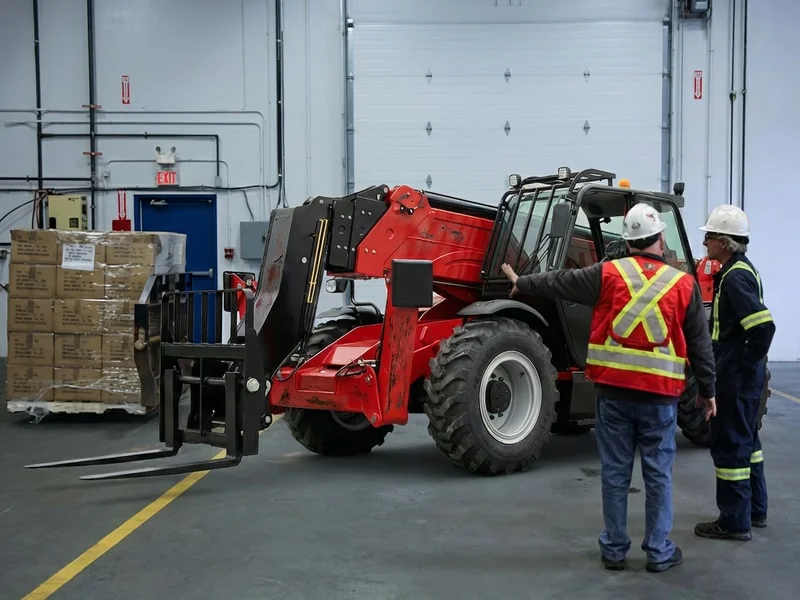
Direct Communication
Same team, every time
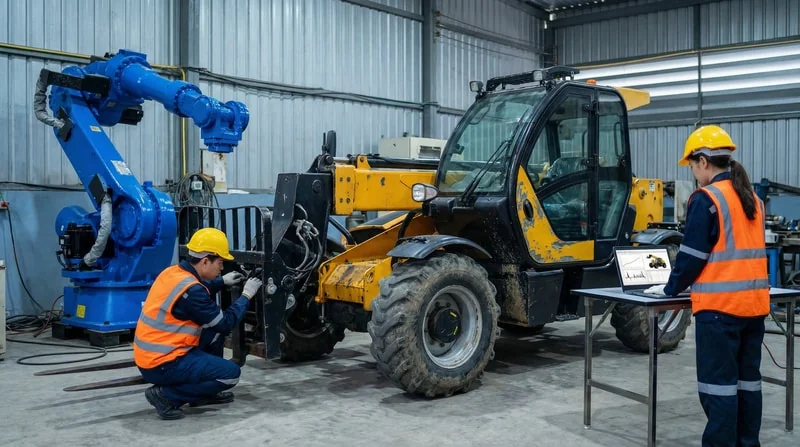
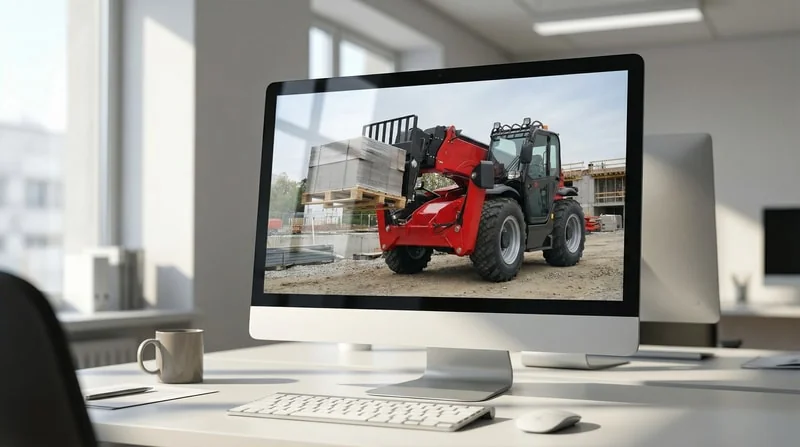
Support works best when it is clear, reachable, and consistent.
For many buyers, the next question is how to reduce risk before the first order ships.
First-Time Buying Risk
You shouldn't be asked to take a big risk on a first order.
When you're buying from a factory for the first time, confidence doesn't come from promises. It comes from being able to start small, check the results, and move forward at your own pace.
Start with a Sample or Pilot Machine
You don't need to commit to volume before you see real performance.
You can begin with a sample machine or pilot order to evaluate how the telehandler works in your actual operating conditions. This gives you first-hand experience before making broader purchasing decisions.
Test with Small Batches
Scaling doesn't have to happen all at once.
Instead of being pushed into large quantities, you can move forward with small batch orders. This allows your team to test reliability, maintenance routines, and operator feedback without pressure.
Increase Volume After Validation
You stay in control of when and how you scale.
Once performance, parts support, and communication meet your expectations, you can increase order volume gradually. There is no forced MOQ that locks you into decisions before you are ready.
How to Start
Starting factory-direct doesn't require a leap of faith.
It works best when you move step by step. Most buyers follow a simple process when working with us for the first time.
Confirm Your Application
Start with how the machine will actually be used.
You share basic information about your working conditions, load requirements, and operating environment. This helps ensure the configuration matches real jobsite needs.
Review Configuration and Parts Planning
Before any order is placed, details matter.
You review the recommended configuration together with a standard wear parts list, so expectations on performance and maintenance are clear.
Begin with a Sample or Small Batch
There is no pressure to start big.
Most first-time buyers begin with a sample machine or a small batch order to evaluate performance in real conditions.
Validate Performance On Site
You decide what "acceptable" looks like.
The machine is tested in daily operation, allowing your team to confirm reliability, maintenance routines, and support communication before any scale-up.
Scale at Your Own Pace
Only after validation do buyers increase volume.
Once the equipment and support meet your expectations, order quantities can be adjusted based on project demand — without forced commitments.
Confirm Your Application
Start with how the machine will actually be used.
Share working conditions, load requirements, and operating environment to ensure configuration matches real jobsite needs.
Review Configuration and Parts Planning
Before any order is placed, details matter.
Review configuration with standard wear parts list so expectations are clear.
Begin with a Sample or Small Batch
There is no pressure to start big.
Most first-time buyers begin with a sample machine or small batch to evaluate performance.
Validate Performance On Site
You decide what "acceptable" looks like.
Test in daily operation to confirm reliability, maintenance routines, and support communication.
Scale at Your Own Pace
Only after validation do buyers increase volume.
Adjust order quantities based on project demand — without forced commitments.
This process keeps decisions practical and risk controlled.
If you'd like to discuss your first step, the next section shows what to review before reaching out.
Factory Capabilities
When you buy factory-direct, what matters is not the factory's claims — but whether the supply behind your machine is stable, export-ready, and accountable.
This section is not about scale for its own sake. It's about what you need to know to judge whether a factory can support your orders today — and still be there tomorrow.

Stable Production You Can Rely On
You need to know the factory behind your equipment can deliver consistently.
Production is organized for repeat orders, not one-off shipments. With an annual output around 500 units, supply planning is built around continuity — so follow-up orders, spare parts, and future expansion don't depend on a single production run. You are not relying on temporary capacity or outsourced assembly.
Export-Ready from Day One
Export is not a side business — it's the normal workflow.
Packaging, documentation, and shipment preparation follow established export procedures. This reduces delays caused by missing paperwork, unclear packing standards, or last-minute adjustments. For overseas buyers, this means fewer surprises once the order is placed.


Direct Technical Ownership
When questions come up, you want answers from the source — not guesses.
Design, configuration, and production are handled in-house. This means technical questions, configuration changes, or follow-up support are discussed with the team that actually builds the machine. Responsibility stays clear, and communication stays direct.
Controlled Assembly and Inspection
You want the machine delivered to match what was confirmed — not "something close."
Assembly follows defined configurations, and machines are checked before dispatch to ensure they match agreed specifications. This helps reduce inconsistencies between units and avoids surprises when equipment arrives on site. Your order is built as confirmed, not adjusted after the fact.

Shipping & Delivery
What matters in shipping is not distance —
it's whether the process is routine, prepared, and predictable.
When your order is ready, machines are prepared and loaded according to confirmed specifications. Export packing and container loading follow a process that is already familiar, not improvised. You know how the machine leaves the factory, how it is secured, and what to expect before it is on the water.
Sea Freight: Telehandlers are carefully positioned and secured inside shipping containers. Each machine is fixed to prevent movement during ocean transit.
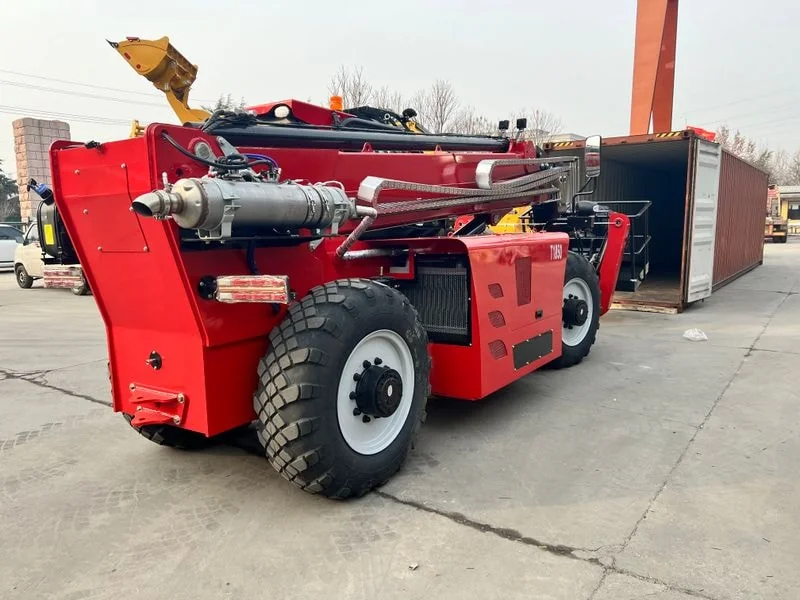
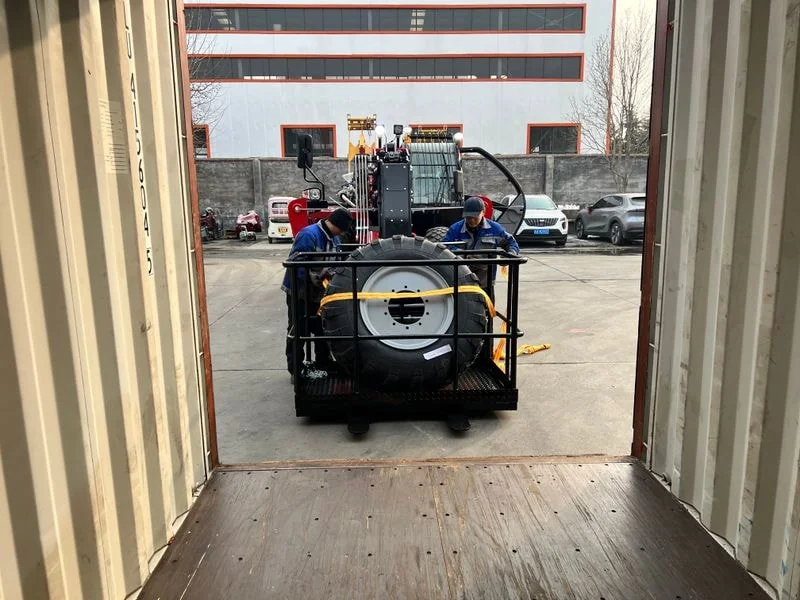
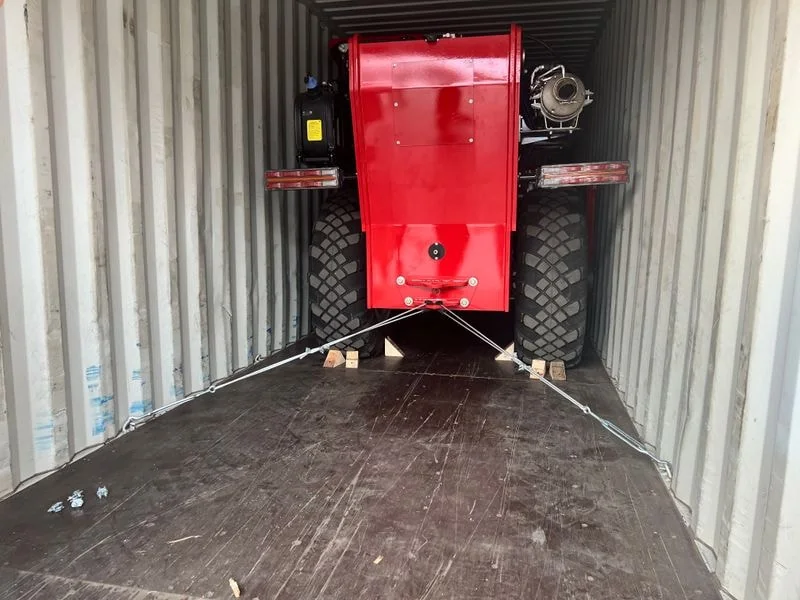
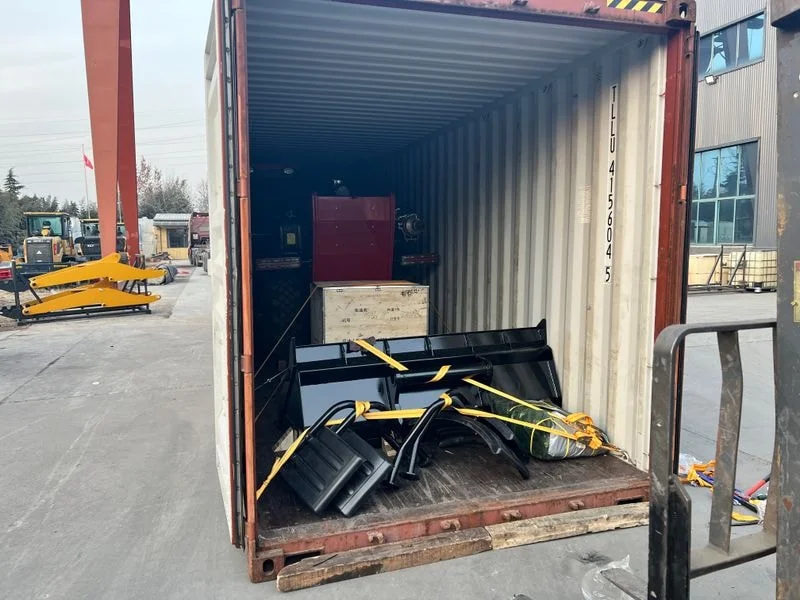
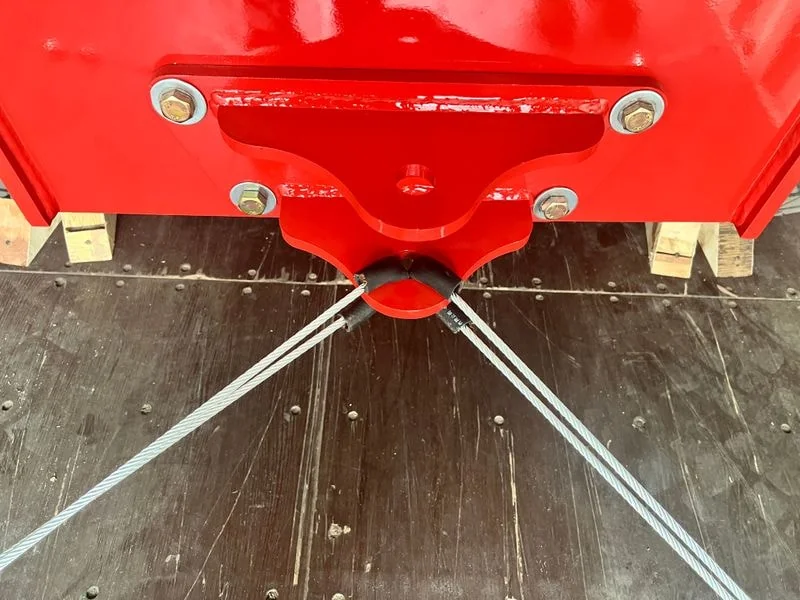
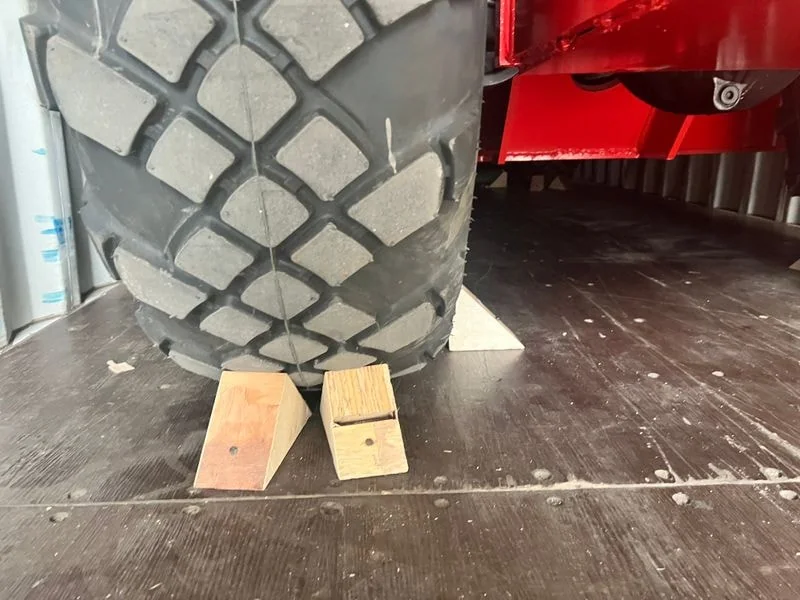
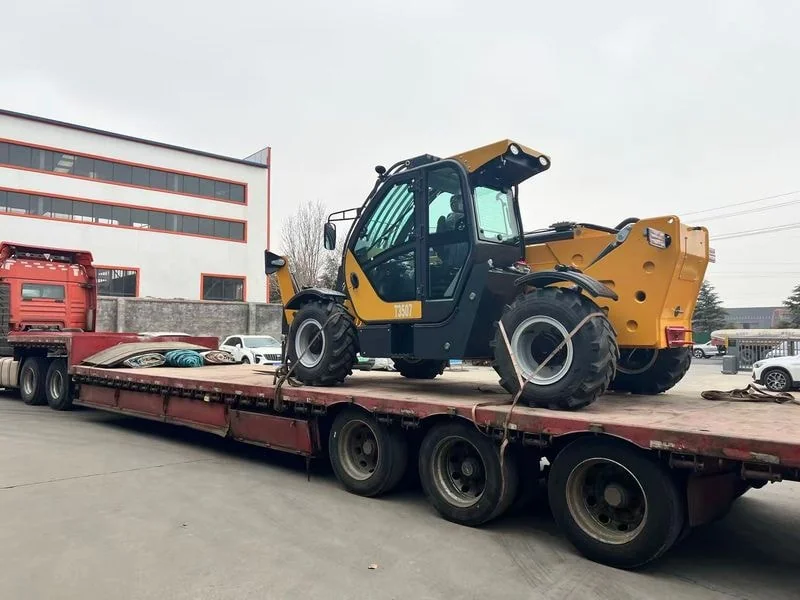
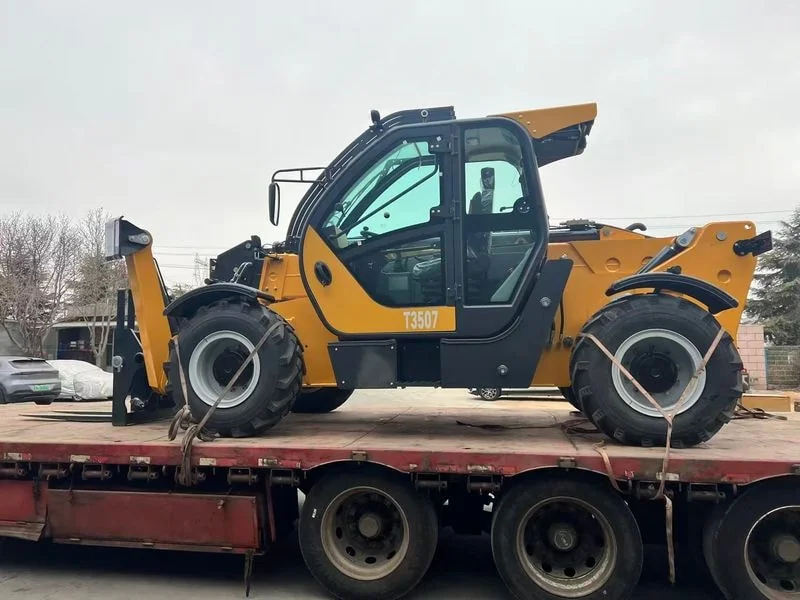
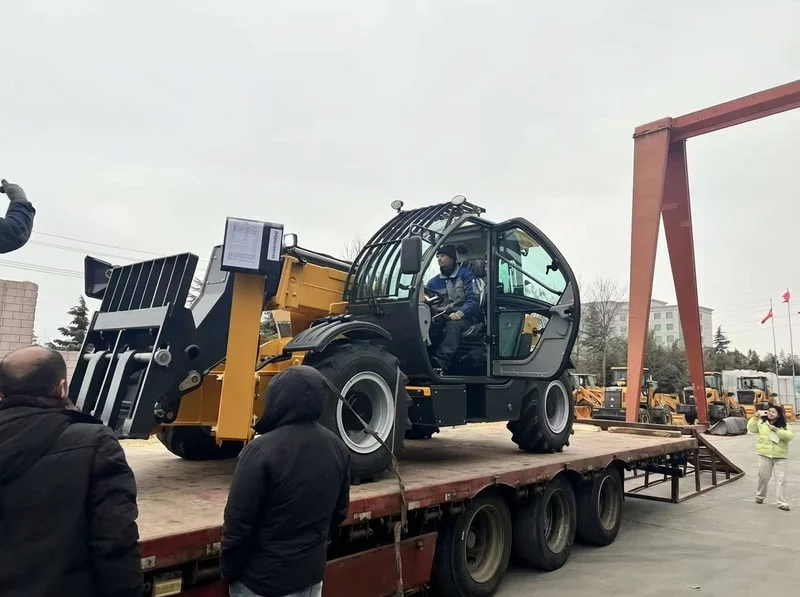
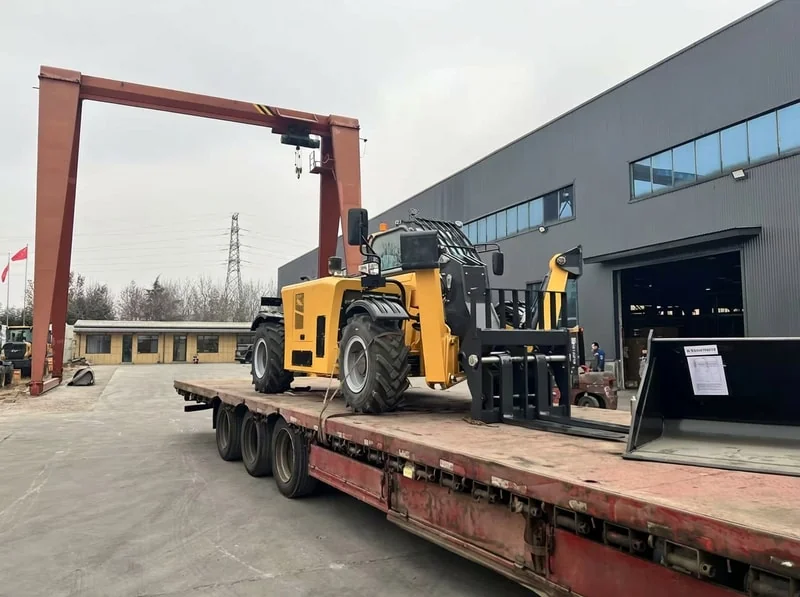
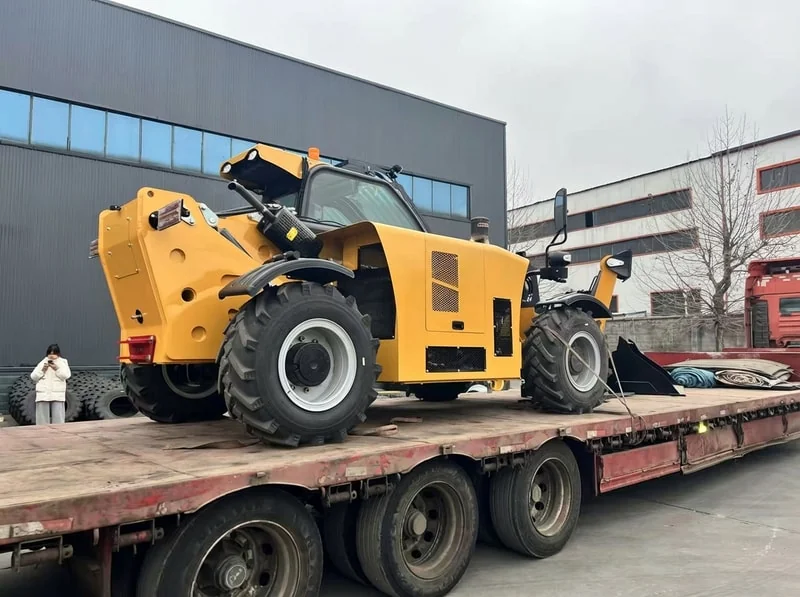
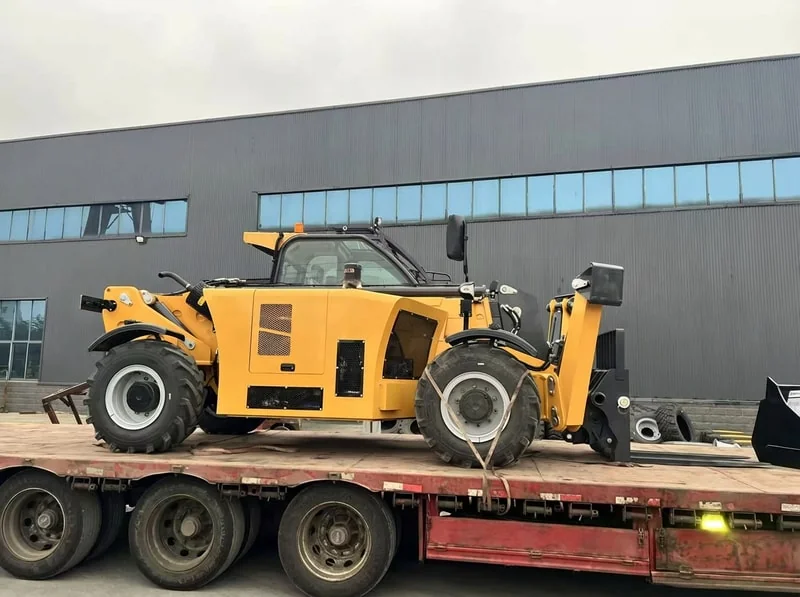
The most suitable shipping method is confirmed with you before shipment, based on destination, cost, and delivery expectations.
Why Not Europe
European telehandlers are well known — but they are not always the right choice for every project.
Choosing equipment is less about where it comes from and more about how it fits your actual needs, budget, and operating conditions.
If this buying logic matches how you plan your fleet,
the next section answers the questions most buyers ask before reaching out.
FAQs
Common questions from buyers considering Chinese telehandlers — covering reliability, support, parts, and how to get started.
Useful Resources for Your Order
If you're reviewing next steps after selecting a telehandler configuration, these resources cover importing, shipping timelines, equipment selection, and long-term maintenance planning.
-
Understand what to expect before your equipment arrives
-
Plan project timelines with realistic delivery estimates
-
Prepare for long-term operating costs and spare parts
Buyer Resource Library
Reference materials for your decision
Telehandler or Forklift?
Equipment selection guide
2026 Telehandler Sourcing Guide
Step-by-step evaluation reference
Import & Customs Guide
Documentation for overseas purchases
Shipping Time Reference
Production and transit timelines
Container Loading Cases
Real shipping examples
Wear Parts & Consumables
Maintenance planning reference
Ready to Discuss Your Requirements?
Whether you're ready to request a quote or still evaluating your options, we're here to provide direct answers.

Hi, I'm Sally.
Sales Manager at Telescro
You can reach out if you'd like help with:
- Confirming which telehandler model fits your application
- Understanding configuration options and pricing structure
- Reviewing spare parts planning and support options
- Discussing production lead times and shipping to your destination
- Answering any questions before you commit to a first order
No pressure to place an order immediately. You can start with a sample machine or small batch to validate performance before scaling up.
Start the Conversation
Share your requirements or questions — I'll respond within 24 hours.