











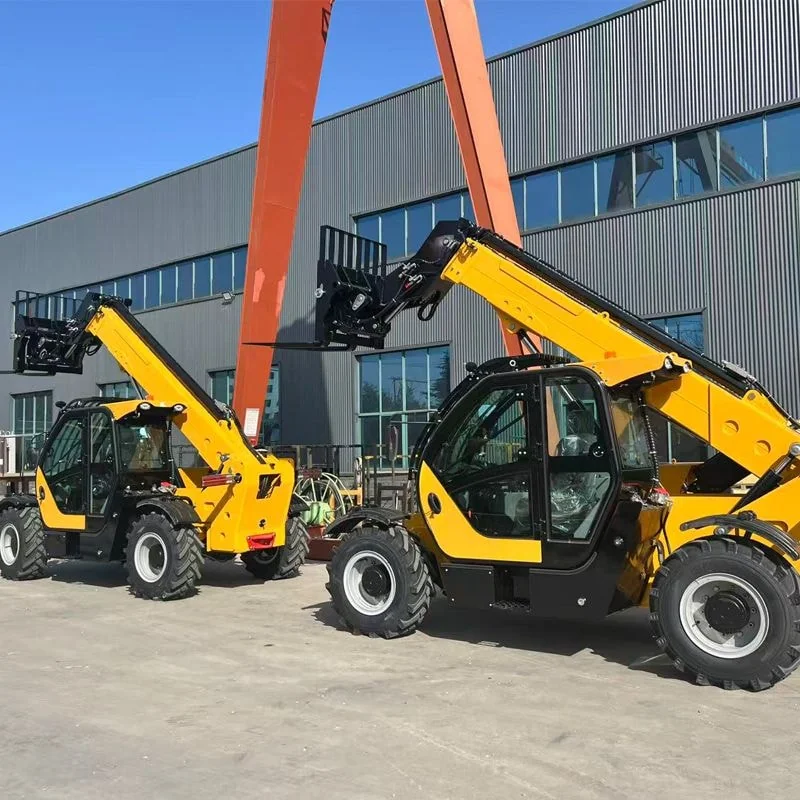
What Affects Telehandler Price?
A Transparent Cost Breakdown for International Buyers
Telehandler prices can vary significantly depending on configuration, components, and market requirements. This guide explains the real cost structure behind different models — so you can evaluate value, not just price.
Why Do Telehandler Prices Vary So Much?
- Is the cheaper one cutting corners?
- Is the expensive one overpriced?
- Or are they actually built for different purposes?

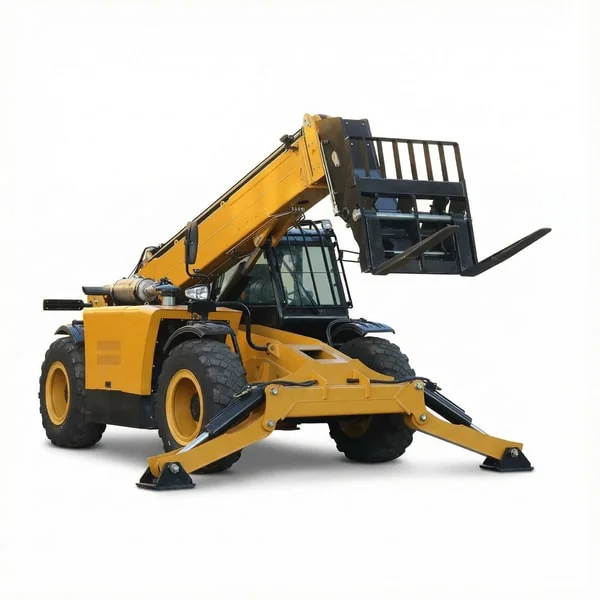
Price range
$50K – $95K+
Behind the price difference, there are typically three key reasons:
The Configuration You Actually Need
Higher lift heights and heavier load capacities require stronger boom structures, reinforced chassis frames, larger hydraulic cylinders, and more robust drivetrains.
Even small increases in capacity can significantly change the internal structure — and therefore the production cost.
The Quality of Core Components
Two machines may share the same basic specifications, but differ in hydraulic systems, transmission type, axle strength, or engine configuration.
For example, a load-sensing hydraulic system offers smoother control and better fuel efficiency — but costs more to produce than a basic gear pump system.
The Intended Application
A telehandler used occasionally for light-duty work has very different requirements compared to a machine running 8–10 hours per day on demanding construction sites.
When suppliers quote different prices, they are often quoting different performance expectations.
Understanding these differences allows you to compare machines based on suitability — not just price tags.
What Makes Up the Cost of a Telehandler?
When comparing quotations, the price you see reflects much more than lift height and capacity. Behind every telehandler, there are structural, hydraulic, mechanical, and manufacturing decisions that directly influence durability, performance, and long-term value.
Here's what you are really paying for.
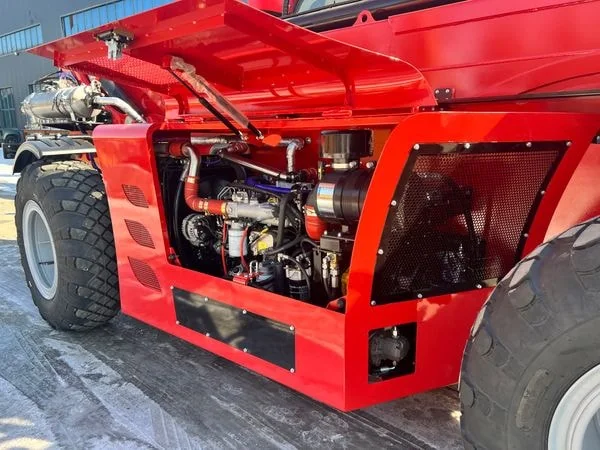
The Machine's Core Structure
At the heart of every telehandler is its boom structure and chassis design. This is what determines how safely and consistently the machine can handle rated loads over time.
- Boom Reinforcement & Steel Thickness — Higher-capacity models require reinforced booms and thicker structural steel to maintain stability at full extension
- Chassis & Frame Strength — A heavy-duty frame reduces flex under load and improves long-term durability on rough terrain
- Safety Margin in Design — Machines built with higher engineering safety margins generally cost more — but offer better long-term reliability
- Rated vs Real Stability — Not all machines with the same "rated capacity" are built to perform equally under demanding jobsite conditions
Stronger structure means higher production cost — but also lower risk during heavy lifting.
Hydraulic Performance & Control System
The hydraulic system determines how smoothly, efficiently, and precisely a telehandler operates.
- Hydraulic Pump Type — Basic gear pump systems are cost-efficient, while load-sensing systems offer smoother control and better fuel efficiency
- Valve & Cylinder Quality — High-quality components improve lifting precision and reduce leakage risk over time
- Cooling & Heat Management — In hot climates or continuous operation, proper oil cooling directly impacts reliability
- Operational Smoothness — Better hydraulic design reduces shock load on the structure, extending overall machine lifespan
A more advanced hydraulic system increases upfront cost, but improves performance and operating comfort.
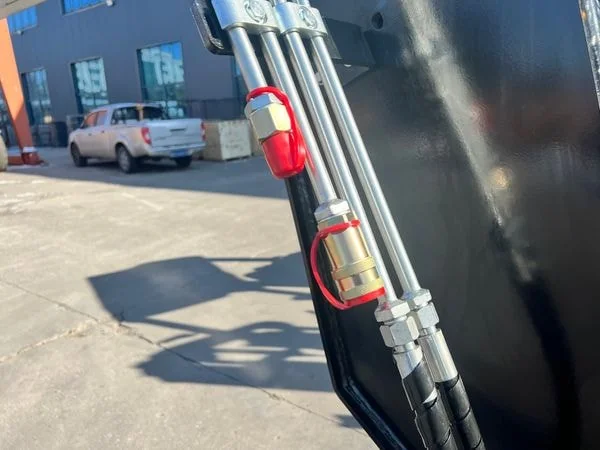
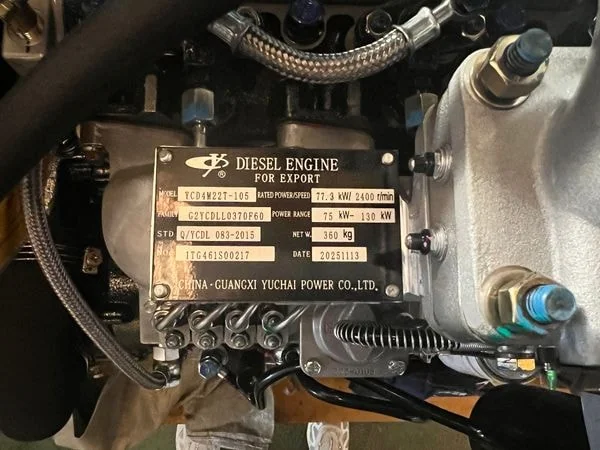
Powertrain Reliability
Engine and drivetrain configuration affect both performance and long-term maintenance.
- Engine Specification Level — Different markets require different emission levels. Simpler mechanical engines may be preferred in some regions for ease of maintenance
- Transmission Design — Powershift or torque converter systems vary in durability and cost
- Axle Strength & Load Rating — Heavy-duty axles are essential for full-load operation on uneven terrain
- Service Accessibility — Well-designed engine compartments reduce maintenance time and downtime
Powertrain quality plays a major role in how the machine performs after thousands of working hours.
Operator Comfort & Safety
Operator environment may not seem like a major cost factor — but it affects productivity more than many buyers expect.
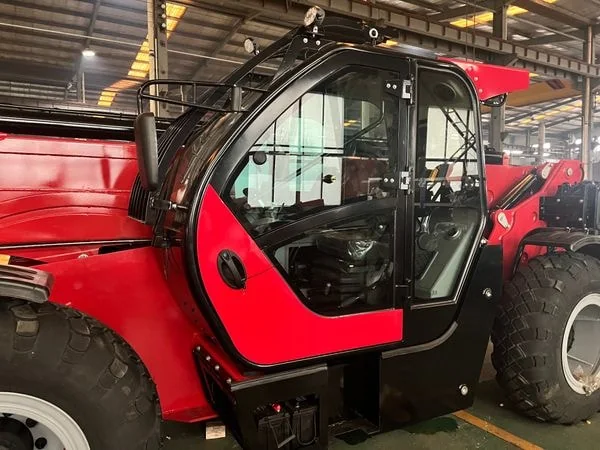
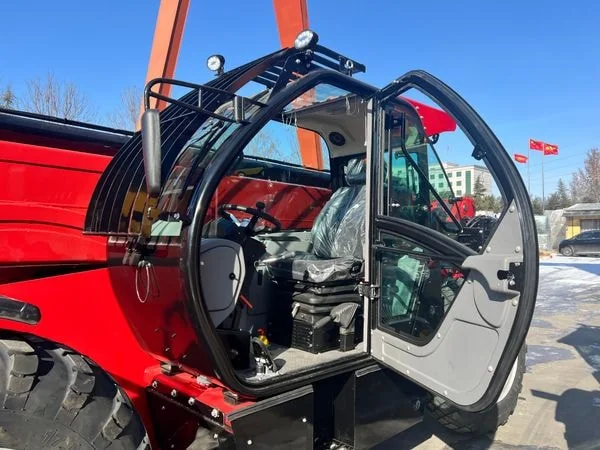
- Cab Structure & Protection Level — Structural safety standards increase manufacturing cost but improve operator protection
- Visibility & Blind Spot Design — Better visibility improves efficiency and reduces jobsite risk
- Control Layout & Ergonomics — Intuitive controls reduce operator fatigue during long working hours
- Electrical & Display Systems — Advanced electronic systems add features, but also increase complexity and cost
A well-designed cab improves daily working efficiency and overall operator satisfaction.
Versatility & Attachment System
Telehandlers are valued for flexibility — but not all machines are equally adaptable.
- Quick Coupler System — Faster attachment changes improve jobsite efficiency
- Auxiliary Hydraulic Lines — Required for advanced attachments such as buckets, clamps, or platforms
- Attachment Compatibility — Some machines support a wide range of agricultural, construction, or industrial tools
- Multi-Purpose Structural Design — Reinforced front-end design supports heavy-duty attachments safely
Greater versatility increases initial cost, but expands the machine's working potential.
Why Two Similar Telehandlers Can Have Very Different Prices
Is the lower-priced machine cutting corners?
Is the higher-priced one really worth the extra investment?
In many cases, the difference is not simply about the machine itself — but about how the machine reaches you.
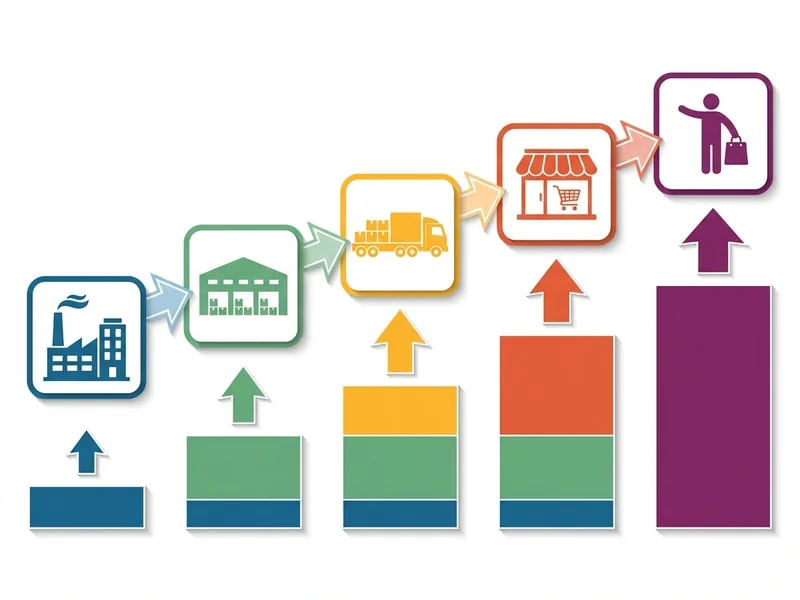
Traditional Distribution
Multiple layers — each adding margin
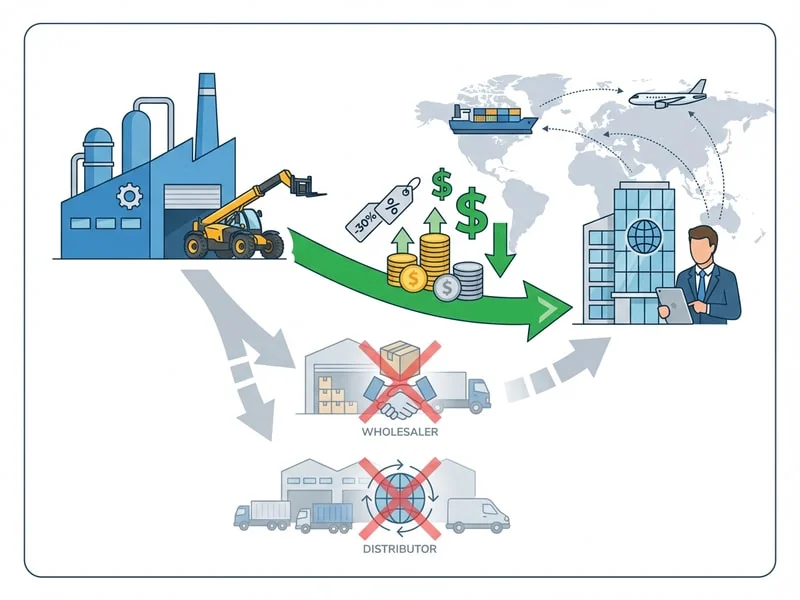
Factory-Direct Model
Shorter path — transparent cost
You May Be Paying for Distribution Layers
When you buy from a global brand with an established dealer network, the pricing structure usually includes:
- Regional distributors
- Local dealers
- Marketing and showroom costs
- Local inventory and service infrastructure
Each layer provides value — but each layer also adds margin. If you purchase directly from a manufacturer, the distribution structure is shorter.
You May Be Paying for Brand Infrastructure
Well-known international brands invest heavily in:
- Global marketing
- Trade exhibitions
- Regional offices
- Large-scale dealer training programs
These investments support brand presence and service coverage. However, they are also reflected in equipment pricing. It's important to understand whether you are paying for machine configuration — or for brand infrastructure.
You May Be Comparing Different Production Models
Not all manufacturers operate at the same scale or with the same supply chain structure.
Factories with stable production volume and direct relationships with engine, hydraulic, and transmission suppliers can often maintain more predictable cost control.
On the other hand, suppliers that rely on outsourced assembly or smaller production runs may have higher unit costs. The result: two machines with similar specifications can have different underlying cost structures.
Lower Price Does Not Automatically Mean Lower Quality
As a buyer, your real concern is risk. You want to make sure that a competitive price does not mean:
- Compromised structural strength
- Reduced component lifespan
- Limited spare parts support
- Uncertain long-term reliability
Understanding the supplier's manufacturing model helps you evaluate whether the pricing difference is structural — or technical.
When you know where the cost comes from, you can make decisions with more confidence.
The Costs You Don't See on the Quotation
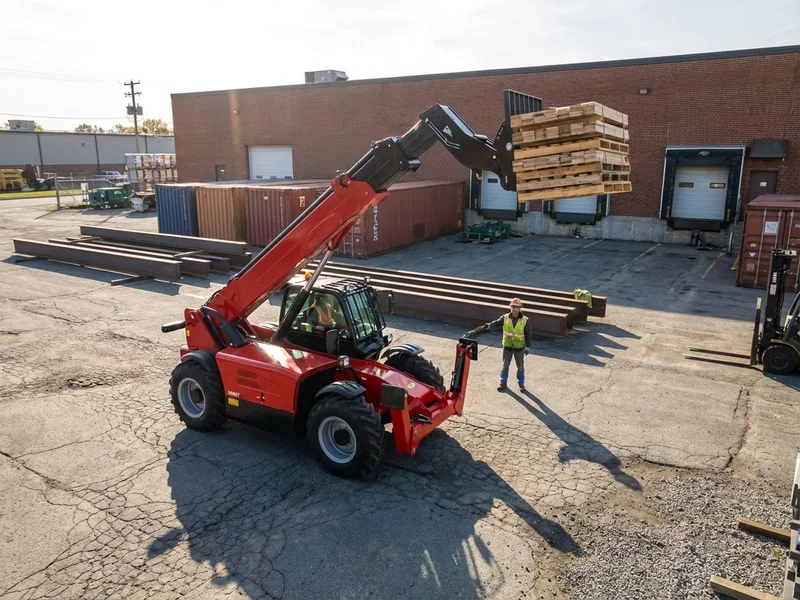
Downtime Costs More Than You Think
When a telehandler stops working, the real cost is rarely just the repair itself. You may face:
Even one unexpected breakdown during peak workload can cost more than the price difference between two machines.
Reliability is not just a technical feature — it directly protects your project timeline and cash flow.
Spare Parts Availability & Delivery Time
No machine runs forever without parts replacement. The key question is: How quickly can you get what you need?
Standardized parts, stable supply chains — downtime minimized
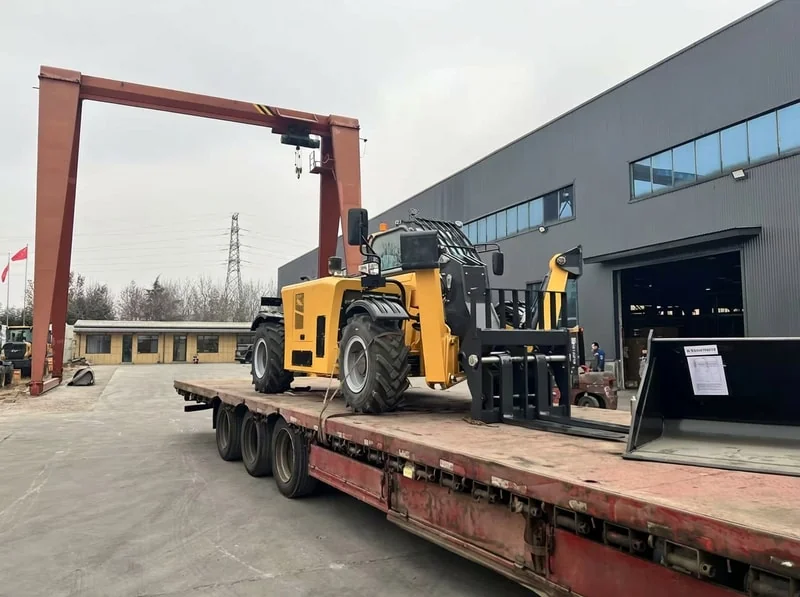
Long international shipping, difficult sourcing — operational risk increases
When evaluating suppliers, consider not only the machine price — but also parts accessibility.
Fuel Efficiency Over Thousands of Working Hours
A small difference in fuel consumption may seem insignificant per day. But over 2,000–5,000 working hours, it adds up.
Over several years, improved efficiency can offset a higher initial purchase price. Long-term operating cost matters more than daily fuel numbers.
Maintenance Complexity & Local Service Capability
In many markets, simplicity can be an advantage.
If a machine requires specialized diagnostic tools or advanced electronic systems for minor repairs, maintenance costs increase — especially in remote regions.
Machines designed with accessible service points and practical mechanical systems are often easier to maintain locally.
Ease of service directly impacts uptime.
Resale Value & Lifecycle Expectation
When you invest in a telehandler, you are not only thinking about today. You may plan to resell or upgrade after several years.
- Structural durability and controlled wear patterns
- Brand positioning and market relevance
- Stable performance history and accumulated working hours
The real cost of ownership is not just what you pay — but what you recover at the end of use.
A smart investment is not about finding the lowest price — it's about understanding the total cost of ownership before you commit.
How to Evaluate Telehandler Pricing for Your Own Application
What Work Will Your Telehandler Actually Perform?
Before comparing prices, ask yourself:
- What maximum lift height do you truly need?
- What is the heaviest load you will regularly handle?
- Will the machine work on rough terrain, confined sites, or stable surfaces?
Choosing the right configuration helps you avoid paying for capacity you don't use — or risking underperformance on demanding jobs.
How Intensively Will the Machine Be Used?
A telehandler operating 500 hours per year has very different requirements compared to one running 8–10 hours per day. Ask yourself:
- Is this machine for occasional support work?
- Or will it be part of daily core operations?
- Will it operate continuously in high temperatures or heavy-load conditions?
Higher usage justifies stronger components. Matching configuration to workload protects both performance and budget.
What Maintenance Resources Do You Have Locally?
In many markets, service capability matters as much as machine specification. Consider:
- Do you have experienced local mechanics?
- Is spare parts logistics convenient in your region?
- Do you prefer simpler mechanical systems for easier field repairs?
A machine easier to maintain locally provides greater long-term stability. Your maintenance environment should influence your configuration decision.
Are You Evaluating Purchase Price — or Total Investment?
Are you optimizing for the lowest upfront cost, or for long-term operational stability? A slightly higher purchase price may offer:
Thinking in terms of total ownership cost helps you make a more confident and strategic decision.
A Practical Way to Compare Offers
When reviewing different quotations, it can be helpful to:
This structured comparison often makes pricing differences much clearer — and easier to justify internally.
Ready to evaluate?
Share your working conditions and we'll help you identify the right configuration and transparent pricing.
Explore Our Telehandler Range
From compact 1.2-ton units to heavy-duty 5-ton machines, our range covers agriculture, construction, and regulated markets.
Each model can be configured to match your specific application. Select a model to view full specifications — or request a quote directly.

T4512
1.2 t · 4.5 m Compact Telehandler
Ideal for urban construction, interior handling, and space-restricted sites. Compact footprint with easy transport logistics.

T625-A
2.5 t · 6 m Agricultural Telehandler
Optimized for farm material handling and confined agricultural environments. Balanced reach and capacity for daily operations.
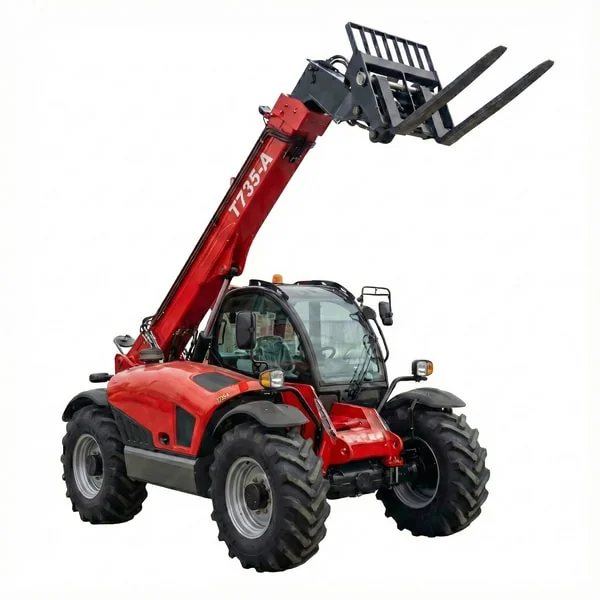
T735-A
3.5 t · 7 m Agricultural Telehandler
Designed for intensive farm handling and feed operations. Stable lifting performance with upgraded hydraulic configuration.
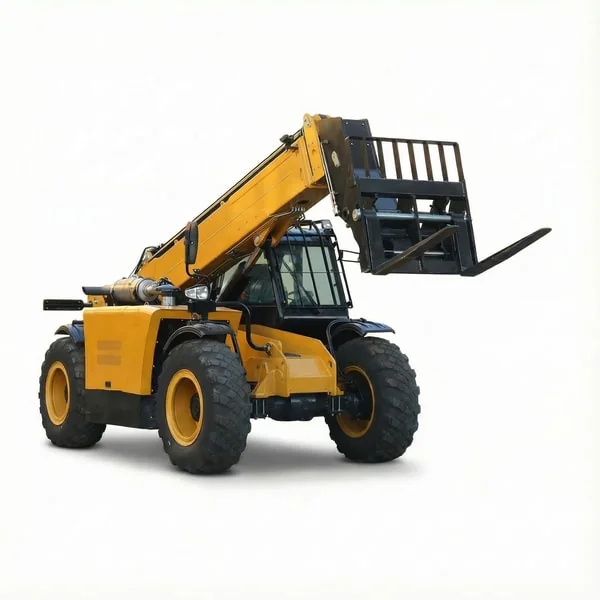
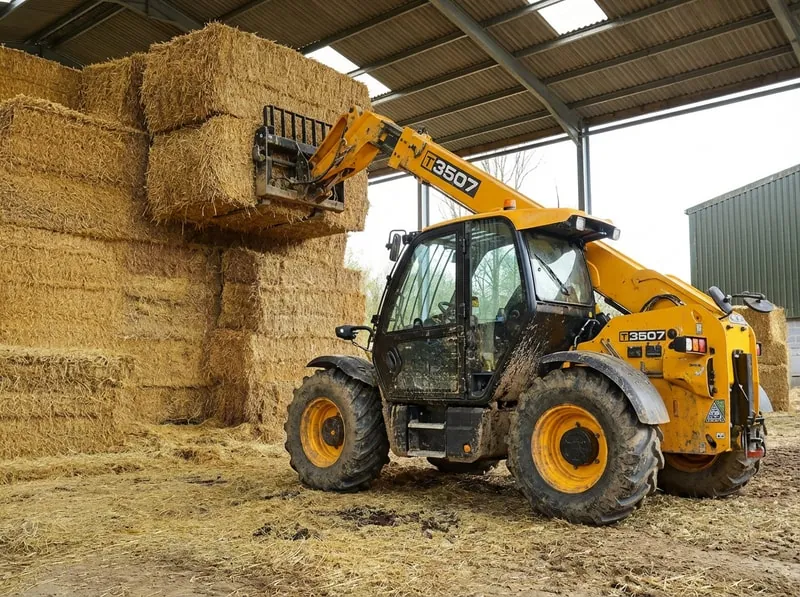
T3507
3.5 t · 7 m Telehandler
Compact yet capable for construction and industrial material handling. A versatile entry point across multiple applications.
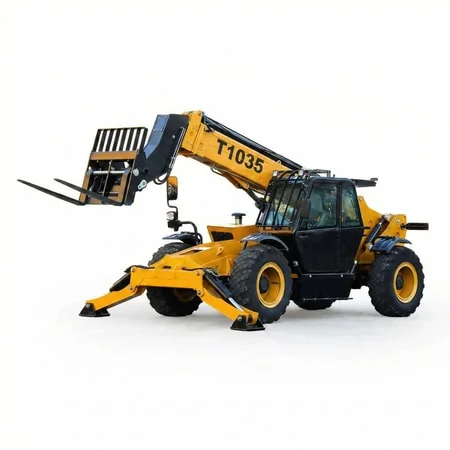
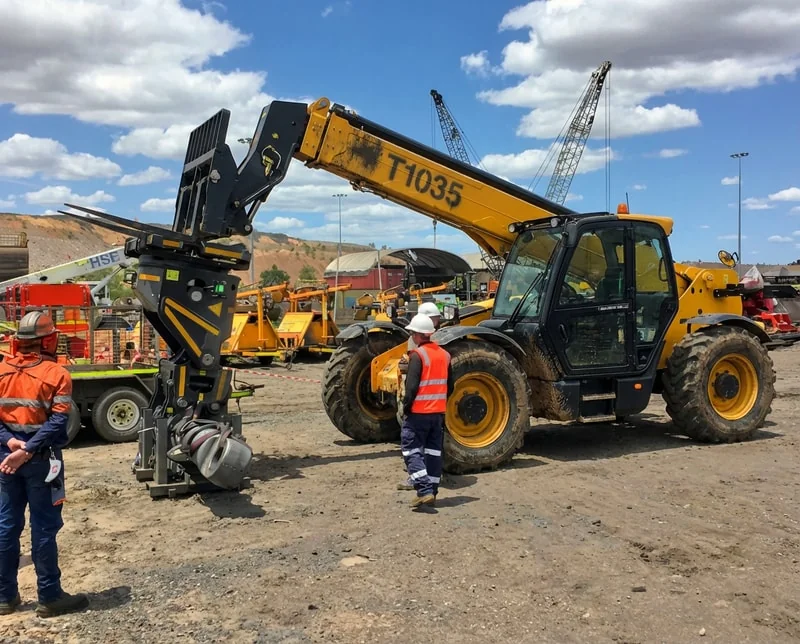
T1035
3.5 t · 10 m Telehandler
Mid-reach telehandler for construction sites, warehouses, and general contracting. Strong balance of reach and load capacity.
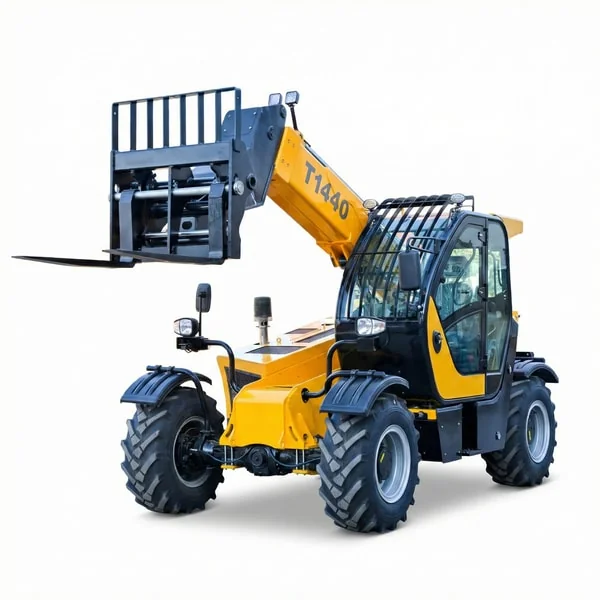
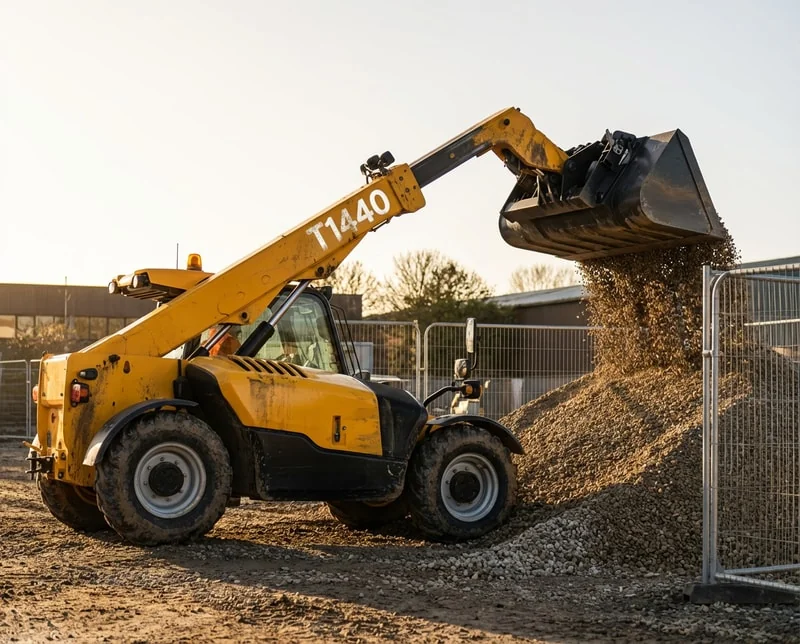
T1440
4.0 t · 14 m Telehandler
Extended reach model for demanding construction lifting and high-rise material placement applications.
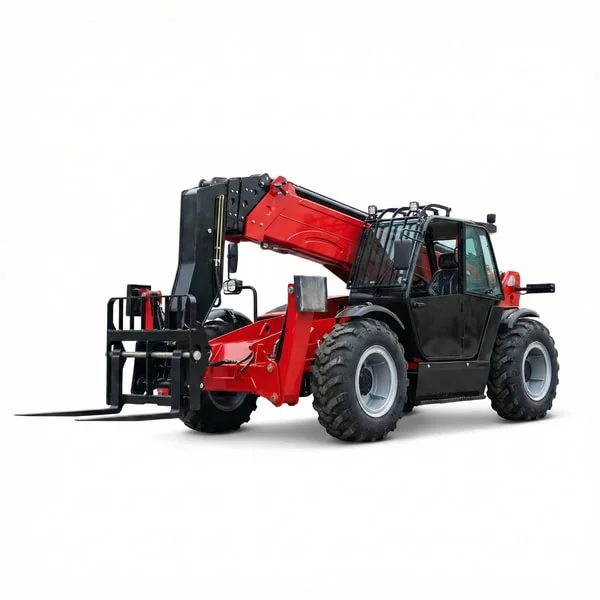
T1850
5.0 t · 18 m Telehandler
High-capacity solution for large-scale construction, infrastructure projects, and heavy material handling.

TH1840
4.0 t · 17.5 m · EPA Compliant
Configured with EPA-certified powertrain for North American and emission-regulated markets.
Not sure which model fits your application? Talk to Sally — we'll help you match configuration to your working conditions.
Valuable Resources
Reference materials to support your equipment selection, pricing evaluation, import planning, and long-term operations.
Selection & Sourcing
Choosing the right equipment for your application
Telehandler or Forklift?
Equipment selection comparison
2026 Sourcing Guide
Step-by-step evaluation reference
China Telehandler for Agriculture
Farm-specific sourcing from China
Telehandler for Construction
Building & infrastructure applications
China Telehandler for Rental Company
Rental fleet sourcing from China
Logistics & Maintenance
Shipping, import & aftercare
Import & Customs Guide
Documentation for overseas purchases
Shipping Time Reference
Production and transit timelines
Container Loading Cases
Real shipping examples
What Affects Telehandler Price?
Cost factors & pricing transparency
Wear Parts & Consumables
Maintenance planning reference
Frequently Asked Questions
Common questions from international buyers evaluating telehandler pricing, configuration, and total cost of ownership.
Still have questions about telehandler pricing? Let's discuss your specific requirements.
Ready to Get a Transparent Quote?
Now that you understand what drives telehandler pricing, let's discuss the right configuration and cost for your specific application.

Hi, I'm Sally.
Sales Manager at Telescro
I can help you with:
- Detailed pricing based on your application requirements
- Configuration comparison across different models
- Shipping cost estimates and delivery timelines
- Total cost of ownership planning and spare parts budgeting
- Import documentation and customs clearance support
No commitment required. Share your working conditions and budget expectations — I'll provide a clear, itemized quotation you can evaluate at your own pace.
Request a Custom Telehandler Quote
Describe your application — Sally will respond with a detailed quotation within 24 hours.