










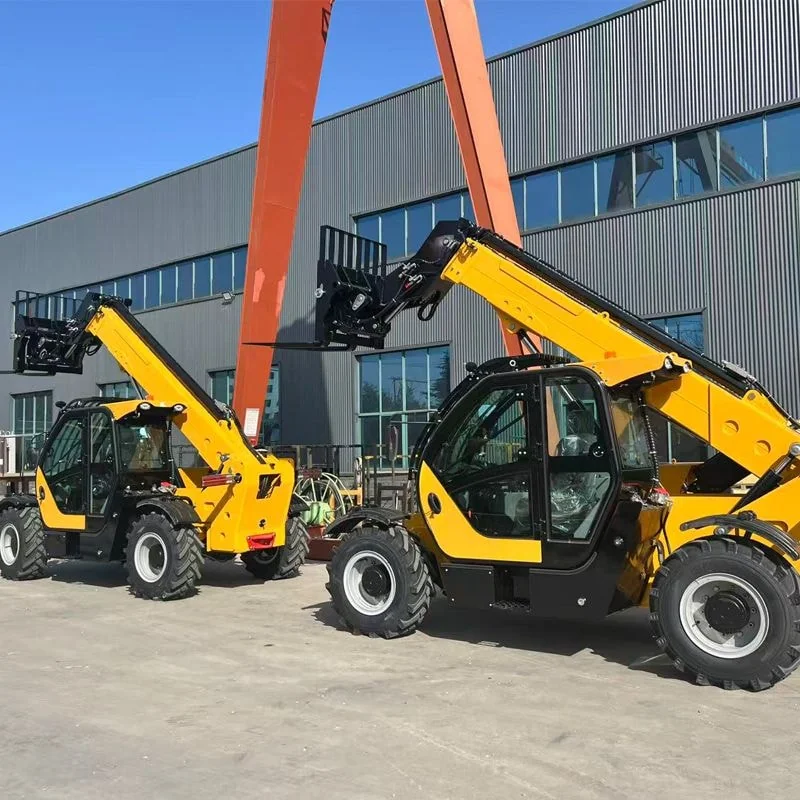
อะไรที่ส่งผลต่อราคาของรถยกเทเลแฮนด์เลอร์?
การแยกค่าใช้จ่ายอย่างโปร่งใสสำหรับผู้ซื้อระหว่างประเทศ
ราคาของรถยกเทเลแฮนด์เลอร์สามารถแตกต่างกันอย่างมากขึ้นอยู่กับรูปแบบการติดตั้ง, ชิ้นส่วน, และความต้องการของตลาด คู่มือนี้จะอธิบายโครงสร้างต้นทุนที่แท้จริงของรุ่นต่าง ๆ — เพื่อให้คุณสามารถประเมินคุณค่าได้ ไม่ใช่แค่ราคา.
ทำไมราคาของรถยกเทเลแฮนด์เลอร์จึงแตกต่างกันมาก?
- ของที่ถูกกว่านี้ลดคุณภาพหรือเปล่า?
- อันที่แพงนั้นราคาสูงเกินไปหรือไม่?
- หรือว่าพวกมันถูกสร้างขึ้นเพื่อวัตถุประสงค์ที่แตกต่างกันจริง ๆ?

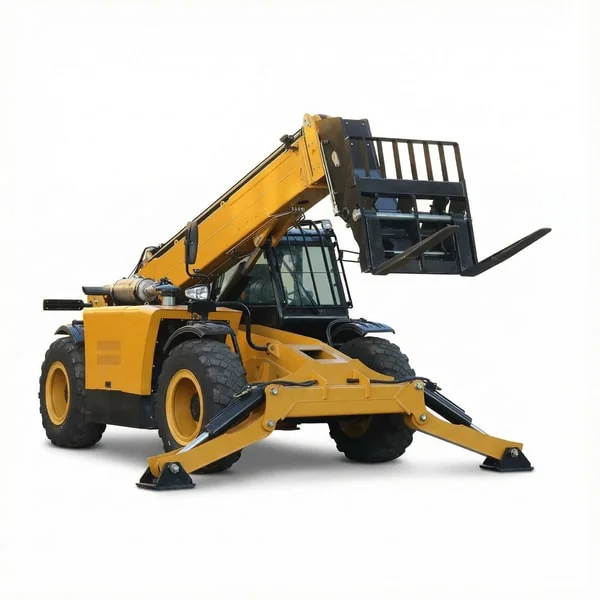
ช่วงราคา
$50K – $95K+
เบื้องหลังความแตกต่างของราคา มักจะมี สามเหตุผลสำคัญ:
การกำหนดค่าที่คุณต้องการจริง ๆ
ความสูงในการยกที่สูงขึ้นและความสามารถในการรับน้ำหนักที่มากขึ้นต้องการโครงสร้างบูมที่แข็งแรงขึ้น โครงแชสซีที่เสริมความแข็งแรง กระบอกไฮดรอลิกขนาดใหญ่ขึ้น และระบบส่งกำลังที่ทนทานมากขึ้น.
แม้การเพิ่มกำลังการผลิตเพียงเล็กน้อยก็สามารถเปลี่ยนแปลงโครงสร้างภายในอย่างมีนัยสำคัญ — และด้วยเหตุนี้ต้นทุนการผลิตก็อาจเปลี่ยนแปลงไปด้วย.
คุณภาพของส่วนประกอบหลัก
เครื่องจักรสองเครื่องอาจมีสเปคพื้นฐานเหมือนกัน แต่แตกต่างกันในระบบไฮดรอลิก, ประเภทการส่งกำลัง, ความแข็งแรงของเพลา, หรือการกำหนดค่าเครื่องยนต์.
ตัวอย่างเช่น ระบบไฮดรอลิกส์แบบตรวจจับน้ำหนักบรรทุกให้การควบคุมที่นุ่มนวลขึ้นและประหยัดน้ำมันเชื้อเพลิงได้ดีขึ้น — แต่มีค่าใช้จ่ายในการผลิตสูงกว่าระบบปั๊มเกียร์พื้นฐาน.
การนำไปใช้ตามที่ตั้งใจไว้
รถเทเลแฮนด์เลอร์ที่ใช้เป็นครั้งคราวสำหรับงานเบา มีความต้องการที่แตกต่างกันอย่างมากเมื่อเทียบกับเครื่องจักรที่ทำงาน 8–10 ชั่วโมงต่อวันในไซต์ก่อสร้างที่ต้องการความหนักหน่วง.
เมื่อซัพพลายเออร์เสนอราคาที่แตกต่างกัน พวกเขามักจะเสนอราคาตามความคาดหวังด้านประสิทธิภาพที่แตกต่างกัน.
การเข้าใจความแตกต่างเหล่านี้ช่วยให้คุณสามารถเปรียบเทียบเครื่องจักรได้บนพื้นฐานของ ความเหมาะสม — ไม่ใช่แค่ป้ายราคาเท่านั้น.
อะไรที่ทำให้เกิดค่าใช้จ่ายของรถยกเทเลแฮนด์เลอร์?
เมื่อเปรียบเทียบใบเสนอราคา ราคาที่คุณเห็นสะท้อนมากกว่าความสูงและความสามารถในการยก เบื้องหลังรถยกทุกคันมีการตัดสินใจด้านโครงสร้าง, ระบบไฮดรอลิก, ระบบกลไก, และการผลิตที่มีผลโดยตรงต่อ ความทนทาน, ประสิทธิภาพ, และ มูลค่าในระยะยาว.
นี่คือสิ่งที่คุณเป็น จ่ายจริง.
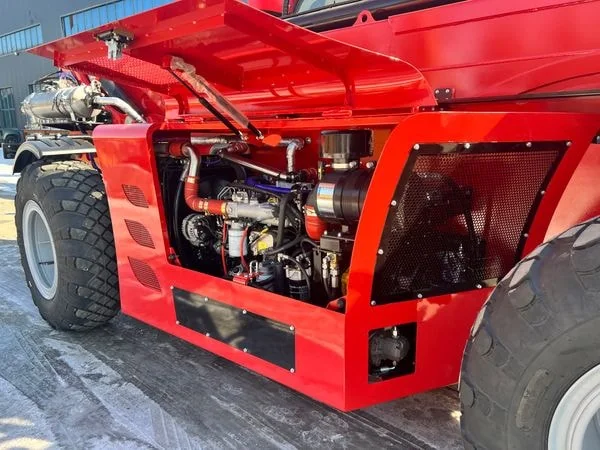
โครงสร้างหลักของเครื่องจักร
หัวใจสำคัญของรถเทเลแฮนด์เลอร์ทุกคันคือโครงสร้างบูมและการออกแบบแชสซี นี่คือสิ่งที่กำหนดว่าเครื่องจักรจะสามารถรับน้ำหนักที่กำหนดได้อย่างปลอดภัยและสม่ำเสมอเพียงใดตลอดการใช้งาน.
- การเสริมความแข็งแรงของบูมและความหนาของเหล็ก — รุ่นที่มีความจุสูงกว่าต้องการบูมที่เสริมความแข็งแรงและเหล็กโครงสร้างที่หนาขึ้นเพื่อรักษาเสถียรภาพเมื่อยืดออกเต็มที่
- ความแข็งแรงของแชสซีและโครงรถ — โครงสร้างที่ทนทานช่วยลดการบิดงอเมื่อรับน้ำหนักและเพิ่มความทนทานในระยะยาวบนพื้นผิวที่ขรุขระ
- ขอบเขตความปลอดภัยในการออกแบบ — เครื่องจักรที่สร้างขึ้นด้วยมาตรฐานความปลอดภัยทางวิศวกรรมที่สูงกว่ามักมีราคาสูงกว่า — แต่ให้ความน่าเชื่อถือในระยะยาวที่ดีกว่า
- เสถียรภาพที่วัดได้เทียบกับเสถียรภาพจริง — เครื่องจักรทุกเครื่องที่มี "กำลังการผลิตที่กำหนด" เท่ากันไม่ได้ถูกสร้างมาเพื่อทำงานได้อย่างเท่าเทียมกันภายใต้สภาพการทำงานที่หนักหน่วง
โครงสร้างที่แข็งแรงขึ้นหมายถึงต้นทุนการผลิตที่สูงขึ้น — แต่ยังหมายถึง ความเสี่ยงลดลงระหว่างการยกของหนัก.
ระบบประสิทธิภาพและควบคุมไฮดรอลิก
ระบบไฮดรอลิกเป็นตัวกำหนดว่าเครื่องเทเลแฮนด์เลอร์จะทำงานได้อย่างราบรื่น มีประสิทธิภาพ และแม่นยำเพียงใด.
- ประเภทปั๊มไฮดรอลิก — ระบบปั๊มเกียร์พื้นฐานมีความคุ้มค่าด้านต้นทุน ในขณะที่ระบบตรวจจับโหลดให้การควบคุมที่ราบรื่นยิ่งขึ้นและประหยัดน้ำมันเชื้อเพลิงมากกว่า
- คุณภาพของวาล์วและกระบอกสูบ — ชิ้นส่วนคุณภาพสูงช่วยเพิ่มความแม่นยำในการยกและลดความเสี่ยงของการรั่วซึมเมื่อใช้งานเป็นเวลานาน
- การระบายความร้อนและการจัดการความร้อน — ในสภาพอากาศร้อนหรือการใช้งานต่อเนื่อง การระบายความร้อนของน้ำมันอย่างเหมาะสมส่งผลโดยตรงต่อความน่าเชื่อถือ
- ความราบรื่นในการดำเนินงาน — การออกแบบระบบไฮดรอลิกที่ดีขึ้นช่วยลดแรงกระแทกต่อโครงสร้าง ทำให้อายุการใช้งานของเครื่องจักรโดยรวมยาวนานขึ้น
ระบบไฮดรอลิกขั้นสูงมากขึ้นเพิ่มค่าใช้จ่ายล่วงหน้า, แต่ ปรับปรุงประสิทธิภาพและความสะดวกสบายในการทำงาน.
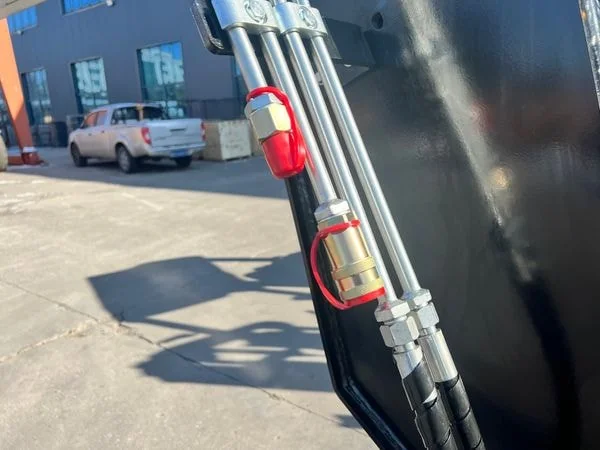
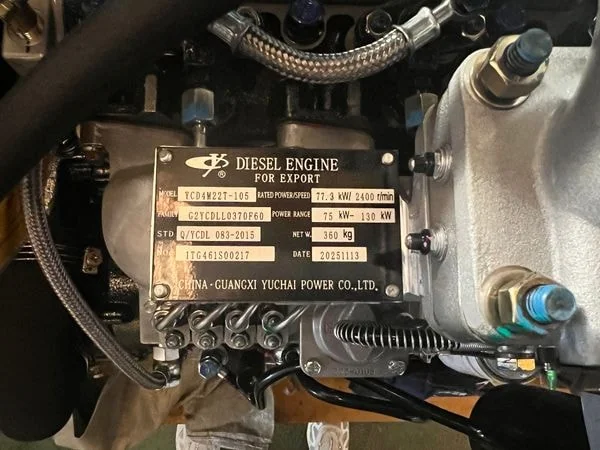
ความน่าเชื่อถือของระบบส่งกำลัง
การกำหนดค่าเครื่องยนต์และระบบส่งกำลังส่งผลต่อทั้งสมรรถนะและการบำรุงรักษาในระยะยาว.
- ระดับข้อมูลจำเพาะของเครื่องยนต์ — ตลาดที่แตกต่างกันต้องการระดับการปล่อยมลพิษที่แตกต่างกัน เครื่องยนต์กลไกที่เรียบง่ายกว่าอาจเป็นที่นิยมในบางภูมิภาคเนื่องจากง่ายต่อการบำรุงรักษา
- การออกแบบการส่งผ่าน — ระบบเกียร์ Powershift หรือระบบคอนเวอร์เตอร์แรงบิดมีความแตกต่างกันในด้านความทนทานและราคา
- ความแข็งแรงของเพลาและอัตราบรรทุก — เพลาขับแบบหนักเป็นสิ่งจำเป็นสำหรับการใช้งานเต็มกำลังบนพื้นที่ไม่เรียบ
- การเข้าถึงบริการ — ห้องเครื่องยนต์ที่ออกแบบอย่างดีช่วยลดเวลาในการบำรุงรักษาและลดเวลาหยุดทำงาน
คุณภาพของระบบขับเคลื่อนมีบทบาทสำคัญต่อวิธีการทำงานของเครื่องจักร ทำงานได้หลังจากหลายพันชั่วโมงการทำงาน.
ความสะดวกสบายและความปลอดภัยของผู้ปฏิบัติงาน
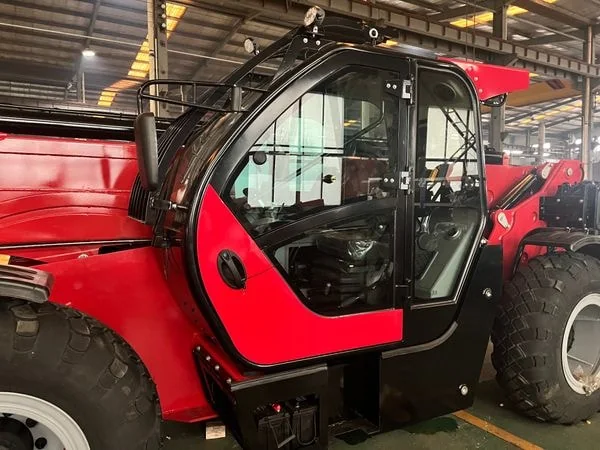
สภาพแวดล้อมของผู้ปฏิบัติงานอาจดูเหมือนไม่ใช่ปัจจัยต้นทุนที่สำคัญ — แต่มีผลกระทบต่อประสิทธิภาพการทำงานมากกว่าที่ผู้ซื้อหลายคนคาดคิด.
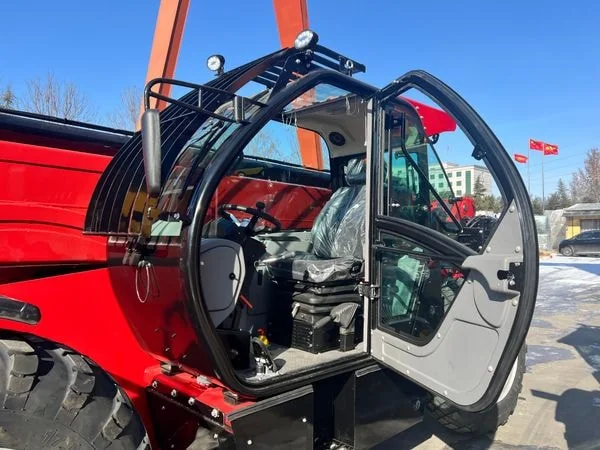
- โครงสร้างและระดับการป้องกันของแท็กซี่ — มาตรฐานความปลอดภัยทางโครงสร้างเพิ่มต้นทุนการผลิต แต่ช่วยปรับปรุงการคุ้มครองผู้ปฏิบัติงาน
- การมองเห็น & การออกแบบจุดบอด — การมองเห็นที่ดีขึ้นช่วยเพิ่มประสิทธิภาพและลดความเสี่ยงในสถานที่ทำงาน
- การจัดวางและหลักการยศาสตร์ — ระบบควบคุมที่ใช้งานง่ายช่วยลดความเหนื่อยล้าของผู้ปฏิบัติงานในช่วงเวลาทำงานที่ยาวนาน
- ระบบไฟฟ้าและจอแสดงผล — ระบบอิเล็กทรอนิกส์ขั้นสูงเพิ่มคุณสมบัติ แต่เพิ่มความซับซ้อนและค่าใช้จ่าย
ห้องโดยสารที่ออกแบบมาอย่างดี ปรับปรุงประสิทธิภาพการทำงานประจำวัน และความพึงพอใจของผู้ปฏิบัติงานโดยรวม.
ความหลากหลายและระบบยึดติด
รถยกเทเลแฮนด์เลอร์ได้รับการยกย่องในด้านความยืดหยุ่น — แต่ไม่ใช่ทุกเครื่องจักรที่จะมีความสามารถในการปรับตัวได้เท่าเทียมกัน.
- ระบบข้อต่อเร็ว — การเปลี่ยนแปลงอุปกรณ์ที่รวดเร็วขึ้นช่วยเพิ่มประสิทธิภาพการทำงานในไซต์งาน
- ท่อไฮดรอลิกเสริม — จำเป็นสำหรับอุปกรณ์เสริมขั้นสูง เช่น ถัง คลิปหนีบ หรือแท่น
- ความเข้ากันได้ของไฟล์แนบ — เครื่องจักรบางชนิดรองรับเครื่องมือทางการเกษตร การก่อสร้าง หรืออุตสาหกรรมได้หลากหลายประเภท
- การออกแบบโครงสร้างอเนกประสงค์ — การออกแบบส่วนหน้าแบบเสริมแรงรองรับอุปกรณ์เสริมงานหนักได้อย่างปลอดภัย
ความหลากหลายที่มากขึ้นทำให้ต้นทุนเริ่มต้นสูงขึ้น แต่ ขยายศักยภาพการทำงานของเครื่องจักร.
ทำไมรถเทเลแฮนด์เลอร์ที่คล้ายกันสองคันถึงมีราคาแตกต่างกันมาก
เครื่องที่มีราคาถูกกว่านี้ลดคุณภาพหรือไม่?
Is the higher-priced one really worth the extra investment?
In many cases, the difference is not simply about the machine itself — but about how the machine reaches you.
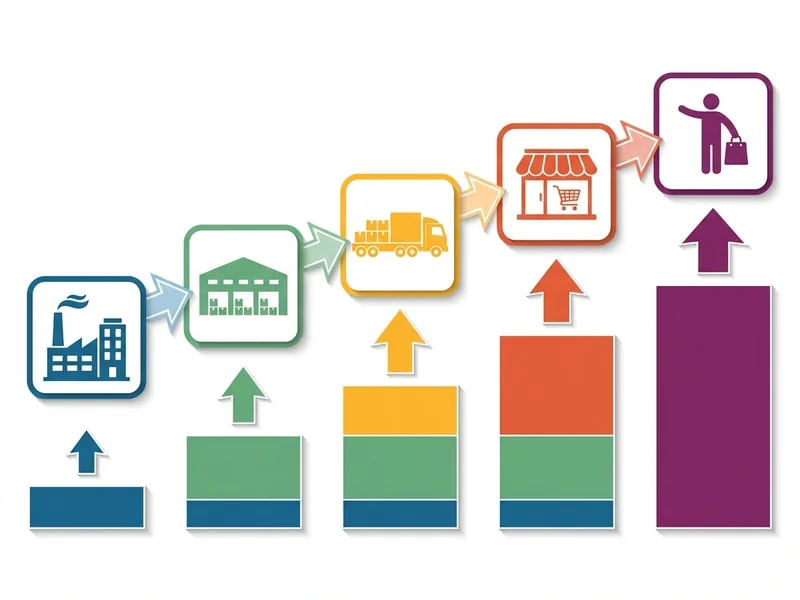
Traditional Distribution
Multiple layers — each adding margin
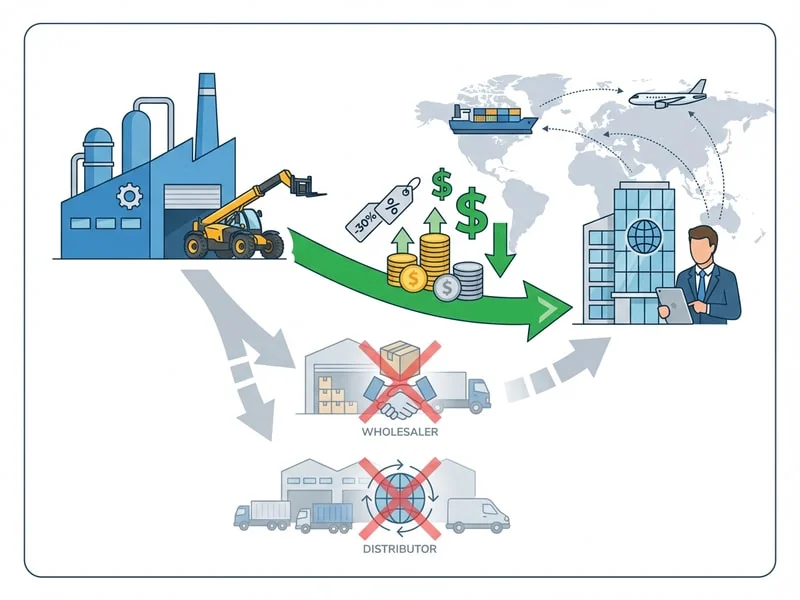
Factory-Direct Model
Shorter path — transparent cost
You May Be Paying for Distribution Layers
When you buy from a global brand with an established dealer network, the pricing structure usually includes:
- Regional distributors
- Local dealers
- Marketing and showroom costs
- Local inventory and service infrastructure
Each layer provides value — but each layer also adds margin. If you purchase โดยตรงจากผู้ผลิต, the distribution structure is shorter.
You May Be Paying for Brand Infrastructure
Well-known international brands invest heavily in:
- Global marketing
- Trade exhibitions
- Regional offices
- Large-scale dealer training programs
These investments support brand presence and service coverage. However, they are also reflected in equipment pricing. It's important to understand whether you are paying for machine configuration — or for brand infrastructure.
You May Be Comparing Different Production Models
Not all manufacturers operate at the same scale or with the same supply chain structure.
Factories with stable production volume and direct relationships with engine, hydraulic, and transmission suppliers can often maintain more predictable cost control.
On the other hand, suppliers that rely on outsourced assembly or smaller production runs may have higher unit costs. The result: two machines with similar specifications can have different underlying cost structures.
Lower Price Does Not Automatically Mean Lower Quality
As a buyer, your real concern is risk. You want to make sure that a competitive price does not mean:
- Compromised structural strength
- Reduced component lifespan
- Limited spare parts support
- Uncertain long-term reliability
Understanding the supplier's manufacturing model helps you evaluate whether the pricing difference is structural — or technical.
The Costs You Don't See on the Quotation
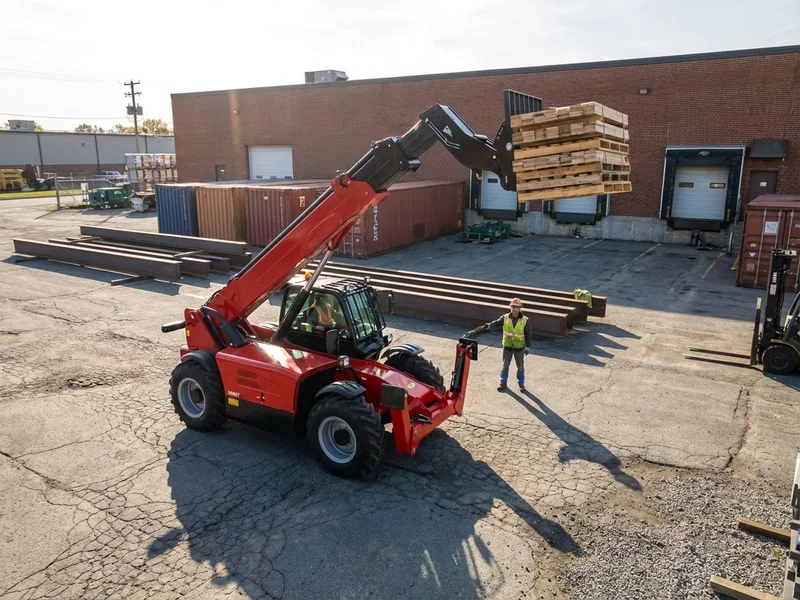
Downtime Costs More Than You Think
When a telehandler stops working, the real cost is rarely just the repair itself. You may face:
Even one unexpected breakdown during peak workload can cost more than the price difference between two machines.
Reliability is not just a technical feature — it directly protects your project timeline and cash flow.
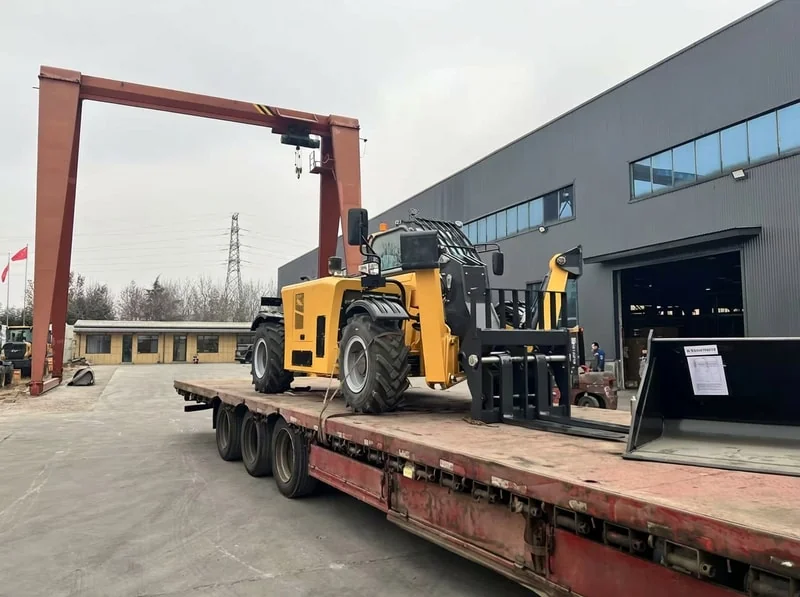
Spare Parts Availability & Delivery Time
No machine runs forever without parts replacement. The key question is: How quickly can you get what you need?
Standardized parts, stable supply chains — downtime minimized
Long international shipping, difficult sourcing — operational risk increases
When evaluating suppliers, consider not only the machine price — but also parts accessibility.
Fuel Efficiency Over Thousands of Working Hours
A small difference in fuel consumption may seem insignificant per day. But over 2,000–5,000 working hours, it adds up.
Over several years, improved efficiency can offset a higher initial purchase price. Long-term operating cost matters more than daily fuel numbers.
Maintenance Complexity & Local Service Capability
In many markets, simplicity can be an advantage.
If a machine requires specialized diagnostic tools or advanced electronic systems for minor repairs, maintenance costs increase — especially in remote regions.
Machines designed with accessible service points and practical mechanical systems are often easier to maintain locally.
Ease of service directly impacts uptime.
Resale Value & Lifecycle Expectation
When you invest in a telehandler, you are not only thinking about today. You may plan to resell or upgrade after several years.
- ความคงทนของโครงสร้างและรูปแบบการสึกหรอที่ควบคุมได้
- Brand positioning and market relevance
- Stable performance history and accumulated working hours
The real cost of ownership is not just what you pay — but what you recover at the end of use.
A smart investment is not about finding the lowest price — it's about understanding the ต้นทุนรวมตลอดอายุการใช้งาน before you commit.
How to Evaluate Telehandler Pricing for Your Own Application
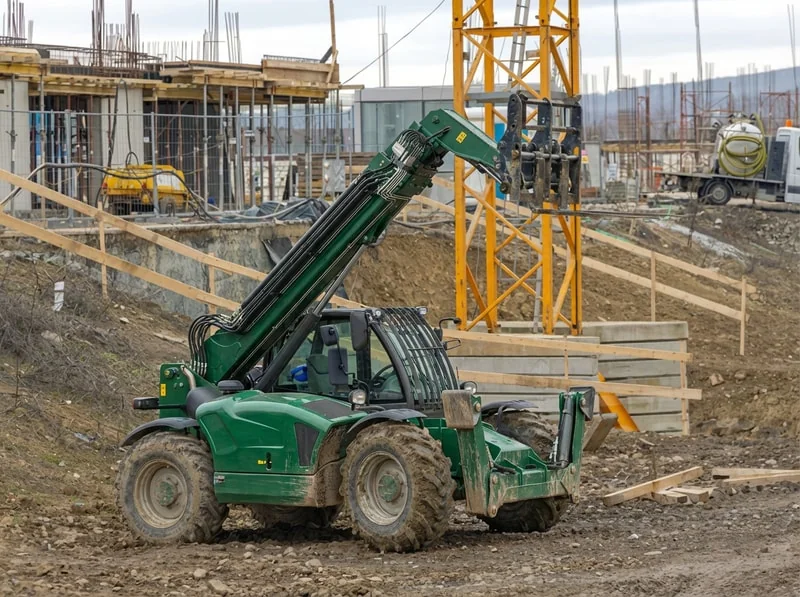
What Work Will Your Telehandler Actually Perform?
Before comparing prices, ask yourself:
- What maximum lift height do you truly need?
- What is the heaviest load you will regularly handle?
- Will the machine work on rough terrain, confined sites, or stable surfaces?
Choosing the right configuration helps you avoid paying for capacity you don't use — or risking underperformance on demanding jobs.
How Intensively Will the Machine Be Used?
A telehandler operating 500 hours per year has very different requirements compared to one running 8–10 hours per day. Ask yourself:
- Is this machine for occasional support work?
- Or will it be part of daily core operations?
- Will it operate continuously in high temperatures or heavy-load conditions?
Higher usage justifies stronger components. Matching configuration to workload protects both performance and budget.
What Maintenance Resources Do You Have Locally?
In many markets, service capability matters as much as machine specification. Consider:
- Do you have experienced local mechanics?
- Is spare parts logistics convenient in your region?
- Do you prefer simpler mechanical systems for easier field repairs?
A machine easier to maintain locally provides greater long-term stability. Your maintenance environment should influence your configuration decision.
Are You Evaluating Purchase Price — or Total Investment?
Are you optimizing for the lowest upfront cost, or for long-term operational stability? A slightly higher purchase price may offer:
Thinking in terms of total ownership cost helps you make a more confident and strategic decision.
A Practical Way to Compare Offers
When reviewing different quotations, it can be helpful to:
This structured comparison often makes pricing differences much clearer — and easier to justify internally.
Ready to evaluate?
Share your working conditions and we'll help you identify the right configuration and transparent pricing.
Explore Our Telehandler Range
From compact 1.2-ton units to heavy-duty 5-ton machines, our range covers agriculture, construction, and regulated markets.
Each model can be configured to match your specific application. Select a model to view full specifications — or request a quote directly.

ที4512
1.2 ตัน · 4.5 เมตร รถยกเทเลแฮนด์เลอร์ขนาดกะทัดรัด
Ideal for urban construction, interior handling, and space-restricted sites. Compact footprint with easy transport logistics.

ที625-เอ
2.5 ตัน · 6 เมตร รถยกอเนกประสงค์สำหรับงานเกษตร
Optimized for farm material handling and confined agricultural environments. Balanced reach and capacity for daily operations.
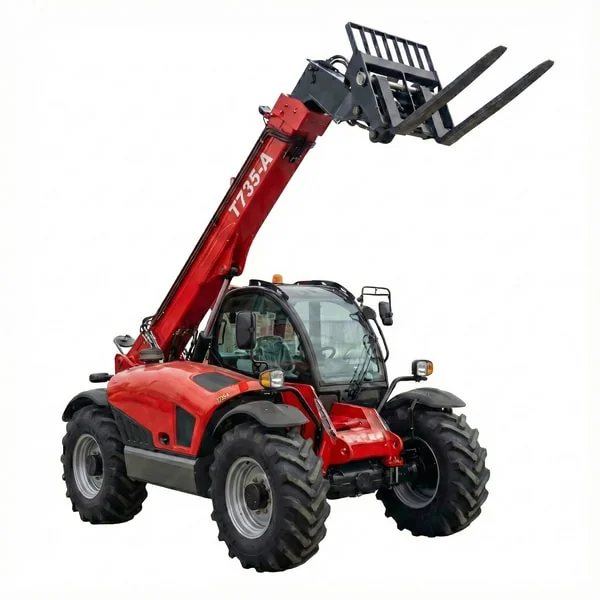
ที735-เอ
3.5 ตัน · 7 เมตร รถยกอเนกประสงค์สำหรับงานเกษตร
Designed for intensive farm handling and feed operations. Stable lifting performance with upgraded hydraulic configuration.
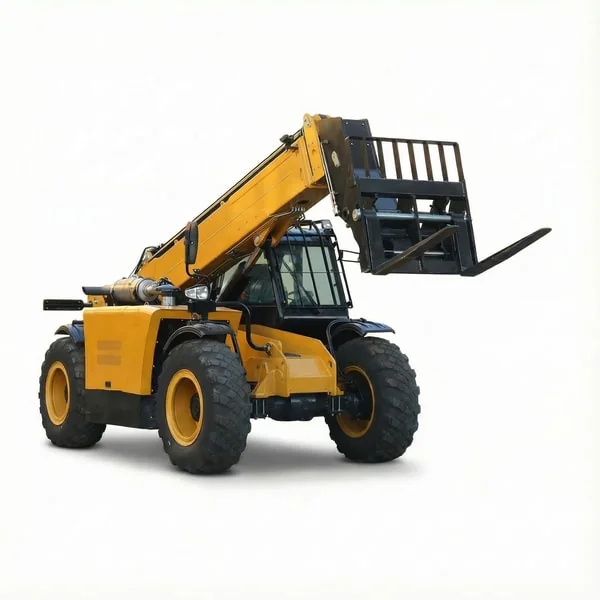
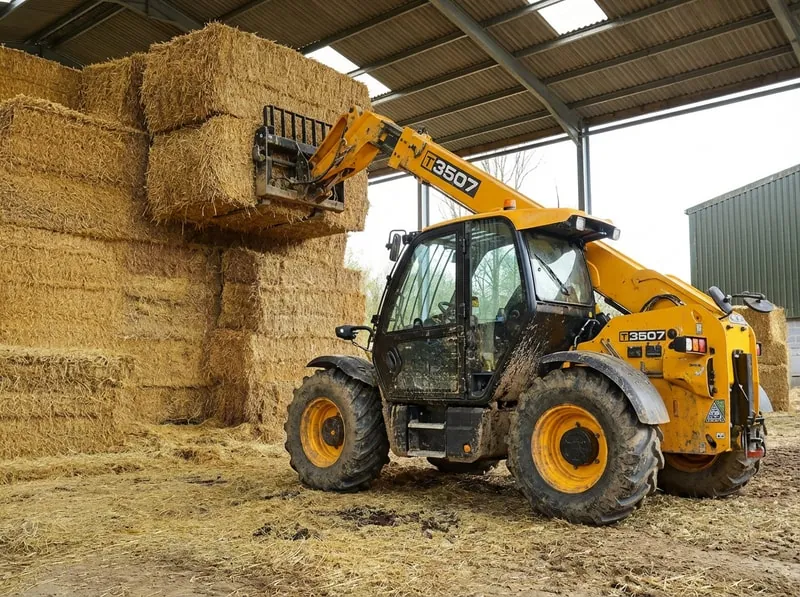
ที3507
3.5 ตัน · 7 เมตร เทเลแฮนด์เลอร์
Compact yet capable for construction and industrial material handling. A versatile entry point across multiple applications.
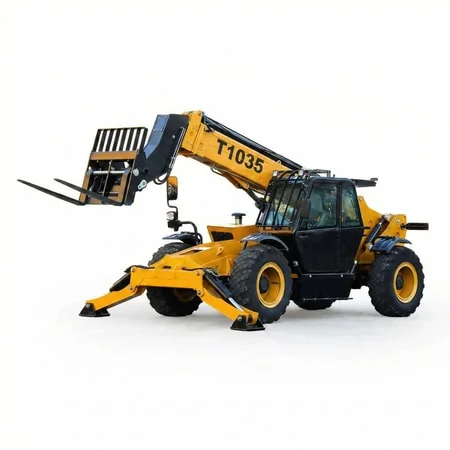
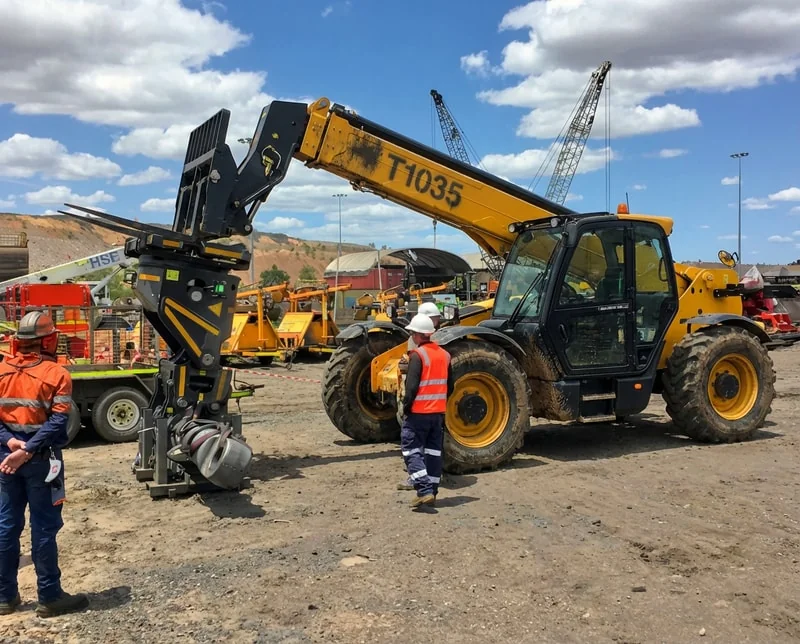
T1035
3.5 ตัน · 10 เมตร เทเลแฮนด์เลอร์
Mid-reach telehandler for construction sites, warehouses, and general contracting. Strong balance of reach and load capacity.
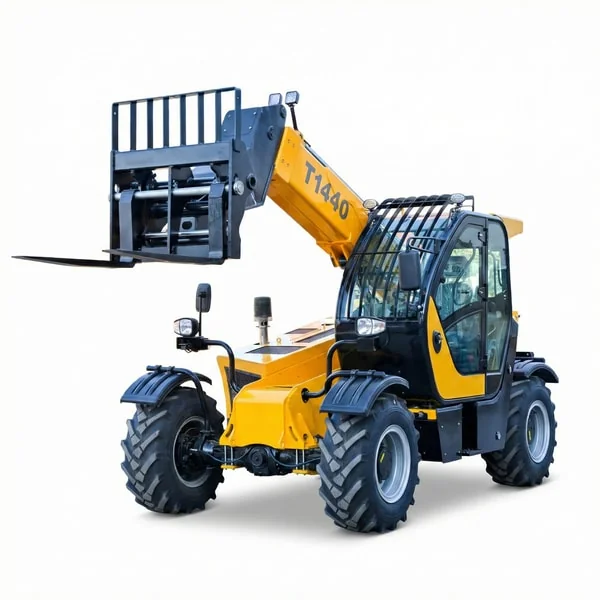
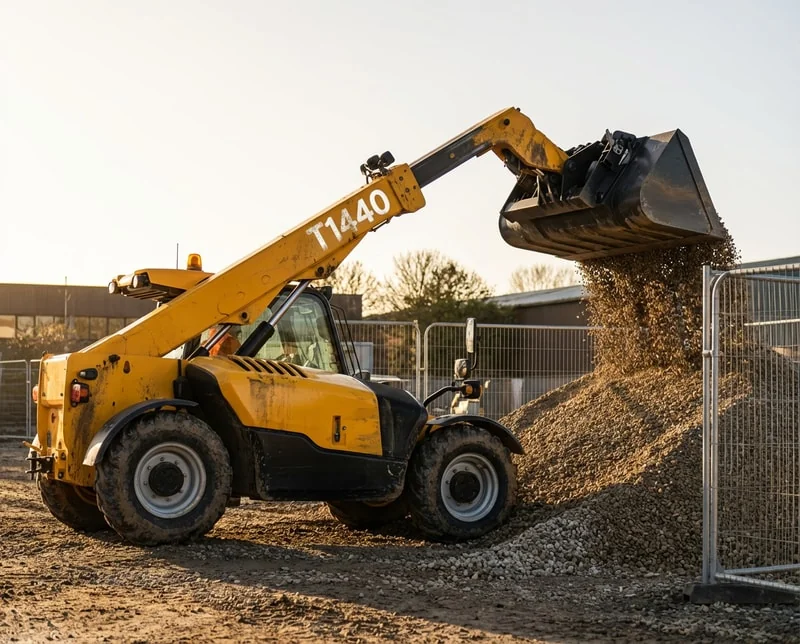
ที1440
4.0 ตัน · 14 เมตร เทเลแฮนด์เลอร์
Extended reach model for demanding construction lifting and high-rise material placement applications.
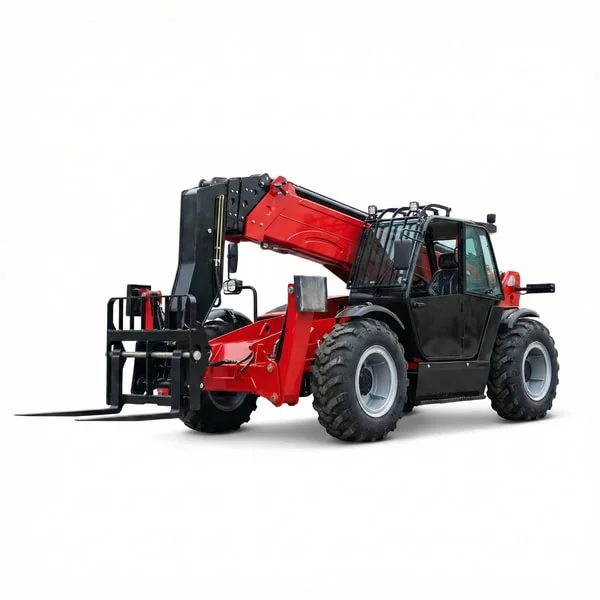
ที1850
5.0 ตัน · 18 เมตร เทเลแฮนด์เลอร์
High-capacity solution for large-scale construction, infrastructure projects, and heavy material handling.

TH1840
4.0 ตัน · 17.5 เมตร · เป็นไปตามมาตรฐาน EPA
Configured with ระบบส่งกำลังที่ได้รับการรับรองจาก EPA for North American and emission-regulated markets.
ไม่แน่ใจว่ารุ่นใดเหมาะกับงานของคุณ? Talk to Sally — we'll help you match configuration to your working conditions.
ทรัพยากรที่มีค่า
Reference materials to support your equipment selection, pricing evaluation, import planning, and long-term operations.
การคัดเลือกและการจัดหา
Choosing the right equipment for your application
รถยกหรือรถโฟล์กลิฟท์?
การเปรียบเทียบการเลือกใช้อุปกรณ์
คู่มือการจัดหาสินค้า ปี 2026
เอกสารอ้างอิงสำหรับการประเมินแบบขั้นตอน
รถยกอเนกประสงค์สำหรับเกษตรกรรมจากประเทศจีน
Farm-specific sourcing from China
รถยกสำหรับงานก่อสร้าง
Building & infrastructure applications
รถยกแบบพิเศษสำหรับบริษัทให้เช่า
การจัดหาแหล่งรถเช่าจากประเทศจีน
โลจิสติกส์และการบำรุงรักษา
การจัดส่ง, การนำเข้า & การดูแลหลังการขาย
คู่มือการนำเข้าและศุลกากร
เอกสารสำหรับการซื้อสินค้าต่างประเทศ
ข้อมูลอ้างอิงระยะเวลาการจัดส่ง
ระยะเวลาการผลิตและการขนส่ง
กรณีการบรรจุตู้คอนเทนเนอร์
ตัวอย่างการจัดส่งจริง
อะไรที่ส่งผลต่อราคาของรถยกเทเลแฮนด์เลอร์?
Cost factors & pricing transparency
ชิ้นส่วนที่สึกหรอและวัสดุสิ้นเปลือง
เอกสารอ้างอิงสำหรับการวางแผนการบำรุงรักษา
คำถามที่พบบ่อย
Common questions from international buyers evaluating telehandler pricing, configuration, and total cost of ownership.
Still have questions about telehandler pricing? Let's discuss your specific requirements.
Ready to Get a Transparent Quote?
Now that you understand what drives telehandler pricing, let's discuss the right configuration and cost for your specific application.

สวัสดีค่ะ ฉันชื่อแซลลี่.
ผู้จัดการฝ่ายขายที่ เทเลสครอ
ฉันสามารถช่วยคุณเกี่ยวกับ:
- Detailed pricing based on your application requirements
- Configuration comparison across different models
- Shipping cost estimates and delivery timelines
- Total cost of ownership planning and spare parts budgeting
- Import documentation and customs clearance support
No commitment required. Share your working conditions and budget expectations — I'll provide a clear, itemized quotation you can evaluate at your own pace.
Request a Custom Telehandler Quote
Describe your application — Sally will respond with a detailed quotation within 24 ชั่วโมง.