










Telehandler vs Forklift
Understand the key differences in design, reach, terrain adaptability, and cost efficiency. Pick the equipment that delivers the safest and most productive results for your job site.
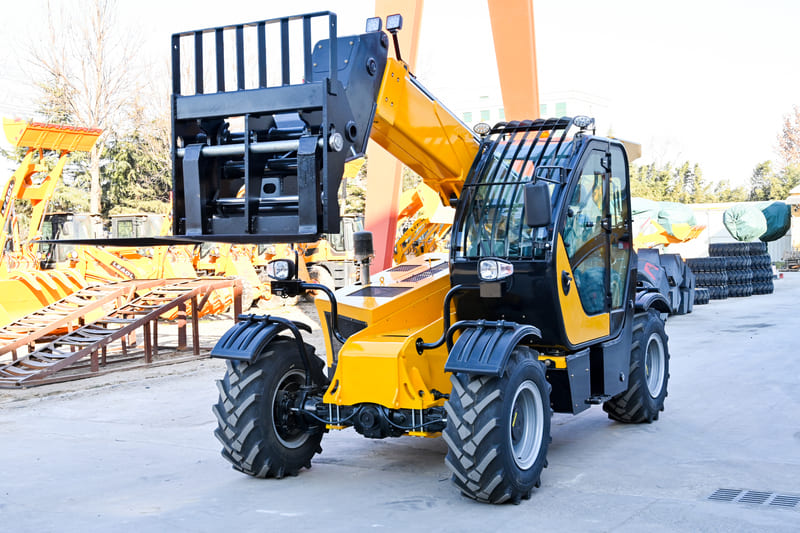
Telehandler
Telescopic boom • All-terrain • Multi-attachment
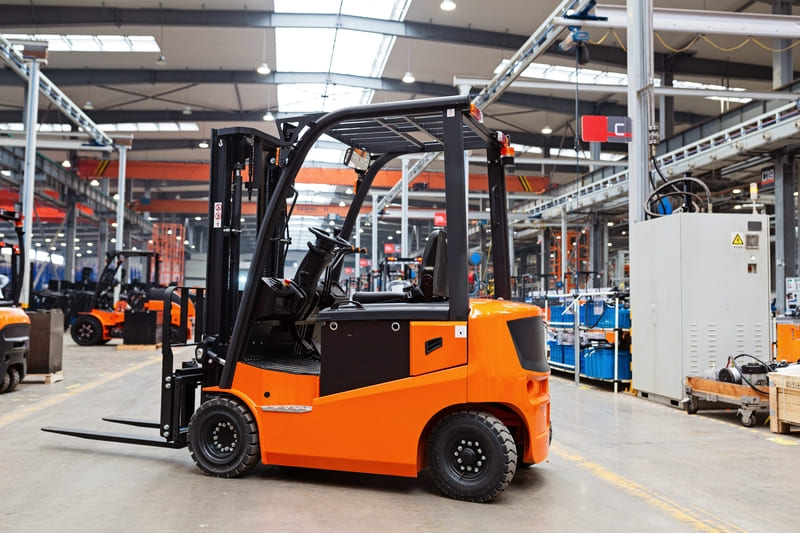
Forklift
Vertical mast • Indoor optimized • Precision handling
Scroll for detailed comparison
Quick Comparison Cards
Three key factors that determine which equipment is right for your operation: design functionality, work environment, and cost efficiency
Core Design
Fundamental engineering differences
Forklift
Built with a vertical mast for straight up-and-down lifting.
Telehandler
Equipped with a telescopic boom for vertical lift, forward reach, and up-and-over handling.
Work Environment
Optimal operating conditions
Forklift
Optimized for indoor use on smooth, level surfaces such as warehouses and factories.
Telehandler
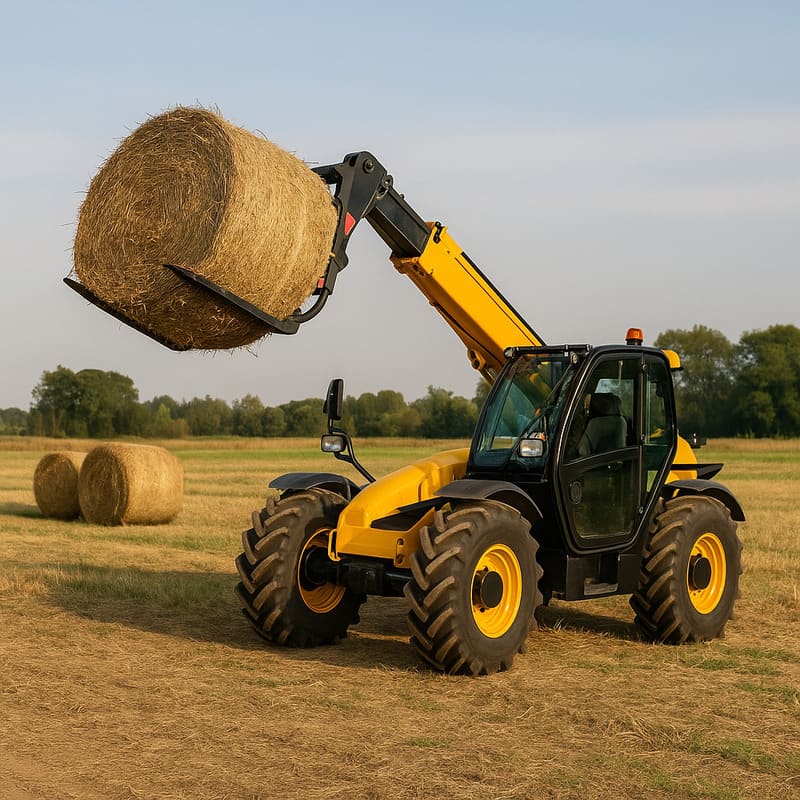
Designed for outdoor operations, including rough, uneven, or sloped terrain on construction and agricultural sites.
Cost Logic
Investment and operational economics
Forklift
Lower acquisition and operating cost, delivering the best total cost of ownership (TCO) in indoor applications.
Telehandler
Higher upfront cost but versatile enough to replace multiple machines with one unit.
Main Comparison Table
Comprehensive side-by-side analysis of telehandler vs forklift specifications, capabilities, and operational characteristics
| Feature | Telehandler | Forklift |
|---|---|---|
| Maximum Lift Capacity | 5,000 – 24,000 lbs (≈2,200 – 11,000 kg), varies by model | 3,000 – 60,000+ lbs (≈1,500 – 27,000+ kg), varies by model |
| Maximum Lift Height | 20 – 60 ft (≈6 – 18 m) | 10 – 25 ft (≈3 – 7.5 m), some heavy-duty models higher |
| Maximum Forward Reach | 10 – 40+ ft (≈3 – 12+ m) | Not applicable (vertical lift only) |
| Turning Radius | 3.5 – 5 m (larger frame, four-wheel steering reduces footprint) | 2 – 3.5 m (compact, ideal for tight aisles) |
| Power / Fuel Options | Primarily diesel; limited electric models available for light-duty use | Electric, LPG, diesel, dual fuel options |
| Tires / Drive | 4WD standard, often with all-terrain pneumatic tires; some with 4WS | Cushion tires (indoor), pneumatic tires (outdoor/rough terrain); 2WD or 4WD |
| Attachment Compatibility | Wide range: pallet forks, buckets, lifting hooks, grapples, truss booms, work platforms | Limited range: side shifters, clamps, rotators, fork extensions |
| Terrain Adaptability | Excellent: rough, uneven, sloped, muddy or soft ground | Moderate: best on smooth, flat surfaces; rough-terrain forklifts can handle level dirt/asphalt |
| Indoor Usability | Limited due to size, emissions, and turning radius | Excellent, especially with electric forklifts and cushion tires |
| Stability Features | Outriggers, frame leveling, load charts, hydraulic stability systems | Counterbalance weight, compact mast design, stability dependent on rated load |
| Operator Training | Requires specialized telehandler training and certification (varies by country) | Forklift license/certification required; generally shorter training |
| Purchase Price Range | Higher initial cost due to versatility and boom system | Lower cost across most classes; electric forklifts cost-effective for warehouses |
| Annual Maintenance Complexity | Medium to high (more moving parts, hydraulic system, boom wear) | Low to medium (electric = lowest, diesel = moderate) |
Summary: Choosing Between a Telehandler and a Forklift
The comparison shows that telehandlers excel in reach, versatility, and rough terrain performance, making them the preferred choice for construction, agriculture, and outdoor applications where forward reach and varied attachments are required. In contrast, forklifts are more compact, cost-efficient, and optimized for indoor operations, especially in warehouses and factories where maneuverability and low emissions matter most.
In practice, a telehandler can often replace multiple machines on open job sites, while forklifts remain the most economical solution for confined and repetitive material handling indoors. The right choice depends on your load requirements, working environment, and total cost of ownership (TCO).
Ready to find the perfect equipment for your operation?
Factory direct response • Expert equipment consultation • Custom solutions available
Applications & Use Cases
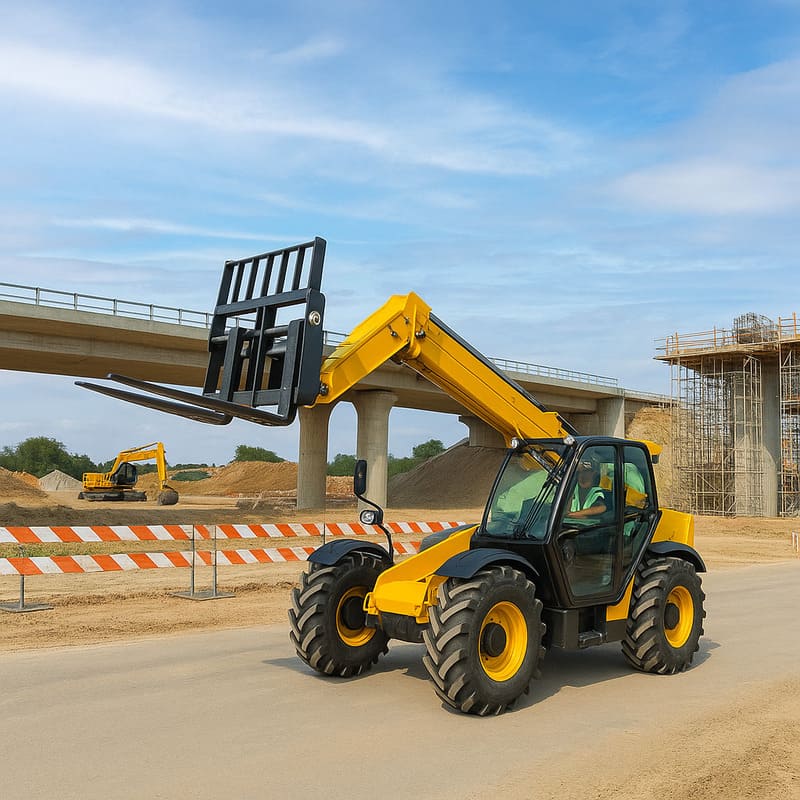
Selecting between a telehandler and a forklift is not only about lift capacity or price—it is about matching the machine to the job site environment and task requirements. A telehandler's telescopic boom, rough-terrain capability, and attachment versatility make it the go-to solution for construction, agriculture, and outdoor projects. Forklifts, on the other hand, are compact, efficient, and unbeatable in indoor and confined spaces like warehouses and distribution centers.
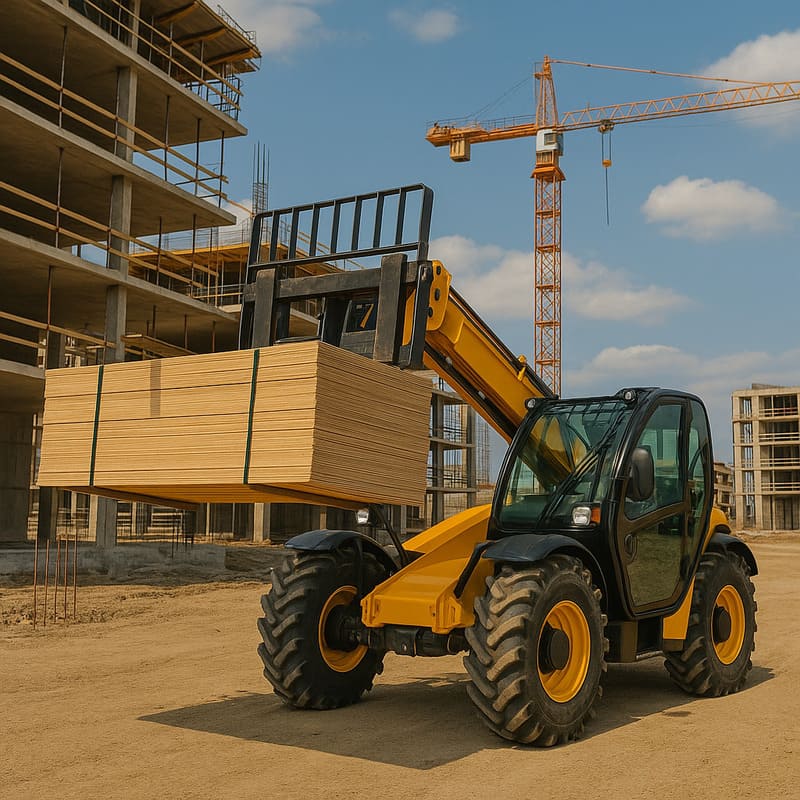
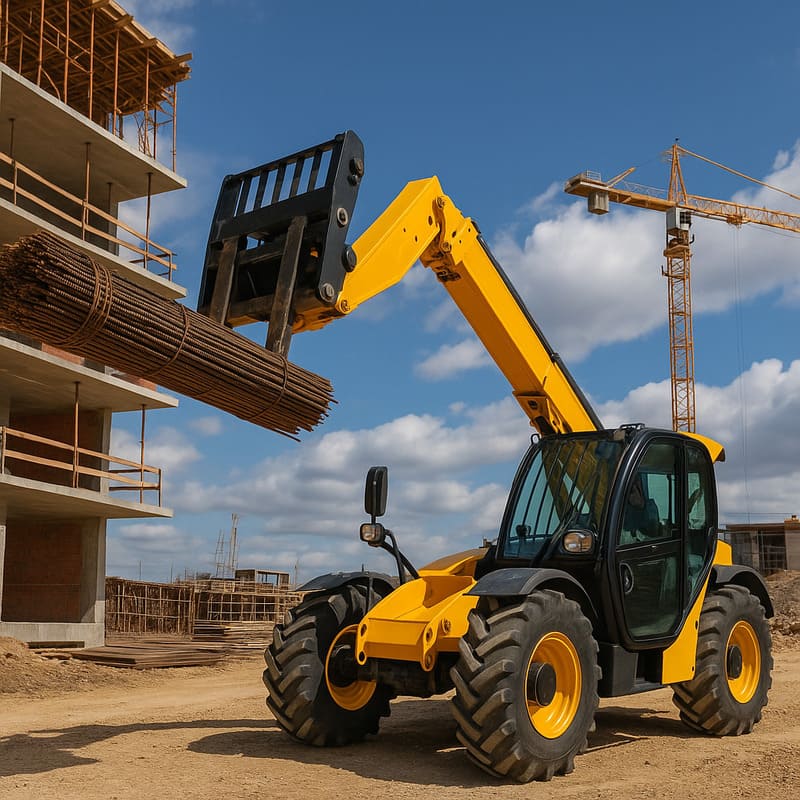
Roofing Material Placement
Limited crane access and need to place heavy loads at height.
Telehandler with pallet forks or a lifting jib.
Lift heights above 15 m, forward reach over 8 m.
Always check the load chart and deploy outriggers for stability.
Source reference:
SB Skills

Need Help Choosing the Right Equipment?
Our equipment specialists can analyze your specific application requirements and recommend the optimal solution
Maximize Versatility with the Right Attachments
Attachments transform a single machine into a multi-purpose tool. From pallet handling to bulk loading, precision lifting, and industry-specific tasks, quick coupler systems allow telehandlers and forklifts to adapt instantly, improving efficiency and reducing the need for multiple machines.
Load Handling Attachments
Pallet Forks / Fork Extensions

Palletized goods, warehouse logistics, construction material handling
Load capacity decreases as forks are extended; maintain rated load center
Bulk Loading Attachments
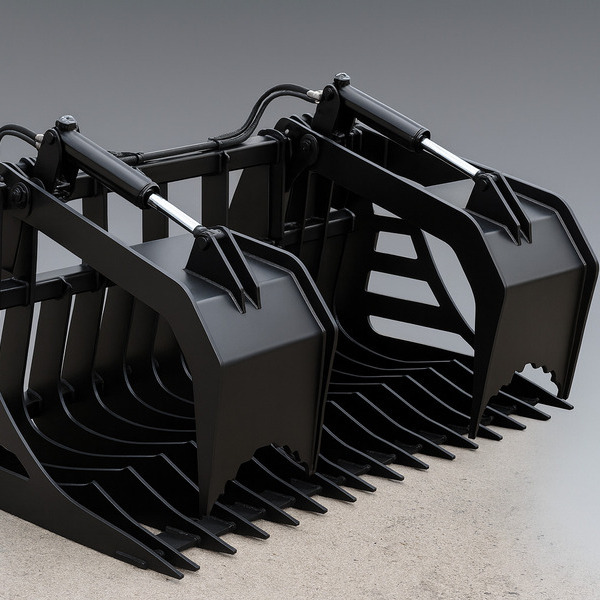
Buckets (General Purpose, Grapple Buckets)
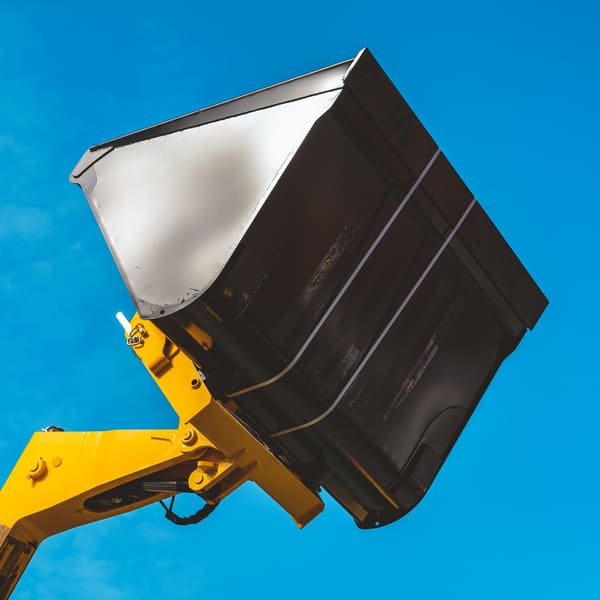
Earthmoving, loose aggregates, waste handling, agricultural bulk feed
Heavier bucket loads shift center of gravity, reducing maximum lift height
Lifting & Hoisting Attachments
Lifting Hooks / Jibs / Truss Booms
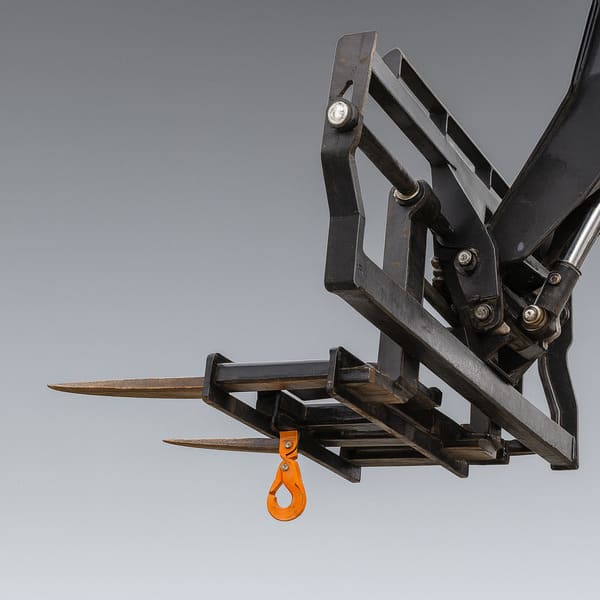
Steel erection, roofing truss placement, suspended load handling
Strict adherence to load charts; avoid swinging loads that destabilize boom
Elevated Work Platforms
Man Baskets / Aerial Platforms

Temporary access for construction, maintenance, façade work
Requires certified platform attachment; operator must use fall protection and respect weight limits
Industry-Specific Attachments
Tire Handlers, Log Grapples, Brick/Block Clamps
Compatible Machines
Applications
Mining tire replacement, forestry log handling, masonry supply yards
Efficiency Gain
Tailored solutions for niche industries, enabling safer and faster handling of irregular loads
Safety Note
Reduced rated capacity compared to pallet forks; only trained operators should use specialized tools
Quick Coupler Systems
Both telehandlers and some modern forklifts can be fitted with hydraulic or mechanical quick couplers. These systems significantly reduce downtime by allowing rapid attachment swaps, ensuring the machine adapts quickly to shifting site demands.
Ready to Configure Your Perfect Equipment Solution?
Our specialists can help you select the ideal machine and attachment combination for your specific applications and budget requirements.
Safety & Compliance Standards
Operating telehandlers and forklifts requires strict attention to safety, compliance, and operator certification. Below are the key considerations every buyer, renter, or operator must understand.
Stability & Load Charts
The higher and further a load is lifted, the lower the rated capacity becomes. Telehandlers are especially sensitive to forward reach and boom extension, which can quickly reduce safe lifting limits. Always consult the machine's load chart before operation.
DOZR – Telehandler Spec Guide
Ground Conditions & Outriggers
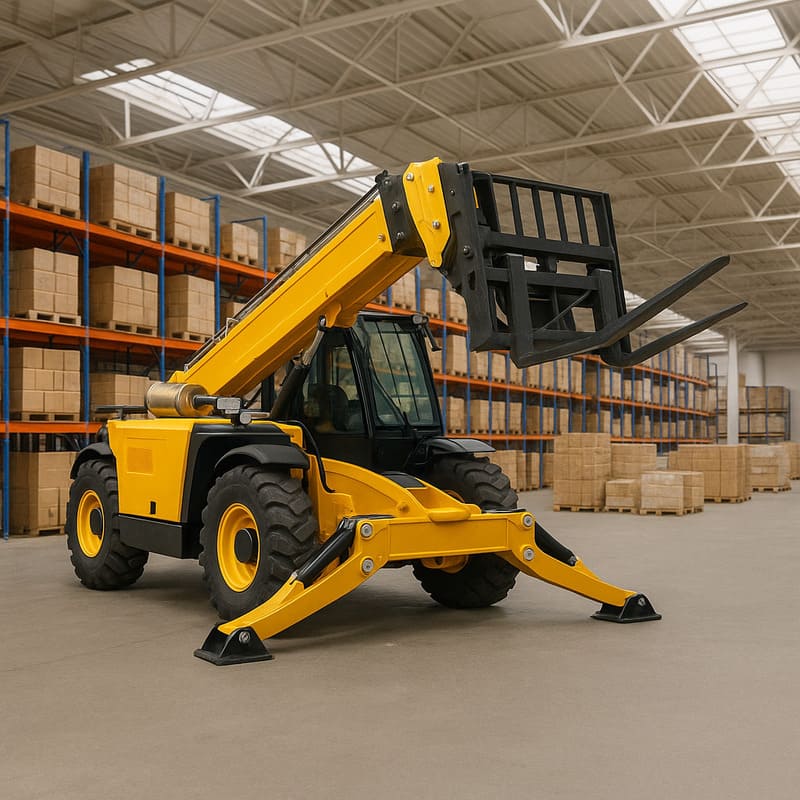
For telehandlers equipped with outriggers, proper deployment is essential to maintain stability. Operators must evaluate ground bearing capacity to ensure soil or pavement can support the machine and its load. Soft or sloped terrain requires additional caution.
SB Skills – Safety Guidelines
Visibility & Blind Spots
High lift heights and long booms can create blind spots for telehandler operators. Best practice includes using a spotter for elevated placements and installing cameras or proximity sensors to improve visibility around the machine.
JCB – Safety Best Practices
Training & Operator Certification
Telehandlers: Typically require specialized training and certification, due to their versatile boom operation and stability risks. In markets like the UK and NZ, operators need CPCS, NPORS, or NZQA Unit Standard endorsements.
Forklifts: Certification is mandatory in most jurisdictions. OSHA in the U.S. classifies telehandlers as Class VII rough terrain forklifts, while Classes I–VI cover warehouse and industrial models.
International Standards & Compliance
All Telescro telehandlers comply with:
Compliance ensures not only legal operation but also reduced risk of accidents, downtime, and liability.
Safety First, Performance Always
Telehandlers and forklifts deliver their full value only when operated under strict safety standards and by certified professionals. By following load charts, ensuring stable ground conditions, and complying with international certifications such as CE and EPA, businesses can maximize productivity while minimizing risk. Safety is not an option—it is the foundation of reliable performance.
Questions About Safety Standards or Compliance?
Our technical team provides comprehensive safety documentation and compliance guidance for all equipment purchases and rentals.
Total Cost of Ownership Calculator
Compare real operational costs between telehandlers and forklifts over 3-5 years. Factor in purchase price, operating costs, versatility benefits, and resale value to make informed equipment decisions.
Input Parameters
5-Year TCO Breakdown
TCO Comparison: Telehandler vs Forklift
Telehandler TCO Advantages
Forklift TCO Advantages
Smart Investment Strategy
Based on your calculations, consider these strategic approaches to optimize your equipment investment and operational efficiency.
Frequently Asked Questions
Expert answers to common telehandler and forklift selection, operation, and safety questions. Get the technical guidance you need to make informed equipment decisions.
What's the fundamental difference between a telehandler and a rough-terrain forklift?
Can I use a telehandler indoors? What should I watch for?
I need ~30 m height with low load—what's more economical?
Are electric forklifts suitable for cold storage or long ramps?
How do I check a telehandler's allowable load at forward reach?
When must I use outriggers and frame leveling?
How do common attachments affect rated capacity?
Rent vs. buy: how should I decide using hours and project duration?
Still Have Questions?
Our technical experts are available to provide detailed guidance on equipment selection, specifications, and application requirements for your specific projects.