











Telehandler Maintenance Checklist

Daily, Weekly, Monthly and Annual Maintenance Guide for Telescopic Handlers
Regular maintenance is essential to keep a telehandler operating safely, efficiently and reliably. This comprehensive telehandler maintenance checklist outlines the key inspection and service tasks that should be performed on a daily, weekly, monthly and annual basis.
Whether you are an equipment operator, fleet manager or contractor, following a structured maintenance routine helps reduce unexpected downtime, extend machine lifespan and improve overall jobsite safety.
Use this guide to ensure your telescopic handler remains in optimal working condition throughout its service life.
On This Page
Navigate to any section to find the information you need.
Why Telehandler Maintenance Is Important
Telehandlers are widely used in construction, agriculture, logistics and industrial material handling. These machines often operate under heavy loads, uneven terrain and demanding working conditions. Without proper maintenance, critical components such as the hydraulic system, boom structure, drivetrain and braking system may experience accelerated wear or unexpected failure.
Regular telehandler maintenance is essential for ensuring safe and reliable machine operation. A structured maintenance routine allows operators and equipment managers to detect potential issues early, prevent costly breakdowns and maintain optimal machine performance. Preventive maintenance also helps reduce unplanned downtime, which can significantly impact productivity on job sites.
A comprehensive telehandler maintenance checklist typically includes daily inspections, periodic service tasks and long-term maintenance procedures. Daily inspections focus on identifying visible issues such as hydraulic leaks, tire damage or loose components. Weekly and monthly maintenance routines involve lubrication, structural checks and system inspections. Annual service procedures include deeper maintenance such as fluid replacement and detailed component inspections.
In addition to improving safety and reliability, proper maintenance can significantly extend the service life of a telehandler. Machines that are regularly inspected and maintained tend to operate more efficiently, experience fewer mechanical failures and maintain higher resale value.
For equipment owners, fleet managers and operators, following a clear telehandler maintenance checklist is one of the most effective ways to keep telescopic handlers performing safely and efficiently throughout their operational life.

Daily Telehandler Inspection Checklist
Daily inspections are a critical part of telehandler preventive maintenance. Before operating the machine, operators should perform a thorough visual inspection and basic functional check to ensure that the equipment is safe to use.
A daily telehandler inspection helps identify potential problems such as hydraulic leaks, structural damage, worn components or system malfunctions before they lead to serious failures. The following checklist outlines the essential inspection points that should be checked at the start of each working day.
Engine System Inspection
The engine is the primary power source of the machine, and its condition directly affects overall performance and reliability.
- Check engine oil level and ensure it is within range
- Inspect cooling system and verify coolant level
- Look for fuel leakage around engine and fuel lines
- Inspect belts and hoses for cracks, wear or looseness
- Listen for unusual noises or abnormal vibration after starting
Hydraulic System Inspection
The hydraulic system powers the boom movement, lifting functions and attachments. Leaks or damaged hoses can lead to safety hazards.
- Check the hydraulic oil level
- Inspect hydraulic hoses for cracks, abrasion or swelling
- Check hydraulic fittings and connections for leaks
- Examine hydraulic cylinders for oil leakage around seals
- Observe whether boom movements are smooth and stable
Tire and Chassis Inspection
Telehandlers often operate on rough terrain, making tire condition and chassis integrity extremely important for stability and safety.
- Check tire pressure according to recommended specification
- Inspect tires for cuts, punctures or excessive wear
- Check that wheel nuts are properly tightened
- Inspect chassis for visible damage or structural deformation
Boom Structure Inspection
The telescopic boom is the core structural component. Damage to the boom can significantly affect lifting safety.
- Check for visible cracks or structural damage
- Look for signs of deformation
- Verify smooth extension and retraction movement
- Check for excessive wear on boom slide pads
- Ensure boom pivot pins are securely mounted
Attachments and Fork Inspection
Attachments must be securely connected and compatible with the machine's rated capacity.
- Inspect forks for bending, cracks or damage
- Verify attachment locking mechanisms are engaged
- Check hydraulic couplers if hydraulic attachments are used
- Ensure the attachment is correctly installed
Brake and Steering System
Proper braking and steering are essential for safe operation.
- Test service brake for proper response
- Verify parking brake holds the machine securely
- Check steering response and smooth operation
- Listen for abnormal sounds during steering
Electrical System Inspection
The electrical system supports machine monitoring and safety signaling.
- Dashboard indicators and warning lights
- Work lights and headlights
- Reverse alarm and warning signals
- Horn functionality
Operational Function Test
After completing the visual inspection, start the machine and perform basic operational checks.
- Raise and lower the boom
- Extend and retract the telescopic boom
- Operate attachment controls
- Test forward and reverse travel
- Verify all control functions respond correctly
When to Stop Operating the Machine
If any of the following issues are detected, the machine should not be operated until corrected:
Need genuine spare parts or professional maintenance support for your telehandler?
Weekly Telehandler Maintenance Checklist
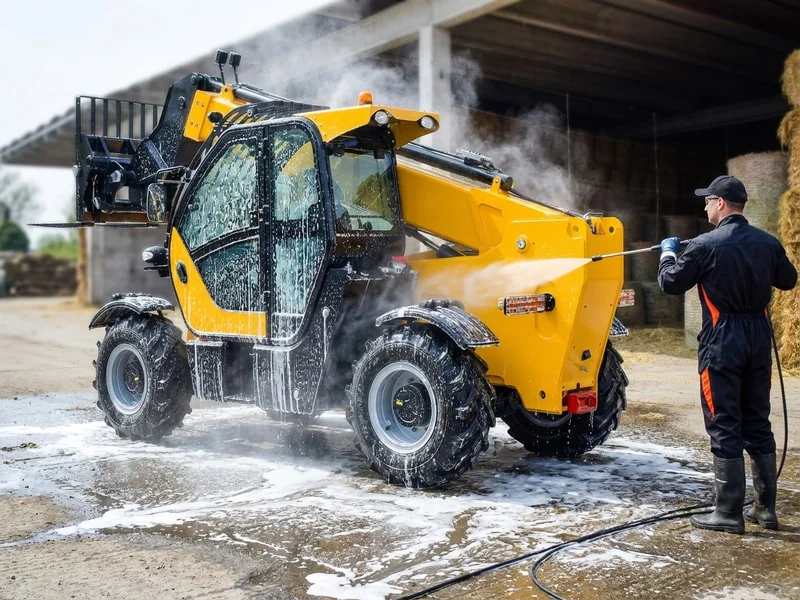
Weekly maintenance focuses on cleaning, lubrication and routine system checks that help keep the machine operating smoothly between more detailed inspections. While daily inspections identify immediate safety issues, weekly maintenance helps prevent gradual wear, contamination and performance loss.
Machine Cleaning
Dirt, mud and debris can hide potential problems such as oil leaks, damaged components or loose fittings.
- Clean exterior surfaces of the machine
- Remove dirt and debris from boom and chassis
- Clean radiator and cooling system air passages
- Remove mud around axles and undercarriage
- Clean operator cabin and control panels
A clean machine makes routine inspections easier and helps identify issues earlier.
Lubrication Inspection
Regular lubrication reduces friction and wear in moving components. Weekly checks ensure all pivot points operate smoothly.
- Boom pivot points
- Attachment mounting joints
- Steering linkage components
- Mechanical pivot connections
Clean grease fittings before applying lubricant and follow recommended procedures.
Battery Inspection
Poor battery condition can cause starting problems and electrical malfunctions. Weekly checks keep the system reliable.
- Check battery terminals for corrosion
- Ensure terminals are clean and securely connected
- Verify battery mounting bracket is secure
- Inspect battery cables for damage or looseness
Clean battery connections help maintain reliable electrical performance.
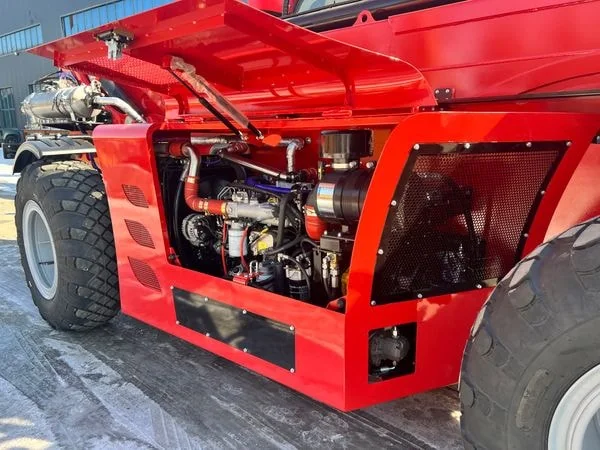
Cooling System Inspection
Dust and debris reduce cooling efficiency, especially in dusty environments. Weekly checks prevent overheating.
- Inspect the radiator for dirt or blockage
- Clean radiator fins if necessary
- Check coolant hoses for cracks or leaks
- Ensure cooling fan operates normally
Proper cooling system care supports stable engine performance.
By performing these basic maintenance tasks regularly, operators and equipment managers can reduce the risk of unexpected breakdowns and extend the service life of the machine.
Monthly Telehandler Inspection Checklist
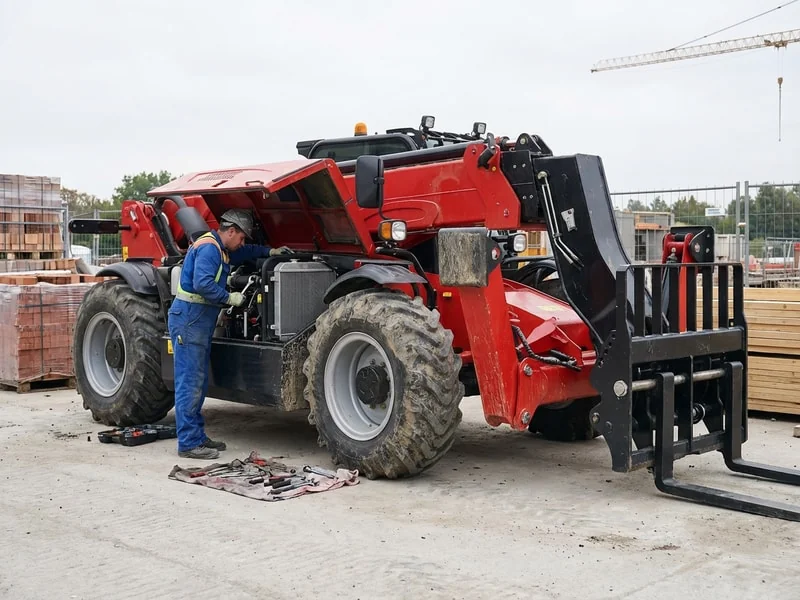
Monthly inspections involve a more detailed evaluation of the machine's structural components and operating systems. These checks help identify gradual wear, mechanical issues or system irregularities that may develop over time.
Structural Inspection
The structural integrity of the machine should be carefully inspected to ensure safe lifting and material handling operations.
- Inspect chassis and frame for cracks or deformation
- Examine weld points for fatigue or damage
- Inspect boom pivot connections and mounting points
- Check that all structural fasteners are secure
- Verify boom operates smoothly without abnormal movement
Hydraulic System Inspection
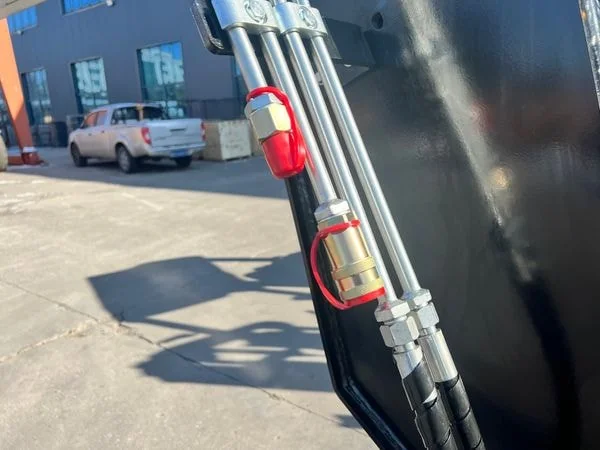
A detailed inspection helps maintain stable and reliable hydraulic performance for lifting, extension and attachment functions.
- Inspect hydraulic hoses for abrasion or aging
- Check hydraulic fittings and connections for leaks
- Observe hydraulic cylinders for oil seepage around seals
- Check hydraulic oil condition and cleanliness
- Verify smooth operation of hydraulic functions during use
Transmission and Drive System
The drivetrain transfers engine power to the wheels and supports machine movement across various terrains.
- Inspect drive shaft and mechanical joints
- Check axle housings for oil leakage
- Observe transmission performance during operation
- Listen for unusual noises during machine movement
- Verify gear shifting operates smoothly
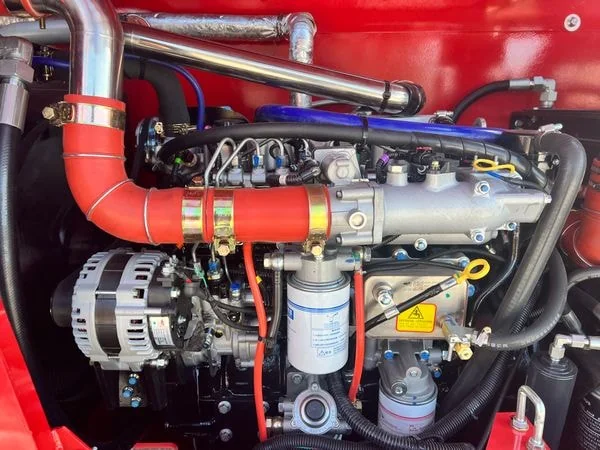
Safety System Inspection
Regular inspection ensures safety systems designed to protect operators and surrounding personnel function properly.
- Verify proper operation of warning alarms
- Inspect safety switches and control functions
- Check functionality of machine safety indicators
- Ensure safety labels and load charts remain visible
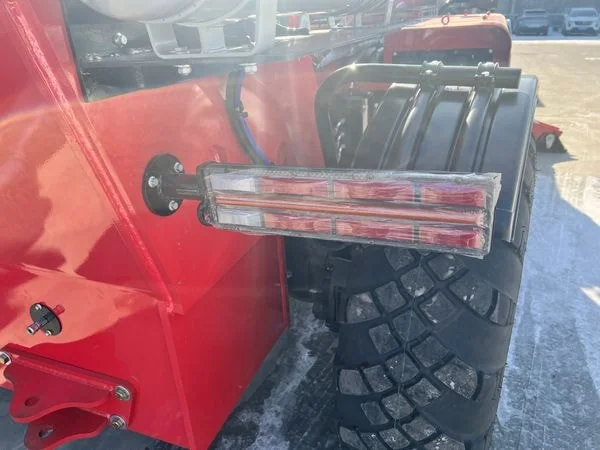
Regular monthly inspections are an important part of preventive maintenance and help ensure that the telehandler continues to operate safely and efficiently in demanding working environments.
Consistent monthly inspections help catch problems before they become costly repairs. Need OEM spare parts or technical support to keep your telehandler in top condition?
Annual Telehandler Maintenance and Service
Annual maintenance involves a comprehensive inspection and servicing of key machine systems. Unlike daily or monthly inspections, annual service focuses on deeper tasks such as fluid replacement, filter replacement and detailed system evaluation.
Engine System Service
Periodic servicing to maintain stable performance and efficient operation.
- Replace engine oil according to specification
- Replace the engine oil filter
- Replace fuel filters if necessary
- Inspect air filter and replace if required
- Inspect belts and hoses for wear
Improves fuel efficiency, reduces emissions and extends engine lifespan.
Hydraulic System Service
Fluid and filtration replacement to maintain lifting and extension performance.
- Replace hydraulic oil per service guidelines
- Replace hydraulic filters
- Inspect hydraulic pumps for stable operation
- Check hydraulic cylinders and seals for wear
- Inspect hoses and fittings for aging or damage
Clean hydraulic fluid protects components and ensures consistent performance.
Cooling System Service
Maintaining proper engine temperature and preventing overheating during heavy operation.
- Replace coolant if required
- Inspect radiator and cooling passages
- Check coolant hoses and clamps
- Inspect cooling fan and fan drive components
Ensures stable engine operation under demanding working conditions.
Drive System Service
Drivetrain transfers engine power to wheels and supports mobility across terrains.
- Inspect drive shafts and universal joints
- Check axle housings for leaks
- Inspect drivetrain components for wear
- Observe movement for abnormal vibration or noise
Maintains smooth operation and reduces mechanical stress.
Structural Safety Inspection
Detailed structural check to ensure long-term safety of lifting operations.
- Inspect telescopic boom for cracks or deformation
- Examine structural weld points
- Inspect chassis and frame for structural integrity
- Check mounting points and structural connections
Early detection prevents serious failures and ensures safe operations.
Need Service Support?
Annual servicing is typically performed by qualified technicians. Contact us for OEM spare parts, service kits and professional maintenance guidance.
Initial Service for New Telehandlers
New telehandlers require an initial service inspection after the first period of operation. During the early stage, mechanical components go through a break-in period in which parts settle, seals stabilize and moving components adjust to normal working conditions.
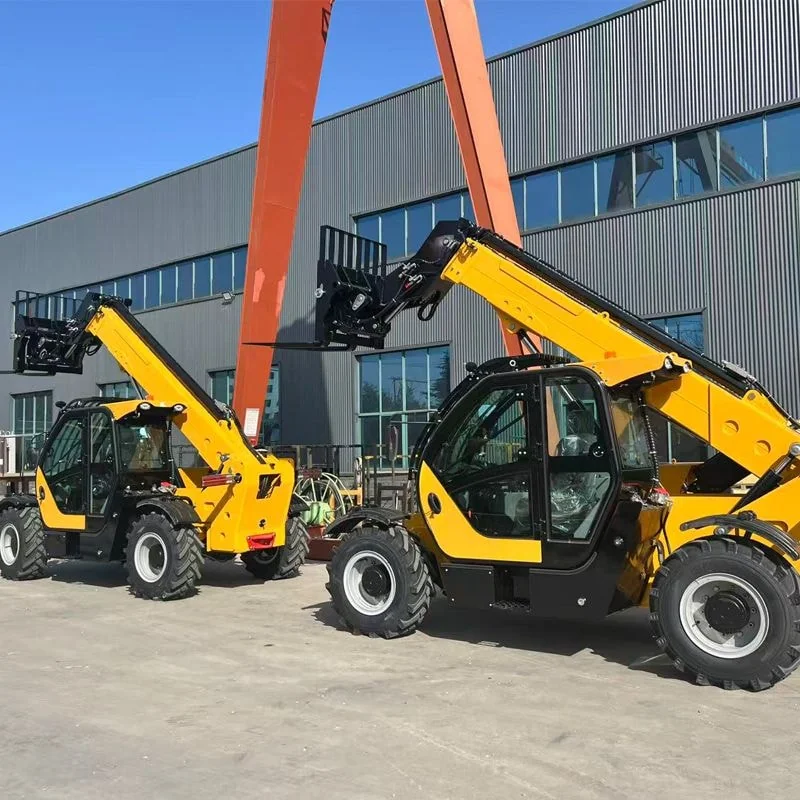
Performing an initial service helps identify early signs of wear, loose fasteners or minor leaks. Addressing these issues early ensures the machine continues to operate safely and efficiently.
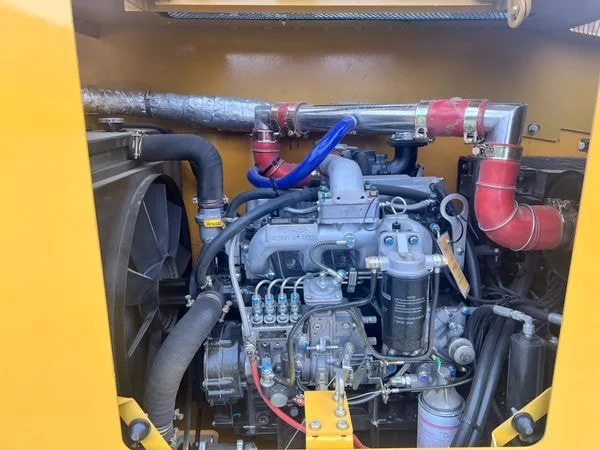
Fastener and Structural Inspection
During the first stage of operation, vibration and mechanical loads may cause certain fasteners to loosen slightly.
- Check structural bolts and mounting hardware
- Inspect boom pivot pins and mounting points
- Verify attachment mounting hardware remains secure
- Inspect chassis and frame for proper alignment
Secure structural connections maintain lifting stability and operational safety.
Hydraulic System Check
Hydraulic systems should be inspected carefully after the initial operating period to confirm all components function correctly.
- Inspect hydraulic hoses and fittings for leaks
- Verify stable hydraulic system pressure during operation
- Check hydraulic cylinders for seal integrity
- Observe smooth boom movement and attachment control
Confirms hydraulic system is operating correctly after the break-in period.
Engine and Cooling System Check
The engine and cooling system should also be inspected during the initial service stage.
- Check engine oil level and condition
- Inspect cooling system hoses and connections
- Verify radiator remains clean and unobstructed
- Inspect drive belts for proper tension
Ensures the engine operates efficiently after the early running period.
Inspection for Fluid Leaks
After the first period of operation, it is important to check for any signs of fluid leakage.
- Check hydraulic connections
- Inspect engine oil seals
- Check coolant hoses and fittings
- Inspect drivetrain components for oil leakage
Early leak detection prevents contamination and protects critical components.
Initial servicing is an important step in establishing a long-term maintenance routine for the equipment.
Telehandler Storage Maintenance
When a telehandler will not be used for an extended period, proper storage maintenance is necessary to protect the machine from deterioration. Long-term inactivity can lead to corrosion, fluid contamination, battery discharge and damage to seals or hoses.
Machine Cleaning & Prep
The machine should be thoroughly cleaned and inspected before storage.
- Wash and clean the exterior
- Remove dirt from boom and chassis
- Clean radiator and cooling surfaces
- Inspect for leaks or damage
- Repair any issues before storing
Fluid System Preparation
Inspect fluid systems to prevent contamination and protect internal components.
- Check engine oil condition and level
- Inspect hydraulic fluid level
- Ensure coolant levels are correct
- Address any fluid leaks
- Run engine briefly to circulate fluids
Battery Protection
Batteries may gradually lose charge during long periods of inactivity.
- Turn off all electrical systems
- Disconnect battery for long-term storage
- Ensure terminals are clean and protected
- Store battery in dry environment if removed
Storage Environment
The storage environment plays an important role in protecting equipment from damage.
- Store in a dry and sheltered location
- Avoid prolonged exposure to rain or moisture
- Park on stable and level ground
- Retract boom fully during storage
Return to Service Check
A full inspection should be performed before returning the machine to operation.
- Check fluid levels and system conditions
- Inspect hydraulic hoses and seals
- Inspect tires and chassis components
- Test engine starting performance
- Full functional test of machine controls
Storage Support
Preparing for long-term storage? Contact us for protective covers, storage kits and professional guidance on keeping your telehandler in top condition during extended downtime.
Telehandler Maintenance Log and Record Keeping
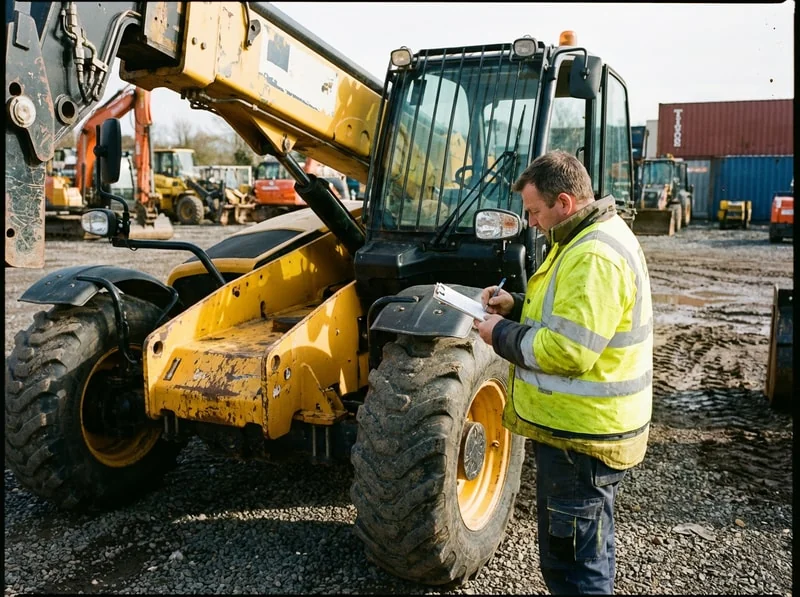
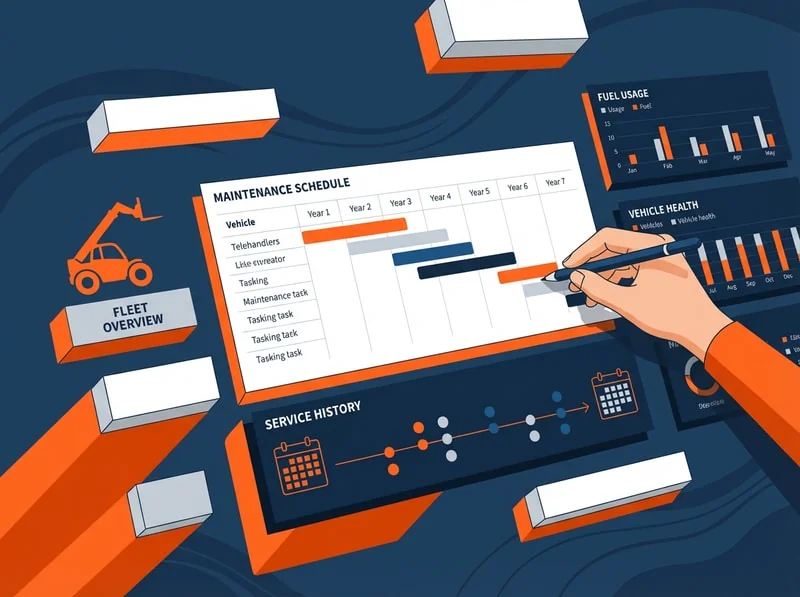
Keeping accurate maintenance records is an essential part of equipment management. A well-maintained service log helps track inspections, maintenance activities and component replacements throughout the machine's operating life.
Key Information to Record
A maintenance log should include basic machine information and details about each inspection or service activity.
Organized records help maintenance teams monitor equipment condition and plan future service intervals.
Benefits of a Service Log
Detailed maintenance records provide several operational benefits.
- Improved tracking of maintenance history
- Early identification of recurring issues
- Better planning for preventive maintenance
- Reduced risk of unexpected failure
- Increased reliability and safety
Ensures compliance with safety policies and operational standards.
Preventive Maintenance Planning
Maintenance logs are useful for establishing preventive maintenance schedules. By reviewing historical service data, equipment managers can determine appropriate service intervals and identify components that may require more frequent inspection.
A structured maintenance log allows organizations to transition from reactive repairs to preventive maintenance, helping reduce downtime and extend equipment service life.

Establishing a structured telehandler maintenance log ensures that all tasks are recorded consistently and can be reviewed when necessary. Proper documentation supports equipment safety management and helps maintain operational efficiency across your entire fleet.
Telehandler Maintenance Safety Precautions
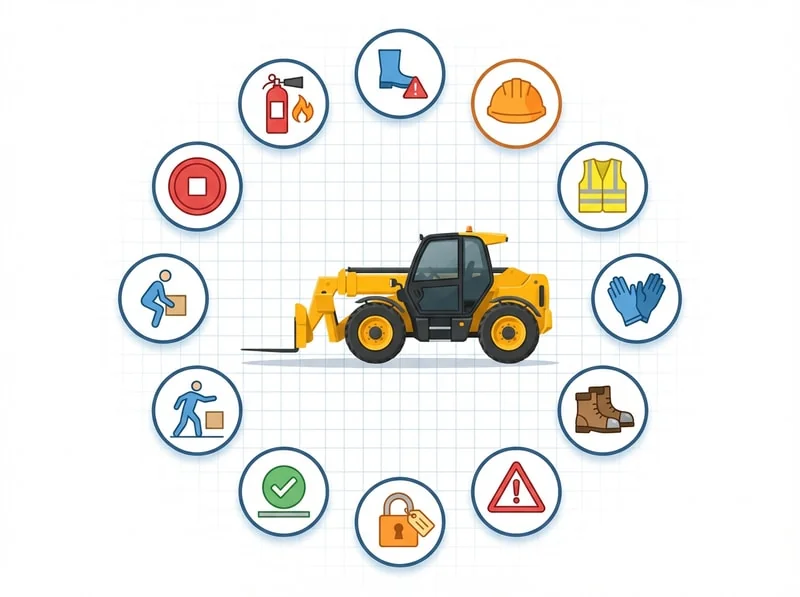
Proper safety procedures must always be followed when performing maintenance or inspection on a telehandler. Before performing any tasks, ensure the machine is in a safe condition and all necessary precautions have been taken.
Safety First
Maintenance work often involves moving components, hydraulic systems under pressure and heavy structural parts. Failure to follow proper safety practices can lead to serious injury or equipment damage.
Shut Down the Machine
- Turn off engine and remove key
- Allow parts to fully stop
- Engage parking brake
- Park on stable, level ground
Release Hydraulic Pressure
- Ensure engine is turned off
- Relieve system pressure
- Don't disconnect pressurized lines
- Wear protective equipment
Use Proper Tools
- Use appropriate service tools
- Avoid damaged or incorrect tools
- Follow proper tightening procedures
- Ensure lifting gear is properly rated
Safe Work Environment
- Ensure adequate lighting
- Keep area clean and obstacle-free
- Wear appropriate PPE
- Prevent unauthorized access
Our Telehandler Models
This maintenance checklist applies to all Telescro telehandler models. Our range covers capacities from 1.2 tons to 5.0 tons, serving agriculture, construction, and emission-regulated markets. OEM spare parts and service support are available for every model.
Select a model to view full specifications — or contact us for maintenance support and genuine spare parts.

T4512
1.2 t · 4.5 m Compact Telehandler
Ideal for urban construction, interior handling, and space-restricted sites. Compact footprint with easy transport logistics.

T625-A
2.5 t · 6 m Agricultural Telehandler
Optimized for farm material handling and confined agricultural environments. Balanced reach and capacity for daily operations.
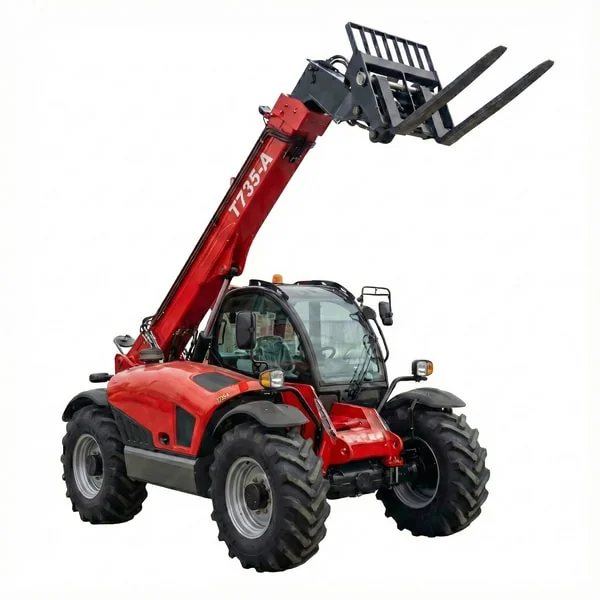
T735-A
3.5 t · 7 m Agricultural Telehandler
Designed for intensive farm handling and feed operations. Stable lifting performance with upgraded hydraulic configuration.
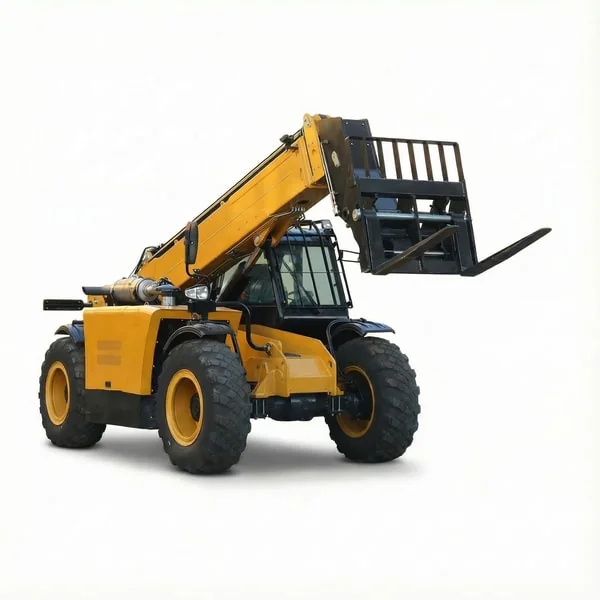
T3507
3.5 t · 7 m Telehandler
Compact yet capable for construction and industrial material handling. A versatile entry point across multiple applications.
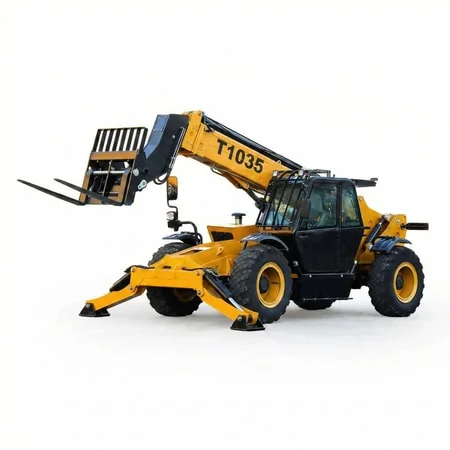
T1035
3.5 t · 10 m Telehandler
Mid-reach telehandler for construction sites, warehouses, and general contracting. Strong balance of reach and load capacity.
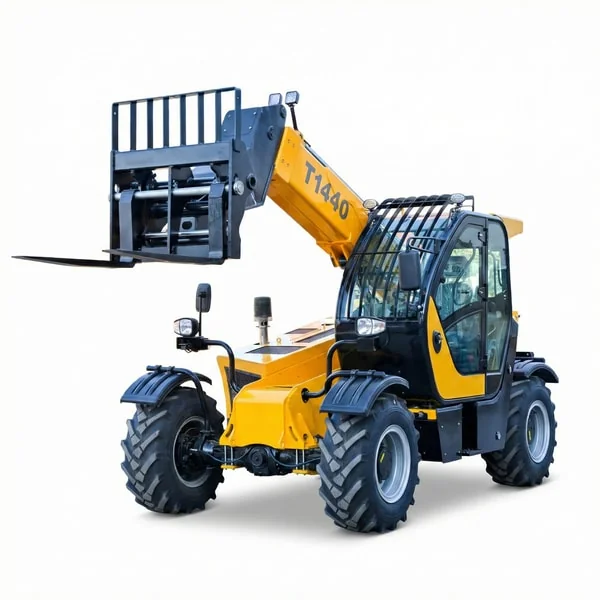
T1440
4.0 t · 14 m Telehandler
Extended reach model for demanding construction lifting and high-rise material placement applications.
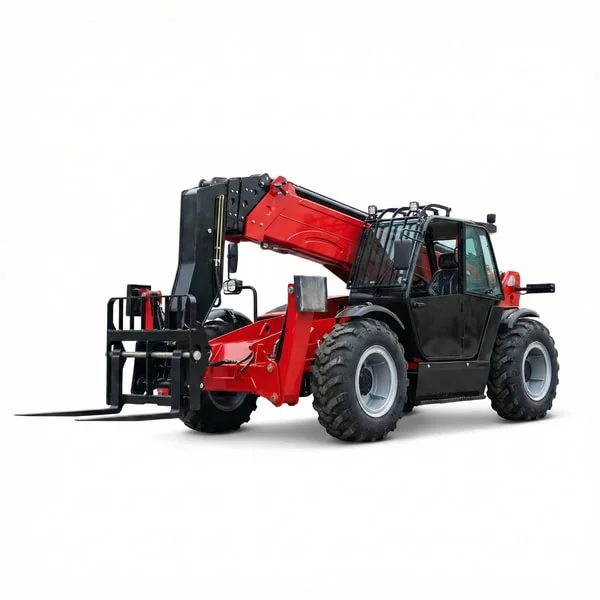
T1850
5.0 t · 18 m Telehandler
High-capacity solution for large-scale construction, infrastructure projects, and heavy material handling.

TH1840
4.0 t · 17.5 m · EPA Compliant
Configured with EPA-certified powertrain for North American and emission-regulated markets.
Need spare parts or maintenance support for your model? Talk to Sally — share your model and service requirements, and we'll provide the right parts and guidance.
Frequently Asked Questions
Common questions about telehandler maintenance, inspection routines and service best practices.
Have more questions about telehandler maintenance? Need spare parts or technical support?
Useful Resources
Reference materials to support your equipment selection, maintenance planning, spare parts sourcing and long-term fleet operations.
Maintenance Checklist
Daily, weekly, monthly and annual inspection guide for telescopic handlers.
Wear Parts & Consumables
Commonly replaced components and maintenance planning reference.
OEM Telehandler Manufacturing
Build your own telehandler brand with flexible OEM customization and private label solutions.
Telehandler or Wheel Loader?
Side-by-side equipment comparison for different job site requirements.
Telehandler or Forklift?
Equipment selection guide for material handling applications.
2026 Sourcing Guide
Step-by-step telehandler evaluation and procurement reference.
What Affects Telehandler Price?
Cost factors, pricing transparency and budget planning guidance.
Import & Customs Guide
Documentation and procedures for overseas equipment purchases.
Shipping Time Reference
Production and transit timelines from factory to destination.
Telehandler for Construction
Building and infrastructure application guide.
China Telehandler for Agriculture
Farm-specific sourcing and application guide.
China Telehandler for Rental
Rental fleet sourcing and operations planning guide.
Get Telehandler Support & Spare Parts
Whether you need genuine spare parts, maintenance guidance or a new telehandler quotation, share your requirements and we'll respond with a detailed proposal.

Hi, I'm Sally.
Sales & Service Manager at Telescro
I can help you with:
- Genuine OEM spare parts and wear parts sourcing
- Hydraulic components, filters and engine service kits
- Technical maintenance guidance and service manuals
- New telehandler quotations and model recommendations
- Shipping logistics and factory-direct pricing
No commitment required. Share your telehandler model and maintenance needs — I'll respond with parts availability, pricing and delivery options that you can evaluate at your own pace.
Request a Quote
Describe your requirements — Sally will respond within 24 hours.