











Importing a Telehandler from China
2026 Buyer's Guide
For Equipment Managers, Contractors & Rental Companies
Telehandler Import
Practical Resource
2026 Telehandler Import Guide
A practical reference for overseas buyers covering import steps, shipping timelines, HS code reference, common risks, and how to choose the right telehandler model for your project.
- Complete import workflow from inquiry to delivery
- HS codes, shipping routes & customs clearance tips
- Common pitfalls and how to avoid them
- Model selection guidance based on real applications
Table of Contents
Jump to any section of this comprehensive import guide.
Who This Guide Is For
If you are reading this, you are likely trying to answer a practical question: "Does importing a Chinese telehandler actually make sense for my project?"
This guide is designed for you if:
- You are considering importing a telehandler from China for the first time, or re-evaluating your current suppliers
- You are responsible for equipment purchasing or technical decisions, not just price comparison
- You plan to buy more than one unit, or are evaluating a long-term supply option
- You are comfortable working with sea freight lead times rather than immediate local stock
- You want to understand the real process, risks, and trade-offs before contacting a supplier
This guide may not be suitable if:
- You need a telehandler available locally within days, not weeks
- You require on-site service or dealer support immediately after delivery
- You are only looking to buy a single unit with full local warranty coverage
- You prefer a brand-driven purchase over a cost-performance evaluation
Note: In these cases, working with a local dealer may be a better option for your needs.
What you can expect from this guide
You don't need to be an import expert to read this guide. You only need to be serious about making a well-informed equipment decision.
- Clear explanations of the import process, without legal or financial overreach
- Realistic information about shipping timelines, model selection, and common mistakes
- Practical guidance written from the perspective of overseas buyers, not exporters
- No pricing pressure, no sales language — just information to help you decide your next step
Import Process
An overview of the key steps involved when importing a telehandler from China. You don't need to follow every step in detail — this section is meant to help you understand what typically happens, and what you should be prepared for.
Define Your Requirements
Before discussing suppliers or prices, it's important to clarify what you actually need from a telehandler.
Tip: Most buyers start by confirming a lift height range (e.g. 6–18 m) and capacity range (e.g. 2–4 tons).
Confirm Model & Configuration
Once your requirements are clear, the next step is confirming a suitable model and configuration.
Note: Confirming a model is not the same as placing an order. This step simply turns a general idea into a defined technical scope.
Certification & Documentation
At this stage, documentation requirements should be clarified before production begins.
Reference: Telehandlers are commonly exported under HS Code 8427.20. Confirm with your customs broker.
Production & Inspection
After model and documentation are confirmed, production can begin.
Key concern: "The photos look fine — but how do I know the shipped machine is the same?"
Shipping & Sea Transit
Once the machine is ready, shipping arrangements are made.
Note: Only shipping time references are typically provided. Freight costs are determined by market conditions.
Arrival, Clearance & Handover
The final step begins when the machine arrives at the destination port.
Complete: The import process is complete when the telehandler is cleared, delivered, and ready for use.
Need help defining your requirements?
If you're unsure about model selection or import steps, our team can help clarify your options — no commitment required.
Model Selection
An overview of the telehandler models available for export. Select based on your lift height, capacity requirements, and application type.

T4512
1.2 t Mini Telehandler
Compact 4.5 m telehandler for confined spaces, light-duty material handling, and urban job sites.

T625-A
2.5 t Agricultural Telehandler
Upgraded 6 m agricultural model with imported components, designed for daily farm operations and confined areas.
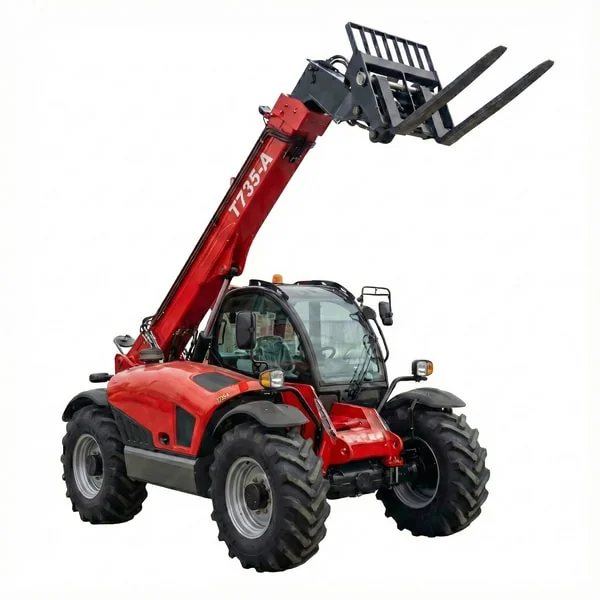
T735-A
3.5 t Agricultural Telehandler
Upgraded 7 m agricultural telehandler with imported configuration, ideal for intensive material handling on farms.
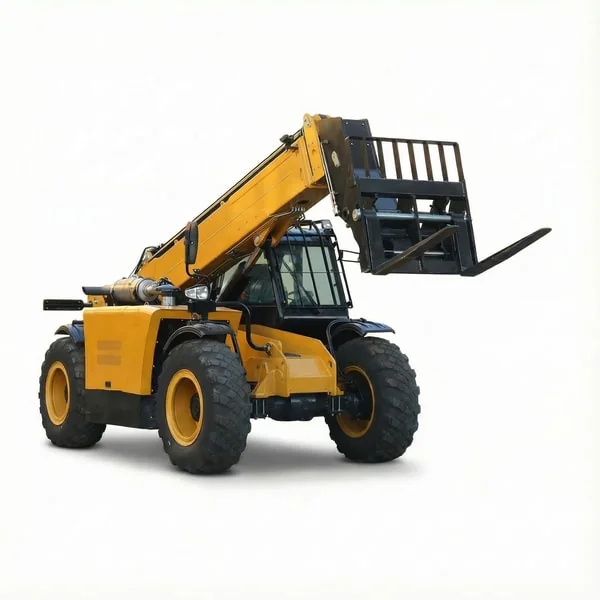
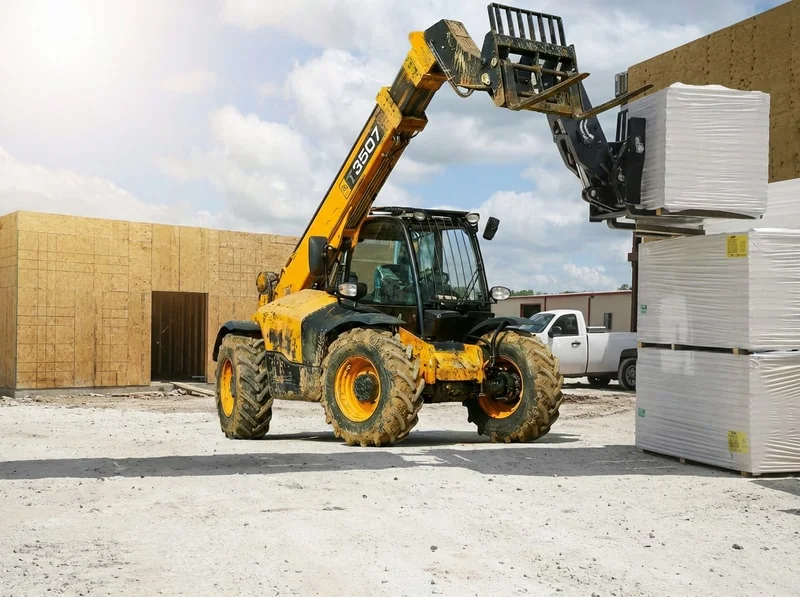
T3507
3.5 t Telehandler
Compact 7 m telehandler for construction and industrial handling, offering a practical balance between size and lifting capacity.
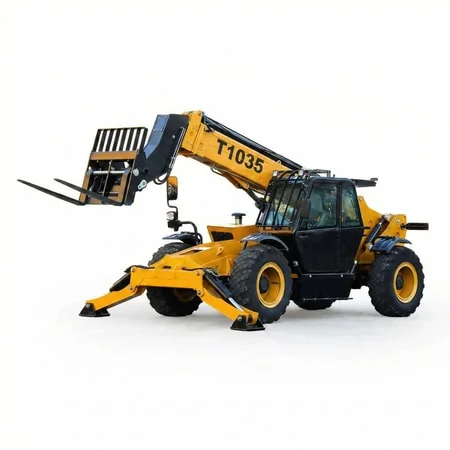
T1035
3.5 t Telehandler
Versatile 10 m telehandler designed for construction sites, warehouses, and general material handling applications.
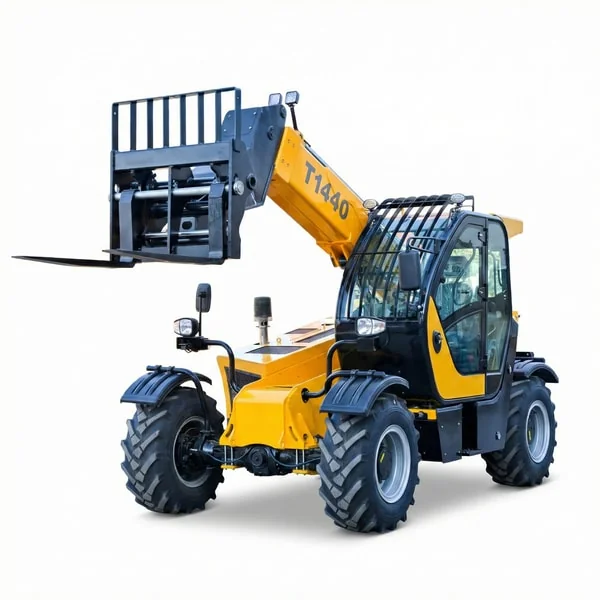
T1440
4.0 t Telehandler
Heavy-duty 14 m telehandler providing increased reach and lifting performance for demanding construction and industrial use.
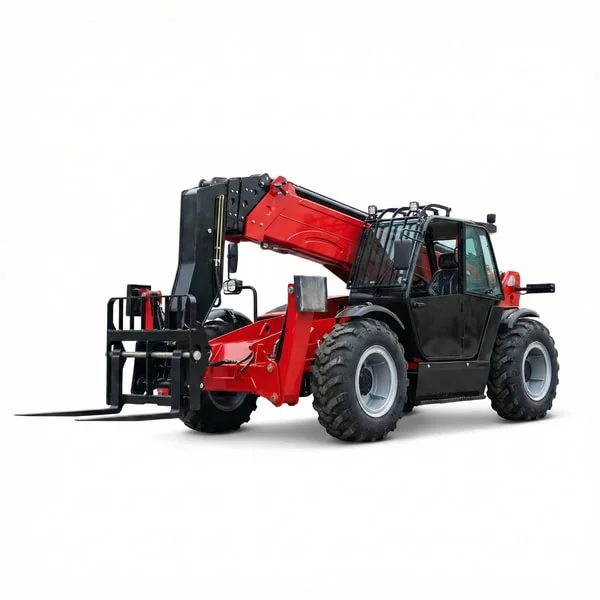
T1850
5.0 t Telehandler
High-reach 18 m telehandler built for large construction projects and rental fleets requiring maximum lifting capacity.

TH1840
4.0 t Telehandler · EPA Compliant
17.5 m telehandler designed for North American market with EPA-compliant powertrain for construction and rental applications.
Not sure which model fits your application? Most buyers start with a lift height and capacity range. We can help narrow down the options based on your actual working conditions.
Optional Attachments
The following attachments are available upon request and are not included in the standard configuration unless specifically quoted.
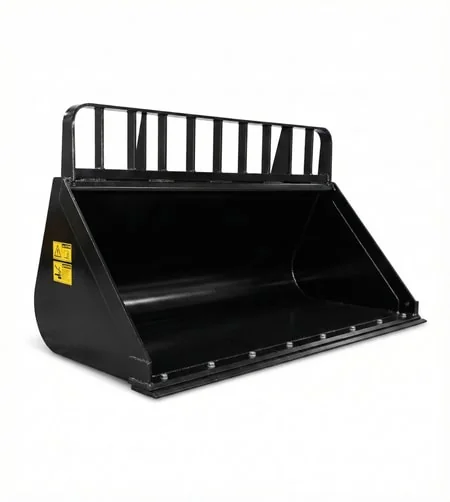
Standard Bucket
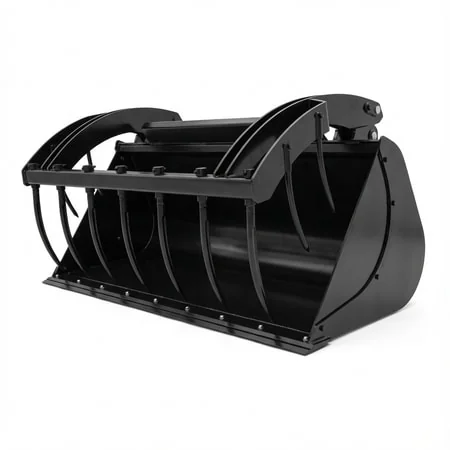
Agricultural Bucket
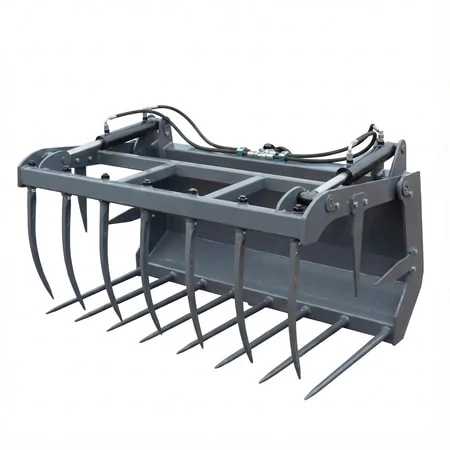
Manure Fork
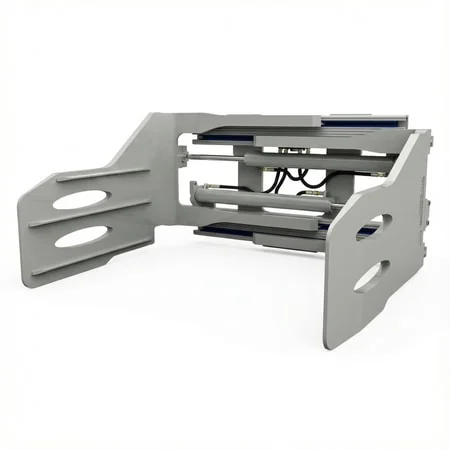
Brick Clamp
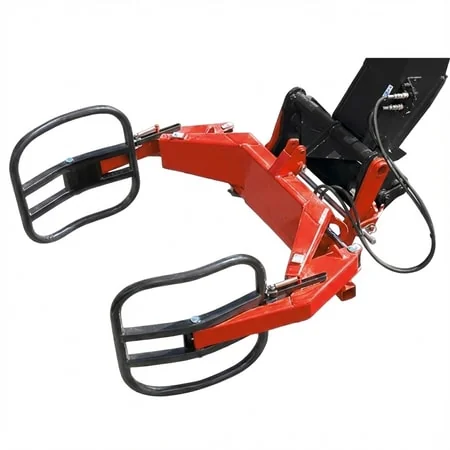
Bale Clamp
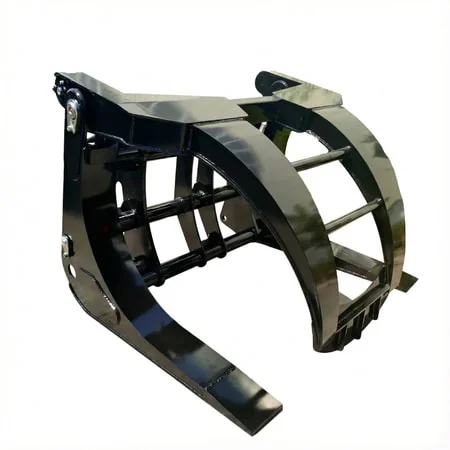
Log Clamp
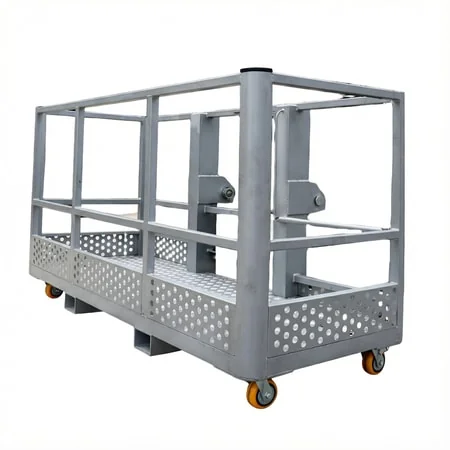
Man Basket
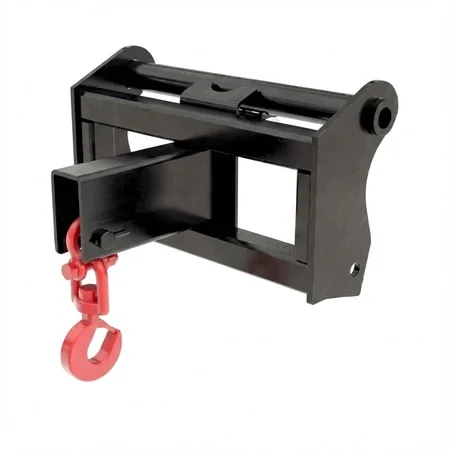
Jib Hook
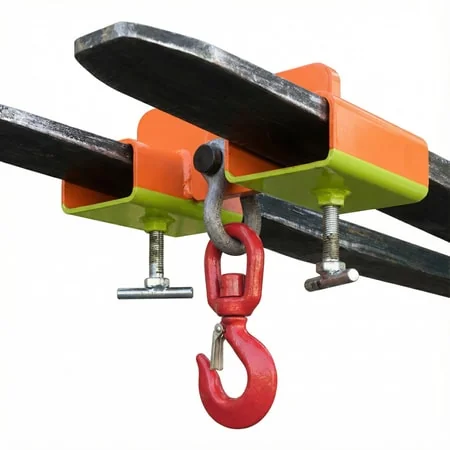
Lift Hook
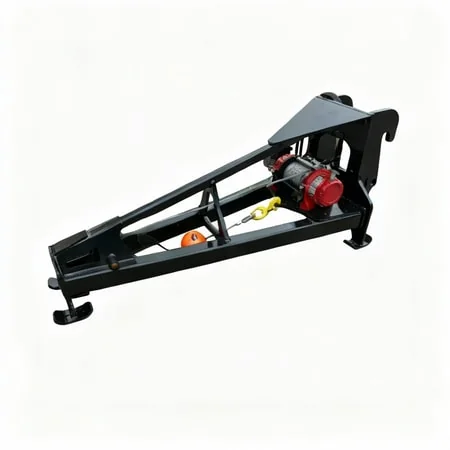
Hydraulic Winch
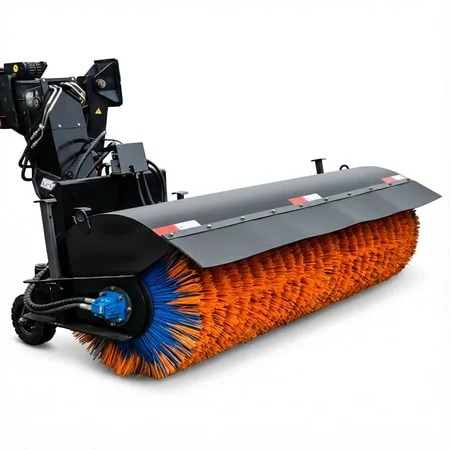
Angled Sweeper
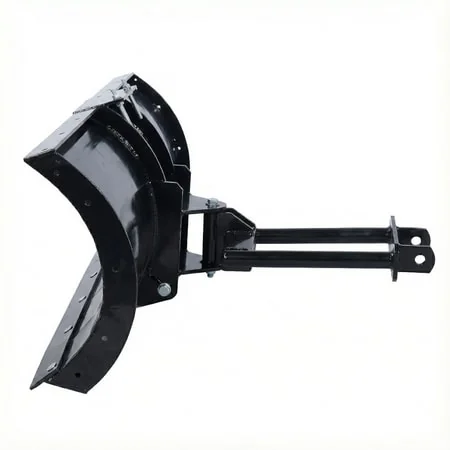
Snow Plow Blade
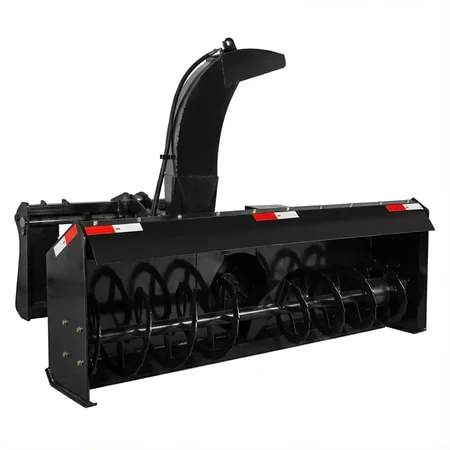
Snow Blower
Custom Attachments
Available upon request
← Swipe to view more →
Note: Availability, specifications, and compatibility may vary depending on machine configuration and target market requirements.
Standard Bucket
Agricultural Bucket
Manure Fork
Brick Clamp
Bale Clamp
Log Clamp
Man Basket
Jib Hook
Lift Hook
Hydraulic Winch
Angled Sweeper
Snow Plow Blade
Snow Blower
Custom Attachments
Tailored solutions available upon request
Important Note
Availability and compatibility may vary depending on machine configuration and market requirements.
Certification & HS Code Considerations
Before importing a telehandler, it's important to understand how certification requirements differ by destination market, and when these points should be confirmed during the process.
Ask About Certification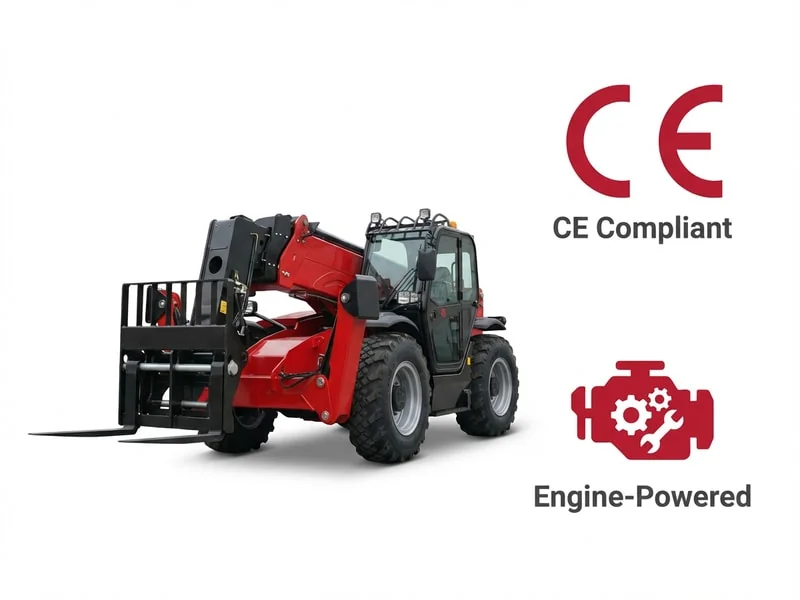
Whole Machine Compliance
If your telehandler will be used in the EU or CE-recognizing markets, CE compliance is usually required. In most cases, this applies to the machine as a whole, not just one component. Depending on configuration, this may also involve the engine and related systems.
Timing matters: CE requirements should be clarified after model selection but before production starts. Waiting too long often leads to unnecessary changes later.
CE
Marking Required
27+
Countries
Engine Emissions Focus
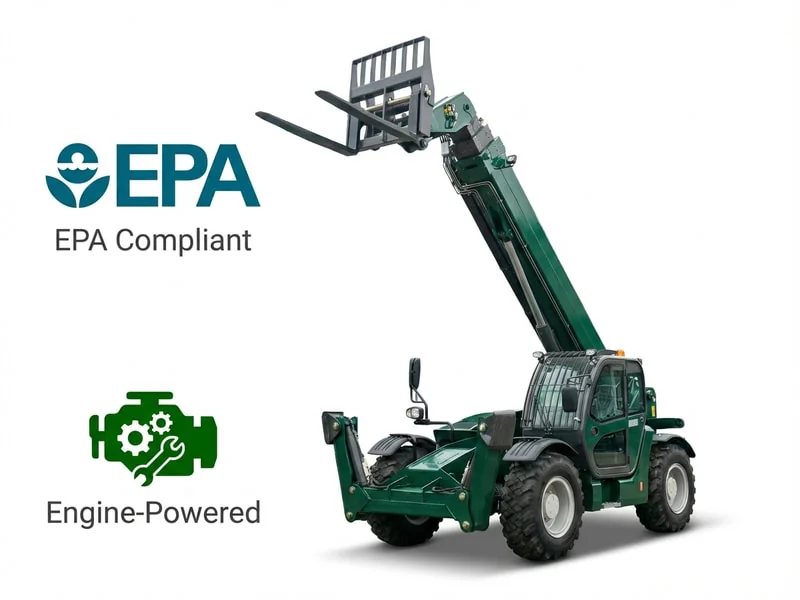
If your project is in the United States or other North American markets, regulatory focus is usually on engine emissions, such as EPA standards. Compliance is mainly tied to the engine and powertrain, rather than the entire machine.
Engine selection matters early: Changing it later can affect lead time and cost. Emissions compliance should be confirmed before production, especially for non-standard configurations.
EPA
Tier 4 Final
CARB
California
Local Standards Apply
For markets outside the EU and North America, requirements can vary widely. Some countries recognize CE as a reference, while others apply their own local standards or approval processes. There is rarely a "one-size-fits-all" rule.
Confirm early: It's best to verify local requirements early in the planning stage, ideally with a customs broker or local authority familiar with machinery imports.
About HS Codes: The standard HS code for telehandlers is typically 8427.20 (self-propelled trucks with lifting equipment). However, the exact classification may vary by country. We can provide commercial invoices and documentation to support your customs clearance.
Production & Inspection
When your order enters production, here's what you should expect.
Once you've confirmed the model and configuration, your telehandler moves into production. At this point, the main question most overseas buyers have is simple:
"Will the machine be built exactly as we agreed, even if I'm not there?"
Your order is assembled based on the confirmed specification, not adjusted on the shop floor without approval. Key components — such as the engine, transmission, hydraulics, and boom structure — are installed according to what was agreed during model confirmation.
In practical terms, production is where your confirmed specification turns into a physical machine — and the goal is to make sure nothing "drifts" between agreement and assembly.
What matters for you at this stage:
No Improvised Assembly
You're not dealing with one-off or improvised assembly. Each build follows your confirmed specification.
Repeatable Assembly Flow
The build follows a repeatable assembly flow, not last-minute decisions on the shop floor.
Changes Discussed First
Any change that affects configuration is discussed before it happens, not after the fact.
Milestone-Based Tracking
Progress is tracked by clear milestones, so you know when the machine is moving forward without constant back-and-forth.
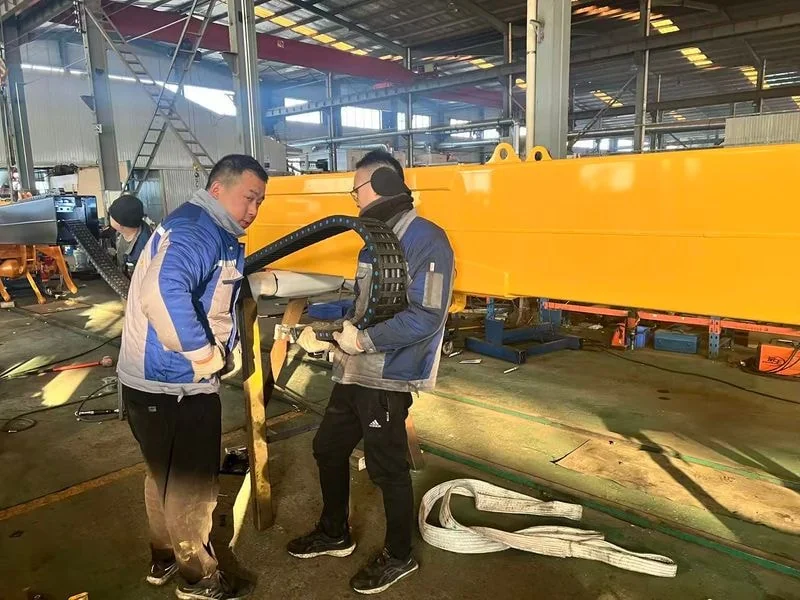
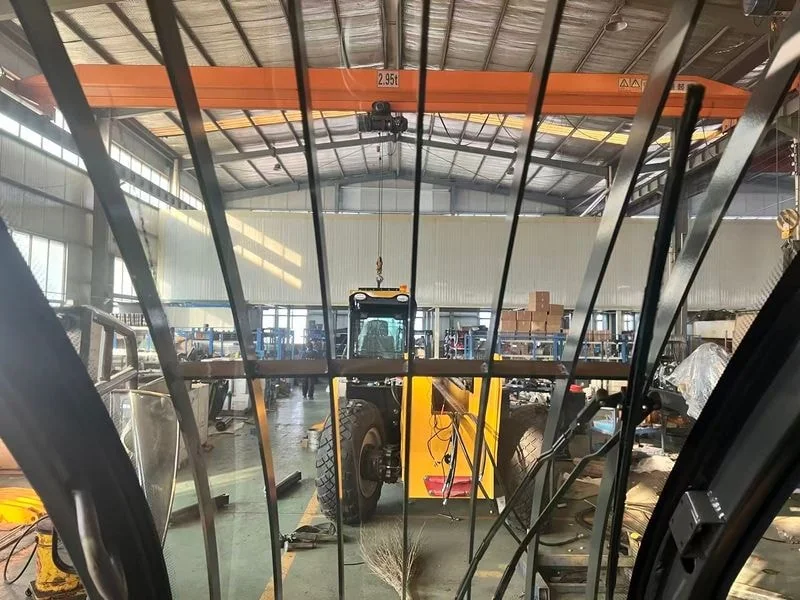
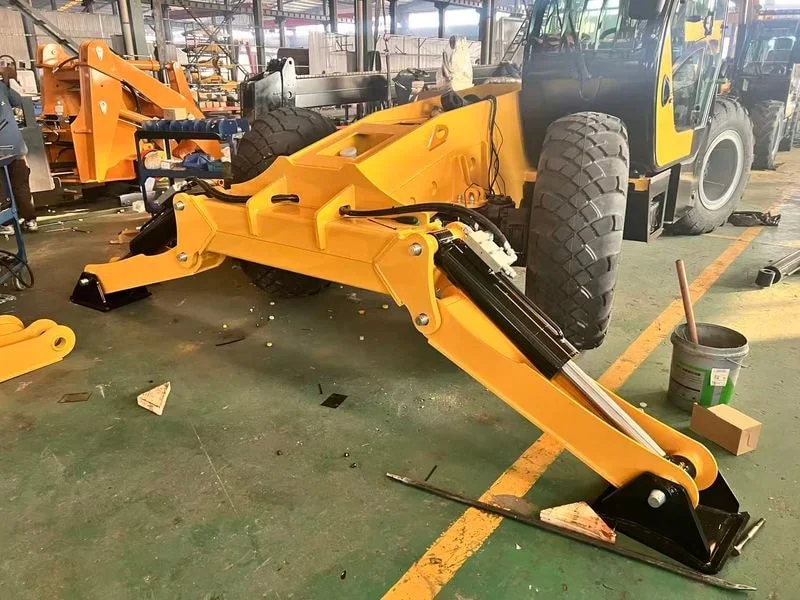
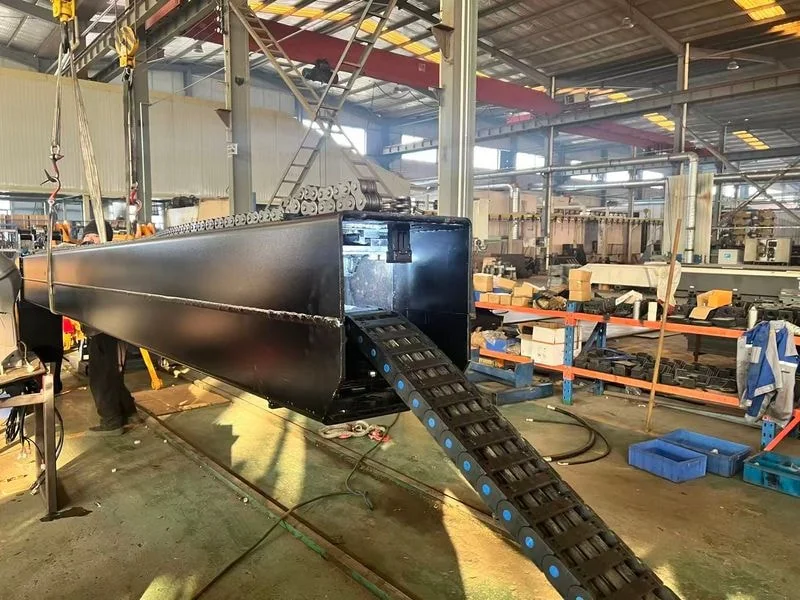
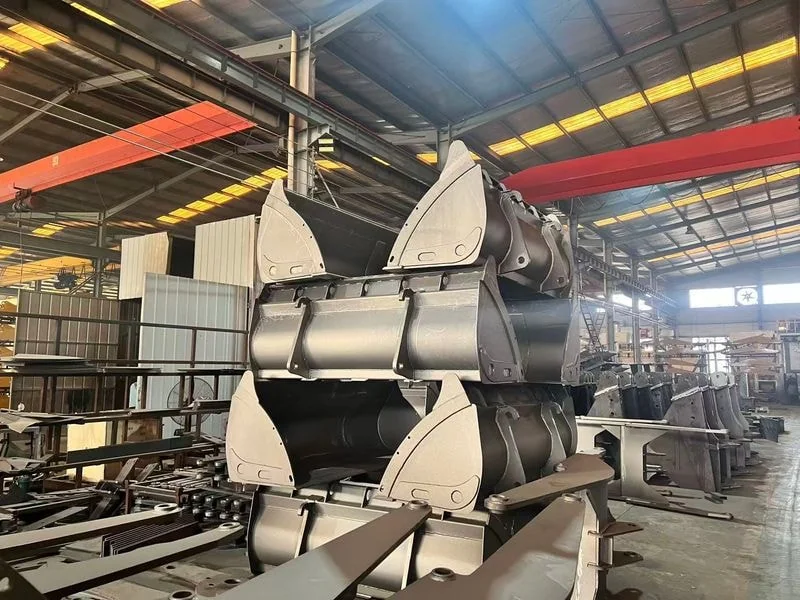
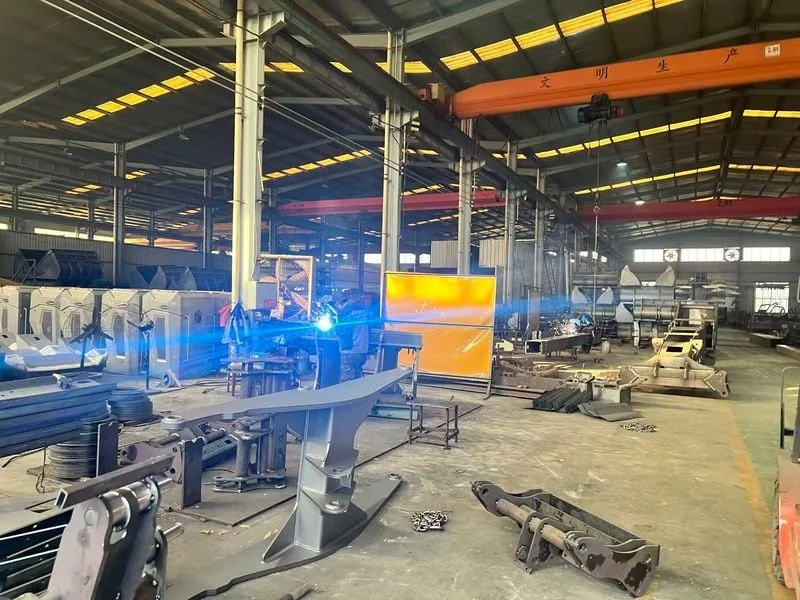
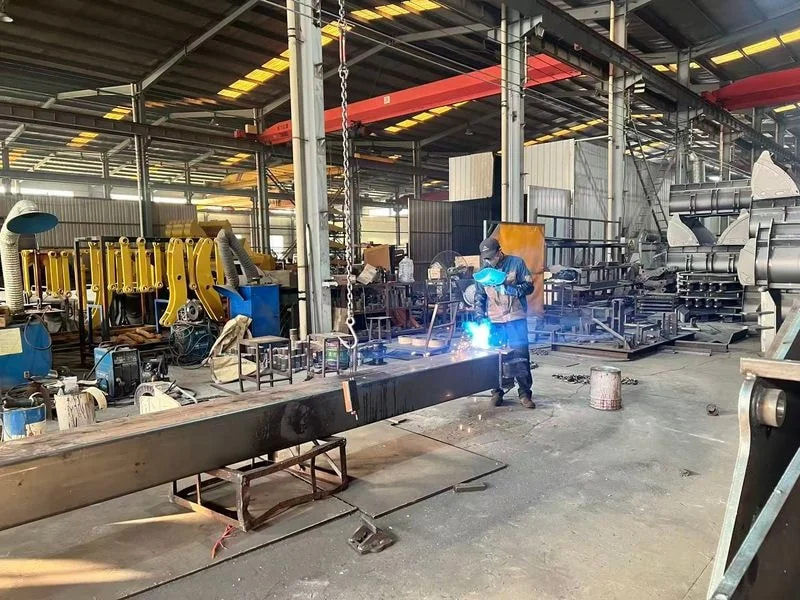
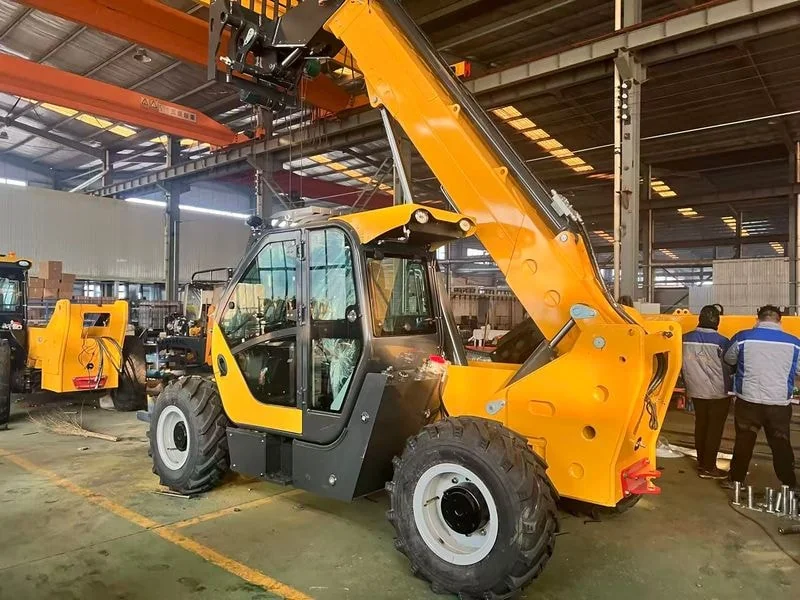
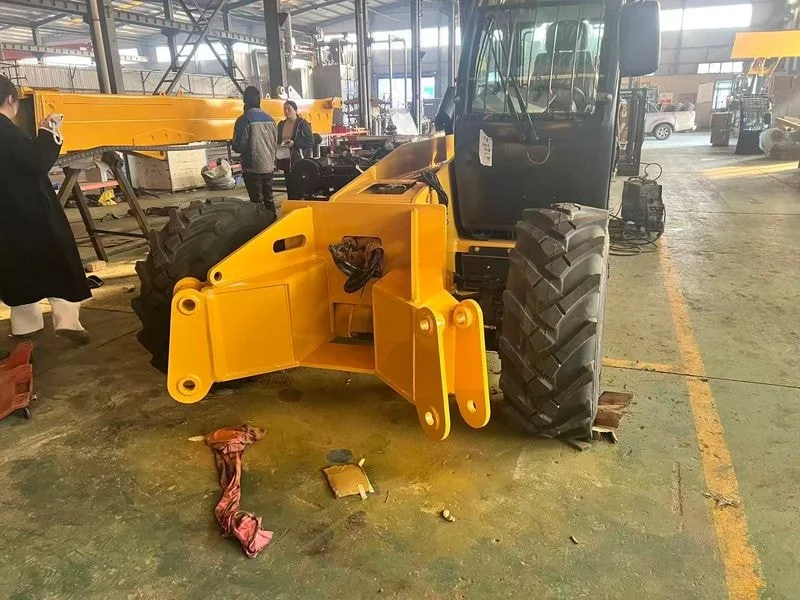
During production, you don't need to monitor every detail. Progress is tracked by clear milestones, so you know when the machine is moving forward. If you want production updates or photos at key stages, just let us know — we're happy to keep you informed.
Quality Inspection Before Shipment
Before your telehandler is loaded and shipped, this is where final checks take place.
When you're buying from overseas, inspection before shipment is often the moment that matters most. You're not on the factory floor, so what you really want to know is:
"Has someone actually checked the machine I'm about to receive?"
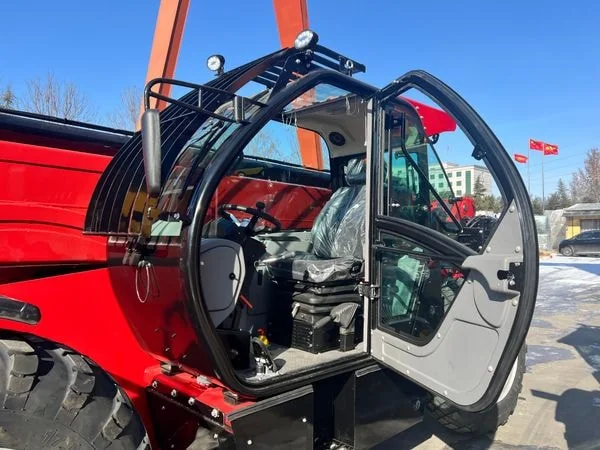
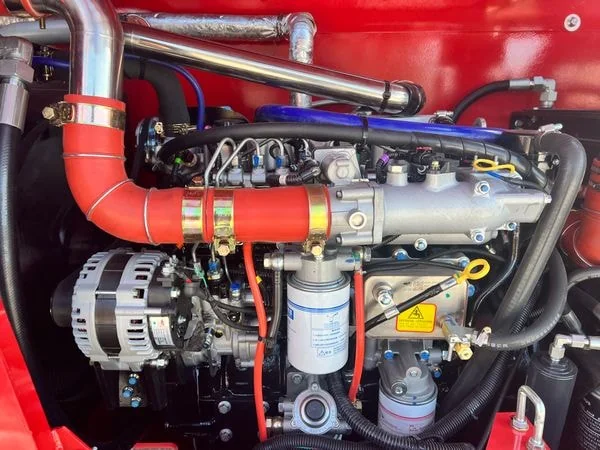
Before dispatch, the telehandler is inspected with a focus on the points that buyers care about most — not paperwork, but whether the machine matches what was confirmed and is ready to ship.
Because these checks happen before shipment, any questions or adjustments can be addressed while the machine is still at the factory — not after it arrives at your port.
Third-Party Inspection Welcome
If you prefer independent verification, third-party inspection before shipment is generally acceptable. Many buyers choose this option for additional peace of mind, especially on first orders.
In simple terms: making sure the machine you approved is the machine that gets shipped.
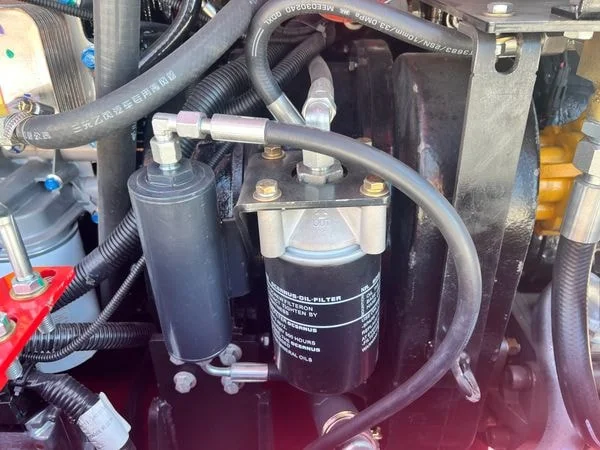
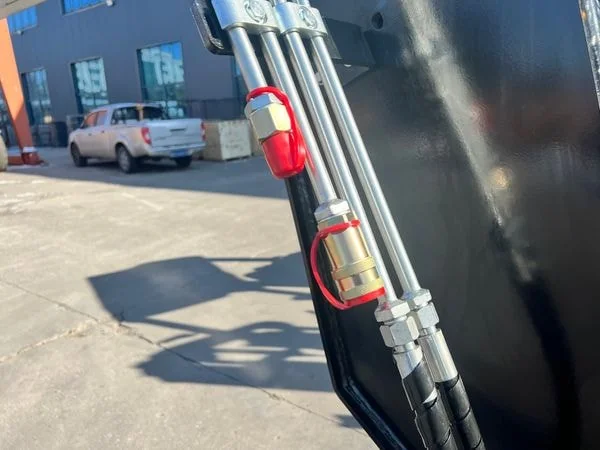
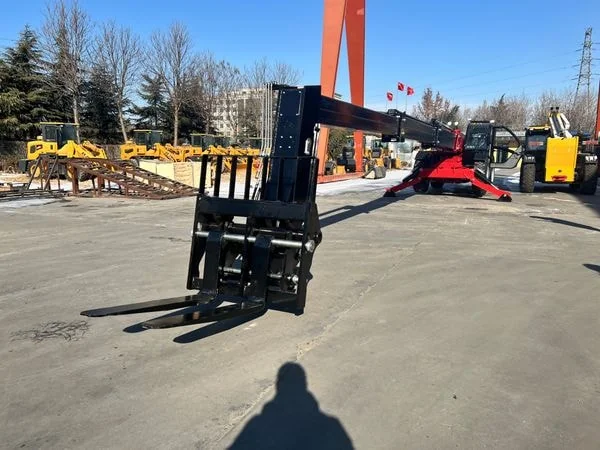
At this stage, checks typically focus on:
Configuration Match
Making sure the model, engine, attachments, and key options align with what you approved during confirmation.
Basic Functional Testing
Verifying lifting, steering, braking, and hydraulic operation under no-load or light-load conditions.
Visual & Assembly Checks
Looking for obvious issues such as loose fittings, oil leaks, or installation errors that could cause problems in transit or on arrival.
Shipment Readiness
Confirming the machine is complete, properly secured, and suitable for sea transport to your destination port.
Want photos or video during inspection? Just let us know — we're happy to document the key stages and share them with you before shipment.
Shipping Timeframes
Estimated sea transit times from Qingdao for common destination ports.
When planning an overseas purchase, shipping time is often one of the first practical questions. All telehandlers are shipped by sea from Qingdao, one of China's main ports for construction machinery exports.
The timeframes below are typical sea transit references, not guaranteed delivery dates. Actual transit time can vary depending on route, vessel schedule, port congestion, and customs handling at destination.
Typical Sea Transit Time (Reference Only)
| Destination Region | Port of Discharge | Estimated Transit Time |
|---|---|---|
| Western Europe | Rotterdam | 30–35 days |
| Southern Europe | Genoa | 32–38 days |
| United Kingdom | Felixstowe | 28–33 days |
| North America (West) | Los Angeles | 20–25 days |
| North America (Gulf) | Houston | 30–35 days |
| Canada | Vancouver | 22–28 days |
| Australia | Melbourne | 22–26 days |
| Middle East | Jebel Ali | 18–22 days |
Port: Rotterdam
Port: Genoa
Port: Felixstowe
Port: Los Angeles
Port: Houston
Port: Vancouver
Port: Melbourne
Port: Jebel Ali
Transit times are provided for reference only and reflect typical conditions for full-machine or partially disassembled shipments.
Important: Sea Transit Only
Shipping time refers to sea transit only. Port handling, customs clearance, and inland transport are not included in these estimates.
Shipping Arrangements Aligned in Advance
Before shipment, loading method (fully assembled or partially disassembled) is confirmed in advance, so shipping arrangements are aligned with the agreed configuration and destination.
Export Packing, Securing & Loading
How your telehandler is secured and prepared for long-distance transport.
Once your telehandler is ready for shipment, the focus shifts from production to transport risk.
For overseas buyers, the real concern at this stage isn't packaging materials — it's whether the machine will stay stable and protected throughout a long journey.
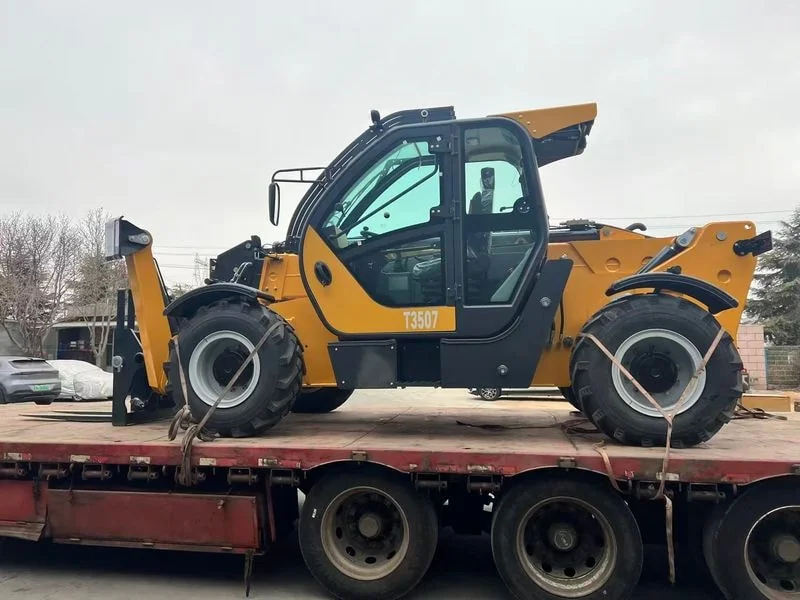
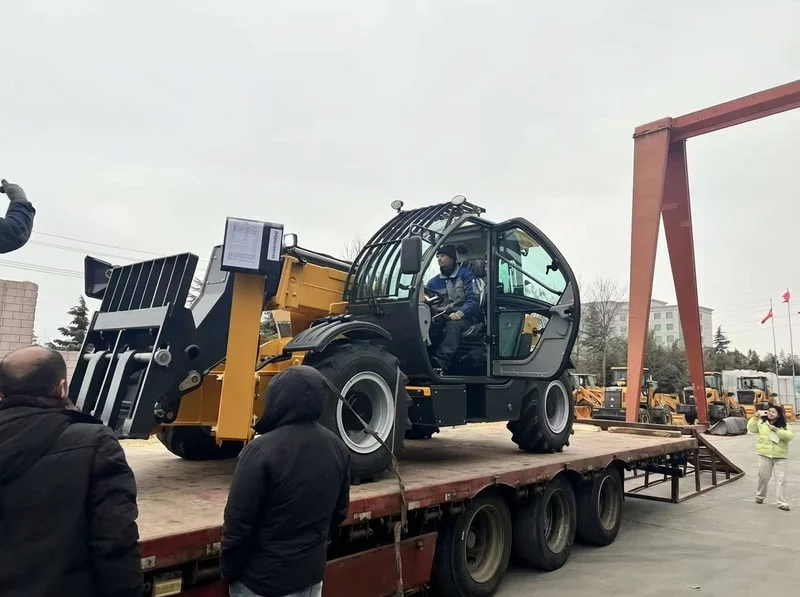
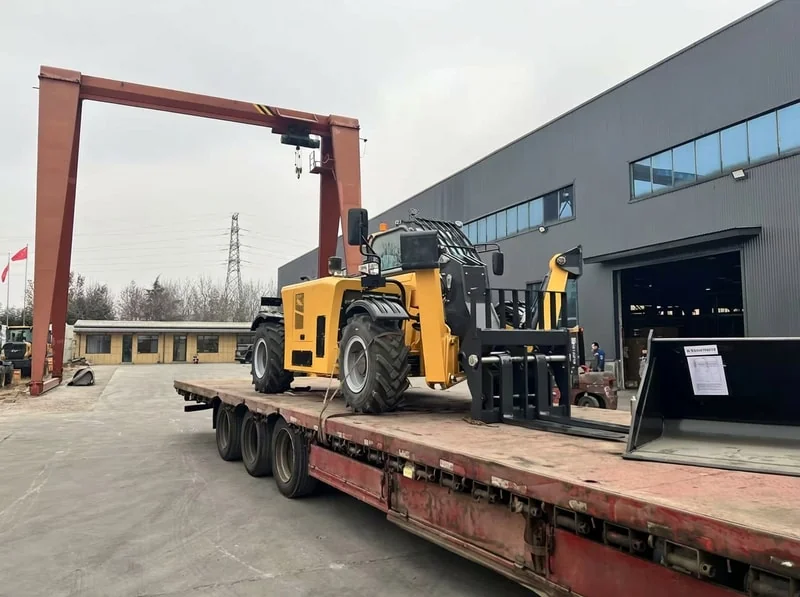
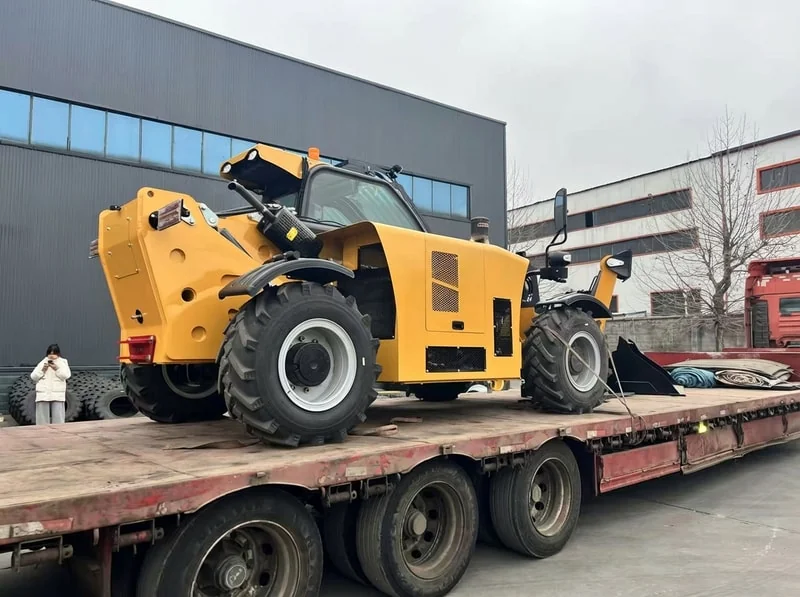
Before loading, packing and securing are planned based on the transport method and destination. This includes how the machine is positioned, where it is supported, and how movement is prevented during transit.

What Matters Most for You Is Stability
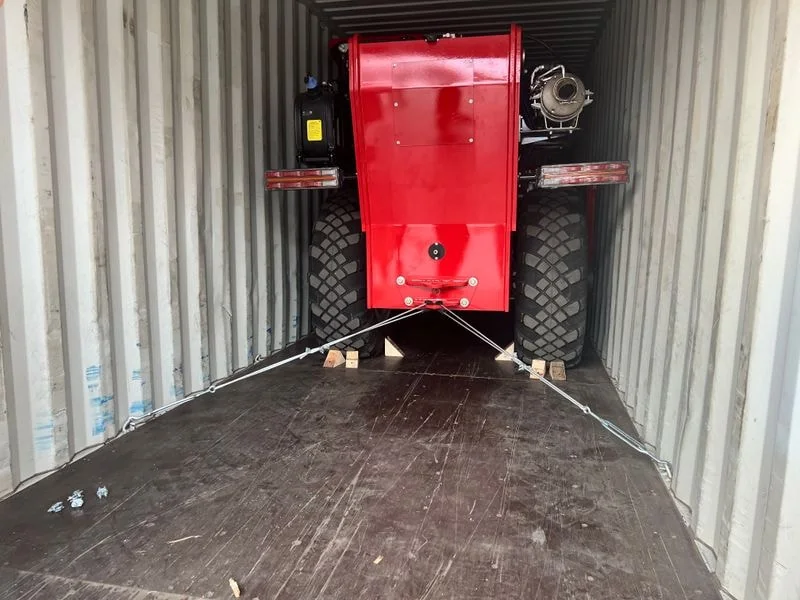
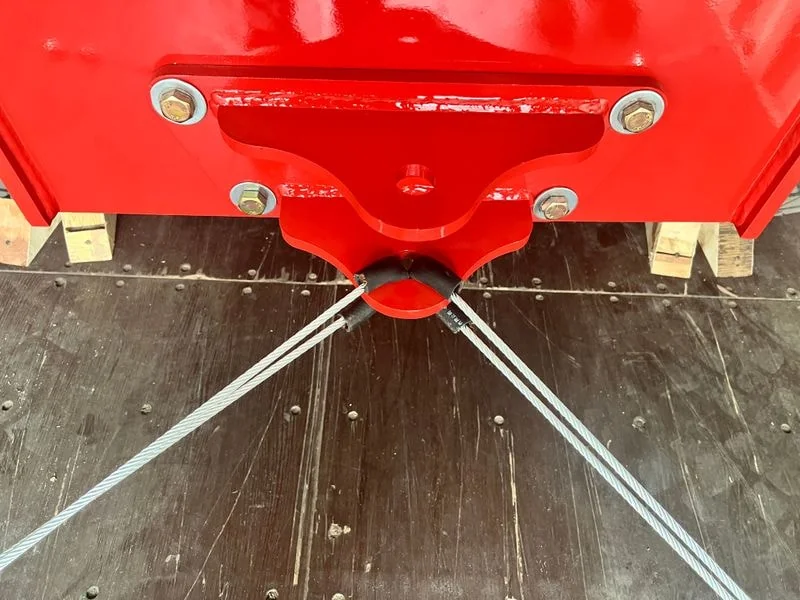
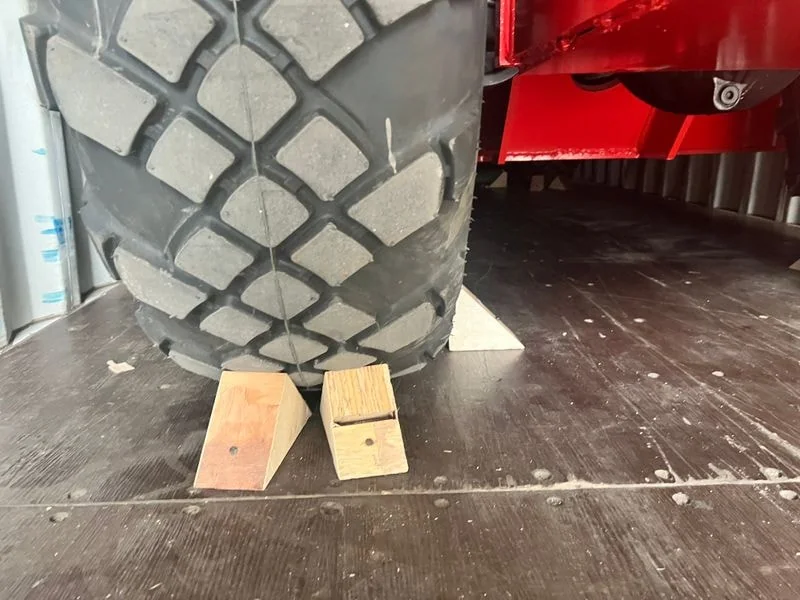
Secured to Prevent Shifting
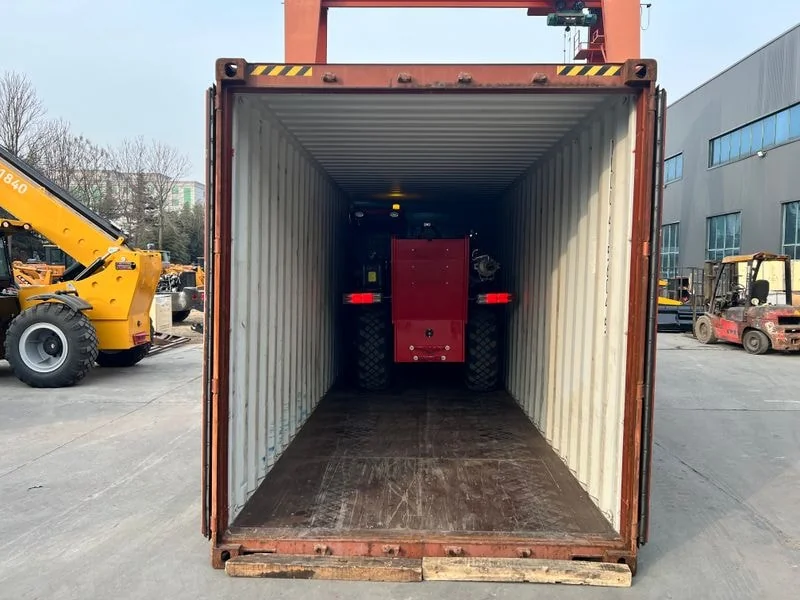
The machine is secured to prevent shifting inside the container.
Supported and Reinforced
Key structures are supported and reinforced to handle vibration and impact.
Protected from Corrosion
Exposed areas are protected to reduce the risk of corrosion during long sea journeys.
Loading is carried out only after securing is completed.
Whether shipped fully assembled or partially disassembled, the goal is the same: the telehandler should not move, tilt, or loosen during transport.
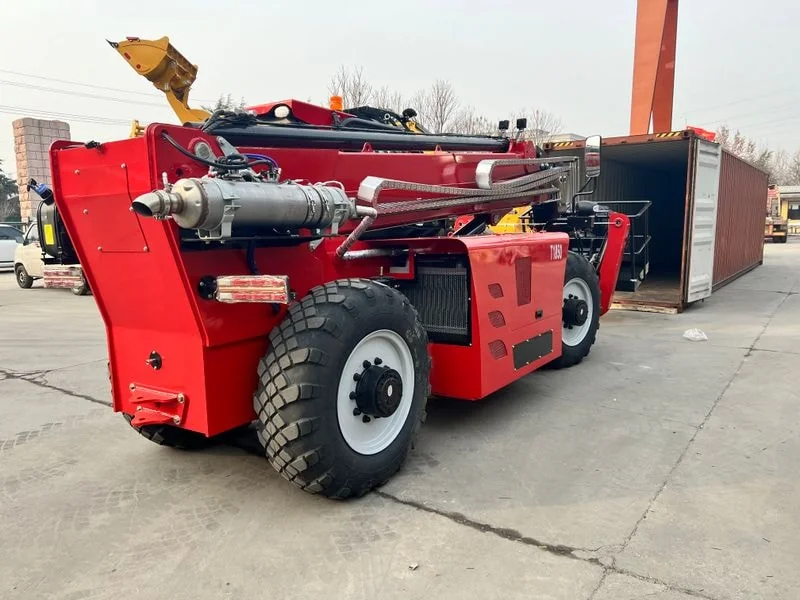
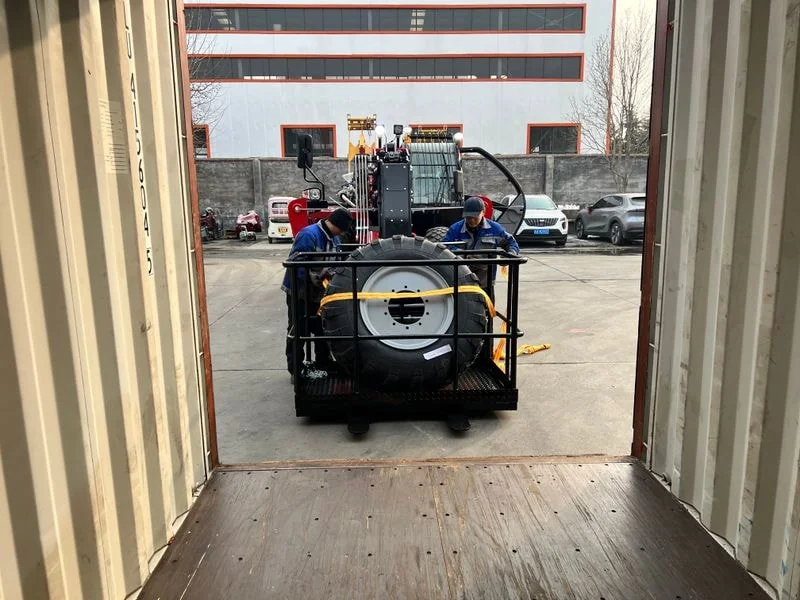
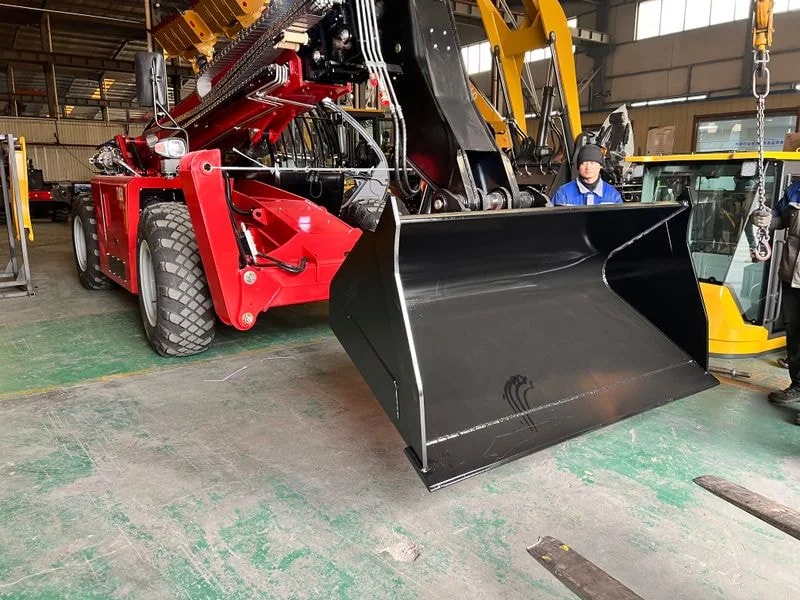
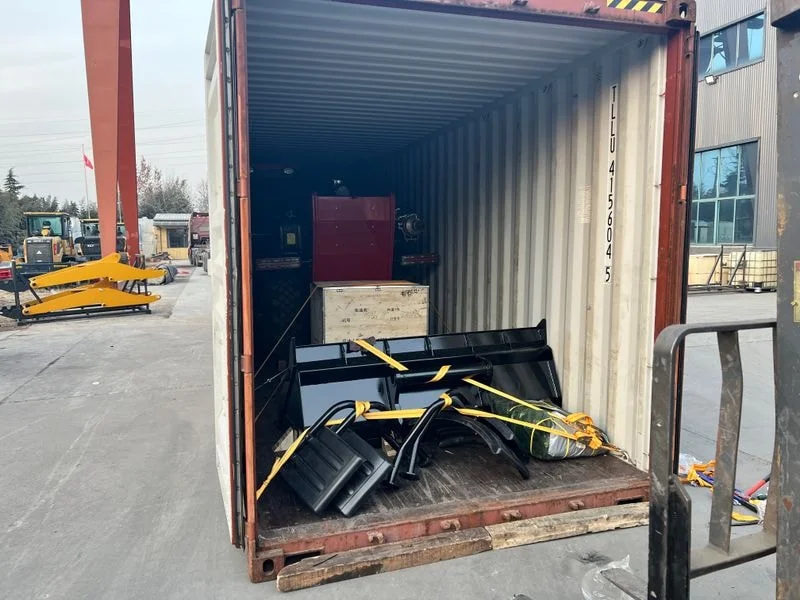
Real Container Loading Matters More Than Descriptions
Seeing how a machine is actually secured inside a container often tells you more than any written explanation. That's why export packing focuses on practical restraint and positioning, not just surface protection.
About Non-Sea Transport Routes
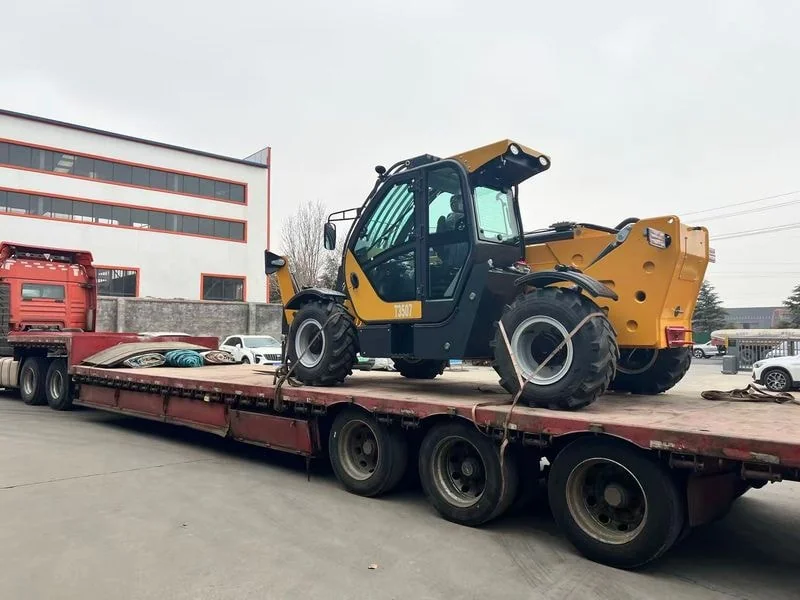
For certain regions, such as Central Asia, telehandlers may be transported by long-distance trucking instead of sea freight.
In these cases, the same principles apply: secure positioning, reinforced fixing points, and protection against vibration over extended road transport.
If your project involves inland or overland delivery, transport options and packing methods should be discussed before shipment.
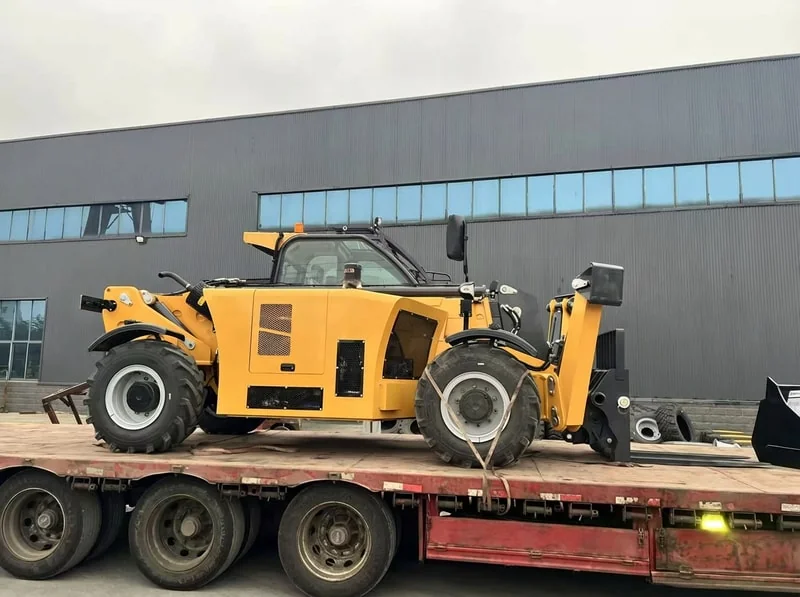
Want to See Packing Details in Depth?
This section focuses on what matters at a decision level. If you'd like to see detailed export protection methods, including step-by-step packing examples and more loading photos, you can view them here.
Import Costs Overview
How total import cost is typically structured — beyond just the machine price.
When importing a telehandler, cost is not a single figure. It is the result of several decisions made at different stages of the process.
Understanding how these cost components are structured helps you avoid surprises — especially when comparing offers or planning your first order.
If you'd like to discuss how these cost factors apply to your destination market and application, you can share a few basic details for reference.
Common Mistakes When Importing a Telehandler
These are issues we frequently see overseas buyers encounter — often not because of lack of experience, but because certain risks are easy to overlook early on.
Choosing a model before defining the application
Many buyers start with a model number instead of how the machine will actually be used. This often leads to a telehandler that technically works, but isn't well suited to the real job conditions.
Assuming all engines are the same
Engine selection is sometimes treated as a detail, especially when comparing prices. In reality, engine specifications are closely tied to compliance, availability, and total cost — and are difficult to change later.
Treating FOB and CIF as price differences only
FOB and CIF are often compared as if they were simple price options. They actually define responsibility boundaries, and misunderstanding them can create confusion when issues arise during transport.
Underestimating the impact of shipping and packing
Shipping time is easy to ask about; packing and securing are often ignored. Small oversights in transport preparation can lead to avoidable issues after arrival.
Skipping pre-shipment inspection
Relying solely on photos or assuming everything is fine can be risky. Problems that are easy to correct before shipment can become costly once the machine reaches the destination.
Focusing on unit price instead of total landed cost
Comparing ex-factory prices alone rarely tells the full story. Engine choice, trade terms, transport method, and import-side costs all affect what the machine actually costs at the end.
Most of these issues are manageable — but only if they're considered early, before decisions are locked in.
First Order Tips for Your Initial Import
Practical advice that experienced buyers often wish they had followed on their first order.
6 Tips
From experienced importers
Ask for a written configuration summary before production
Before production starts, ask for a clear configuration summary in writing. This avoids relying on long email threads when questions come up later.
Keep communication changes centralized
On a first order, avoid spreading decisions across emails, messaging apps, and calls. Keeping changes and confirmations in one channel reduces misunderstandings during production and shipment.
Confirm what "included" actually means
Items that seem obvious — such as standard attachments, tools, or documentation — may be interpreted differently. Clarifying what is included early prevents assumptions from turning into disputes.
Allow buffer time beyond production and shipping
First-time imports often take longer than expected due to coordination, documentation, or local handling. Planning with buffer time helps prevent unnecessary pressure when schedules shift.
Decide early who handles issues after arrival
Before shipment, be clear about who you contact if something needs clarification after arrival. Knowing this in advance avoids delays when the machine is already at the port or job site.
Treat the first order as a learning order, not an optimization exercise
Trying to optimize everything on a first order often increases risk. A stable, well-documented first shipment makes future orders faster, cheaper, and easier to scale.
Most long-term supplier relationships start with a first order that prioritizes clarity over speed.
After-Sales Considerations
What to plan for after your telehandler arrives, especially when buying across borders.
For overseas buyers, after-sales support works differently from local purchases. Understanding this early helps you set realistic expectations and avoid unnecessary stress later.
Most post-arrival issues fall into two categories: those that can be addressed remotely, and those that require local involvement.
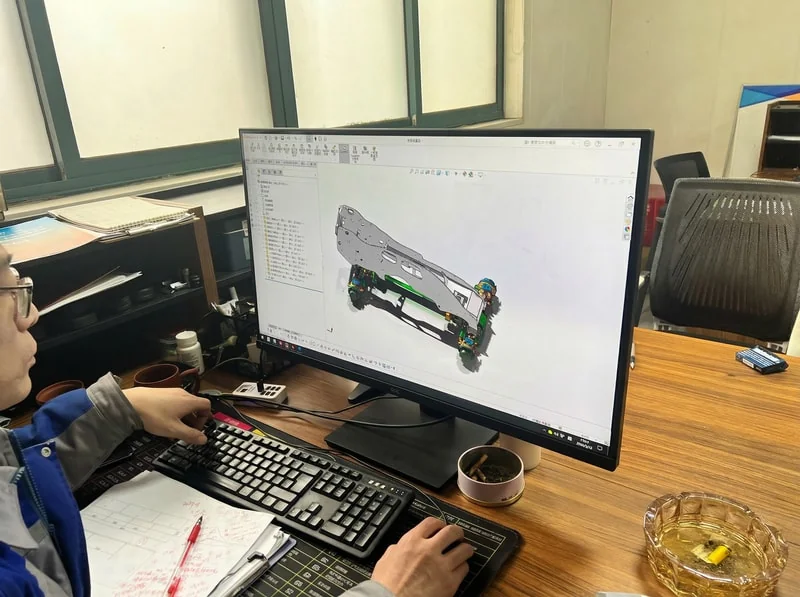
Handled Through Remote Communication
For items such as operational questions, basic troubleshooting, or clarification on settings, support is typically handled through remote communication, using manuals, videos, and step-by-step guidance.
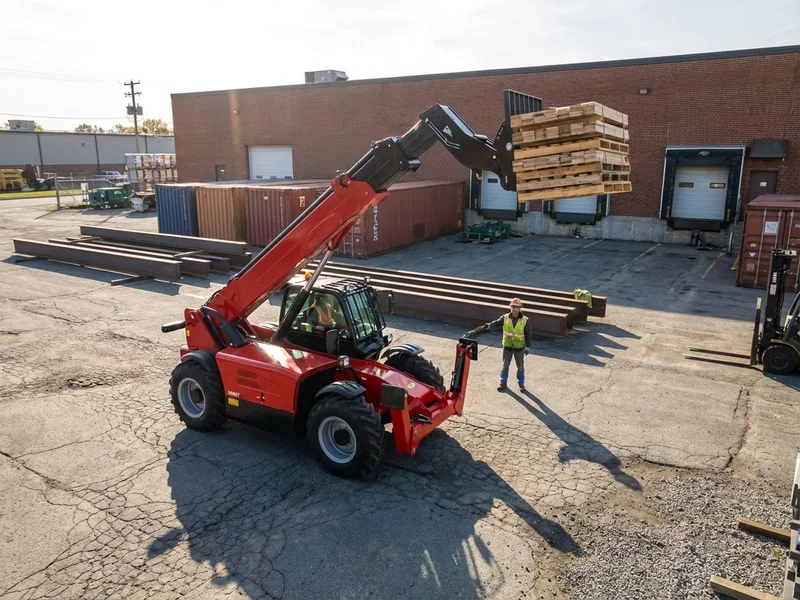
Requires Hands-On Work Locally
For mechanical issues that require hands-on work, local technicians play an important role. This is why having basic service capability or access to a local service provider is especially helpful for overseas buyers.
From a practical standpoint, smoother after-sales support usually depends on preparation rather than promises:
Keeping key documents and configuration records accessible
Identifying who will handle basic maintenance locally
Understanding which parts are considered consumables or wear items
Addressing these points early makes it much easier to resolve issues if and when they arise.
In cross-border equipment purchases, effective after-sales support is rarely about speed alone — it's about clear communication, shared understanding, and realistic planning.
Frequently Asked Questions
Answers to common questions overseas buyers ask before importing a telehandler.
Talk With a Real Person

Hi, I'm Sally.
Sales Manager at Telescro
You can reach out if you'd like help with:
- Matching the right telehandler model to your application
- Understanding certification or engine requirements for your market
- Reviewing shipping routes, timeframes, or transport options
- Talking through import cost structure before requesting a quote
- Clarifying what a first order typically looks like
There's no pressure to place an order. You can simply share your situation and questions, and we'll take it from there.
Send a Message
Share your questions or requirements — I'll respond within 24 hours.