











20+
Countries Served
Telehandlers for Construction Projects
Reliable material handling solutions for active job sites, multi-story construction, and infrastructure projects — sourced directly from a China-based telehandler factory.
Designed to support construction teams with stable lifting, flexible configurations, and project-oriented delivery planning.
6-18m
Lift Height
2.5-5T
Load Capacity
CE/EPA
Certified
Construction Project Guide
Navigate to any section to find the information you need.
Who This Page Is For
This page is designed for construction professionals who are planning or managing projects that require reliable material handling on active job sites.
This solution is suitable if you are:
- Managing commercial or industrial construction projects
- Involved in infrastructure or civil engineering work
- Responsible for equipment selection or procurement for job sites
- Handling materials at height across multi-story or large-area sites
- Looking for equipment that can support multiple site tasks with flexible configurations
Common use cases: These telehandler solutions are commonly used where stability, reach, and job-site adaptability are critical.
This page may not be suitable if you:
- Are looking for small indoor material handling equipment
- Need equipment only for short-term or single-task use
- Are sourcing equipment for warehouse-only operations
- Require immediate local rental availability
Page Focus: This page focuses on project-based construction use, not short-term rental or indoor-only applications.
Looking for warehouse solutions?
Visit our Industrial Telehandler Solutions page instead.
Not sure which solution fits?
Start with our Telehandler Selection Guide to match your requirements.
Construction projects often involve changing site conditions, tight schedules, and multiple stakeholders.
Choosing the right telehandler setup early helps reduce operational risk and supports smoother project execution.
Project Challenges on Construction Sites
Construction projects place very different demands on equipment compared to warehouse or fixed-site operations. Below are some of the most common challenges faced on active construction sites.
Unstable Site Conditions
Construction sites are rarely flat or consistent — uneven ground, temporary roads, and changing terrain.
- Materials stored in different areas over time
- Equipment moves between zones daily
→ Machines must stay stable even when conditions change daily
Materials at Height
Many tasks involve lifting materials to elevated or partially completed structures.
- Delivering pallets to upper levels
- Positioning loads near scaffolding
→ Controlled reach and placement, not just lifting power
Tight Schedules
Equipment downtime directly affects progress — delays impact multiple teams and subcontractors.
- Replacement equipment not always available
- Minor issues become schedule disruptions
→ Reliable operation keeps the project moving
Multiple Tasks
Sites often aim to reduce machines — one unit may lift, transport, and position materials.
- Switching tasks during project phases
- Attachment flexibility becomes critical
→ Task versatility without constant reconfiguration
Operator Safety
Construction sites involve many simultaneous activities — workers operating near moving equipment.
- Lifting operations close to structures
- Changing layouts and visibility challenges
→ Clear visibility and stable load handling reduce risks
Long Project Durations
Many projects run for months or years — equipment used daily under varying loads.
- Wear accumulates gradually
- Maintenance planning affects costs
→ Durability and serviceability matter as much as performance
When construction site conditions, schedules, and safety requirements are not fully considered during equipment selection, projects face:
- Increased downtime
- Higher operational risk
- Reduced efficiency across multiple work phases
Understanding these challenges is the first step toward selecting a telehandler setup that supports real construction work — not just specifications on paper.
Site Applications on Construction Projects
Telehandlers are widely used on construction sites for material handling, positioning, and support tasks across different project stages. Below are some of the most common and practical applications on active job sites.

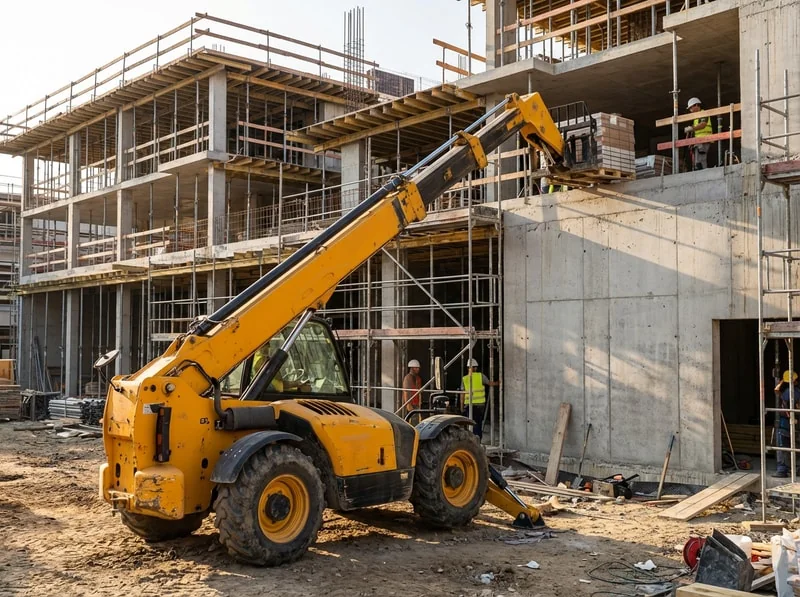
Material Lifting to Upper Levels
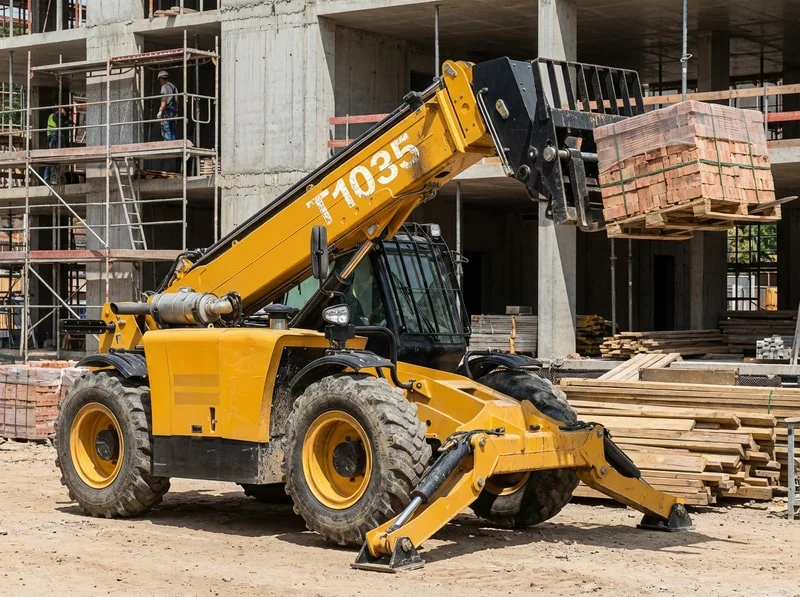
Lifting pallets of materials to upper floors during building construction.
Telehandlers are commonly used to move bricks, blocks, and packaged materials from ground level to higher working areas where cranes are not practical or continuously available.

Precise Load Placement Near Structures
Positioning materials close to partially completed structures or scaffolding.
Controlled reach allows materials to be placed where crews need them, reducing manual handling and unnecessary repositioning.

On-site Material Transport
Moving materials across uneven and changing job site terrain.
Telehandlers transport materials between storage areas, work zones, and installation points as site layouts evolve during the project.

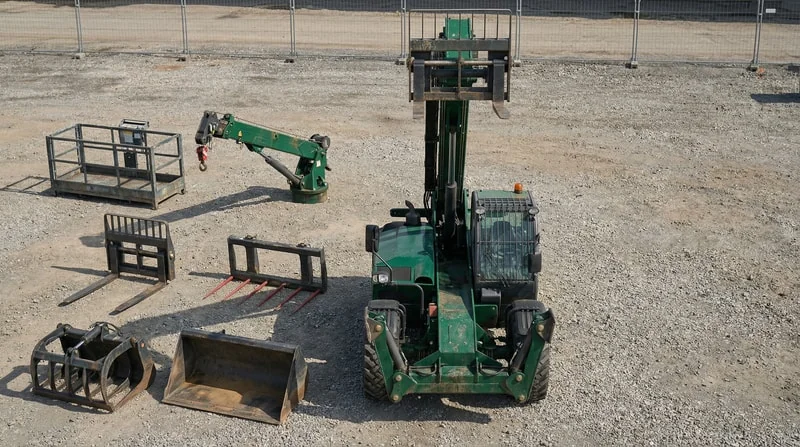
Multi-task Support with Attachments
Handling different tasks using forks, buckets, or job-specific attachments.
One telehandler can support lifting, loading, and material movement tasks across multiple construction phases.

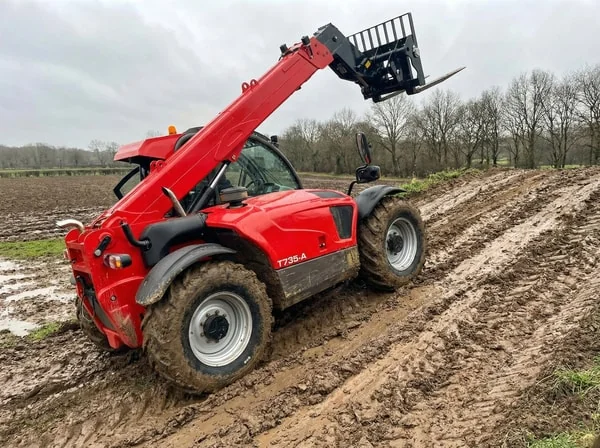
Operation on Rough and Uneven Ground
Working reliably on non-paved, uneven, or temporary site surfaces.
All-terrain capability allows telehandlers to operate where conventional material handling equipment cannot.

Daily Job Site Support
Supporting repeated daily lifting and handling tasks throughout the project lifecycle.
Telehandlers remain in continuous use as construction progresses, adapting to changing site needs without frequent equipment changes.
6 Key Considerations for Construction Projects
When you use a telehandler on a construction project, performance is shaped less by specifications on paper and more by how the machine behaves on site, day after day. The points below reflect what typically matters most during real construction work.
Height + Reach
Both matter on real sites
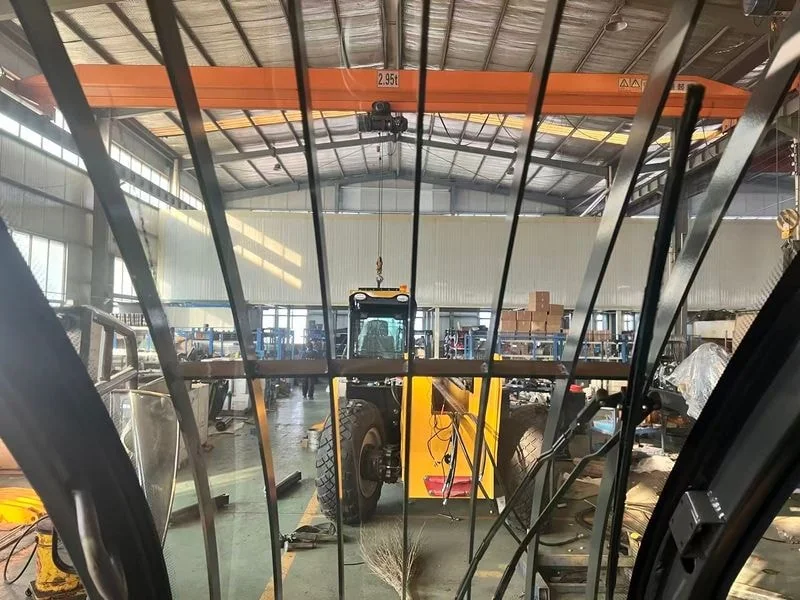
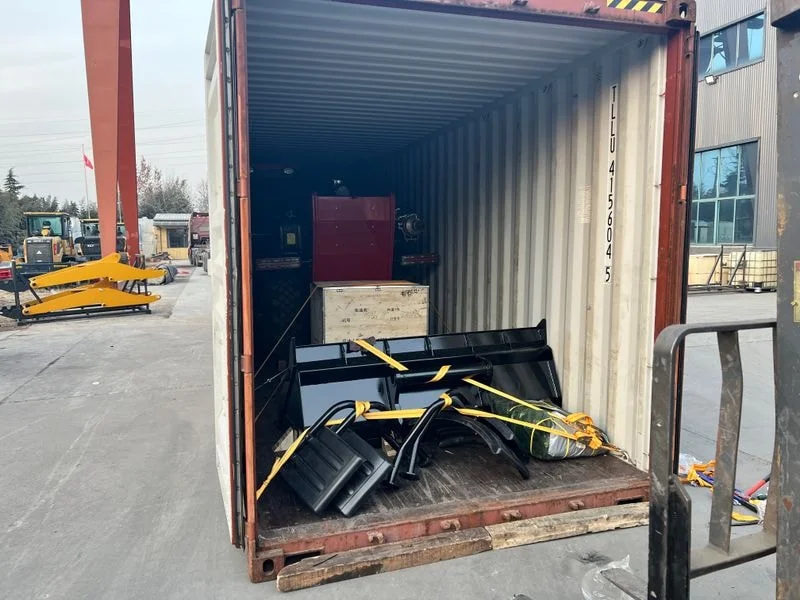
Once these considerations are clear, you can better judge whether a standard telehandler configuration meets your needs or if project-specific adjustments are worth discussing.
Standard vs Custom for Construction Projects
When you plan to use a telehandler on a construction project, one common question comes up early: Should you stay with a standard configuration, or adjust the machine for your specific project?
The right answer depends on how typical or unique your site conditions really are.

Standard Configuration
For many construction projects, a standard telehandler configuration already covers daily job site needs.
You may find a standard setup suitable if:
- Your lifting height and load requirements are typical for general construction
- Site conditions are not extreme or unusual
- You want shorter preparation and delivery time
- You prefer a proven setup used across multiple projects
Standard configurations are often chosen because they are predictable, familiar, and easy to manage over the course of a project.
Project-specific Adjustments
In some cases, project-specific adjustments make sense.
You may consider customization if:
- Your site involves unusual terrain or operating conditions
- Specific emission standards or engine options are required
- You rely on certain attachments or hydraulic interfaces
- The telehandler plays a critical role across multiple project phases
Customization is discussed and confirmed before production, so requirements are clear and controlled.

Not sure which approach fits your project?
Recommended Models
If you want a quick starting point, the models below are commonly chosen for construction projects.
Use them as reference options—you can still adjust configuration based on your site conditions and project timeline.
General Construction
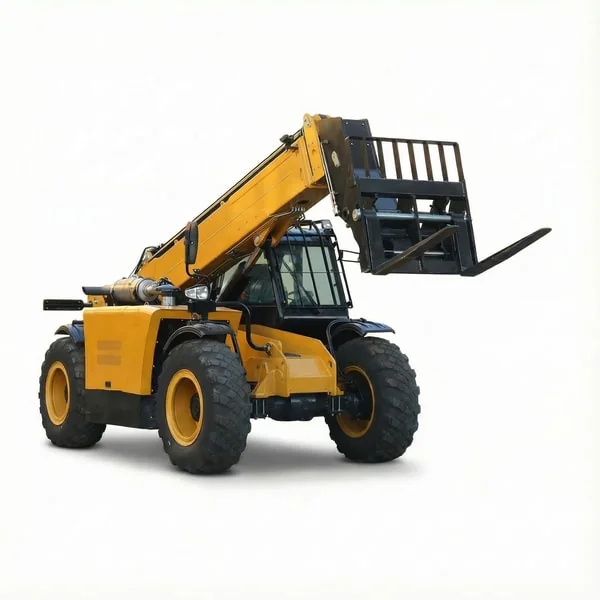
T3507
3.5 t · 7 m Lift Height
For general construction sites and daily material handling where space and maneuverability matter.
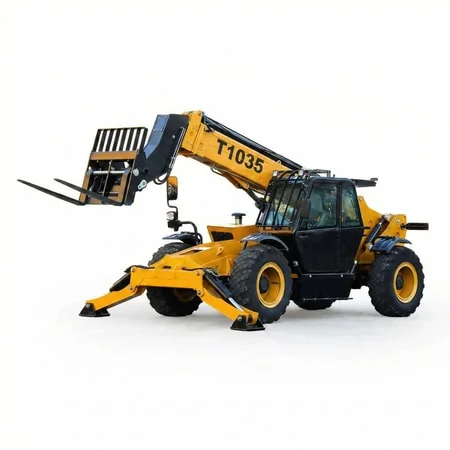
T1035
3.5 t · 10 m Lift Height
A versatile choice when your project needs more lifting height across multiple job-site phases.
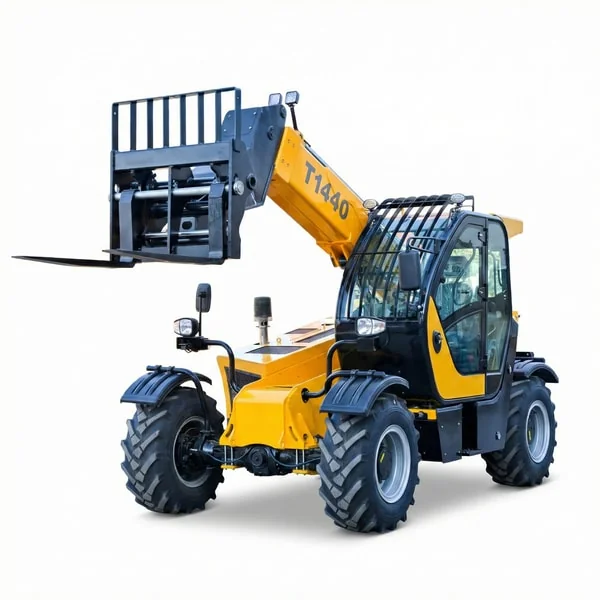
T1440
4.0 t · 14 m Lift Height
A strong option for demanding sites where you need extended reach for material placement.
Special Requirements

TH1840
4.0 t · 17.5 m · EPA Compliant
For North American projects where EPA-compliant powertrain is required for construction or rental use.
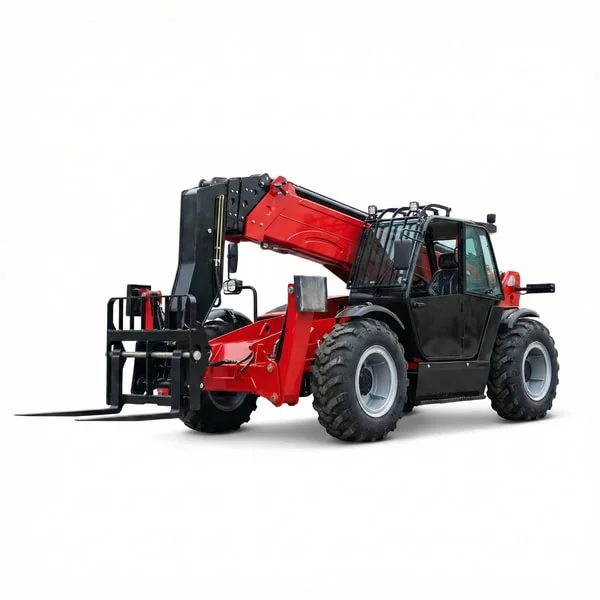
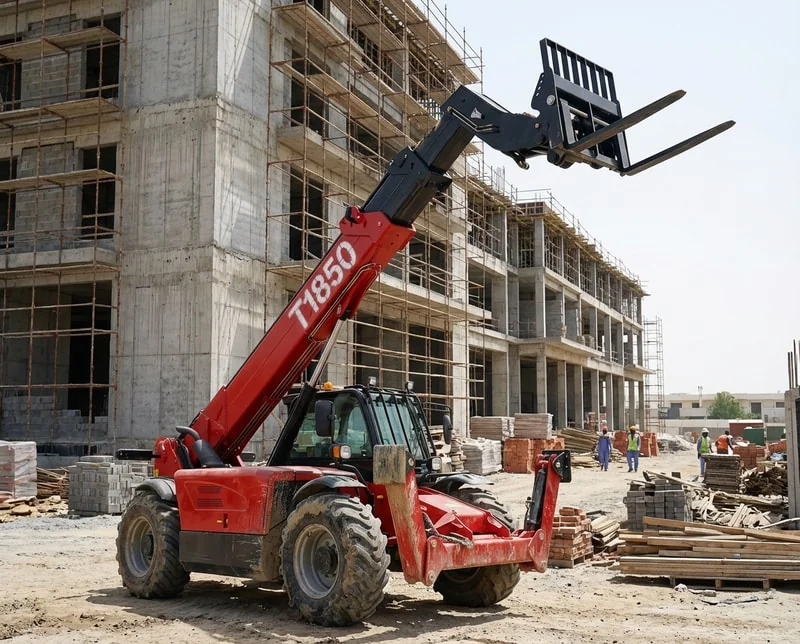
T1850
5.0 t · 18 m Lift Height
For large construction projects where you need higher lifting capacity and maximum reach for heavy materials.
These are reference models to speed up discussion.
Final specs are confirmed with you before production.
Why Source Telehandlers from
a China Factory
When you source telehandlers for construction projects, the decision is rarely based on price alone. What matters is whether the supplier can support your project requirements with clarity, flexibility, and predictable execution.
Better Cost Efficiency
Avoid unnecessary dealer layers, select only the configurations your project actually needs, and plan equipment investment based on real site use.
Direct Communication
Discuss project requirements at the source—review lifting needs, site conditions, and configuration options without relying on multiple intermediaries.
Flexible Configuration
Configuration discussions stay practical and controlled. Specifications are confirmed before production, so changes are managed early instead of during delivery.
Aligned with Project Schedules
Clearer coordination around production lead time, inspection, and shipment planning—especially for multi-unit or phased projects tied to site readiness.
Cost Structure Transparency
Clearer visibility into how configuration, volume, and delivery options affect cost—helping you plan budgets more accurately across project phases.
Overseas Project Experience
Experience supporting overseas construction and rental customers helps streamline communication around specifications, compliance, and delivery expectations.
Safety & Compliance for Construction Projects
On construction projects, safety and compliance are part of daily site operations. You need equipment that can be used confidently in your local project environment, without unexpected regulatory or safety issues.
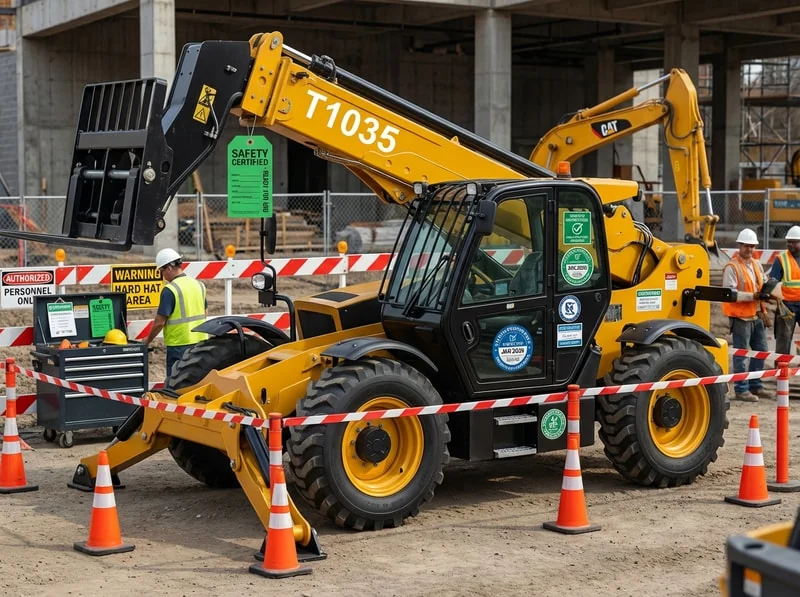
Safety & Compliance
Equipment that meets site safety requirements and regional compliance standards—reviewed and confirmed before production begins.
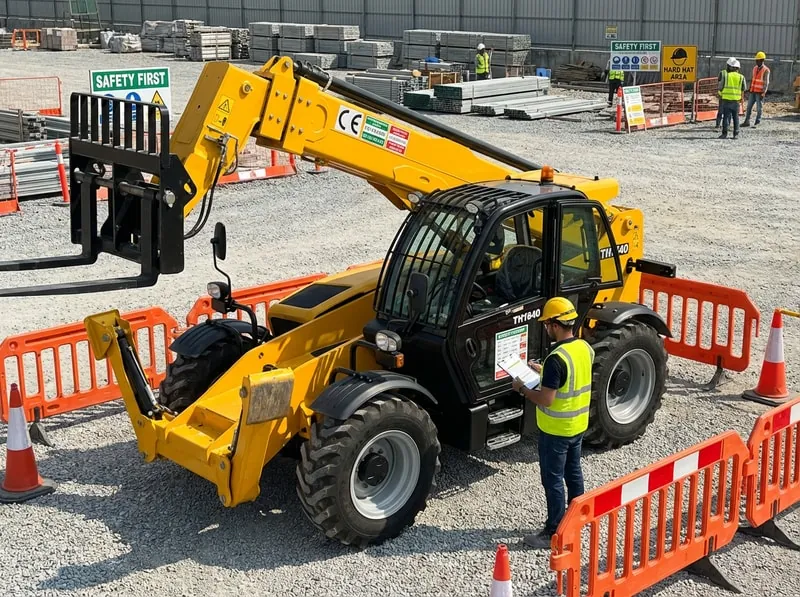
Active Job Site Safety
Site OperationsSafety Considerations for Daily Operations
When you operate a telehandler on a construction site, it often works close to structures, materials, and multiple crews.
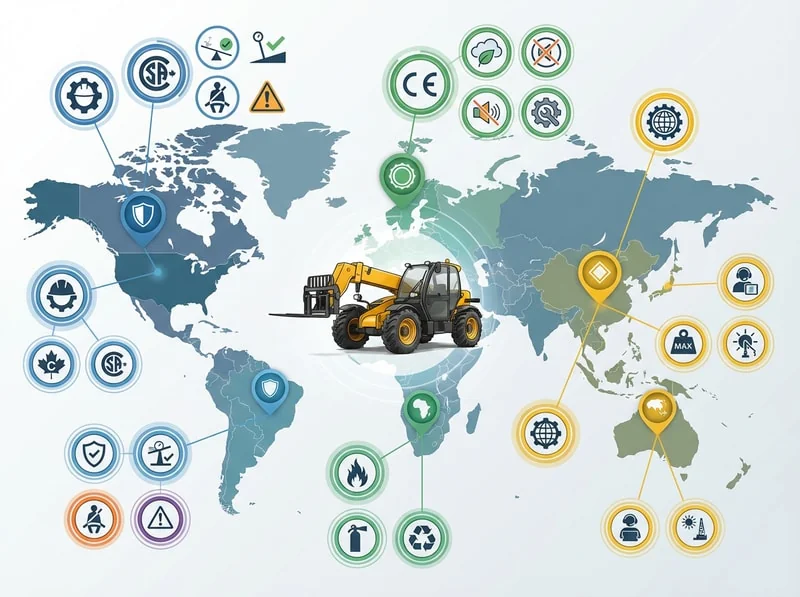
Regional Compliance
Market-SpecificCompliance for Different Markets
Construction requirements vary by country and region. Rather than applying a one-size-fits-all approach, compliance requirements are reviewed based on your target market and project location.
Part of the Process
Early ReviewAddressed Before Production
Safety and compliance are addressed early in the ordering process. Project location, application environment, and local requirements are discussed before specifications are finalized.
Project Workflow for
Construction Projects
Once you decide to explore a telehandler solution for your construction project, the process is kept clear, structured, and manageable. You are not expected to finalize everything at once. Each step builds on the previous one.
Project Discussion
Share basic information about your project—site conditions, lifting needs, expected timelines.
Configuration Alignment
Review suitable configurations based on your project needs. Focus on what matters for site operation.
Quotation & Schedule
Review cost structure and delivery planning before committing to production.
Production & Delivery
Production and delivery scheduled in line with your project timeline. Progress updates and shipment info shared.
Operation & Support
Support focuses on helping you use the equipment effectively. Spare parts and technical assistance available.
Project Discussion
Share basic info about your project—site conditions, lifting needs, expected timelines. Establishes a practical baseline.
Configuration Alignment
Review suitable configurations. Focus on what matters for site operation. Adjustments can still be made.
Quotation & Schedule
Review cost structure and delivery planning before committing to production.
Production & Delivery
Scheduled in line with your timeline. Progress updates and shipment info shared throughout.
Operation & Support
Support focuses on effective equipment use. Spare parts and technical assistance available when needed.
Ready to start the conversation? Share your project details and we'll guide you through each step.
Useful Resources for Your Order
If you're reviewing next steps after selecting a telehandler configuration, these resources cover importing, shipping timelines, equipment selection, and long-term maintenance planning.
- Understand what to expect before your equipment arrives
- Plan project timelines with realistic delivery estimates
- Prepare for long-term operating costs and spare parts
Buyer Resource Library
Reference materials for your decision
Telehandler or Forklift?
Equipment selection guide
2026 Telehandler Sourcing Guide
Step-by-step evaluation reference
Import & Customs Guide
Documentation for overseas purchases
Shipping Time Reference
Production and transit timelines
Container Loading Cases
Real shipping examples
Wear Parts & Consumables
Maintenance planning reference
Construction Projects FAQ
Common questions about using telehandlers on construction sites — covering suitability, stability, sizing, and selection.
Discuss Your Construction Project
Share your project details — we'll help you determine the right telehandler configuration and provide a clear quotation.

Hi, I'm Sally.
Sales Manager at Telescro
I work with construction companies and project managers sourcing telehandlers from China. If you're evaluating equipment for an upcoming project, I can help you work through the details.
Most buyers at this stage need practical answers — whether that's about model suitability, site conditions, delivery timelines, or how the ordering process actually works.
For construction projects, I can help with:
- Matching telehandler specs to your site conditions and lifting needs
- Reviewing configuration options for construction applications
- Aligning production and delivery with your project schedule
- Clarifying compliance requirements for your destination market
- Preparing a quotation based on your actual project requirements
You don't need to have everything figured out. Share what you know about your project, and we'll work through the rest together.
Share Your Project Details
Tell us about your construction project — we'll follow up with configuration suggestions and a quotation.
24h Response
No Obligation
Direct Contact