











How to Order a Telehandler
A practical ordering process for overseas buyers working directly with manufacturers.
Order Workflow
Factory Direct Process
Configuration Confirmation
Quotation & PI
Deposit Payment
Production & QC
Pre-Shipment Inspection
Shipment & Delivery
This page focuses on the commercial and operational steps of placing an order — including configuration confirmation, quotation, payment, production, inspection, and shipment to your port.
- Understand how a real telehandler order works from start to finish
- Learn what documents, payments, and timelines to expect
- Work confidently with a manufacturer — no middlemen, no guesswork
Ordering Process Guide
Navigate to any section to understand how orders work.
Who It's For
This ordering process is designed for professional buyers who need a clear workflow before placing an order with a manufacturer.
This ordering guide is for you if:
- You are planning to purchase new telehandlers for construction, rental, industrial, or agricultural use
- You need a clear ordering workflow before requesting a quotation
- You are sourcing directly from a manufacturer, not through a local dealer
- You require configuration confirmation, production scheduling, and shipment coordination
- You want to reduce ordering mistakes, delays, and commercial risks when buying overseas
Focus: This page explains how an actual telehandler order is placed and executed — not general product knowledge or import regulations.
This page may not be suitable if:
- You are only researching import rules, HS codes, or customs procedures
- You need immediate local stock or same-week delivery
- You are looking for used machines or short-term rental options
- You are still comparing basic telehandler concepts without purchase intent
Looking for import regulations?
Please refer to our Telehandler Import Guide for HS codes, customs procedures, and compliance requirements.
Not sure which model to choose?
Start with our Telehandler Selection Guide to match specifications with your application.
Ordering a telehandler is a high-value decision.
This step-by-step ordering process is built for buyers who prefer clarity, planning, and control — rather than last-minute purchasing.
Have questions about ordering? Get a personalized ordering plan for your project.
Response within 24 hours
Order Overview
Below is a clear overview of how a telehandler order is placed and executed — from the first requirement confirmation to final shipment.
This section shows what happens at each stage, before we explain every step in detail below.
Define Requirements
Confirm your application, load capacity, lift height, attachments, and operating conditions to avoid specification mistakes.
Confirm Configuration
Select a standard model or finalize custom configuration details before quotation and production planning.
Quotation & Confirmation
Receive a detailed quotation and confirm technical specifications, delivery terms, and lead time.
Contract & Payment
Finalize the contract, agree on payment terms, and lock specifications before production begins.
Production & Shipment
The telehandler is manufactured, inspected, loaded, and shipped according to the confirmed schedule.
After-sales Support
Warranty coverage, spare parts supply, and technical support are provided after delivery.
From Confirmation to Delivery
Typical timeline: 45–90 days from order confirmation to delivery, depending on configuration and shipping destination.
Define Requirements
Before requesting a quotation, the first and most important step is to clearly define your operational requirements.
This helps ensure the telehandler configuration, delivery schedule, and pricing are accurate from the beginning. At this stage, the focus is not on choosing a specific model, but on confirming how the machine will be used.
Key Information to Confirm
4 critical areas before ordering
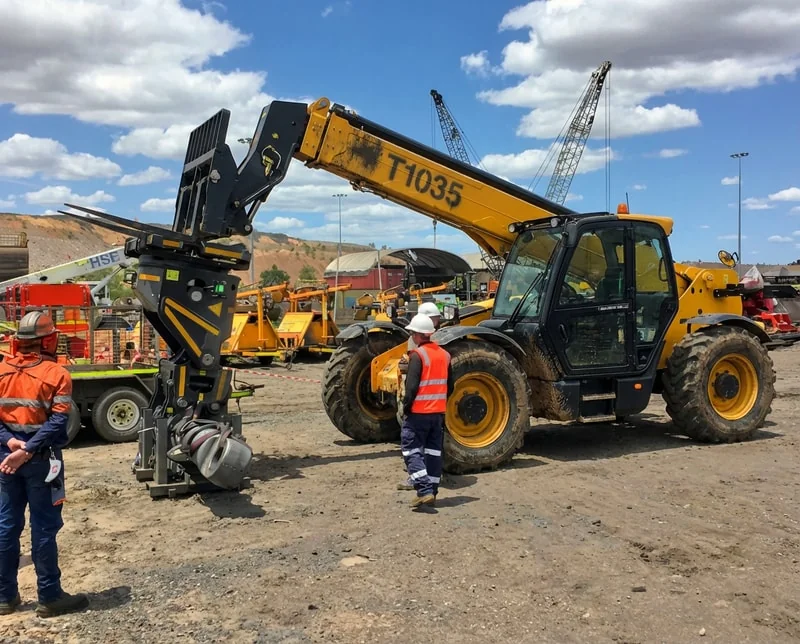
Application Type
Define where and how the machine operates
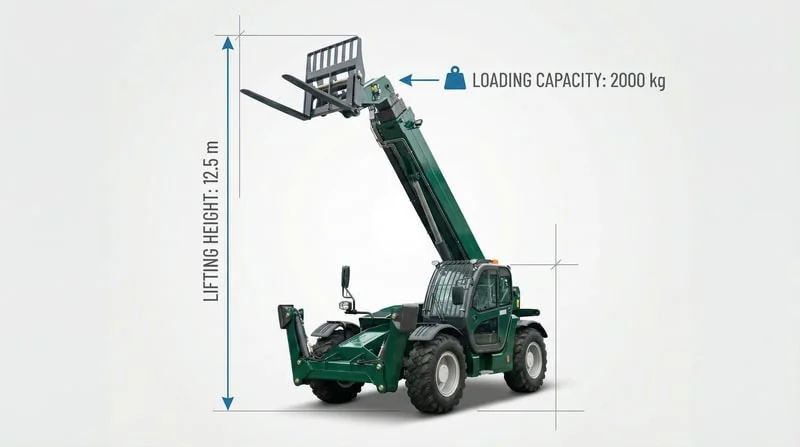
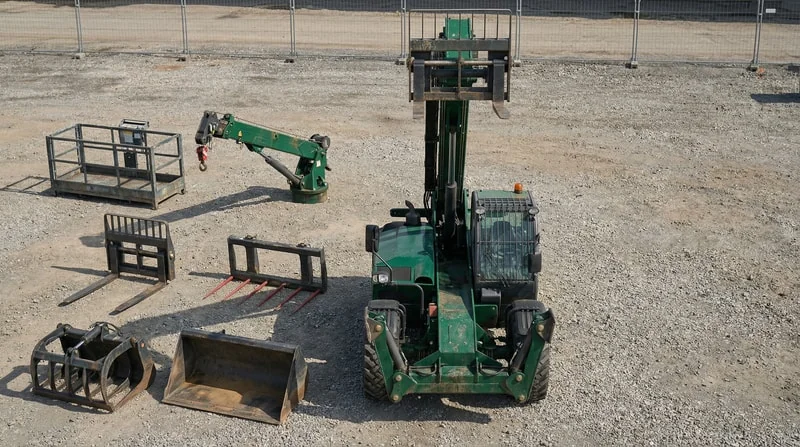
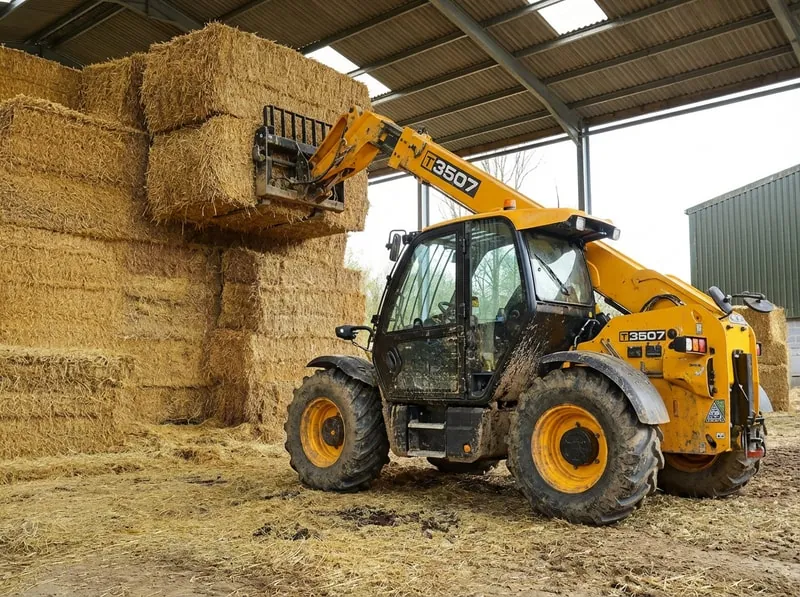
Why This Step Matters
Incomplete or unclear requirements often lead to:
- Incorrect configuration
- Delays during production
- Revisions after quotation or contract confirmation
By confirming requirements first, both sides can reduce mistakes and move smoothly to configuration and quotation.
Choose Configuration
Standard vs. Custom
Once your requirements are defined, the next step is to decide whether a standard configuration is sufficient or if a custom configuration is required.
At this stage, the goal is not to make the machine more complex, but to ensure the configuration matches your real operating needs without unnecessary risk or delay.
Standard Configuration
Recommended for most buyers
A standard configuration is often the most efficient and lowest-risk choice for many buyers.
Standard configurations are suitable if you:
- Have common lifting height and load capacity requirements
- Do not require special attachments or extreme operating conditions
- Prefer shorter production time and faster delivery
- Want a proven setup with minimal variables
Why many buyers choose standard models:
Proven performance across multiple markets
Shorter lead time
Easier maintenance and spare parts planning
Lower overall ordering complexity
For many construction companies and rental fleets, a standard configuration already covers 80–90% of daily job requirements.
Custom Configuration
For specific requirements
A custom configuration is recommended only when standard options cannot fully meet your application needs.
Customization may be appropriate if you:
- Operate in special environments (extreme heat, cold, dust, or uneven terrain)
- Require specific engine brands or emission standards
- Need dedicated attachments or interface adjustments
- Have operational requirements that differ from typical applications
Common customization areas include:
Engine and emission configuration
Cab type and operator comfort options
Cooling systems for harsh environments
Attachment interfaces and auxiliary hydraulics
Customization is handled through technical confirmation before production, ensuring all specifications are agreed upon in advance.
Quick Comparison
| Criteria | Standard | Custom |
|---|---|---|
| Production Time | Shorter | Longer |
| Ordering Complexity | Lower | Higher |
| Spare Parts Availability | Easier | May vary |
| Special Environment Suitability | Standard conditions | Optimized |
| Unique Specifications | Fixed options | Flexible |
Standard vs. Custom: How to Decide
If you are unsure which option is right, a simple rule applies:
Choose Standard
If your application is typical and timeline is a priority
Choose Custom
Only if a standard setup clearly limits your operation
Our role at this step is to help you avoid over-configuration, unnecessary cost, or production delays.
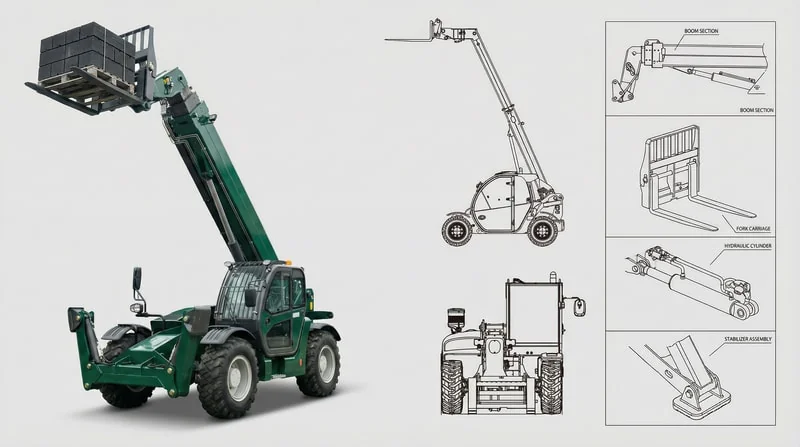
Not sure yet? We'll review your requirements and recommend the best approach — no pressure.
Deciding between standard and custom configuration at this stage helps:
- Prevent specification changes after quotation
- Avoid production delays caused by late adjustments
- Ensure accurate pricing and delivery planning
Once the configuration path is confirmed, the order can move smoothly into quotation and technical confirmation.
Get Quotation
Once the configuration path is clear, the next step is to request a quotation. The goal is not to lock everything immediately, but to establish a clear technical and commercial baseline for the order.
How the Quotation Is Prepared
Our quotation is based on confirmed technical and commercial factors, including:
- Defined application requirements and configuration scope
- Selected standard or custom options
- Estimated production lead time
- Delivery terms and destination
This ensures the quotation is accurate, transparent, and suitable for decision-making.
What Information Is Needed
To prepare a quotation efficiently, the following information is helpful:
- 1 Intended application and working conditions
- 2 Required lift height and load capacity
- 3 Preferred configuration type (standard or custom)
- 4 Delivery destination (port or country)
- 5 Estimated order quantity
If some details are not yet final, they can be confirmed during technical discussion.
Select a Reference Model
To speed up the quotation process, you may choose a reference telehandler model.
Choose a Starting Model
To prepare an accurate quotation, you may select a reference telehandler model below.
This helps speed up configuration confirmation. Final specifications can still be adjusted during technical discussion.

T4512
1.2 t Mini Telehandler
Compact 4.5 m telehandler for confined spaces, light-duty material handling, and urban job sites.

T625-A
2.5 t Agricultural Telehandler
Upgraded 6 m agricultural model with imported components, designed for daily farm operations and confined areas.
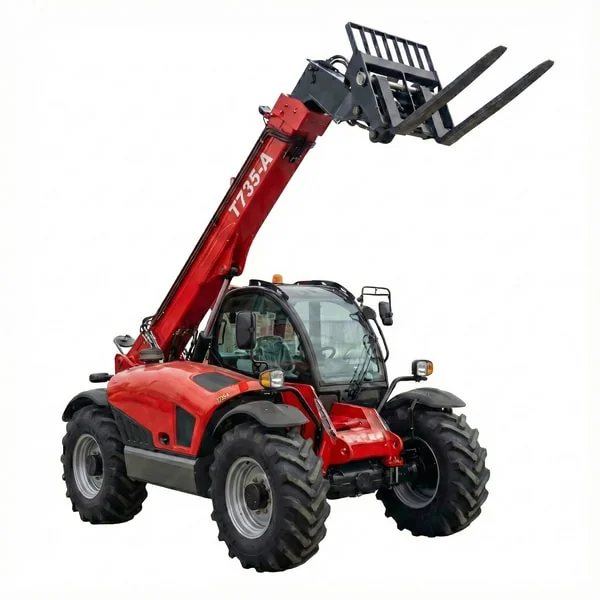
T735-A
3.5 t Agricultural Telehandler
Upgraded 7 m agricultural telehandler with imported configuration, ideal for intensive material handling on farms.
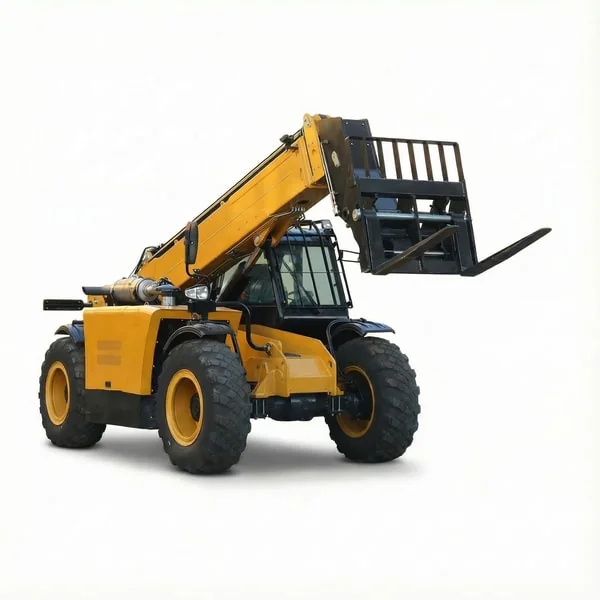
T3507
3.5 t Telehandler
Compact 7 m telehandler for construction and industrial handling, offering a practical balance between size and lifting capacity.
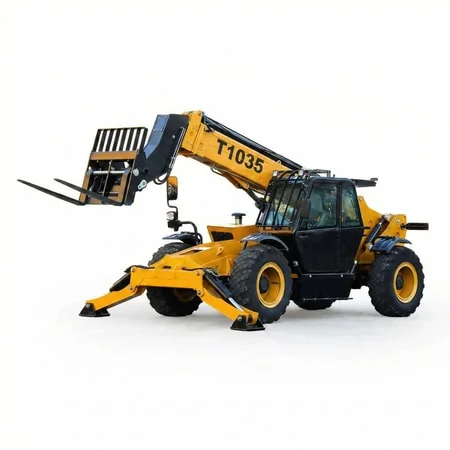
T1035
3.5 t Telehandler
Versatile 10 m telehandler designed for construction sites, warehouses, and general material handling applications.
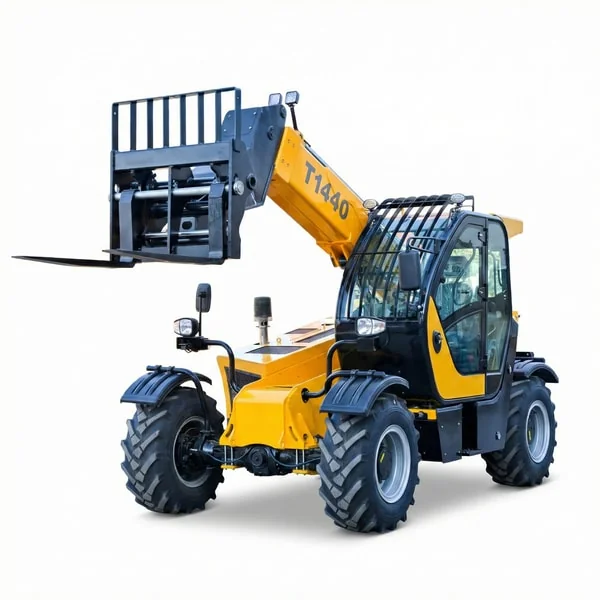
T1440
4.0 t Telehandler
Heavy-duty 14 m telehandler providing increased reach and lifting performance for demanding construction and industrial use.
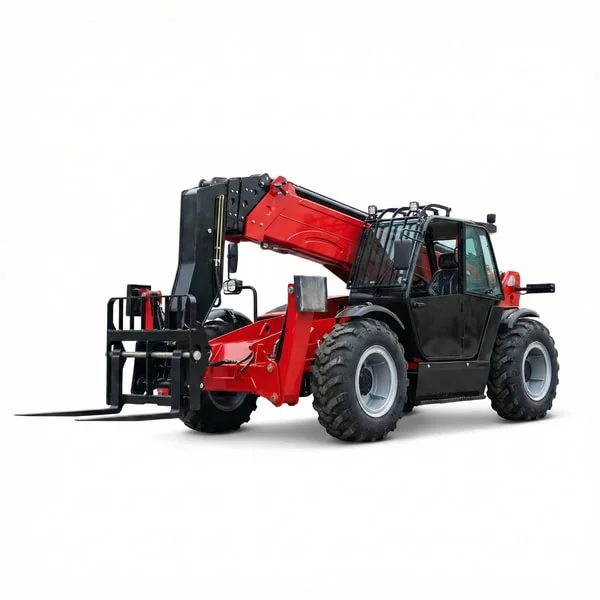
T1850
5.0 t Telehandler
High-reach 18 m telehandler built for large construction projects and rental fleets requiring maximum lifting capacity.

TH1840
4.0 t Telehandler · EPA Compliant
17.5 m telehandler designed for North American market with EPA-compliant powertrain for construction and rental applications.
Don't see the right model? and we'll recommend the best fit.
Payment & Contract
Before production begins, payment terms and contract details are confirmed — ensuring both parties work from the same baseline.

Payment Options
We offer TT (Telegraphic Transfer) and L/C (Letter of Credit) as standard payment methods for telehandler orders.
Commonly used for direct factory orders and allows flexible production scheduling.
Suitable for buyers who require additional bank-level payment security.
The appropriate payment method can be selected based on order value, internal approval process, and risk preference.
What the Contract Confirms
Before production begins, a formal contract is used to confirm and lock:
- Final configuration and technical specifications
- Agreed pricing and payment terms
- Production lead time and delivery conditions
- Inspection and acceptance criteria
This ensures both parties work from the same confirmed baseline.


Why This Step Is Important
Confirming payment terms and contract details before production helps to:
Once the contract and payment terms are confirmed, the order can safely move into production planning.
After payment arrangements are confirmed, the telehandler enters production, inspection, and shipment scheduling.
Production
Once the order is confirmed, the telehandler enters the production stage.
At this step, the focus is not speed alone, but building the machine according to the confirmed specifications, with clear checkpoints and visibility.
When Production Starts
Production begins only after the following items are confirmed:
- Final configuration and specifications
- Contract and payment terms
- Production schedule
This ensures the machine is built exactly as agreed, without last-minute changes.

Production photos and progress updates are shared with buyers during manufacturing.
Production Timeline (Typical)
While timelines vary by configuration and order quantity, a typical production process includes:
- 1 Component preparation and assembly
- 2 System installation and integration
- 3 Functional testing and adjustments
A realistic production schedule allows proper assembly and testing, rather than rushing delivery.
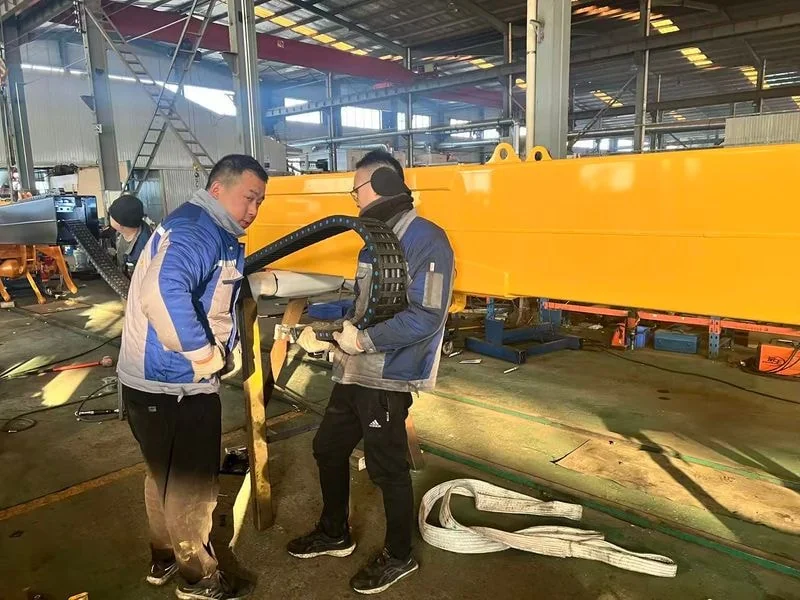
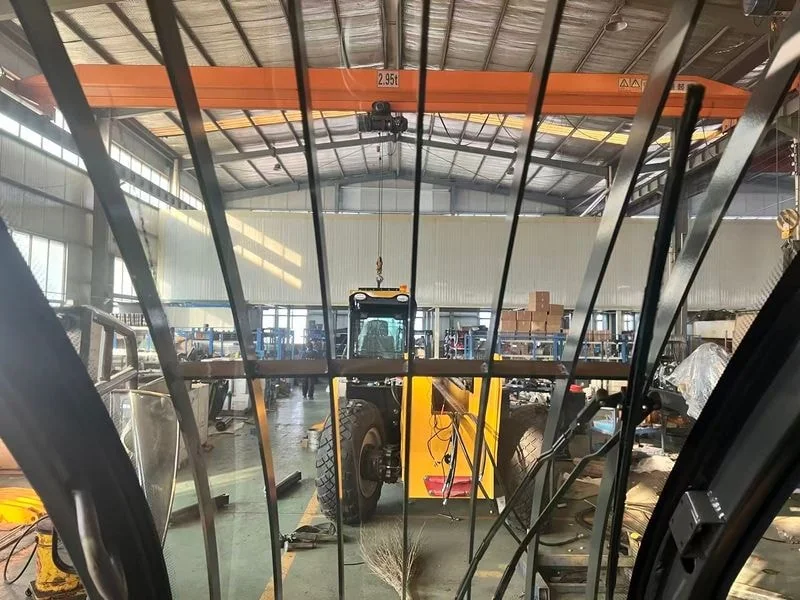
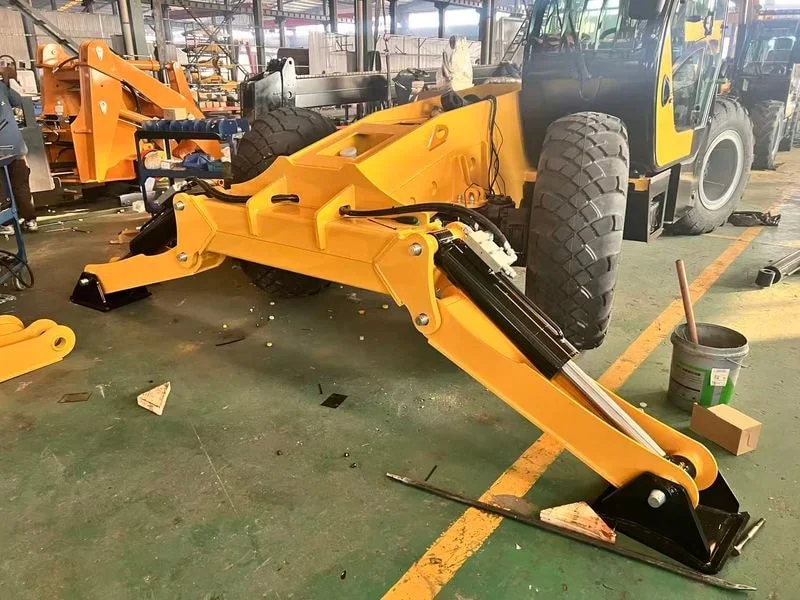
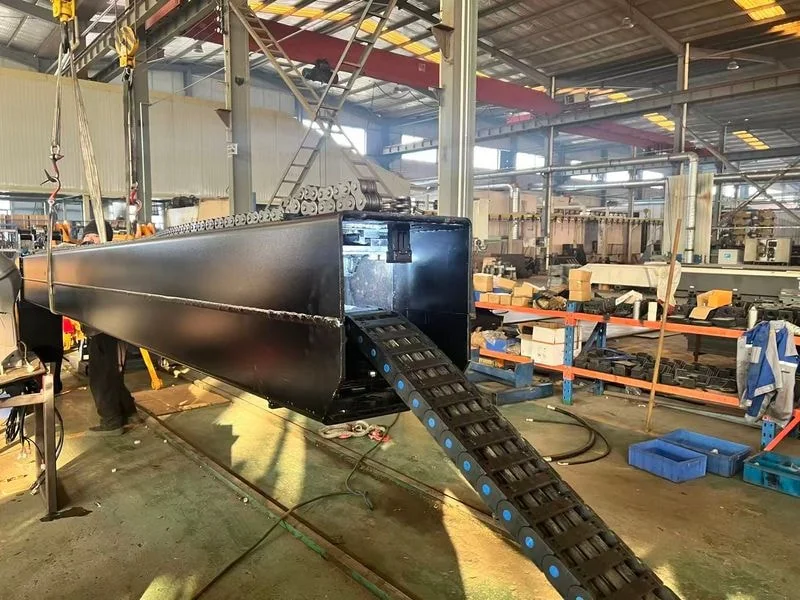
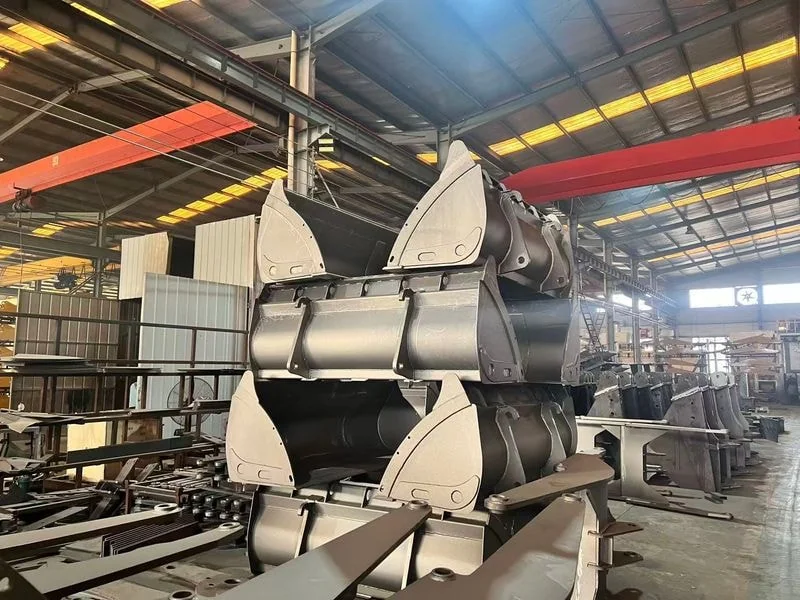
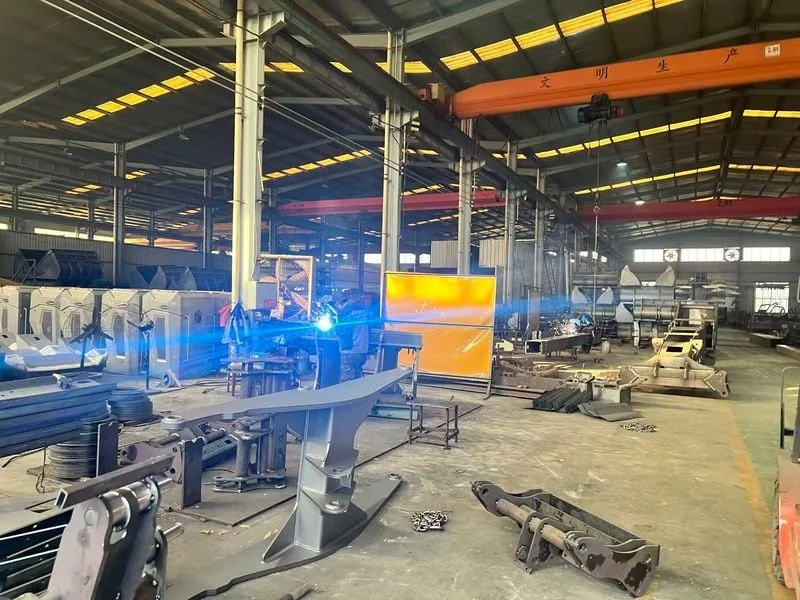
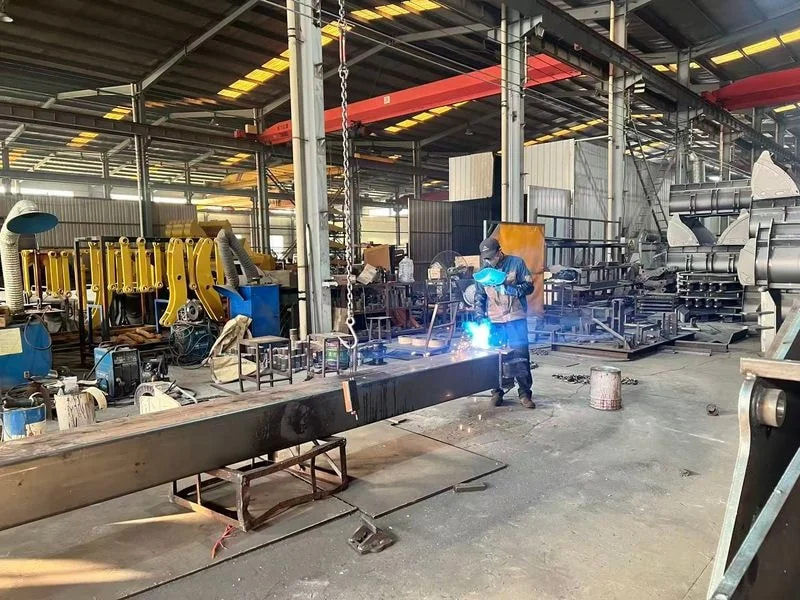
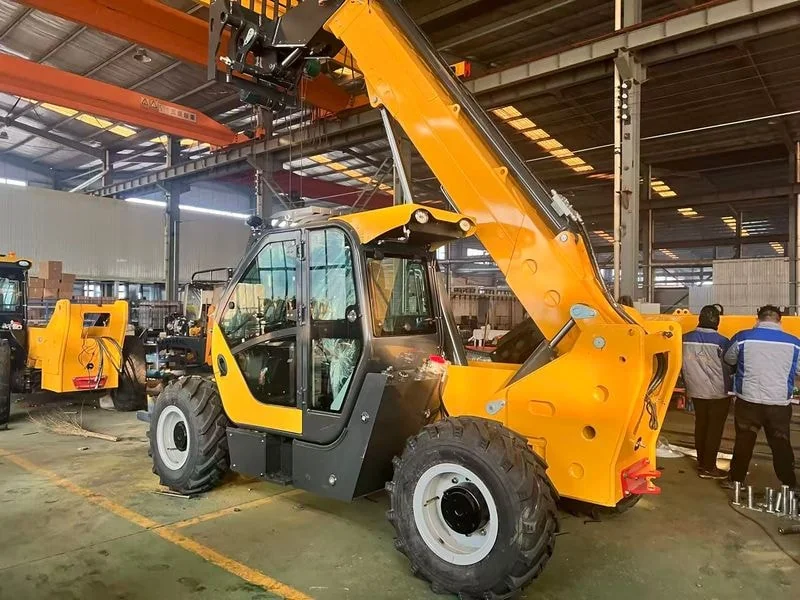
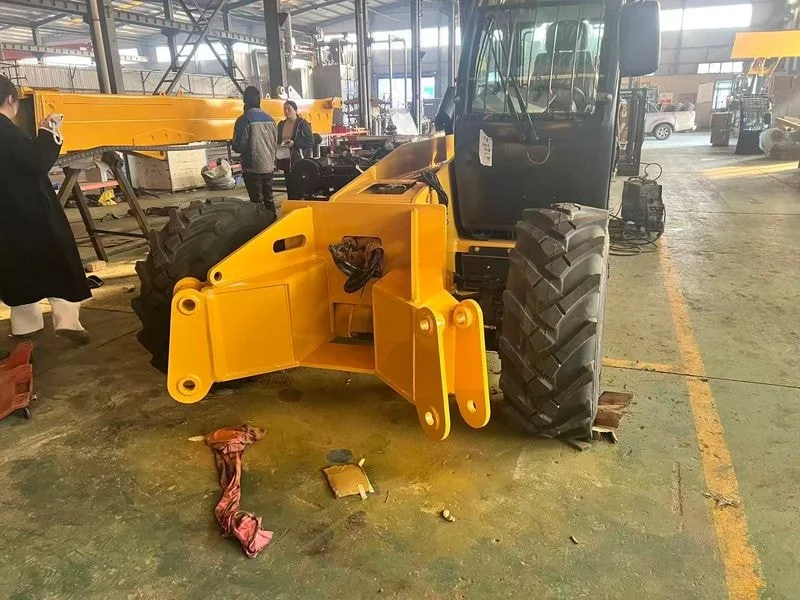
Estimated lead time is confirmed at the quotation stage and finalized before production starts.
Quality Control Checkpoints
Quality control is conducted at multiple stages, not only at final inspection.
Incoming Component Inspection
All incoming parts and components are verified before entering the assembly line.
Assembly & Installation Checks
System integration and assembly quality are verified at each production stage.
Functional Testing Before Shipment
Full operational testing ensures readiness before the machine leaves the factory.
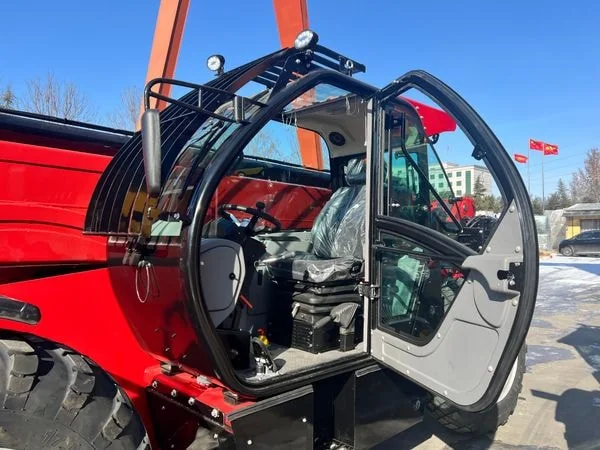
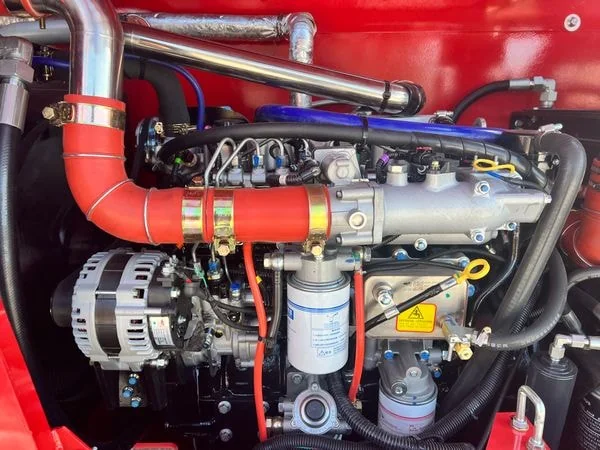
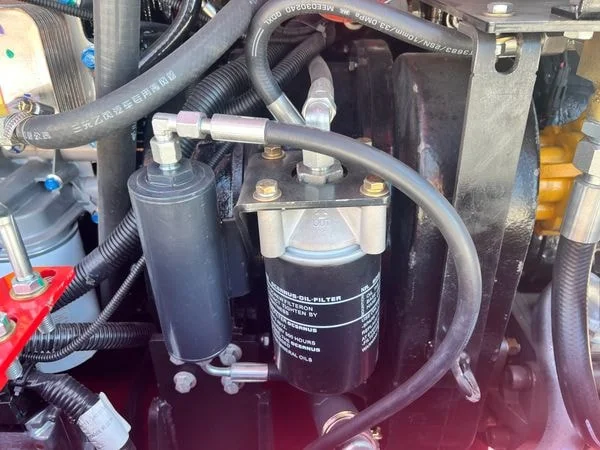
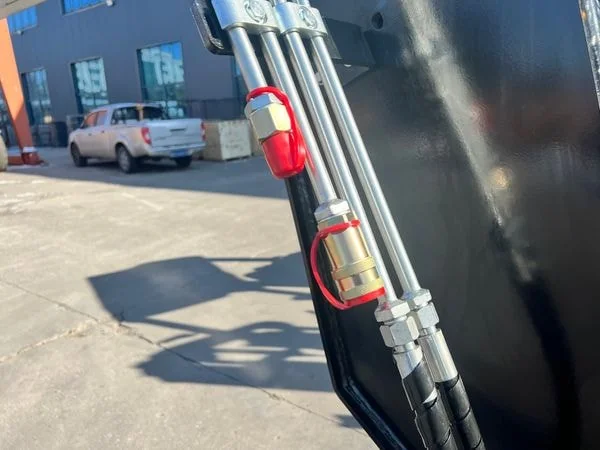
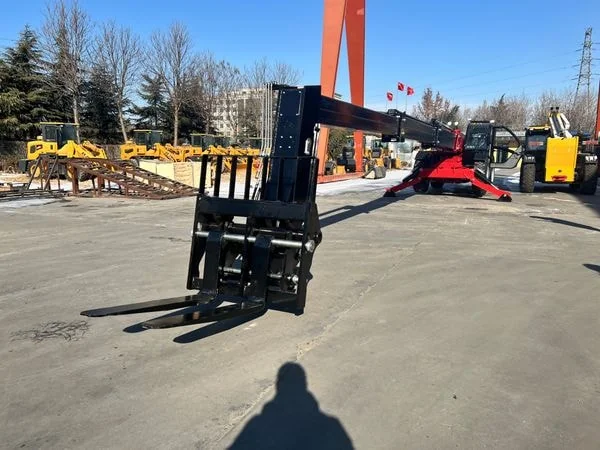
These checkpoints help identify and resolve issues before they affect delivery or performance.
How We Manage Your Order
Clear processes keep production on track and buyers informed.
Specification Control
Once production starts, the confirmed specifications are treated as the production baseline.
Any required changes are reviewed and confirmed before implementation, preventing unauthorized or accidental deviations.
Production Visibility
During production, order progress can be communicated through:
- Production status updates
- Inspection records or photos (when applicable)
This provides buyers with basic visibility, especially for overseas orders.
If an Issue Is Identified
If any issue is identified during production or inspection:
- 1 The issue is documented
- 2 Corrective action is taken before shipment
- 3 The buyer is informed when necessary
This approach helps prevent unresolved problems from reaching the job site.
After production and inspection are completed, the telehandler moves to loading, shipping, and delivery preparation.
Shipping & Delivery
After production and inspection are completed, your telehandler moves into the shipping and delivery stage.
At this step, the focus is on how your machine is prepared, loaded, transported, and communicated to you, so you know exactly what is happening and what to expect.

Shipping Preparation
Before shipment, your telehandler is prepared specifically for long-distance transport:
- Final inspection is completed and confirmed
- Protective packaging is applied based on the selected transport method
- A loading and securing plan is finalized
This preparation helps reduce transport risks and protects the machine during transit.
Loading & Packaging
Your telehandler is loaded and secured according to the chosen transport method:
- The machine is positioned and fixed to prevent movement
- Key structural and hydraulic components are protected
- Loading photos or records can be provided if needed
Careful loading helps your equipment arrive in the same condition as it was inspected.


Available Shipping Methods
Depending on your destination, delivery timeline, and order volume, your telehandler can be shipped using one of the following methods:
Sea Freight (Container)
Suitable for most overseas destinations. Cost-effective for single or multiple units.
Road Transport (Truck)
Used for nearby markets or cross-border regional deliveries.
Rail Container Transport
Suitable for inland markets. Common for Central Asia and Eastern Europe routes.
The most suitable shipping method is confirmed with you before shipment.
Shipping Documents
After shipment, the standard transport documents are prepared, such as:
- 1 Commercial Invoice
- 2 Packing List
- 3 Transport Document (Bill of Lading or equivalent)
These documents support the delivery process on your side.
Import clearance requirements depend on your local regulations and are handled separately.

Shipping Notification & Tracking
Once your shipment is dispatched:
- You receive the shipping details and dispatch information
- The estimated transit time is confirmed
- Tracking or transport reference details are shared when available
This allows you to follow the shipment and plan the next steps in advance.
Responsibility Handover
Responsibility for the equipment transfers according to the agreed delivery terms (such as FOB, CIF, or other agreed conditions).
These terms are confirmed before shipment, so you know exactly where responsibility changes during transport.

How Your Telehandler Is Shipped
View loading and transport examples for different shipping methods.
Sea Freight: Telehandlers are carefully positioned and secured inside shipping containers. Each machine is fixed to prevent movement during ocean transit.
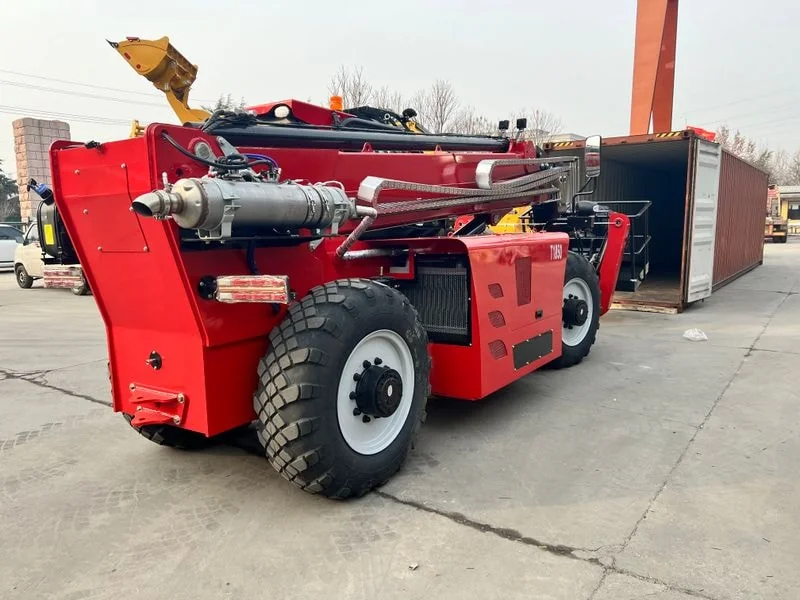
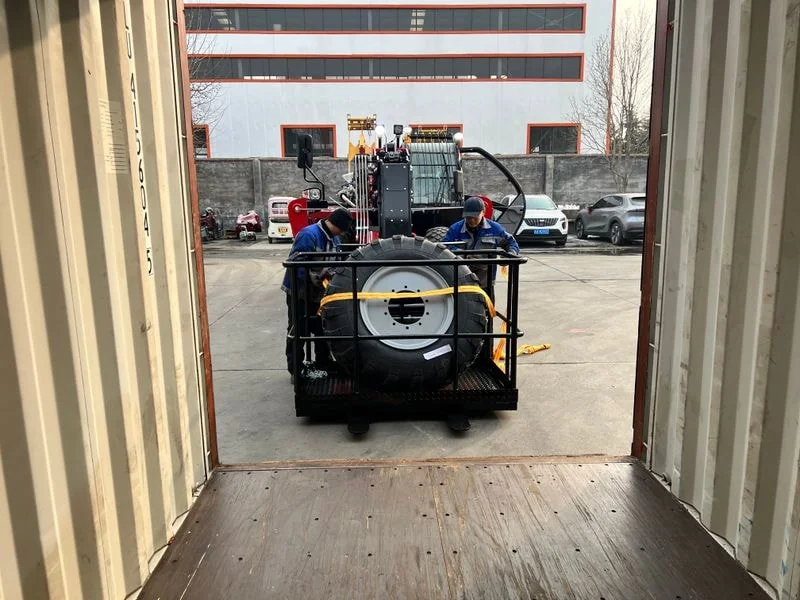
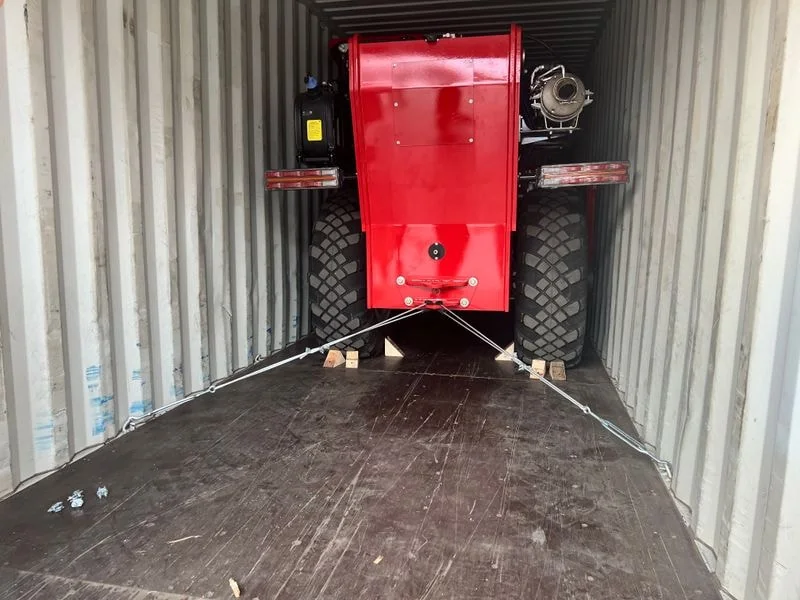
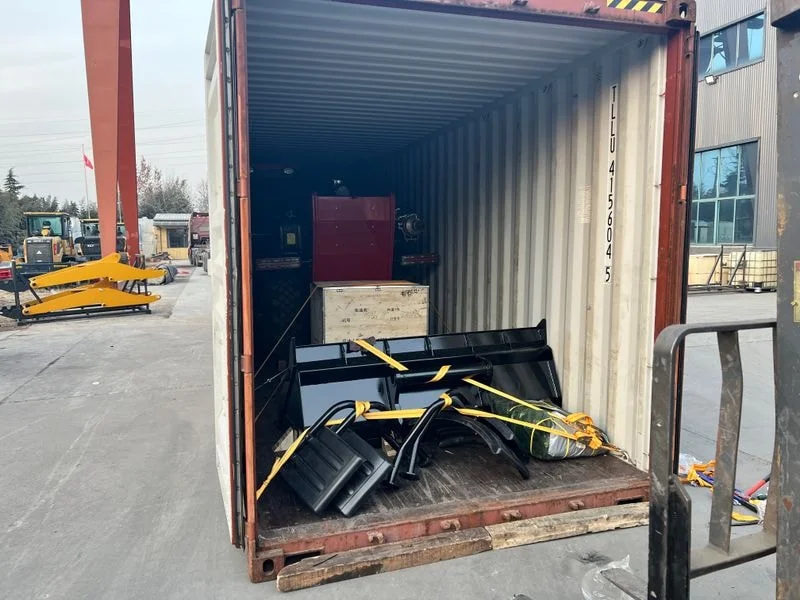
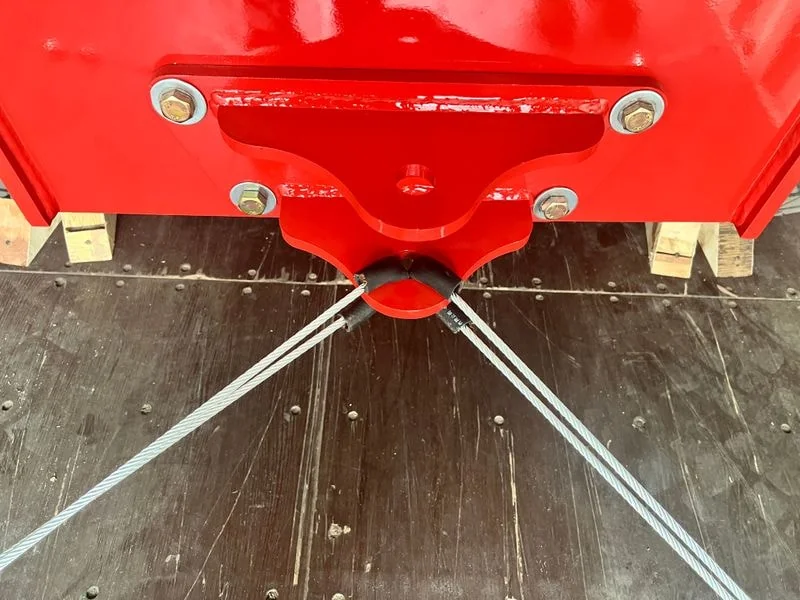
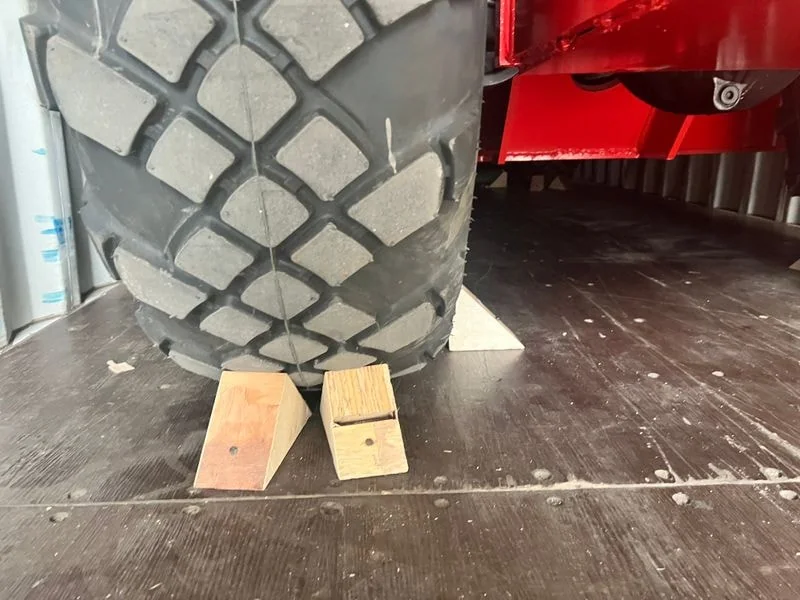
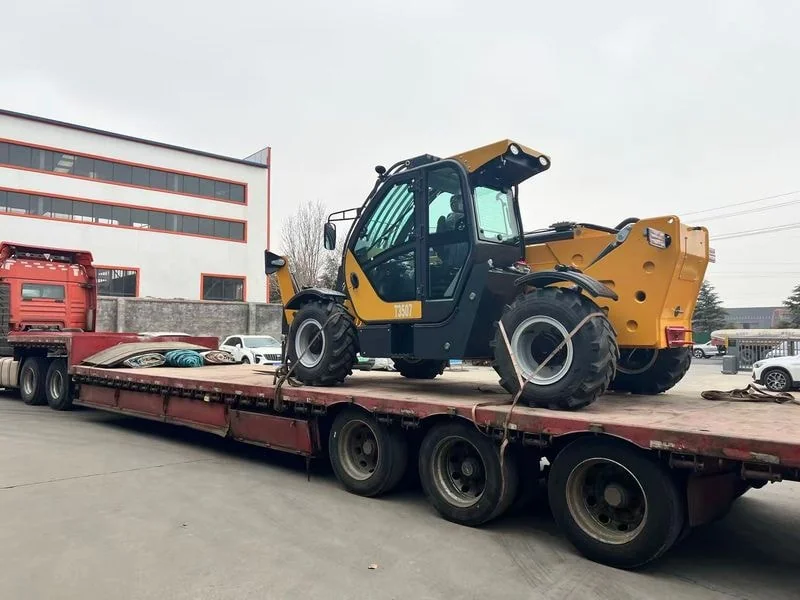
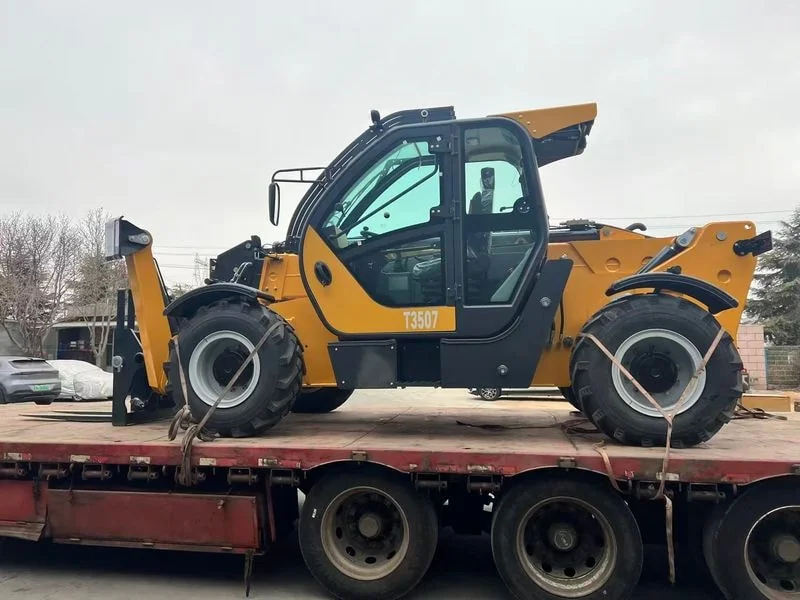
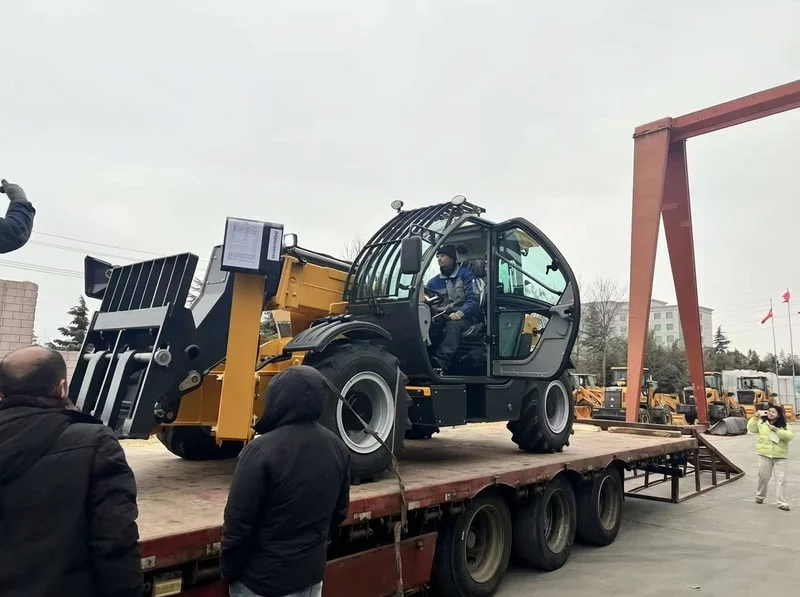
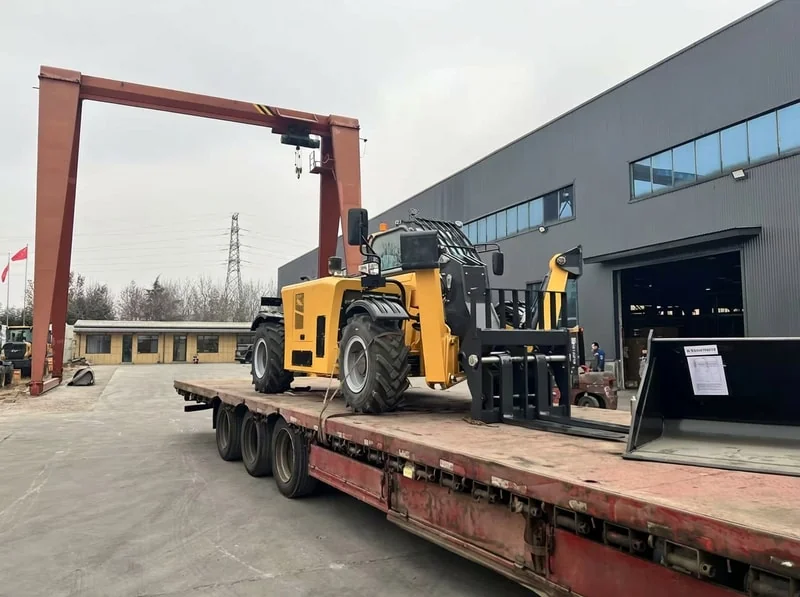
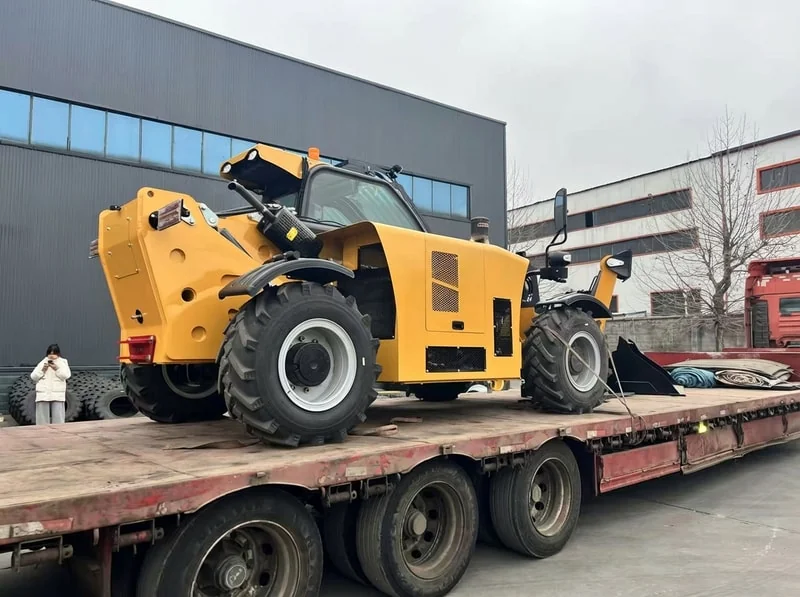
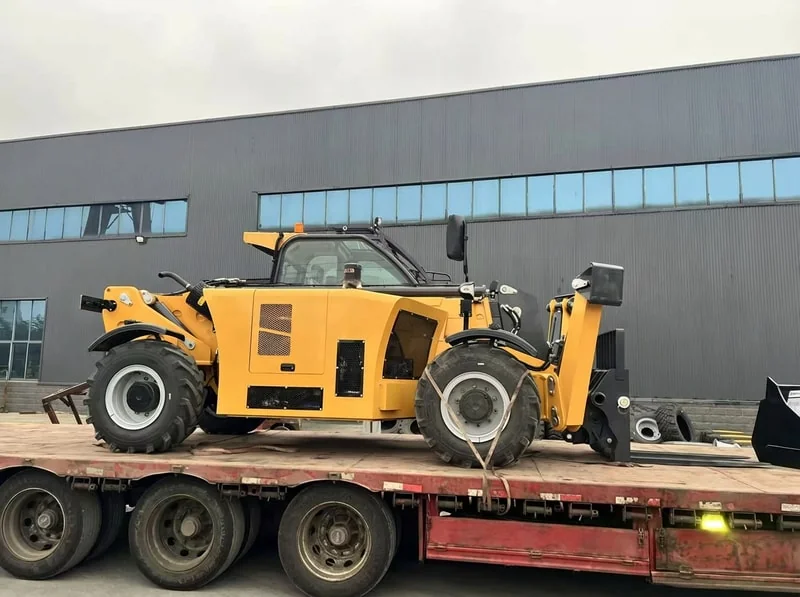
The most suitable shipping method is confirmed with you before shipment, based on destination, cost, and delivery expectations.
After-sales Support
After delivery, the focus shifts to keeping your telehandler running reliably in daily operation.
At this stage, the goal is not frequent intervention, but to make sure you know what support is available and how to access it when needed.

Warranty Coverage
ProtectionYour telehandler is supplied with warranty coverage based on confirmed specifications and operating conditions.
This gives you a clear reference if support is needed during operation.

Spare Parts Support
AvailabilityTo reduce downtime, spare parts support is planned as part of the order.
This approach helps you prepare before issues occur, not after.

Technical Support
GuidanceIf technical questions arise during operation:
Support is focused on helping you restore operation efficiently, not creating dependency.
Most overseas customers handle daily operation and routine maintenance locally.
After-sales support is designed to work with your team, providing assistance when needed while keeping you in control of your equipment.
Ordering FAQ
Common questions about the telehandler ordering process — from quotation to delivery and after-sales support.
Useful Resources for Your Order
If you're reviewing next steps after selecting a telehandler configuration, these resources cover importing, shipping timelines, equipment selection, and long-term maintenance planning.
- Understand what to expect before your equipment arrives
- Plan project timelines with realistic delivery estimates
- Prepare for long-term operating costs and spare parts
Buyer Resource Library
Reference materials for your decision
Telehandler or Forklift?
Equipment selection guide
2026 Telehandler Sourcing Guide
Step-by-step evaluation reference
Import & Customs Guide
Documentation for overseas purchases
Shipping Time Reference
Production and transit timelines
Container Loading Cases
Real shipping examples
Wear Parts & Consumables
Maintenance planning reference
Talk With a Real Person
Whether you're ready to request a quote or still have questions about the ordering process, we're here to help.

Hi, I'm Sally.
Sales Manager at Telescro
You can reach out if you'd like help with:
- Confirming which telehandler model fits your application
- Understanding configuration options and pricing structure
- Reviewing production lead times and shipping options
- Clarifying payment terms and contract process
- Answering any questions before you request a formal quote
No pressure to place an order immediately. You can share your situation and questions first, and we'll take it from there.
Start the Conversation
Share your requirements or questions — I'll respond within 24 hours.