











How to Select the Right Telehandler
A practical step-by-step guide to choosing the right telehandler for your jobsite, application, and budget.
Selection Checklist
Make the Right Choice
Define Your Application
Match Specifications
Choose Configuration
Finalize Selection
Avoid costly mistakes by understanding lift height, capacity, attachments, and real working conditions — before you buy.
- Match the telehandler to your real working conditions
- Understand which specifications actually matter
- Choose the right configuration without overpaying
Quick Selection Guide
Navigate to any section to find exactly what you need.
Define Your Application
Which of these sounds most like how you use a telehandler?
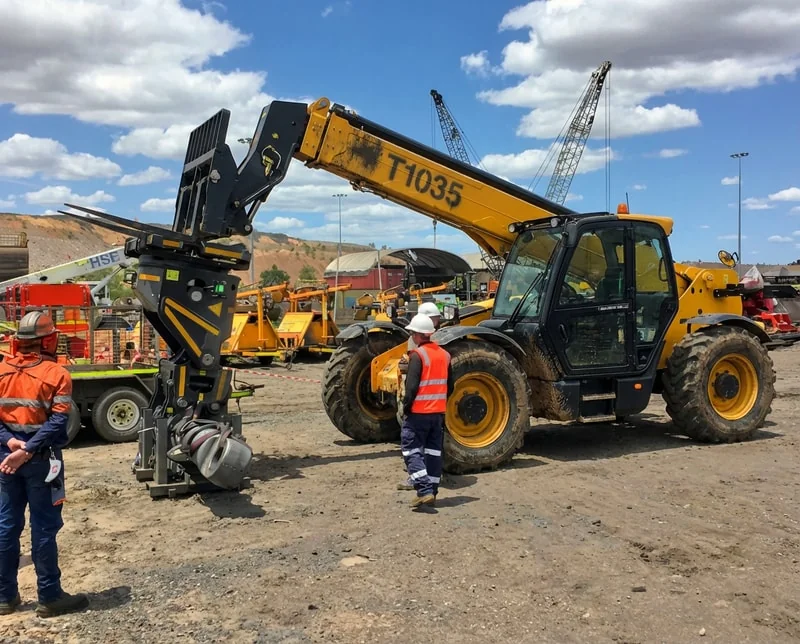 Construction
Construction Sites
You're lifting materials to upper floors, moving pallets around site, and working on uneven ground where reach and stability really matter.
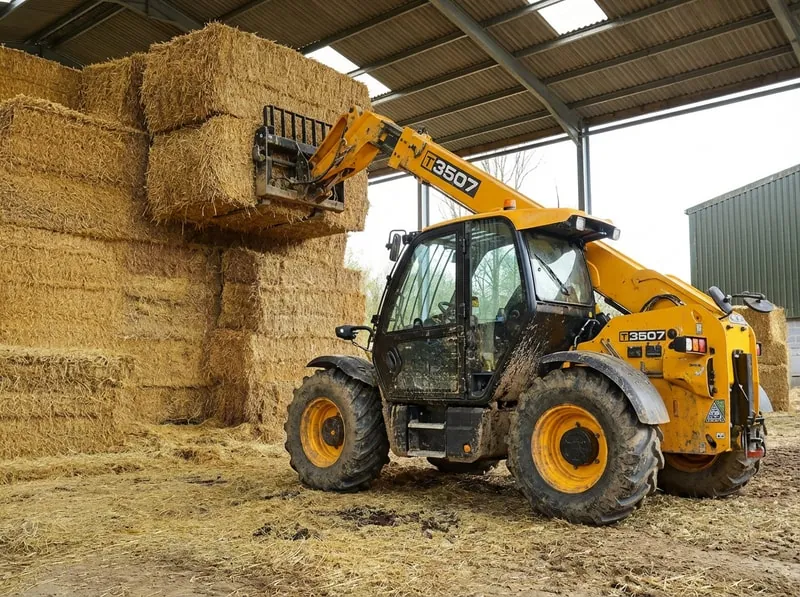 Agriculture
Agriculture & Farming
You use the machine every day on the farm — loading bales, feed, or bulk materials — and often switch attachments during the day.
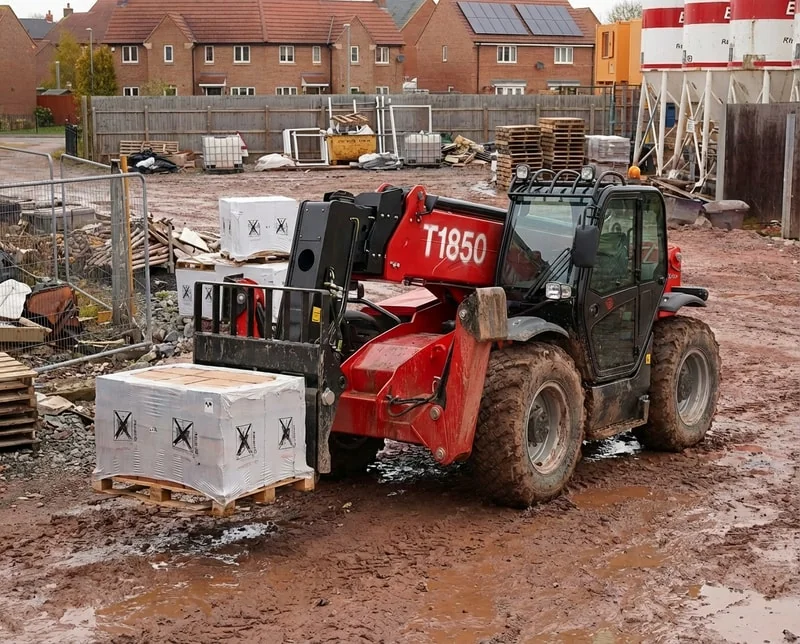 Industrial
Industrial & Warehouse
You work in tighter spaces, sometimes indoors, where smooth control and predictable handling are more important than raw size.
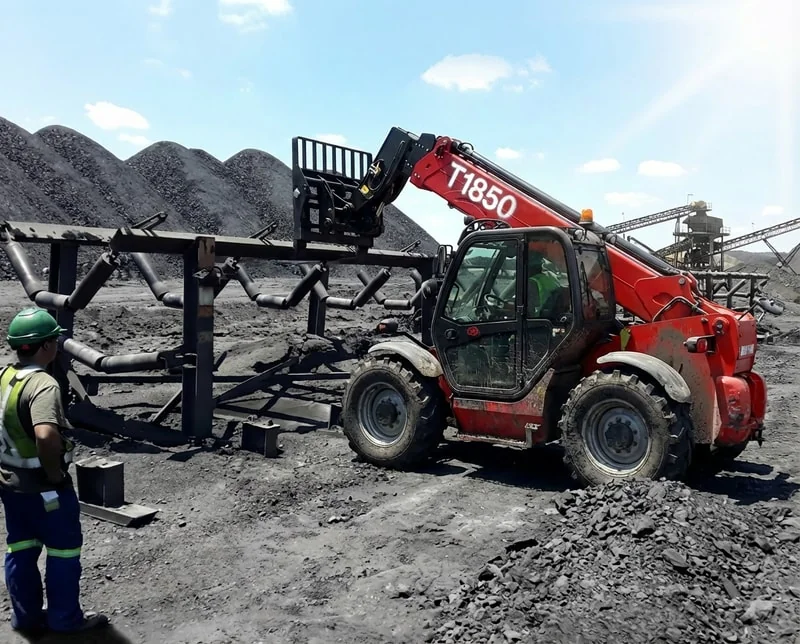 Heavy-Duty
Heavy-Duty & Special Conditions
You operate in tough environments like ports, mines, or steel plants, where machines run long hours and downtime is not an option.
Construction
Construction Sites
You're lifting materials to upper floors, moving pallets around site, and working on uneven ground where reach and stability really matter.
Agriculture
Agriculture & Farming
You use the machine every day on the farm — loading bales, feed, or bulk materials — and often switch attachments during the day.
Industrial
Industrial & Warehouse
You work in tighter spaces, sometimes indoors, where smooth control and predictable handling are more important than raw size.
Heavy-Duty
Heavy-Duty & Special Conditions
You operate in tough environments like ports, mines, or steel plants, where machines run long hours and downtime is not an option.
If your application is not listed above, you can still get a tailored recommendation.
Every project is different — we're happy to discuss your specific requirements.
Key Specifications
These are the specs that actually affect how a telehandler performs on site — not just how it looks on paper.
Maximum Lift Height
(not brochure height)
The published lift height is usually measured without a working load. What you actually need to check is how high the machine can lift safely with weight on the forks. On real jobsites, usable height is often lower than the headline number.
Rated Capacity at Full Reach
(not maximum capacity)
Maximum capacity only applies when the boom is fully retracted. If you place loads forward or at height, capacity at full reach is the number that shows real performance. This is where similar-looking machines start to behave very differently.
Operating Weight & Stability
(heavier can be better)
A heavier telehandler is often more stable, not less. Operating weight affects how the machine feels when lifting at height or working on uneven ground. Too light may look good on paper, but can limit confidence on site.
Hydraulic Flow for Attachments
(check before you need it)
If you plan to run buckets, grapples, or other hydraulic tools, flow rate matters. Low hydraulic flow usually shows up later as slow or unresponsive attachments. This is easy to overlook during selection, but hard to fix later.
Engine Emission Compliance
(confirm early)
Emission requirements depend on where the machine will operate. Some markets require CE or EPA-compliant engines, others accept standard configurations. This is something to confirm early to avoid delays after ordering.
Need Help With Specs?
Not sure which specs matter most for your application? We can help you prioritize.
Rigid vs Rotating vs Compact Telehandlers
If you're unsure which type fits your jobsite, the differences below usually make the decision clear.
Rigid Telehandler
You mainly lift forward and upward on standard jobsites, and reposition the machine as needed.
Rotating Telehandler
You need to place loads around obstacles or at multiple angles without moving the machine.
Compact Telehandler
You work in tight spaces where access and maneuverability matter more than lift height.
Telehandler Type Comparison
| Comparison Point | Rigid Telehandler | Rotating Telehandler | Compact Telehandler |
|---|---|---|---|
| Typical Use | General construction, material handling | Complex sites, confined access, multi-directional placement | Tight jobsites, farms, indoor or urban areas |
| Boom Rotation | Fixed boom | 360° rotating upper structure | Fixed boom |
| Load Placement | Requires machine repositioning | Can place loads without repositioning | Requires repositioning |
| Jobsite Flexibility | Moderate | Very high | Moderate |
| Working Footprint | Larger turning radius | Smaller working radius once set | Very small |
| Lift Height Range | Medium to high | Medium to very high | Low to medium |
| Setup Time | Minimal | Requires stabilizer setup | Minimal |
| Operator Skill Level | Standard | Higher (more functions to manage) | Standard |
| Cost Level | Lowest | Highest | Lower to medium |
| Typical Buyer | Construction contractors, rental fleets | Infrastructure, complex construction sites | Agriculture, urban construction, warehouses |
Type Comparison
| Point | Rigid | Rotating | Compact |
|---|---|---|---|
| Typical Use | General construction | Complex sites | Tight spaces |
| Boom | Fixed | 360° rotating | Fixed |
| Flexibility | Moderate | Very high | Moderate |
| Footprint | Larger | Smaller once set | Very small |
| Lift Height | Medium–high | Medium–very high | Low–medium |
| Setup | Minimal | Stabilizers needed | Minimal |
| Cost | Lowest | Highest | Lower–medium |
Detailed Comparison
Rigid Telehandler
Rotating Telehandler
Compact Telehandler
Still not sure which type suits your project?
Optional Attachments
The following attachments are available upon request and are not included in the standard configuration unless specifically quoted.
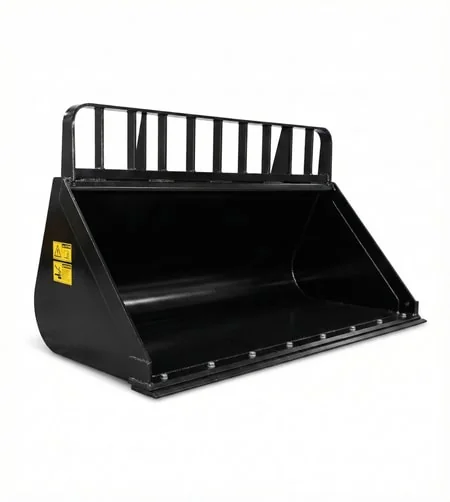
Standard Bucket
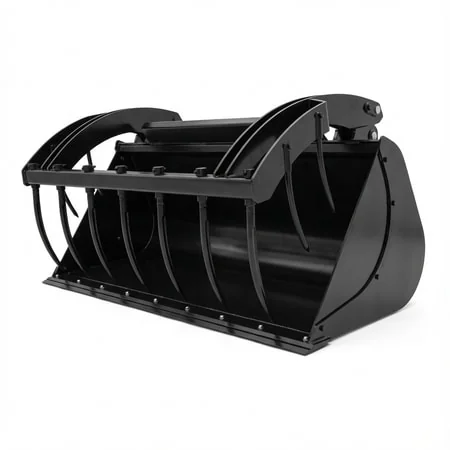
Agricultural Bucket
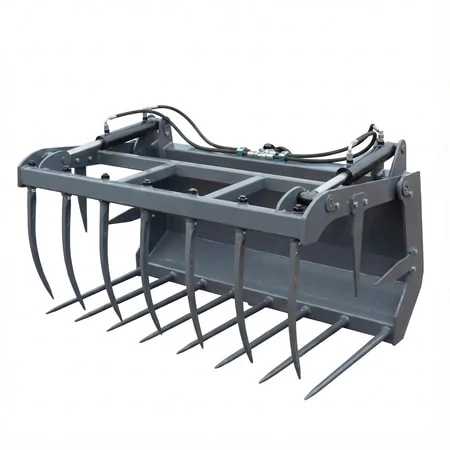
Manure Fork
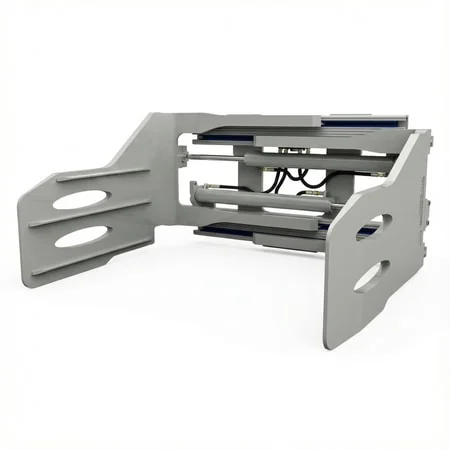
Brick Clamp
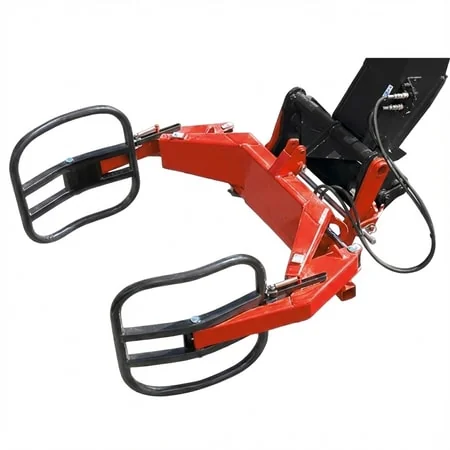
Bale Clamp
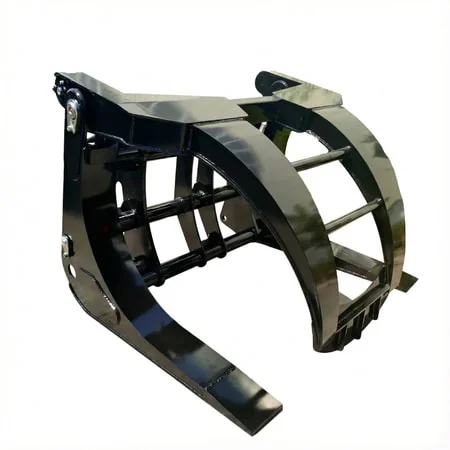
Log Clamp
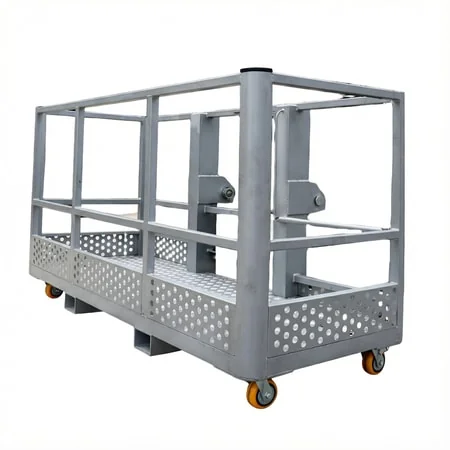
Man Basket
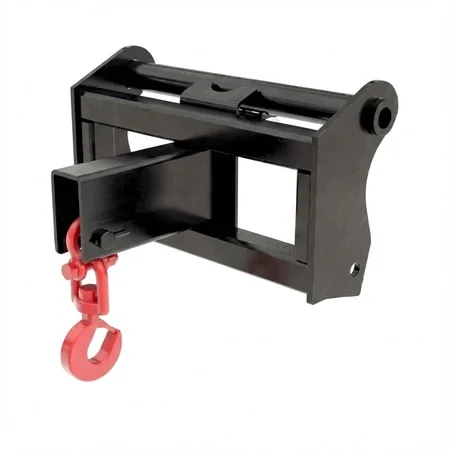
Jib Hook
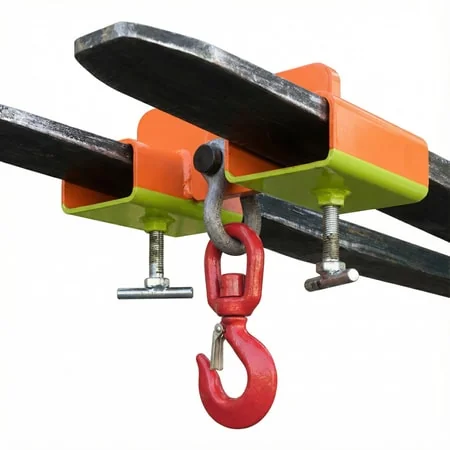
Lift Hook
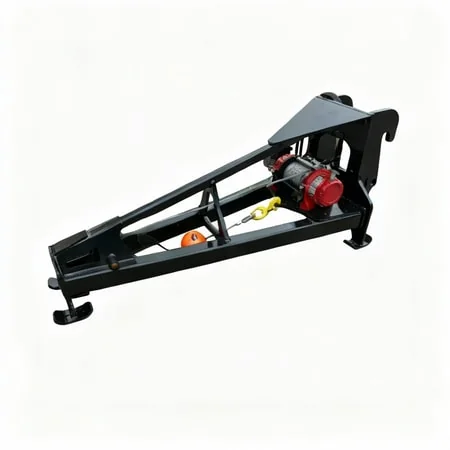
Hydraulic Winch
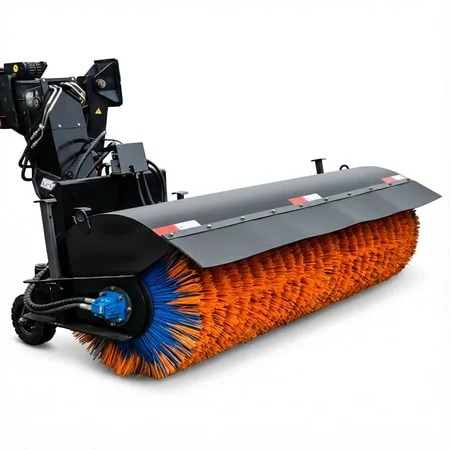
Angled Sweeper
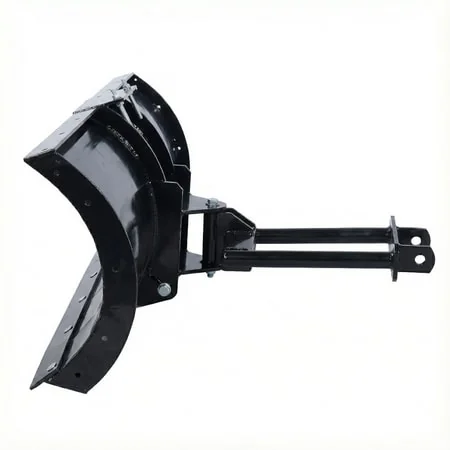
Snow Plow Blade
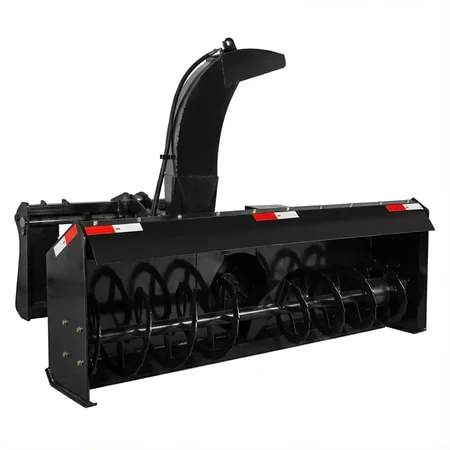
Snow Blower
Custom Attachments
Available upon request
← Swipe to view more →
Note: Availability, specifications, and compatibility may vary depending on machine configuration and target market requirements.
Standard Bucket
Agricultural Bucket
Manure Fork
Brick Clamp
Bale Clamp
Log Clamp
Man Basket
Jib Hook
Lift Hook
Hydraulic Winch
Angled Sweeper
Snow Plow Blade
Snow Blower
Custom Attachments
Tailored solutions available upon request
Important Note
Availability and compatibility may vary depending on machine configuration and market requirements.
Common Mistakes to Avoid
These selection errors often go unnoticed until the machine is already on site. A few minutes of awareness now can save real problems later.
Focusing Only on Maximum Capacity
The headline capacity looks good on paper, but it rarely reflects daily use. Limitations usually appear once loads are lifted forward or at height.
Ignoring Load Performance at Reach
Two machines with similar specs can feel very different when the boom is extended. This difference is often noticed only after work starts on site.
Choosing the Largest Machine "Just in Case"
Bigger machines are more expensive to buy, transport, and maintain. They can also reduce efficiency on sites where space and access are limited.
Deciding on Attachments Too Late
Attachments are often added later, but hydraulic capacity and mounting options are fixed. This can quietly limit what the telehandler can do over its working life.
Overlooking Emission or Local Compliance Early
Emission rules vary by country and project. Missing this step can lead to delays, reconfiguration, or approval issues after ordering.
Assuming One Configuration Fits Every Job
A setup that works well on one site may not suit another. This usually shows up when the machine is shared across different projects or teams.
Focusing Only on Maximum Capacity
The headline capacity looks good on paper, but it rarely reflects daily use. Limitations usually appear once loads are lifted forward or at height.
Ignoring Load Performance at Reach
Two machines with similar specs can feel very different when the boom is extended. This difference is often noticed only after work starts on site.
Choosing the Largest Machine "Just in Case"
Bigger machines are more expensive to buy, transport, and maintain. They can also reduce efficiency on sites where space and access are limited.
Deciding on Attachments Too Late
Attachments are often added later, but hydraulic capacity and mounting options are fixed. This can quietly limit what the telehandler can do over its working life.
Overlooking Emission or Local Compliance Early
Emission rules vary by country and project. Missing this step can lead to delays, reconfiguration, or approval issues after ordering.
Assuming One Configuration Fits Every Job
A setup that works well on one site may not suit another. This usually shows up when the machine is shared across different projects or teams.
Want a Second Opinion Before You Decide?
We've helped hundreds of buyers avoid common selection mistakes. Share your requirements, and we'll give you honest feedback — no pressure, no sales pitch.
Popular Telehandler Configurations
These are the most common configurations customers choose after defining their application and working conditions.
General Construction
Configuration
Typical Application
Multi-story construction sites, material placement, pallet handling
Lift Height
10–14 m
Capacity at Reach
2,500–3,500 kg
Common Attachments
Often selected for projects requiring a balance between reach and mobility.
Agricultural Daily Operation
Configuration
Typical Application
Farms, livestock operations, bulk material handling
Lift Height
6–9 m
Capacity at Reach
2,000–3,000 kg
Common Attachments
Chosen for versatility and frequent attachment changes during daily work.
Industrial / Warehouse
Configuration
Typical Application
Manufacturing plants, logistics yards, semi-indoor sites
Lift Height
6–10 m
Capacity at Reach
2,500–4,000 kg
Common Attachments
Compact dimensions and predictable handling are often preferred over maximum reach.
Heavy-Duty / Port
Configuration
Typical Application
Ports, steel plants, continuous heavy material handling
Lift Height
10–17 m
Capacity at Reach
3,000–4,000 kg
Common Attachments
Usually configured with higher operating weight and reinforced components.
Need a configuration tailored to your specific application?
Our Telehandler Models
Explore our full range of telehandlers — from compact mini models to high-reach construction machines.

T4512
1.2 t Mini Telehandler
Compact 4.5 m telehandler for confined spaces, light-duty material handling, and urban job sites.

T625-A
2.5 t Agricultural Telehandler
Upgraded 6 m agricultural model with imported components, designed for daily farm operations and confined areas.
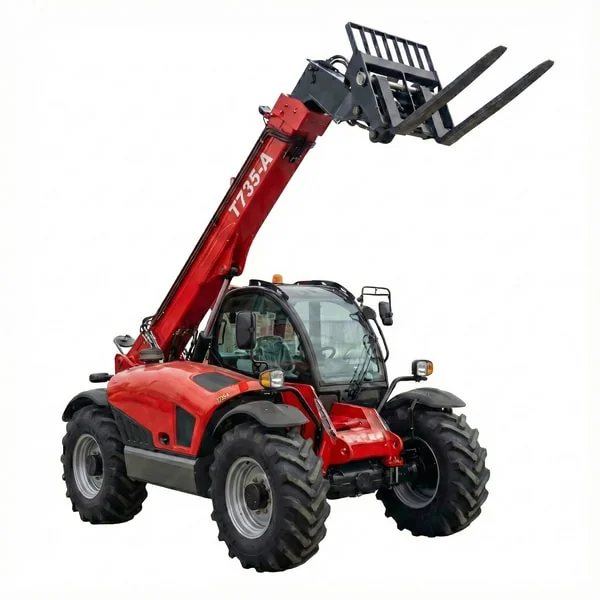
T735-A
3.5 t Agricultural Telehandler
Upgraded 7 m agricultural telehandler with imported configuration, ideal for intensive material handling on farms.
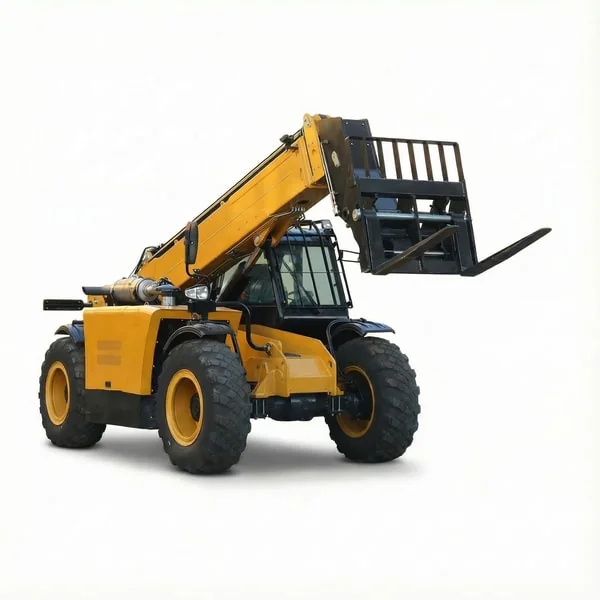
T3507
3.5 t Telehandler
Compact 7 m telehandler for construction and industrial handling, offering a practical balance between size and lifting capacity.
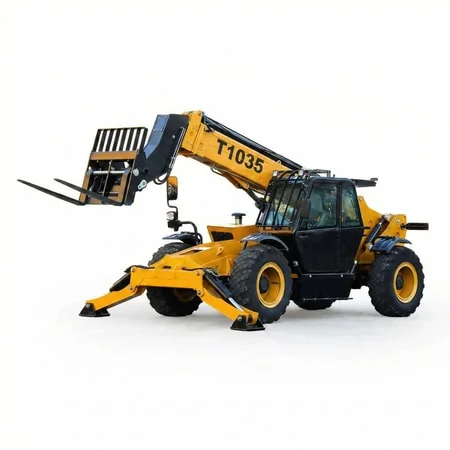
T1035
3.5 t Telehandler
Versatile 10 m telehandler designed for construction sites, warehouses, and general material handling applications.
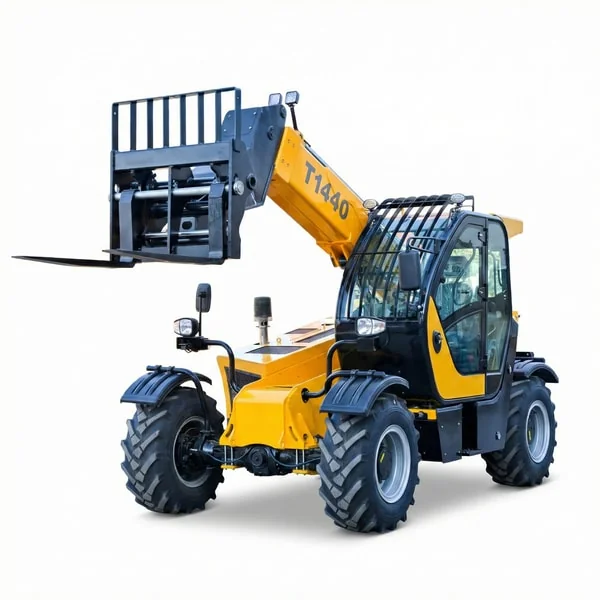
T1440
4.0 t Telehandler
Heavy-duty 14 m telehandler providing increased reach and lifting performance for demanding construction and industrial use.
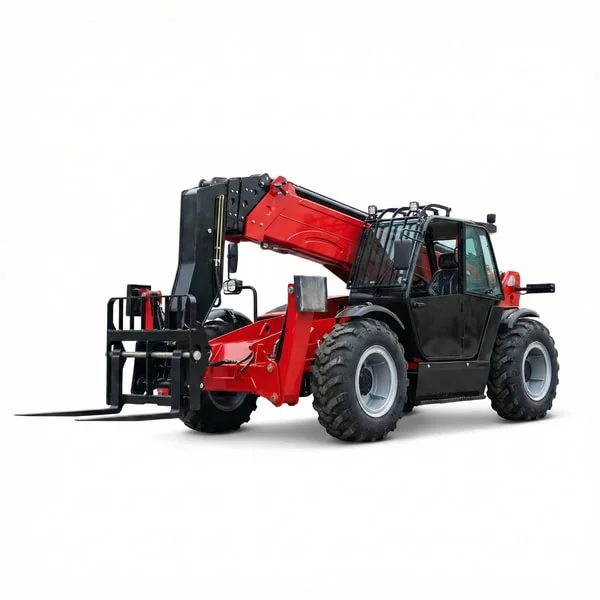
T1850
5.0 t Telehandler
High-reach 18 m telehandler built for large construction projects and rental fleets requiring maximum lifting capacity.

TH1840
4.0 t Telehandler · EPA Compliant
17.5 m telehandler designed for North American market with EPA-compliant powertrain for construction and rental applications.
Buyer FAQs
Common questions from equipment buyers during the telehandler selection process — answered clearly without the sales pitch.
Still have questions about telehandler selection?
Buyer Useful Resources
If you're reviewing next steps after selecting a telehandler configuration, these resources cover importing, shipping timelines, loading arrangements, and long-term maintenance planning.
- Understand what to expect before your equipment arrives
- Plan project timelines with realistic delivery estimates
- Prepare for long-term operating costs and spare parts
Buyer Resource Library
Reference materials for your decision
Telehandler Buying Guide
Step-by-step evaluation reference
Import & Customs Guide
Documentation for overseas purchases
Shipping Time Reference
Production and transit timelines
Container Loading Cases
Real shipping examples
Wear Parts & Consumables
Maintenance planning reference
Talk With a Real Person

Hi, I'm Sally.
Sales Manager at Telescro
You can reach out if you'd like help with:
- Matching the right telehandler model to your application
- Understanding certification or engine requirements for your market
- Reviewing shipping routes, timeframes, or transport options
- Talking through import cost structure before requesting a quote
- Clarifying what a first order typically looks like
There's no pressure to place an order. You can simply share your situation and questions, and we'll take it from there.
Send a Message
Share your questions or requirements — I'll respond within 24 hours.