











Heavy Duty Telehandler: Capacity Classes, Applications and Auswahlhilfe
In current market-facing usage, heavy duty telehandlers generally begin around the 10,000 lb range and extend into specialized machines above 30,000 lb. This page breaks the category into three tiers, maps each tier to real applications, and helps you determine which class your project actually needs.
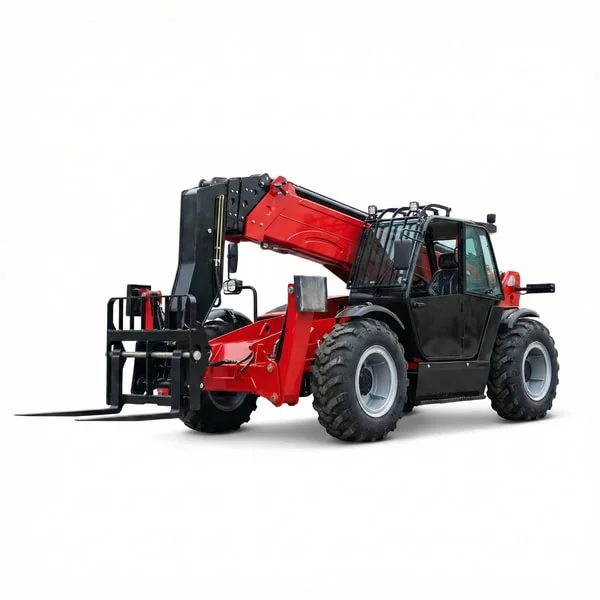
- Market-facing category range
Roughly 10,000-70,000 lb (4,500-31,750 kg)
- Typical lift height span
Roughly 40-100 ft (12-30 m), depending on tier (height varies by model family and is not directly proportional to capacity)
- Three-tier classification
Entry heavy (10K-12K) / Standard heavy (15K-20K) / Ultra heavy (30K+)
- Telescro position
Entry heavy-duty closest fit at the lower end of the 10K-12K band
Was diese Seite abdeckt
Navigate directly to the section most relevant to your capacity selection decision.
Heavy Duty Capacity Tiers
In current market-facing usage, "heavy duty telehandler" is not a single machine specification -- it is a broad category spanning three distinct capacity tiers with very different cost profiles, applications, and sourcing paths.
| Tier | Capacity Range | Typical Lift Height | Typical Operating Weight | Common Models |
|---|---|---|---|---|
| Entry Heavy (10K-12K) | roughly 10,000-12,000 lb (4,500-5,443 kg) | roughly 42-60 ft (12.8-18.3 m) | roughly 22,000-34,000 lb | JLG 1075, Cat TH1255, Telescro T1850 |
| Standard Heavy (15K-20K) | 15,000-20,000 lb (6,804-9,072 kg) | roughly 40-56 ft (12.2-17.1 m) | roughly 30,000-42,000 lb | JLG G15-44A, Manitou MHT-X 14350 |
| Ultra Heavy (30K+) | 30,000-70,000 lb (13,608-31,751 kg) | roughly 30-100 ft (9.1-30.5 m) | roughly 50,000-110,000 lb | Xtreme XR4030, Xtreme XR7038, Magni HTH 50.14 |
If you already know your required load and lift height, the tier table above should tell you which band to focus on.
What Heavy Duty Telehandlers Are Built For
Each capacity tier exists because certain applications consistently push beyond what standard 5K-8K machines can handle.
Mehrgeschossiger Bau
Moving lumber packages, roof trusses, and palletized structural materials to upper-floor elevation where standard telehandlers run out of rated capacity margin.
Lumber Yard Distribution
Staging heavy unit loads over moderate heights in yard environments where a 5K machine would require multiple lifts.
Industrial Facility Maintenance
Positioning mechanical units, HVAC components, and process equipment inside plants where overhead cranes cannot reach.
Precast Concrete Placement
Panels regularly exceed 12,000 lb in total lift weight, pushing past the entry-heavy ceiling even before accounting for rigging.
Steel Structure Erection
Beam staging and structural positioning alongside tower cranes on large commercial or infrastructure frames.
Infrastructure Material Staging
Bridge deck components, tunnel lining segments, and highway project precast elements requiring both high capacity and extended reach.
Mining and Quarry Operations
Moving bulk material containers, large wear components, and heavy mining equipment with loads that standard construction equipment cannot address.
Heavy Industrial Plant Construction
Positioning reactor vessels, turbine assemblies, and pressure vessels where rated lift weights reach the limits of ground-based lifting equipment.
Shipyard, Port and Oil/Gas Assembly
Extreme loads in confined industrial layouts where crane access is restricted or mobilization cost is prohibitive.
Many buyers searching "heavy duty telehandler" do not need a 30K+ ultra-heavy machine. If your actual requirement stays in the 10K-12K band, an entry heavy-duty model may be enough.
Does Your Project Actually Need
a Heavy Duty Telehandler?
Before selecting a capacity tier, confirm that your project genuinely requires a heavy-duty machine. The three cards below map the most common decision scenarios.
You Likely Need a Heavy Duty Model
Typical loads exceed 8,000 lb at working height. Lift height requirements go beyond 40 ft with those loads in play.
The job involves heavy structural materials: precast concrete, structural steel, or bulk industrial components. Standard 5K-8K telehandlers cannot handle the weight without operating at or beyond rated capacity margins.
A Standard Telehandler (5K-8K) May Be Enough
Most loads stay under 8,000 lb across typical lifts. The primary job is material staging at moderate heights.
The site uses the telehandler alongside cranes for heavier individual picks. Occasional oversize loads can be handled by a separate heavy-lift rental without affecting cycle time.
You May Need Specialized Heavy-Lift Equipment
Loads regularly exceed 20,000 lb at working height. The application involves suspended loads or precision placement requiring certified crane-level controls.
The lift plan sits in the 30K+ range on a routine basis.
Not Sure Which Category Fits?
Share your typical load, lift height, and reach targets. We will recommend the right capacity tier for your application.
Heavy Duty Telehandler Capacity Classes Compared
Confirm which tier your requirement falls into before entering a sourcing conversation.
| Capacity Tier | Typische Kapazität | Typical Lift Height | Am besten für | Telescro Position |
|---|---|---|---|---|
| Adjacent Standard (8K-10K) | 8,000-10,000 lb | roughly 40-55 ft | Heavier general construction, mixed fleets | Route to 10K class pages |
| Entry Heavy (10K-12K) | 10.000-12.000 lb | roughly 42-60 ft | Heavy construction, lumber, industrial handling | T1850 closest-fit at lower end (11,023 lb / 59 ft) |
| Standard Heavy (15K-20K) | 15,000-20,000 lb | roughly 40-56 ft | Precast, steel erection, infrastructure | Not currently in product line |
| Ultra Heavy (30K+) | 30,000-70,000 lb | roughly 30-100 ft | Mining, heavy industrial, port | Not currently in product line |
If your requirement falls in the 10K-12K range, T1850 may be a valid closest-fit factory-direct option. If your requirement sits above that tier, this page helps with capacity routing first.
Match Your Application to the Right Capacity Class
Use the table below to map your application to the tier that fits, then confirm actual load weights before finalizing machine class.
| Anmeldung | Typical Load Range | Suggested Tier | Action |
|---|---|---|---|
| Multi-story residential framing | 5,000-10,000 lb | Adjacent Standard to Entry Heavy | Check 10K vs entry-heavy fit |
| Precast concrete panel placement | 12,000-20,000 lb | Standard Heavy | Confirm panel weights first |
| Steel erection support | 10,000-18,000 lb | Entry to Standard Heavy | Depends on beam weight and placement height |
| Mining bulk material handling | 20,000-50,000+ lb | Ultra Heavy | Specialized sourcing required |
| Industrial equipment positioning | 6,000-12,000 lb | Adjacent Standard to Entry Heavy | Confirm lift height and reach before classing up |
| 40 ft shipping container (loaded) | 40,000-67,200 lb | Crane / specialized heavy-lift planning | Exceeds telehandler range for most models |
A loaded 40 ft container can weigh up to 67,200 lb, which exceeds even the largest production telehandlers. Confirm the container weight before selecting equipment class.
Key Buying Considerations for
Heavy Duty Telehandlers
Heavy duty telehandler selection involves more variables than rated capacity alone. The seven points below are the ones that most commonly shift the decision after initial tier selection.
Working Load vs Rated Capacity
Rated capacity is based on the machine's specified load chart position, typically with the boom retracted and the load close to the machine.
Usable capacity decreases significantly at height and forward reach -- always check the load chart at your required working position.
Lift Height and Forward Reach
Confirm the load chart position for your typical lift, not just the maximum height the machine can reach unloaded.
Required lift height and forward reach at working load is the correct specification to compare.
Site Conditions
Terrain type, ground bearing pressure, and space constraints all affect machine selection.
A machine that fits the load spec may be unsuitable for the site conditions.
Anforderungen an die Anhänge
Forks, material buckets, work platforms, jib extensions, and winch attachments each add weight.
Each attachment affects the effective rated capacity at working position.
Transport and Mobilization
Machine operating weight in the entry-heavy class can range from roughly 22,000 to 34,000 lb.
Confirm trailer class and mobilization cost before committing to a machine size.
Compliance and Certification
Required configuration documentation depends on destination market.
Approved configurations are available for CE, ROPS/FOPS, and EU Stage V; EPA Tier 4 Final on the TH1840 platform.
Service and Parts Availability
Confirm regional support for the deployment location before finalizing any machine selection.
Parts availability and service response time matter more in heavy-duty applications than in lighter-class fleets.
Variables Still Undefined?
If any of these variables are still undefined, the capacity tier conversation should start from the application, not from the spec sheet.
Heavy Duty Telehandler
Preis-Faktoren
Heavy duty telehandler pricing varies dramatically by capacity tier. The five factors below drive most of the price variation within and across tiers.
Capacity Class Is the Primary Price Driver
Entry heavy (10K-12K), standard heavy (15K-20K), and ultra heavy (30K+) span significantly different price ranges.
Classing up one tier typically adds substantial cost before any other factor is considered.
New vs Used Condition and Machine Hours
Used entry-heavy machines with high hours trade at a significant discount to new units.
Service history, structural condition, and parts exposure affect the real cost of ownership.
Brand Premium
Established Western OEM models carry a brand premium reflecting dealer network, resale value, and parts ecosystem.
Factory-direct procurement trades that premium for a lower acquisition price.
Attachment and Hydraulic Configuration
Auxiliary hydraulics, integrated side-shift forks, and specialized attachment interfaces add cost.
Confirm the hydraulic spec matches your attachment requirements before comparing prices.
Delivery Destination and Logistics
Port-to-site logistics, import duties, and in-country dealer support costs vary significantly by destination market.
In the entry heavy-duty range, factory-direct procurement can be worth evaluating against dealer-sourced Western OEM options.
Ready to Compare Pricing?
Share your load, reach, configuration, and destination. We will confirm whether factory-direct entry-heavy is a valid comparison path.
Gemeinsame Anhänge für Heavy Duty Telehandlers
Attachment compatibility depends on the machine's hydraulic flow capacity and mounting interface. Confirm attachment requirements when specifying capacity class.
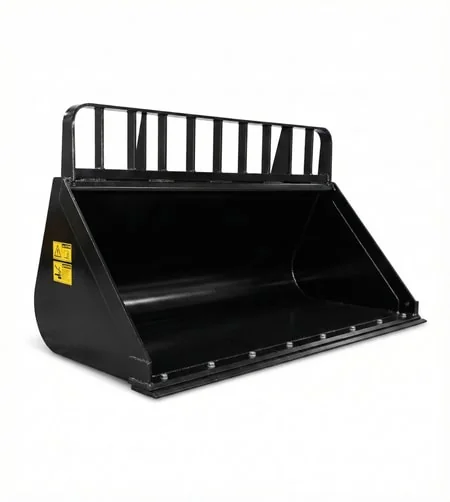
Heavy-Duty Pallet Forks
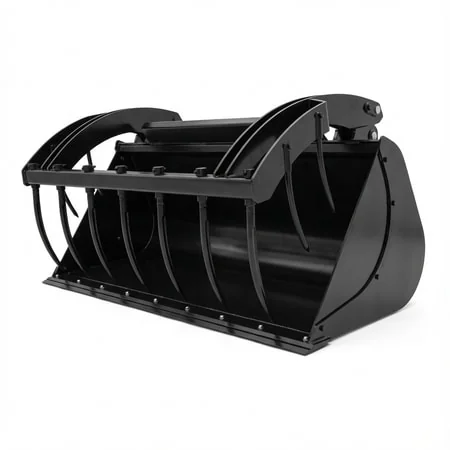
Materialbehälter
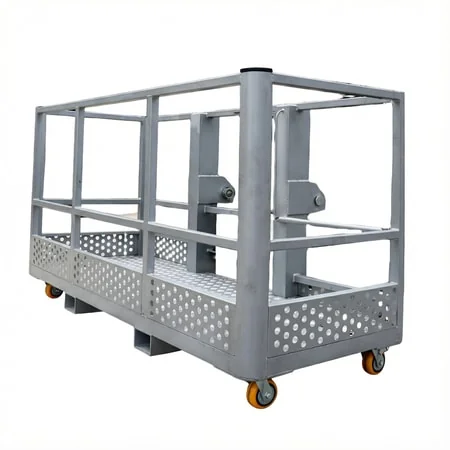
Arbeitsbühnen
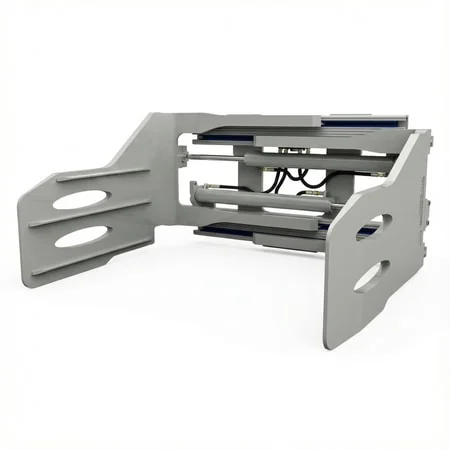
Truss Boom / Jib
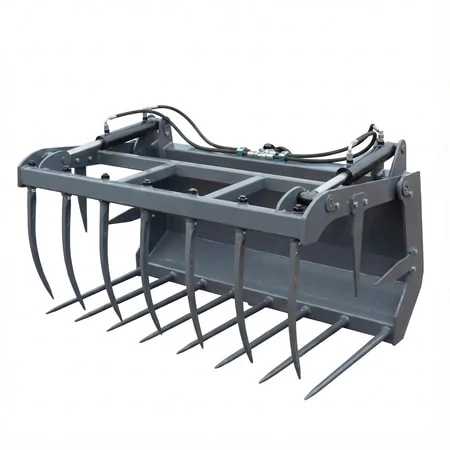
Winch Attachments
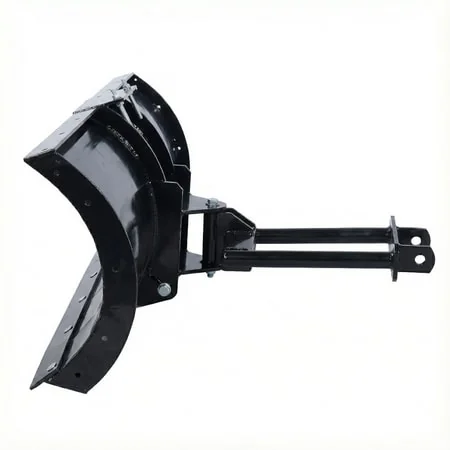
Pipe and Pole Handlers
Confirm attachment requirements when specifying capacity class to avoid mismatches that require re-specification after procurement
Why Telescro Can Help You
Navigate This Decision
This page exists to help buyers determine the right capacity class before entering a procurement conversation. Tier routing comes first; product discussion follows only when the class is confirmed.
Category Guide Before Sales Conversation
This page exists to help buyers determine the right capacity class before entering a procurement conversation. Tier routing comes first; product discussion follows only when the class is confirmed.
Closest-Fit Factory-Direct Option
The T1850 at 11,023 lb (5,000 kg) / 59 ft (18.0 m) can enter the 10K-12K closest-fit discussion as a factory-direct alternative. It does not represent the standard-heavy or ultra-heavy tiers.
Approved Configurations by Market
CE, ROPS/FOPS, and EU Stage V approved configurations are available. EPA Tier 4 Final is available on the TH1840 platform. Configuration availability depends on the destination market and order specification.
Whether your project falls in the entry heavy-duty range or requires a larger class, the first step is confirming your actual capacity requirement. Send your typical load, lift height, forward reach, attachment plan, and destination market.
Get a Capacity Recommendation for Your Project
Not sure which heavy-duty tier fits your project? Send your application details. We will recommend the right capacity class and tell you whether Telescro has a closest-fit option at the entry heavy-duty end.

Hallo, ich bin Sally.
Senior Sales Manager at Telescro
To give you an accurate recommendation, include:
- Required lift capacity and typical load type
- Working lift height and forward reach at load
- Application type and material description
- Site conditions (terrain, ground bearing pressure, space constraints)
- Attachment requirements
- Destination market and compliance needs
- Procurement preference (new factory-direct, used, rental)
No sales pressure. If your requirement sits outside our current product line, I will tell you directly and help point you to the right sourcing path.
Share Your Project Requirements
Include your load, height, and application details for an accurate capacity recommendation.
Heavy Duty Telehandler FAQ
Answers to the most common questions about heavy duty telehandler capacity classes, specifications, and selection criteria.
Still have questions about heavy duty telehandler capacity classes or selection criteria?