











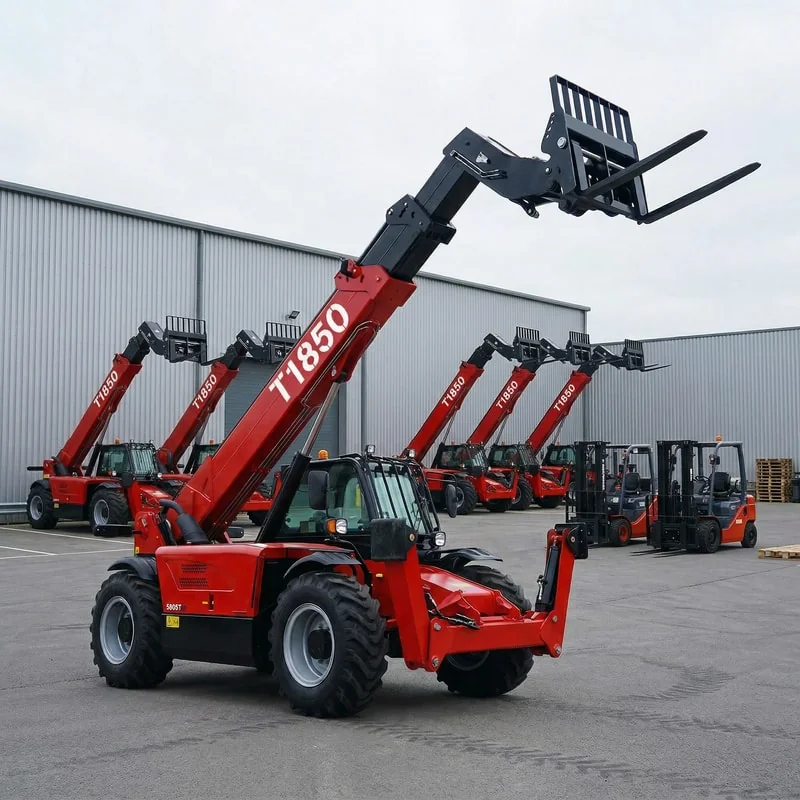
10,000+
Hour Component Life
Telehandlers for Rental Companies
Built for high utilization fleets. Engineered to reduce downtime, simplify maintenance, and improve return on investment.
Designed specifically for rental operations where uptime, durability, and predictable operating costs matter most. Our telehandlers combine 10,000+ hour component life, rental-friendly maintenance layout, and globally compliant configurations.
High Utilization
Design
Rental-Optimized
Maintenance
Fleet Standard
Ready
Rental Fleet Guide
Navigate to any section to find the information you need.
The Pressures You Face Running a Rental Fleet
You're not just buying equipment. You're protecting uptime, reputation, and long-term profitability.
Every machine you add to your fleet carries risk — and responsibility.
What happens if it fails during peak season?
When your fleet is fully booked, even one breakdown can disrupt multiple projects. You're not just fixing a machine — you're protecting customer relationships.
Will your customers trust it?
Contractors prefer equipment they recognize and feel confident operating. If operators hesitate, it affects repeat rentals and how your brand is perceived.
How fast can you get parts when you need them?
A machine waiting for components isn't generating revenue. You need predictable parts support — not uncertainty.
Can your technicians service it easily?
Your mechanics don't have time to struggle with unfamiliar layouts or complex systems. Fast turnaround between rentals keeps your utilization high.
What will it be worth after years of heavy use?
You're investing in an asset, not just filling a fleet gap. Durability and resale value directly impact your long-term returns.
Is the lower price really safer?
Saving upfront means little if reliability is questionable. You can't afford to gamble with fleet performance — your business depends on consistency.
These pressures are real — and they're exactly why we engineered our telehandlers for rental-grade durability, simplified maintenance, and predictable fleet economics.
Engineered for High-Utilization Rental Fleets
Rental fleets operate differently from end users. Your machines move between job sites, operators, and working conditions constantly.
That's why rental equipment must be engineered for durability, fast turnaround, and predictable operating performance — not occasional use.
Core Fleet Capabilities
4 engineering advantages for rental
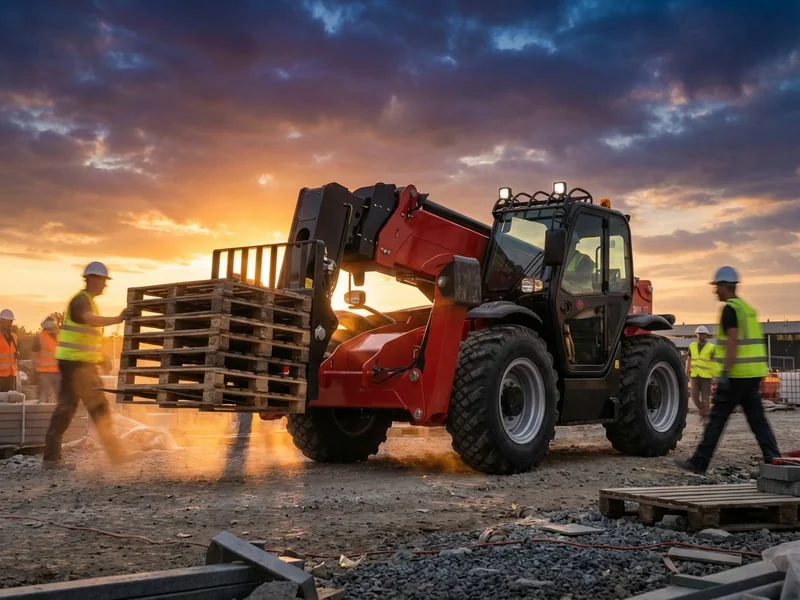
Continuous Rental Cycles
10,000+ hour component design life
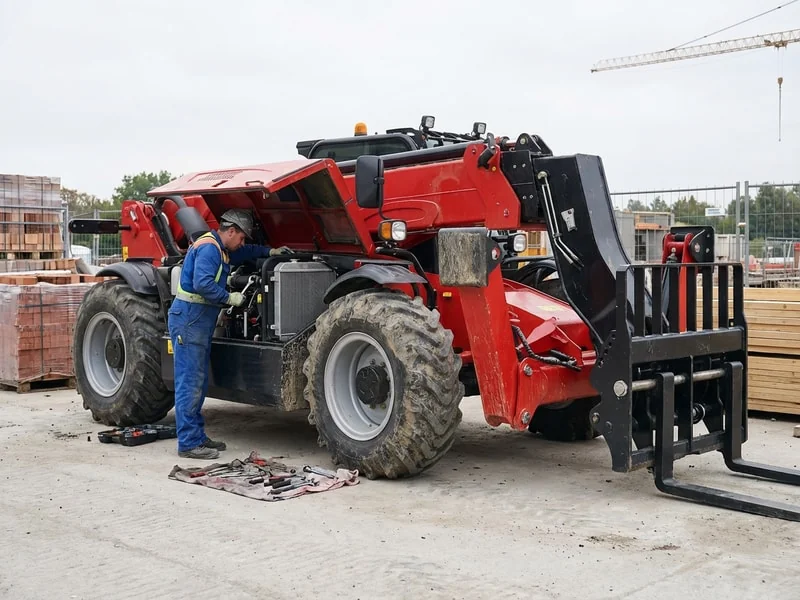
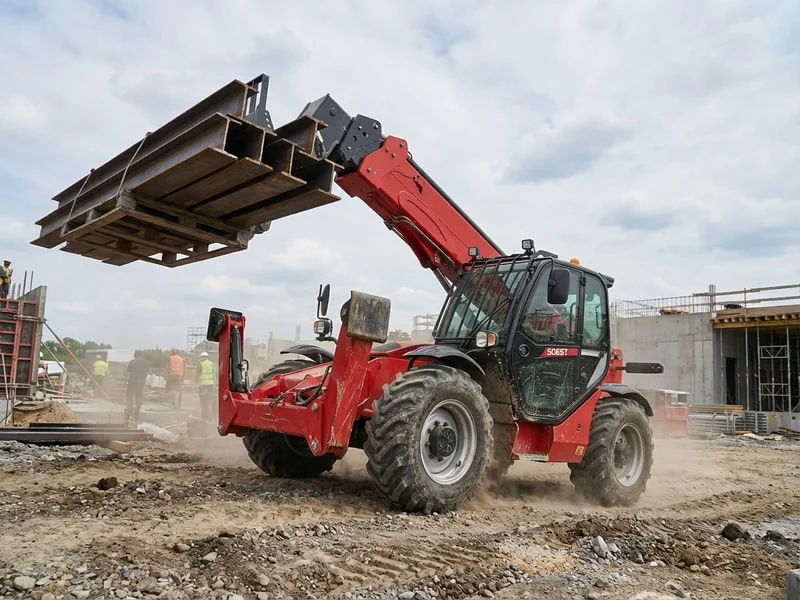
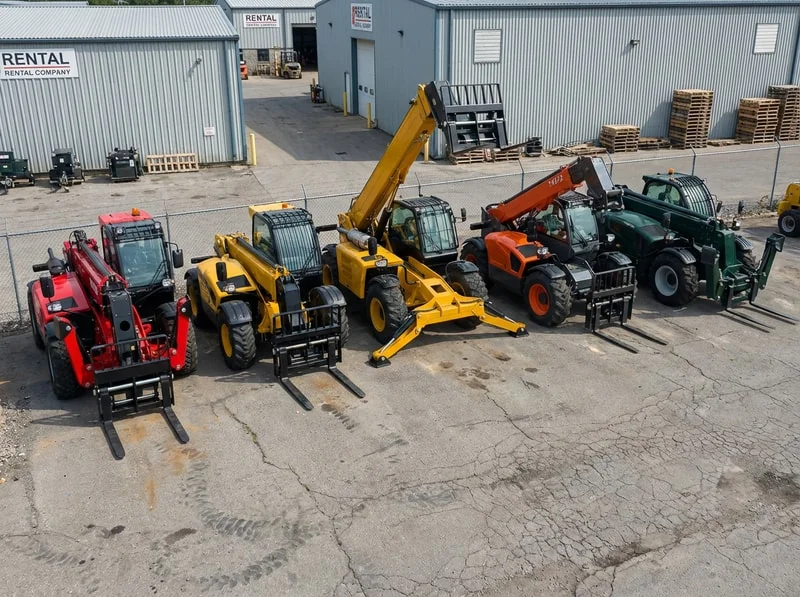
Your fleet needs more than lifting capacity. You need equipment structured for maximum uptime, fast serviceability, and long-term asset value — so every unit earns its place in your fleet.
Select Your Fleet Starting Model
To prepare an accurate fleet quotation, select a reference model that best matches your primary rental demand.
Specifications can be adjusted during technical discussion. We also support multi-model fleet configuration planning.

T4512
1.2 t · 4.5 m Compact Telehandler
Ideal for urban construction, interior handling, and space-restricted projects. Compact size supports easy transport and high rental rotation.

T625-A
2.5 t · 6 m Agricultural Telehandler
Optimized for farm material handling and confined agricultural environments. Balanced reach and capacity for consistent daily utilization.
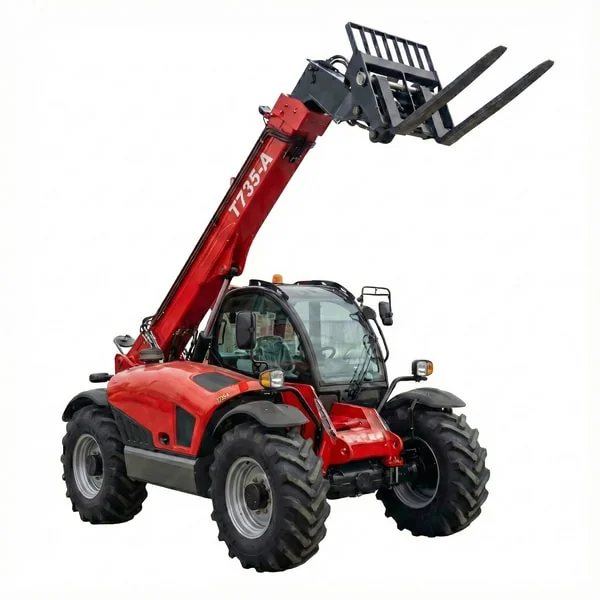
T735-A
3.5 t · 7 m Agricultural Telehandler
Designed for intensive farm handling and feed operations. Stable lifting performance with upgraded component configuration.
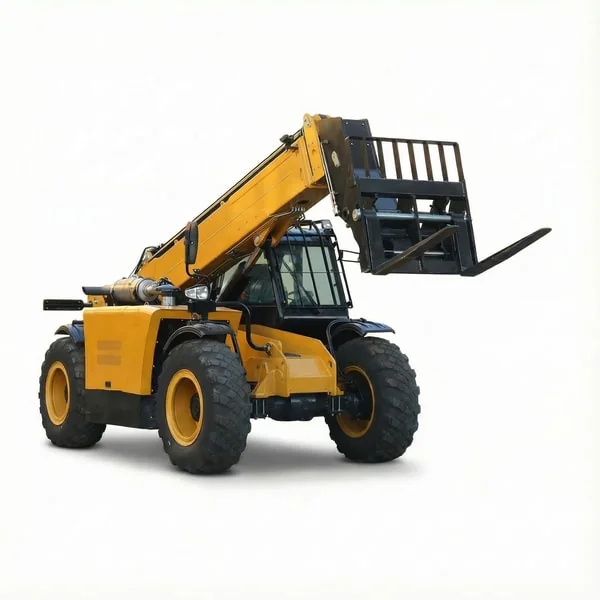
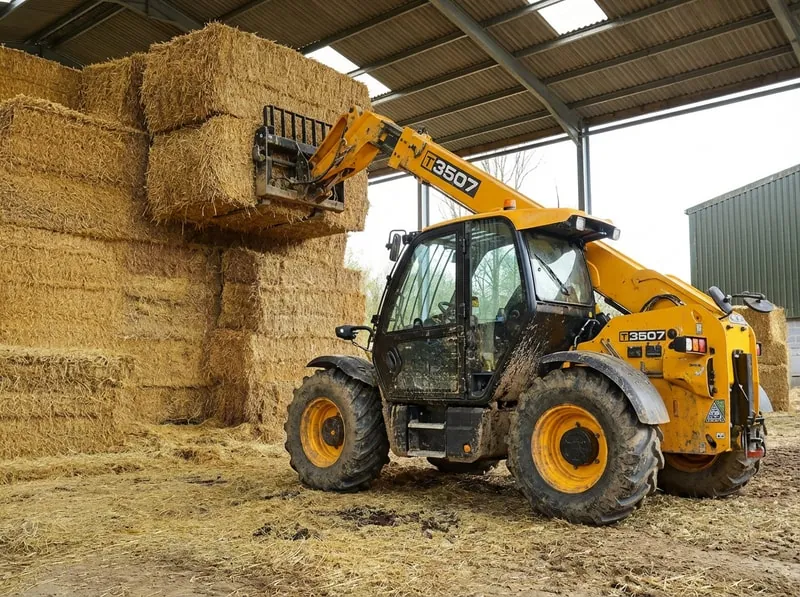
T3507
3.5 t · 7 m Telehandler
Compact yet capable solution for construction and industrial material handling. A practical entry model for diversified rental fleets.
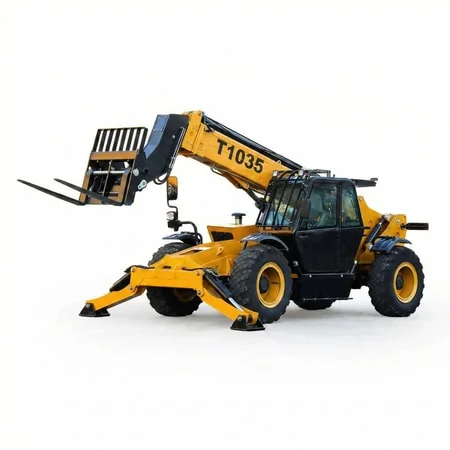
T1035
3.5 t · 10 m Telehandler
Versatile mid-reach telehandler suitable for construction sites, warehouses, and general contracting applications.
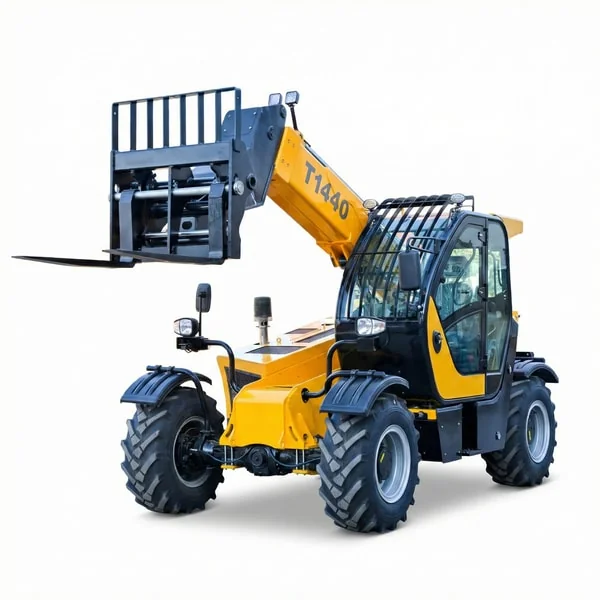
T1440
4.0 t · 14 m Telehandler
Extended reach model built for demanding construction lifting tasks and high-rise applications.
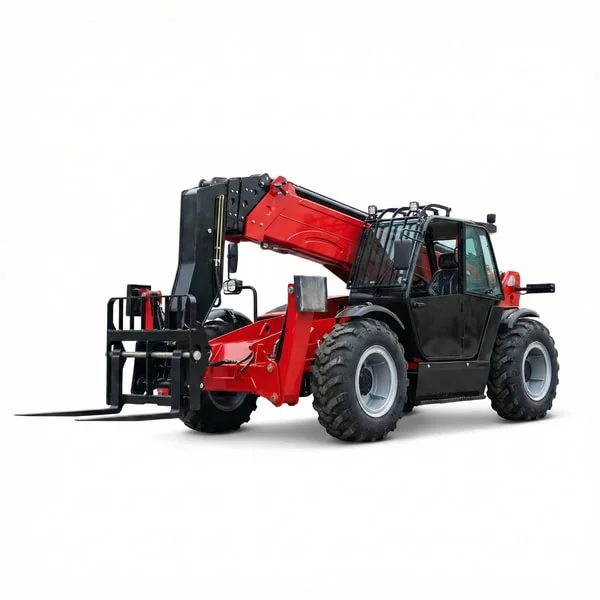
T1850
5.0 t · 18 m Telehandler
High-capacity solution for large-scale construction and infrastructure rental fleets.

TH1840
4.0 t · 17.5 m · EPA Compliant
Configured for markets requiring EPA-certified powertrain. Designed for North American and regulated rental environments.
Understanding Your True Operating Costs
In rental operations, purchase price is only the starting point. What determines long-term profitability is how consistently a machine generates revenue, how predictably it performs, and how well it retains value over time.
Below are the key factors that directly impact your return.
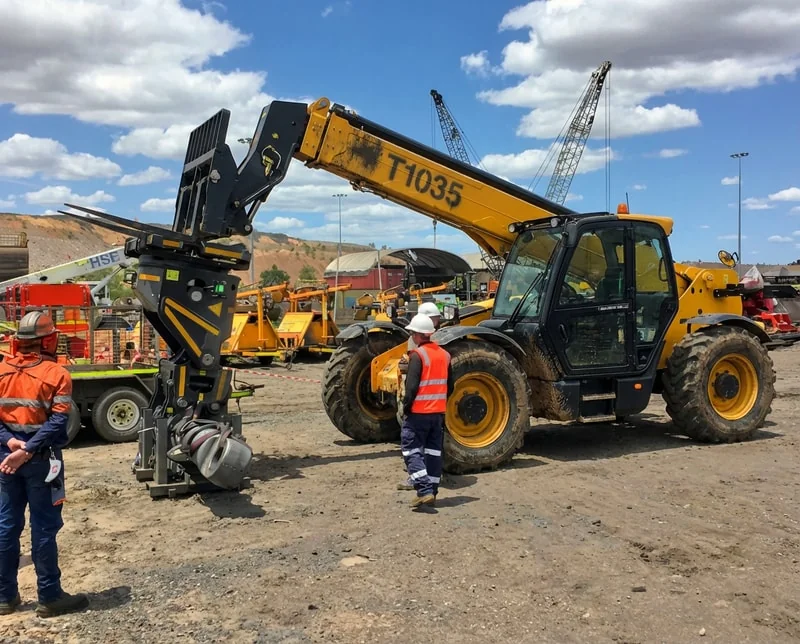
Revenue Potential vs Acquisition Cost
When you evaluate a telehandler, the real question isn't just "How much does it cost?" — it's "How quickly can it generate steady rental income?"
- A well-positioned model covers broad applications — construction, material yards, and more
- Higher booking frequency shortens payback time
- Consistent utilization improves overall fleet cash flow stability
Cost per Operating Hour
Two machines with different purchase prices can have very different long-term operating profiles. What truly matters for your bottom line:
- Component durability reduces replacement frequency
- Hydraulic system stability lowers maintenance intervention
- Service accessibility speeds up turnaround between rentals
When performance stays stable across different operators and job sites, your cost per hour becomes predictable — critical for fleet planning.
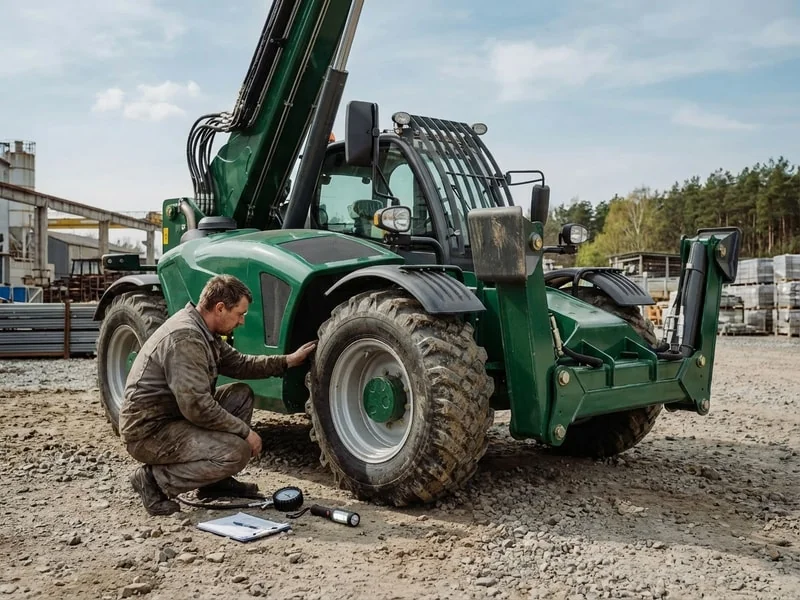
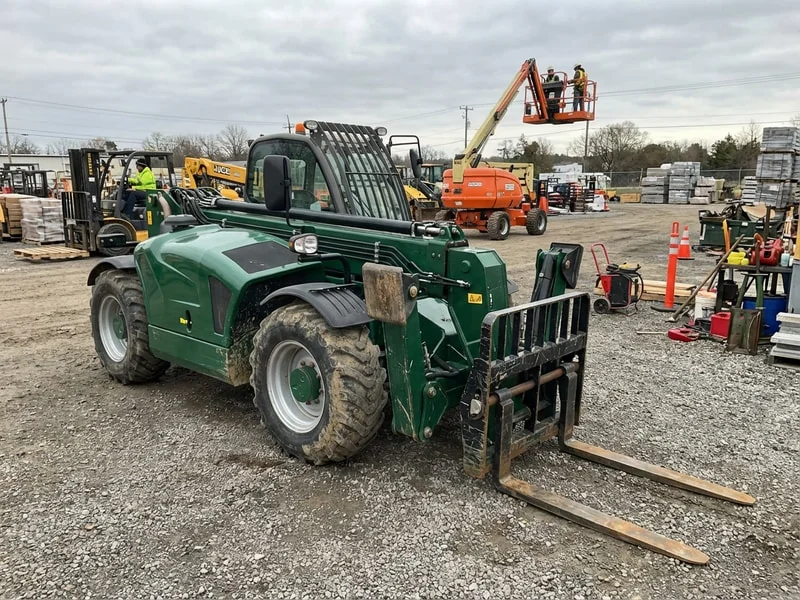
Downtime Impact on Your Rental Income
Downtime doesn't just affect maintenance schedules. It affects your revenue.
- In peak season, even short interruptions disrupt multiple bookings
- Repeated failures strain customer relationships and your reputation
- Consistent performance under rotation protects utilization rates
Your fleet depends on equipment that performs reliably under constant rotation — reducing unexpected interruptions.
Residual Value & Service Life
Your rental equipment is an asset expected to work for years under demanding conditions. What protects your long-term value:
- Structural durability and controlled wear patterns
- Standardized configurations that hold market relevance
- Machines that maintain condition are easier to remarket or rotate
Equipment that holds its performance over extended hours preserves your investment — whether you resell or keep expanding.
Fleet Efficiency & Standardization
When your fleet operates multiple units of the same configuration, operational efficiency improves naturally:
- Standardized components simplify your parts management
- Your technicians become familiar with systems faster
- Operator training becomes quicker and more consistent
These efficiencies reduce indirect costs rarely visible at purchase — but they significantly influence your overall profitability over time.
How Rental ROI Is Structured
Rental profitability depends on how consistently a machine generates revenue across the year. A simplified ROI structure typically includes:
Estimated Daily Rental Rate
The average rental income per day based on your local market demand and application range.
Expected Utilization Rate
The percentage of days the machine is actively rented throughout the year. Higher utilization directly accelerates capital recovery.
Annual Operating Hours
Total productive working hours driven by fleet rotation and booking frequency.
Estimated Payback Period
The time required for rental income to cover acquisition and operational costs. Shorter payback increases fleet expansion flexibility.
Reference Formula
Annual Revenue = Daily Rate × Utilization × Operating Days
This model varies by region and application. Our team can help evaluate your local rental assumptions.
Want to discuss fleet ROI based on your specific market conditions?
Protecting Your Fleet Investment
Adding a new supplier to your fleet is a serious decision. Beyond specifications and pricing, what matters most is how well operational risk is managed.
We structure our cooperation to minimize uncertainty at every stage.
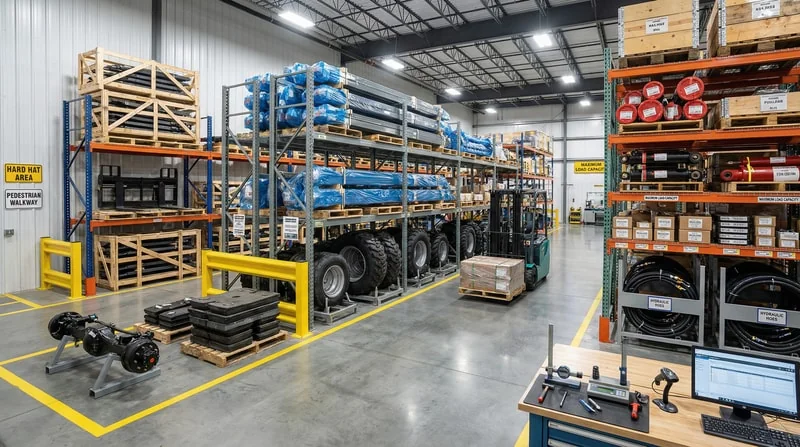
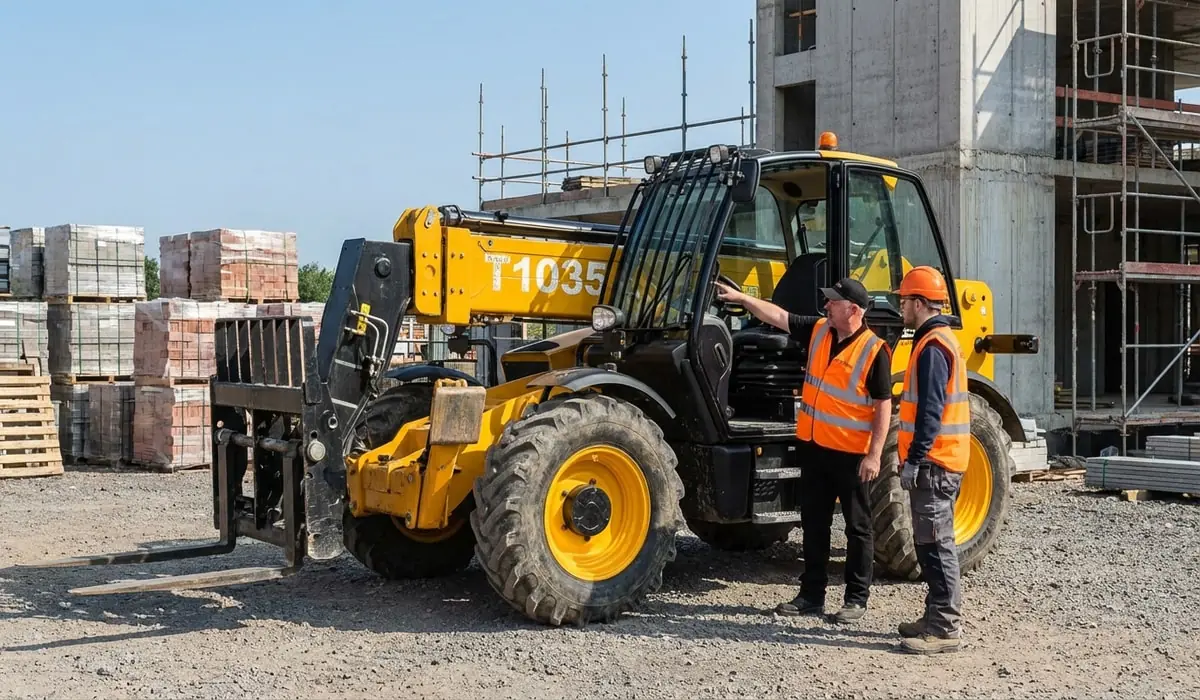
Spare Parts Planning
AvailabilityRental downtime often results from delayed parts — not complex failures. We support fleet customers with:
Helping reduce unexpected downtime caused by logistics delays.
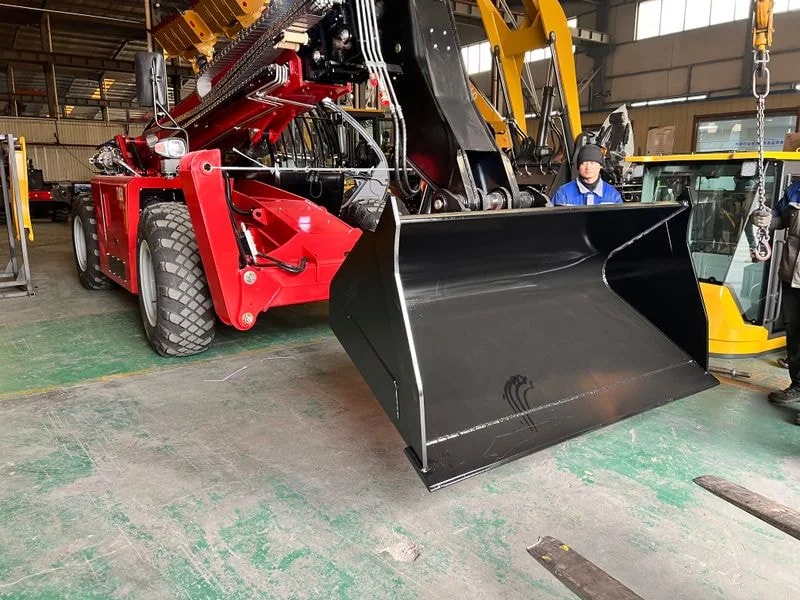
Technical Support Structure
GuidanceReliable equipment must be backed by reliable communication. Our support includes:
So your team is never isolated when technical clarification is required.
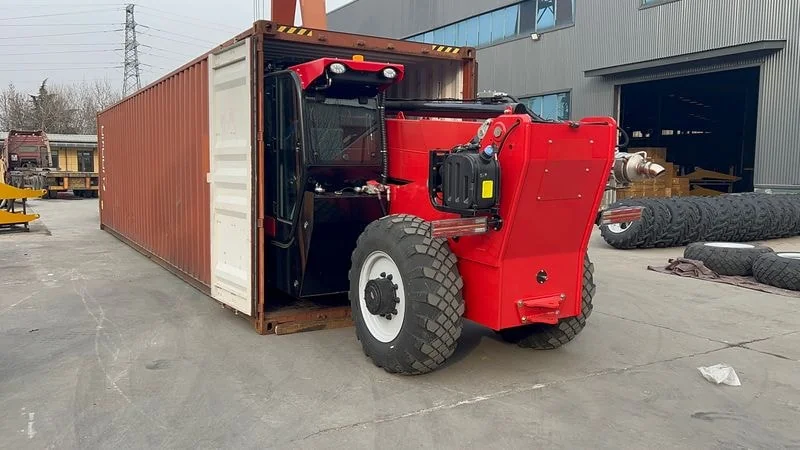
Warranty Transparency
ClarityFleet operators require clarity — not vague promises. We provide:
This ensures predictable expectations on both sides.
Configuration Stability
ConsistencyConsistency matters in fleet operations. We maintain:
Ensuring units delivered within the same fleet maintain performance consistency.
Long-Term Fleet Cooperation
PartnershipRental growth requires stable supply partners. We focus on:
Supporting sustainable fleet expansion rather than one-time transactions.
Fleet investment is not about eliminating risk —
it is about managing it with structure, transparency, and long-term cooperation.
Fleet Buyer Resources
Reference materials to support your equipment selection, import planning, and long-term fleet operations.
Selection & Sourcing
Choosing the right equipment
Telehandler or Forklift?
Equipment selection comparison
2026 Sourcing Guide
Step-by-step evaluation reference
Telehandler for Construction
Application-specific guide
Logistics & Maintenance
Shipping, import & aftercare
Import & Customs Guide
Documentation for overseas purchases
Shipping Time Reference
Production and transit timelines
Container Loading Cases
Real shipping examples
Wear Parts & Consumables
Maintenance planning reference
Where Your Fleet Generates Revenue
Your rental customers operate across multiple industries — often under tight schedules and demanding conditions.
A telehandler in your fleet must adapt to these real-world applications without compromising uptime.

Building Construction
The most consistent source of rental demand. Your customers rely on telehandlers daily across residential and commercial building sites.

Infrastructure & Civil Projects
Large-scale projects require equipment that rotates between phases — often generating medium- to long-term rental contracts.

Industrial Yards & Material Depots
Material yards demand repetitive lifting under daily operational cycles. Hydraulic stability and consistency matter most here.

Agricultural & Feed Operations
In many regions, farms rely on telehandlers for seasonal and daily operations — requiring compact maneuverability and attachment flexibility.

Urban & Confined Job Sites
Compact models are frequently rented for space-restricted projects. High maneuverability increases rental frequency in dense urban areas.

Logistics & Port Operations
Ports and logistics centers require versatile lifting across variable load types. These customers prioritize durability and consistent performance.
The wider the applications your fleet can serve, the higher your utilization rate — and the faster your investment returns.
Fleet Partnership
Growing a rental fleet requires more than adding equipment. It requires consistency — in configuration, supply, support, and long-term planning.
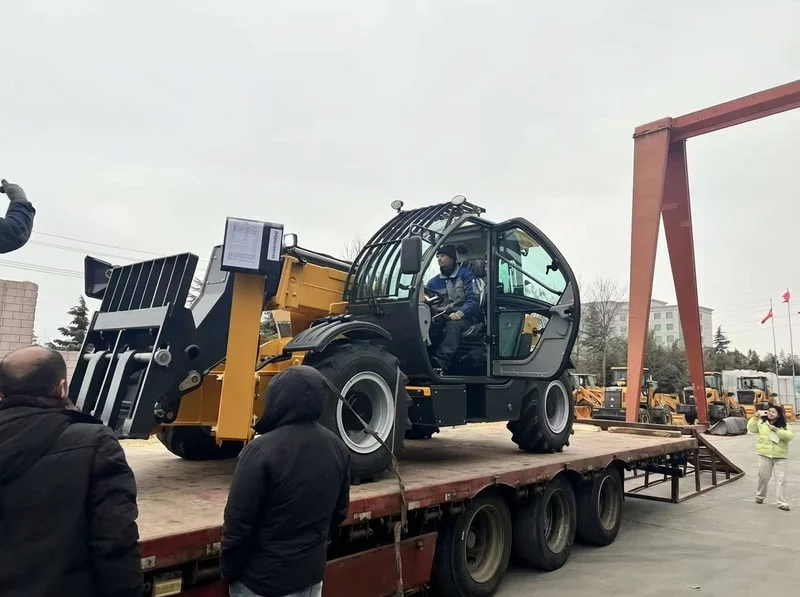
Building Long-Term Fleet Stability
When you introduce a new supplier into your fleet, you are not only evaluating machines. You are evaluating whether that supplier can support your growth over time.
We approach cooperation with rental companies as a structured partnership rather than a single transaction.
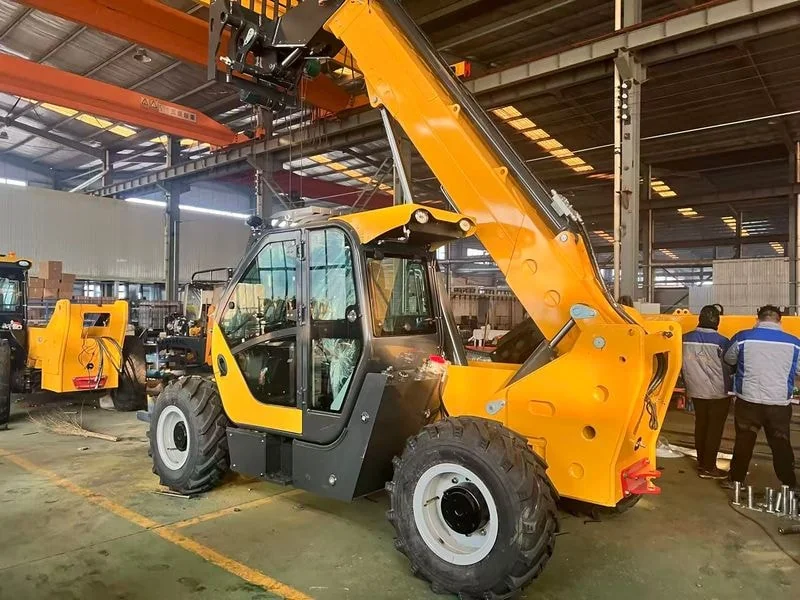
Supporting Your Fleet Expansion
As your fleet grows, model selection and configuration stability become increasingly important. You need equipment that fits your local market demand, maintains predictable performance across units, and supports standardization within your operation.
We work with you to align model selection with your rental focus — whether your market prioritizes compact urban projects, mid-range construction demand, or high-reach infrastructure applications.
The objective is not to sell a machine, but to help you build a balanced fleet structure that supports utilization and long-term asset management.
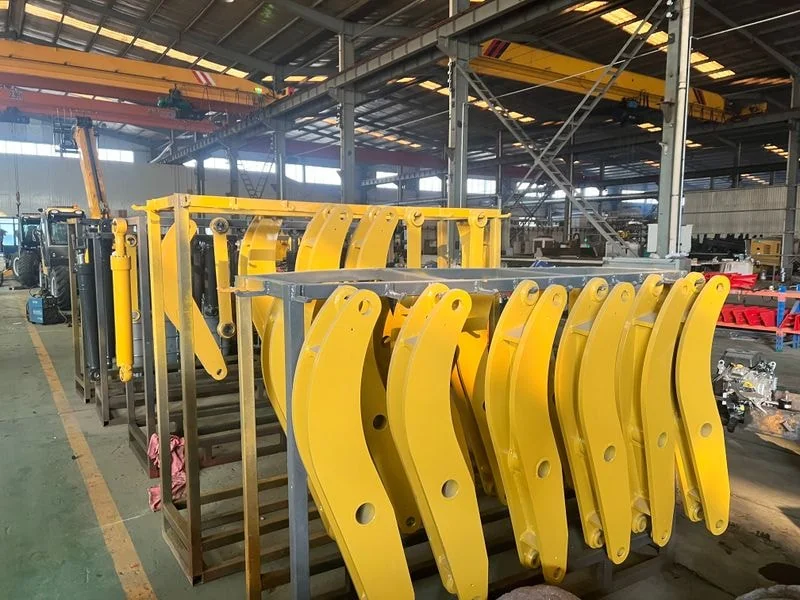
Structured Volume Procurement
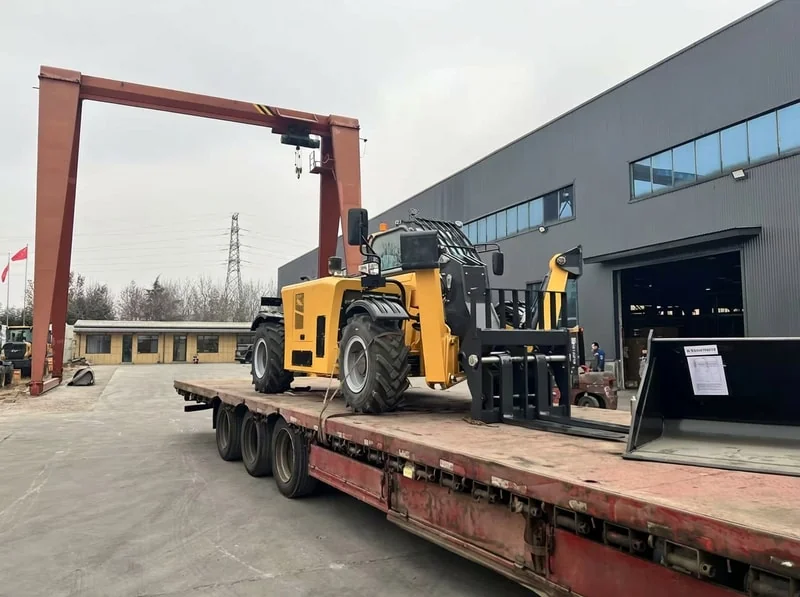
Fleet procurement requires planning, not reactive purchasing. When you expand in multiple units, production scheduling, configuration consistency, and delivery coordination must be predictable.
Our manufacturing capacity supports multi-unit procurement without compromising configuration control or delivery reliability.
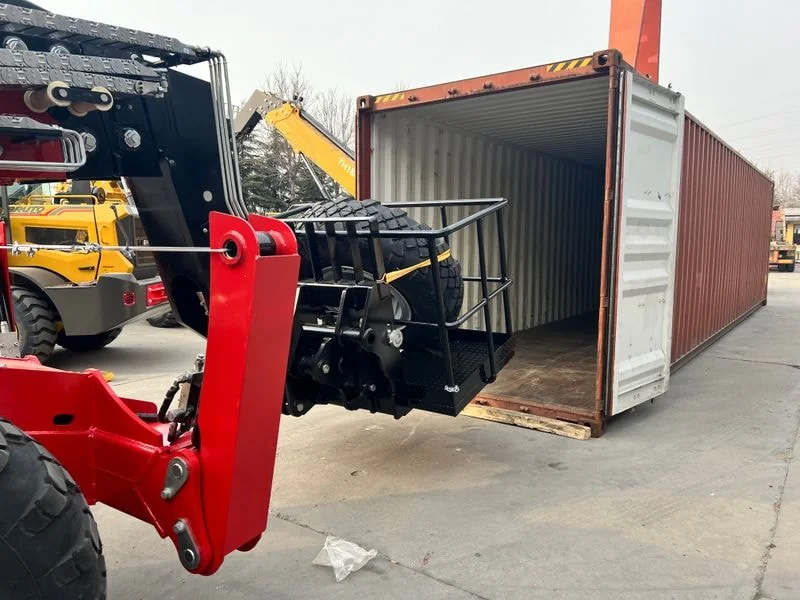
Coordinated Support & Supply
Rental operations depend on uptime. That means parts planning, technical clarification, and ongoing communication must be aligned with your operational rhythm.
Your goal is operational stability. Our role is to support that stability beyond the point of delivery.
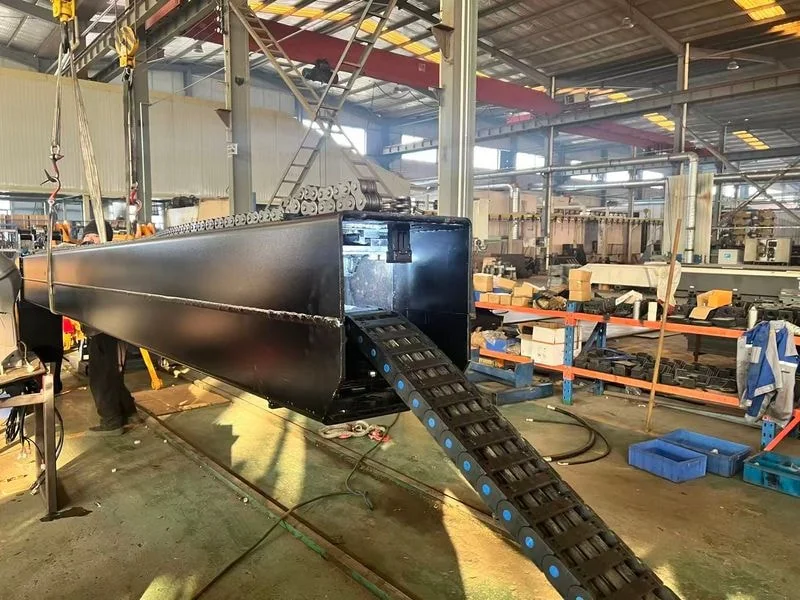
A Partner for Sustainable Growth
Rental growth is built on predictable performance and stable supplier relationships. You need a manufacturing partner capable of maintaining production continuity, supporting repeat orders, and aligning with your long-term fleet strategy.
We focus on building cooperation that extends beyond individual shipments — supporting your fleet as it expands across projects, markets, and years.
Frequently Asked Questions
Common questions from rental fleet operators evaluating telehandler procurement from a Chinese manufacturer.
Still have questions? Let's discuss your specific fleet requirements.
Let's Discuss Your Fleet Requirements
Whether you're planning your first order or expanding an existing fleet, we're here to support your decision.

Hi, I'm Sally.
Fleet Sales at Telescro
I can help you with:
- Model selection aligned with your rental market
- Fleet pricing and volume procurement structure
- Production lead times and delivery coordination
- Spare parts planning and aftermarket support
- Configuration consistency for fleet standardization
No commitment required. Share your fleet plans and questions — we'll take it from there at your pace.
Request Fleet Consultation
Share your fleet requirements — Sally will respond within 24 hours.